

Deputy Supreme Court chief sets panel to hear petitions demanding Oct. 7 state probe
Sohlberg picks four other conservatives and two more liberal judges, after chief justice deferred authority on matter since he would appoint members of inquiry if established
 Add ToI as a Preferred Source on Google
Jeremy Sharon is The Times of Israel’s legal affairs and settlements reporter
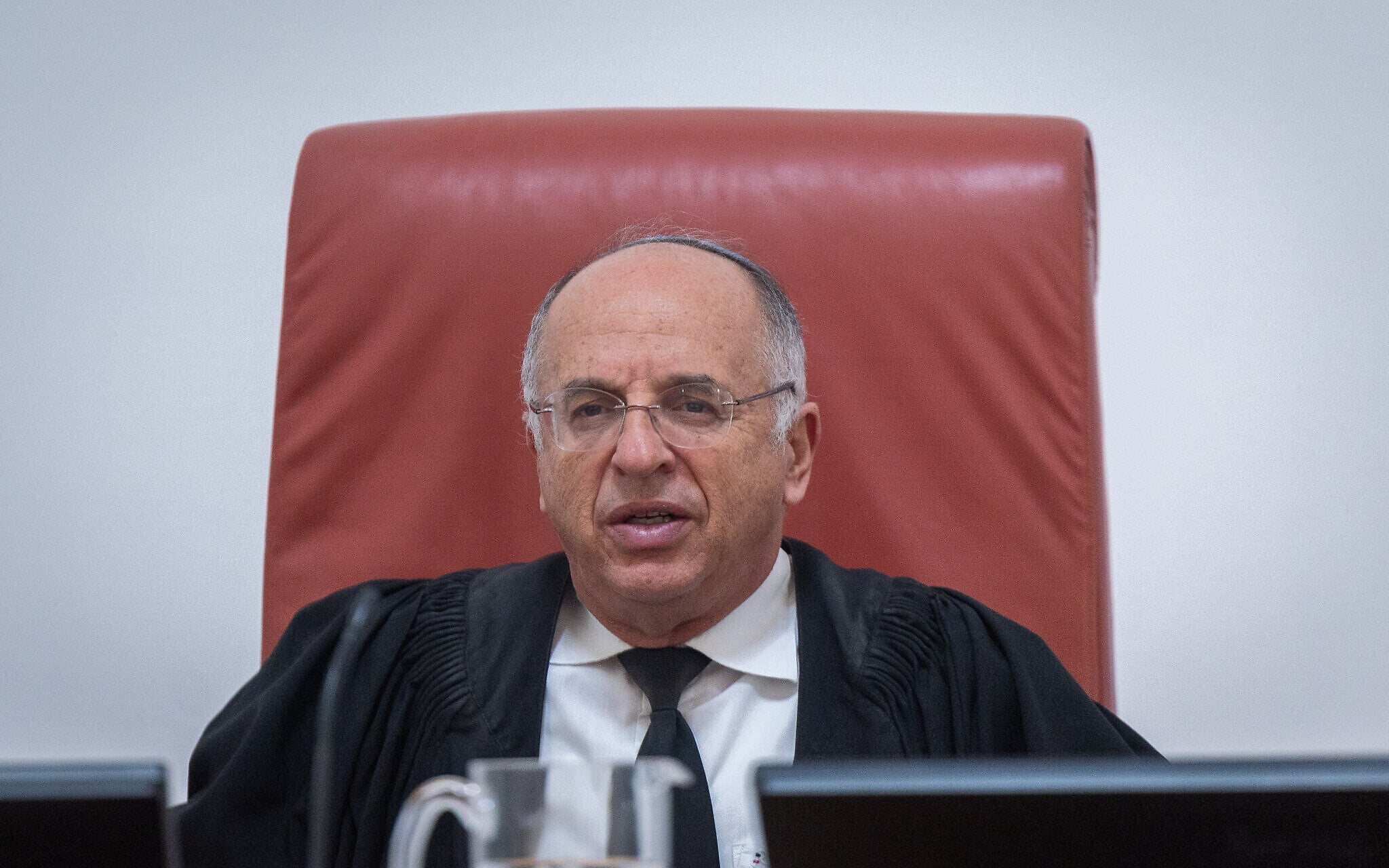
Deputy Supreme Court President Noam Sohlberg on Wednesday announced the panel of justices that will hear petitions to order the government to establish a state commission of inquiry into the October 7, 2023, Hamas invasion and atrocities.
The panel consists of Sohlberg himself, along with Justices David Mintz, Yael Wilner, Ofer Grosskopf, Alex Stein, Chaled Kabub and Yechiel Kasher, who will act in the capacity of the High Court of Justice.
Sohlberg said the composition of the panel was in part determined by the fact that some Supreme Court justices were legally blocked from hearing the petitions for various reasons.
Sohlberg, Mintz, Wilner, Stein, and, to some degree, Kasher, are all considered conservatives to varying degrees, while Kabub and Grosskopf are more liberal.
A date is yet to be set for the hearing.
Supreme Court President Isaac Amit said Tuesday that he was giving Sohlberg the authority to hear petitions on the matter because the chief justice is already tasked with selecting the members of the panel if a state commission of inquiry is established.
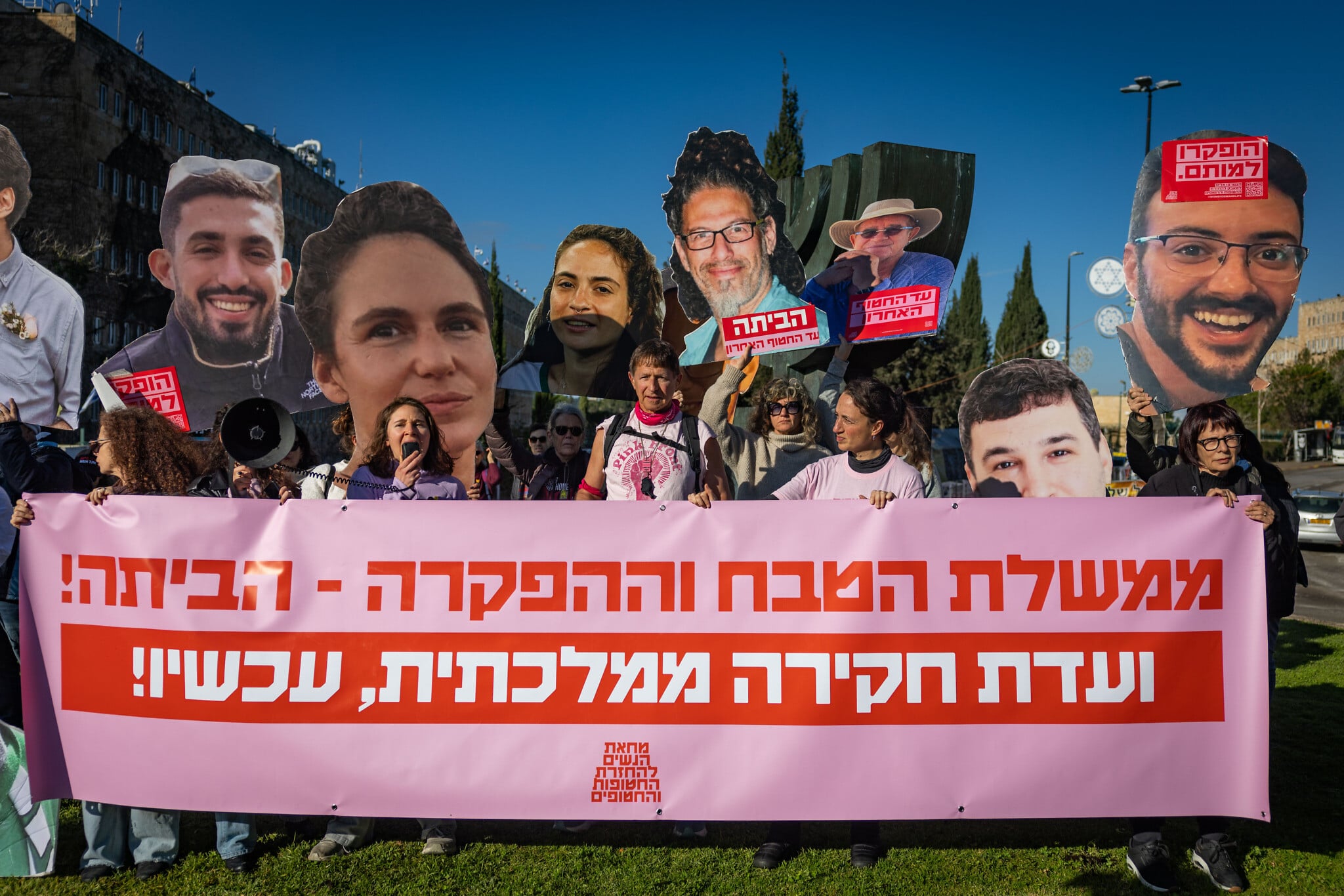
In November, the High Court issued a conditional order requiring the government to justify why it is not establishing a state commission of inquiry. In its response, the government argued that the authority to establish a state commission resided with the government alone, and pointed to previous High Court decisions which ruled in accordance with that opinion.
Prime Minister Benjamin Netanyahu and his government have resisted pressure to establish a state commission of inquiry for more than two years since the deadly Hamas onslaught.
Netanyahu has claimed that, because a state commission is appointed by the judiciary – whose powers it has sought to curb – it would be biased against the government. However, the government did not make this argument in its formal response to the petitions submitted to the court.
The petitioners, including government watchdog groups, have argued that a state commission is the only tool available to investigate the catastrophe in a politically independent and comprehensive manner.
Instead of forming a state commission, the government is advancing a bill that would create what the government calls a “national-state commission of inquiry,” where the coalition and opposition would get to handpick the members of the commission.
The opposition is, however, boycotting the committee process for that legislation, and has vowed to boycott any process for creating such an inquiry should that bill pass.









The Times of Israel Community.