

Supreme Court president lets deputy pick judicial panel for Oct. 7 inquiry petitions
Amit rules that since he as court president would appoint members of commission of inquiry, he should not be on the panel hearing petitions over formation of such an inquiry
 Add ToI as a Preferred Source on Google
Jeremy Sharon is The Times of Israel’s legal affairs and settlements reporter
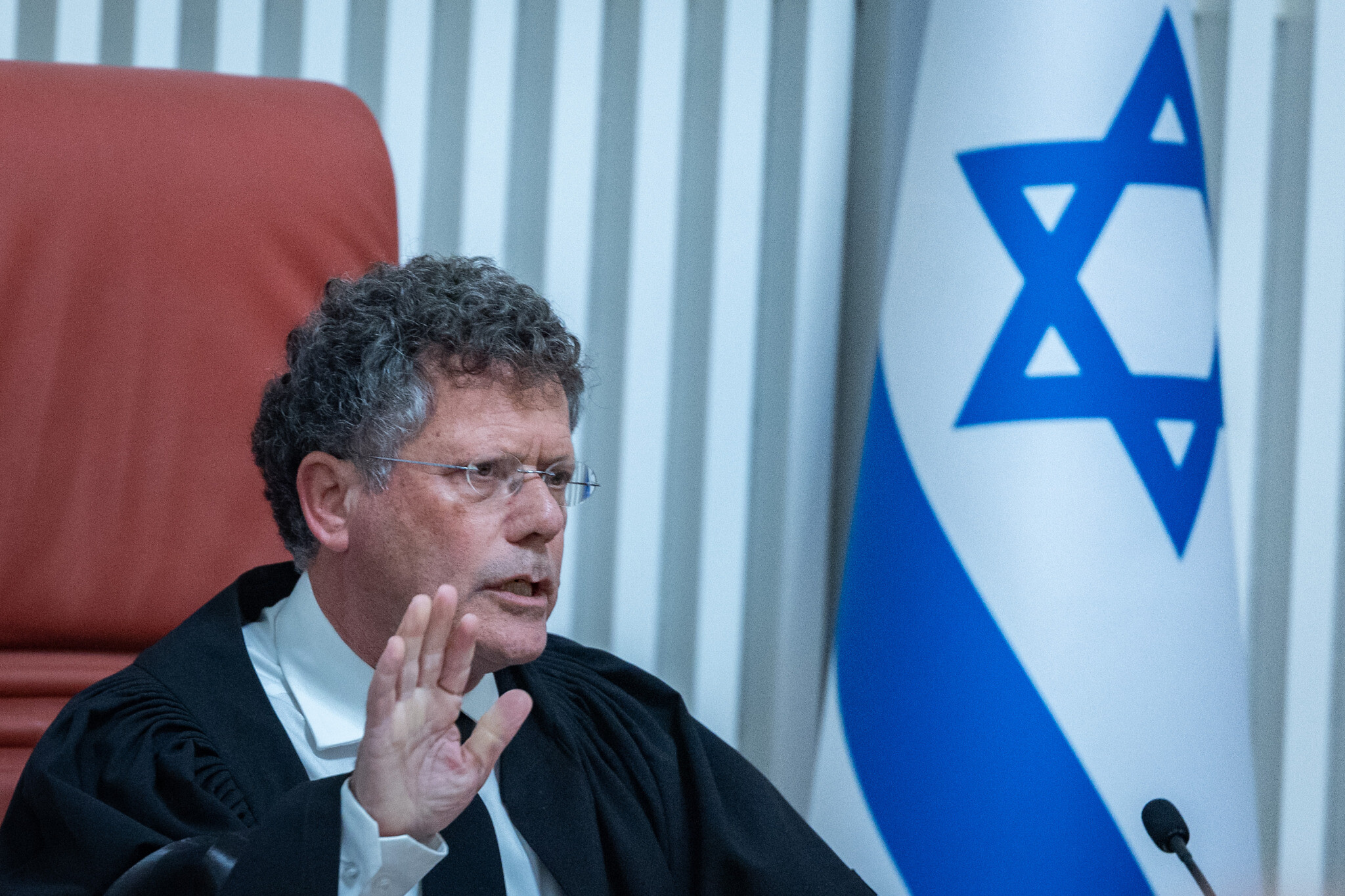
Supreme Court President Isaac Amit on Tuesday delegated to his deputy the authority to determine the members of the expanded judicial panel set to hear petitions demanding the establishment of a state commission of inquiry into the events of October 7, 2023.
Amit wrote in the decision that he was giving to Justice Noam Sohlberg the authority to hear petitions on the matter because the chief justice is already tasked with selecting the members of the panel if a state commission of inquiry is established.
“It would not be appropriate for me to issue decisions in these proceedings,” wrote Amit in a Tuesday decision issued as the Supreme Court readies to hold a hearing on the petitions demanding the government establish a state commission into the October 7 invasion and atrocities.
Sohlberg and Supreme Court Justice Daphne Barak-Erez joined Amit in his decision.
In November, the Supreme Court sitting in its capacity as the High Court of Justice issued a conditional order requiring the government to justify why it is not establishing a state commission of inquiry.
Prime Minister Benjamin Netanyahu and his government have resisted pressure to establish a state commission of inquiry throughout the more than two years since the deadly Hamas onslaught.
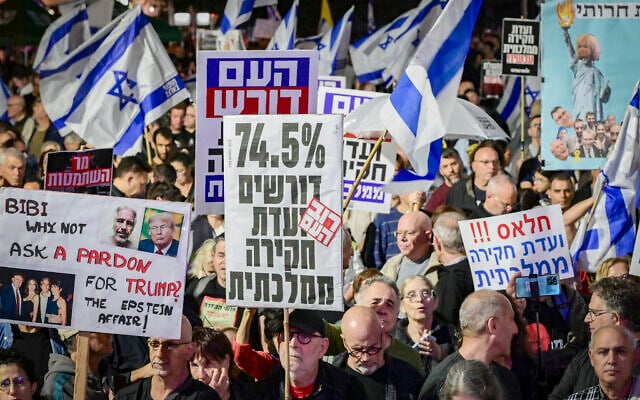
Netanyahu has claimed that, because a state commission is appointed by the judiciary – whose powers it has sought to curb – it would be biased against the government. However, the government did not make this argument in its formal response to the petitions submitted to the court.
The petitioners, including government watchdog groups, have argued that a state commission is the only tool available to investigate the catastrophe in a politically independent and comprehensive manner.
In the government’s response to the petitions, it argued that the authority to establish a state commission resided with the government alone, and pointed to previous High Court decisions which ruled in accordance with that opinion.
“It should be said even now that making the conditional order absolute would tear apart the principle of separation of powers and would harm the balance established by the legislature, an injury that, with all due respect, is not within the authority of this honorable court,” the government asserted in its response to the petitions.
Instead of establishing a state commission, the government is currently legislating a bill that would enable the creation of what the government calls a “national-state commission of inquiry,” where the coalition and opposition would get to handpick the members of the commission.
The opposition is, however, boycotting the committee process for that legislation, and has vowed to boycott any process for creating such an inquiry should that bill pass.










The Times of Israel Community.