

Documentary lays bare Nazi propagandist celebrated for her cinema, unpunished for crimes
In his film ‘Riefenstahl’ out in the US Sept. 4, director Andres Veiel mines hidden archives to cut through a gifted auteur revered by Hitler as the epitome of Aryan womanhood
 Add ToI as a Preferred Source on Google
Jordan Hoffman, a member of the New York Film Critics Circle, is The Times of Israel's long-time film reviewer and the co-host of The Reel Schmooze.
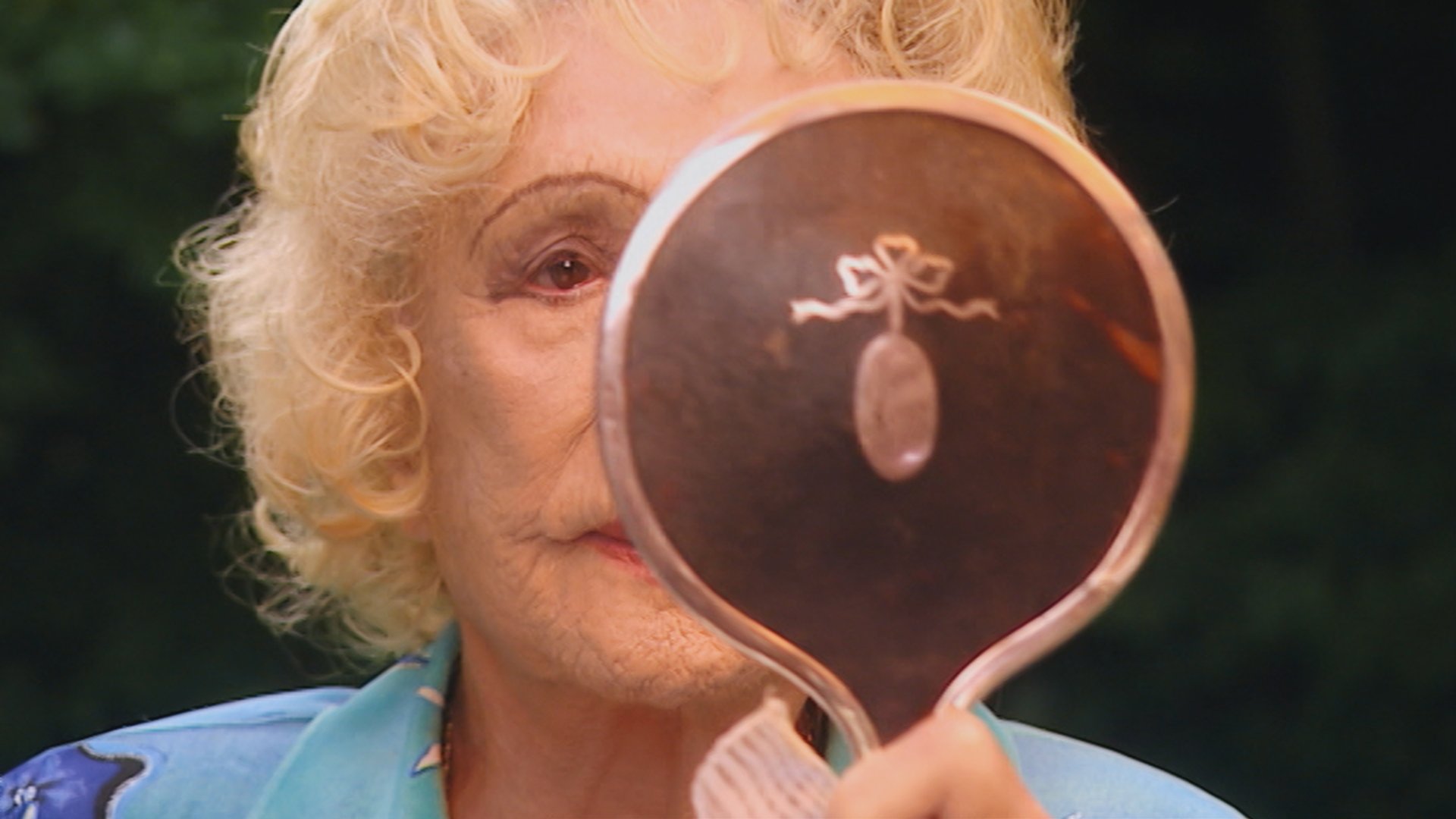
NEW YORK — I wish this movie came out 50 years ago. Or at least when Leni Riefenstahl, the incredibly gifted film director and close associate of the Nazi party, was alive and on her decades-long “I knew nossing!” tour. It took Riefenstahl 101 years to finally die in 2003, and during much of her post-war life, she enjoyed the benefit of the doubt.
“Riefenstahl,” by German documentarian Andres Veiel, proves what many suspected: She was a rotten person.
For some, it’s an ivory tower problem, but others tussle greatly with the great ethical conundrum of separating the art from the artist. That old war horse neighed mightily when I recently reviewed a new (and very good) film about the Dreyfus Affair directed by Roman Polanski, who drugged and raped a 13-year-old girl and directly compared his situation (exiled to France and unable to collect his Hollywood awards in person!) with that of the scapegoated Jewish military officer.
The grandmother of ’em all, though, has long been Riefenstahl. The German filmmaker began her career as an actress, then transitioned into the male-dominated field of directing with 1932’s “The Blue Light,” a mountain-set fable that creatively mixed state-of-the-art technology and groundbreaking cinematic forms. It was a sensation, and among its admirers was Adolf Hitler, who felt her performance represented the epitome of Aryan womanhood.
Though she never joined the Nazi party (a fact she repeated several thousand times later in life), she socialized with Hitler and accepted the commission of several propaganda films, including “Triumph of the Will.”
Did she do a good job? Yes, yes, she did. Film scholars can talk ’til the schnitzel comes home about her revolutionary camera movements and editing techniques. The film won her prestigious prizes and, after the war, Riefenstahl called her highly art-decorated and choreographed hagiography of Nazism merely a reflection of reality — a documentary. In “Riefenstahl,” you can watch her claim that, had she been commissioned by an Allied nation, her film would have been much the same, just with different speeches.
And for years, scholars stroked their beards and said, “Maybe that’s so.” But “Riefenstahl,” which sinks its teeth into an enormous cache of previously unreleased audio and video (bless the German penchant for keeping orderly notes!), exposes the filmmaker as someone who is, at best, just a habitual fabricator, and at worst a fully committed Third Reich participant.
After “Triumph of the Will” came “Olympia,” an undeniably brilliant film about the Berlin Olympics that, at 226 minutes, throws every cinematic trick up on the screen, turning competitive sports into a collage of motion and muscle. It’s gorgeous. It also glorifies Nazism in abstract ways — like transforming marble statues into master racers — and more bluntly, like when many Parade of Nations marchers dutifully Sieg Heil the Führer. (The beloved streaming service Criterion Channel offers “Olympia” as part of their 100 Years of Olympic Films package, and I often wonder how many people are surprised to discover it as they scroll past Francois Truffaut and Wes Anderson titles, wondering which film classic to watch tonight.)
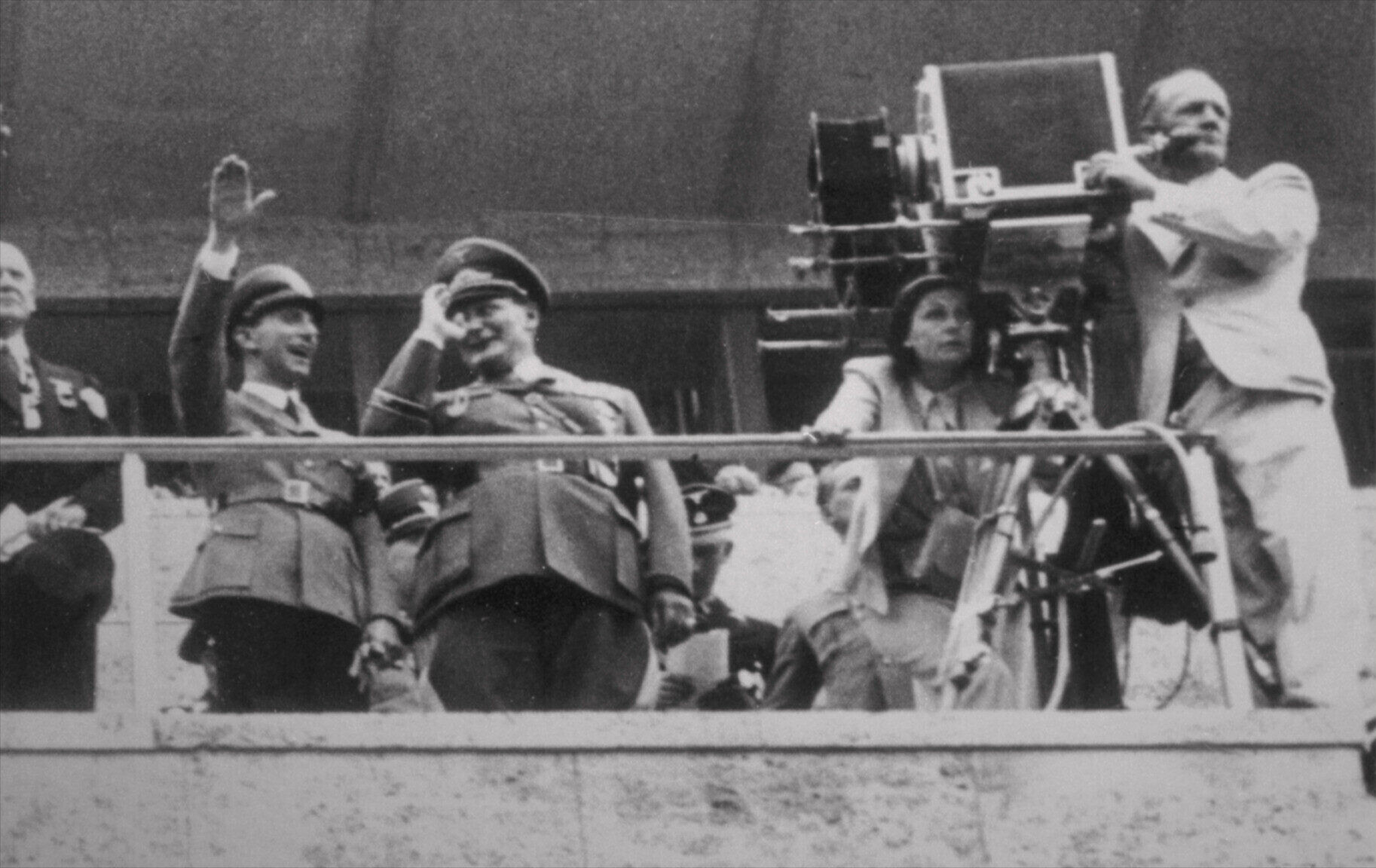
“Olympia” brought Riefenstahl more awards and cemented her reputation as an innovator and maybe even a genius. As recently as 2016, the ludicrous Hollywood film “Race,” which details Jesse Owens’s wins at the Berlin Olympics, positioned Riefenstahl as a take-no-bull visionary, shrugging off the restraints given her by Joseph Goebbels in pursuit of her great art. Her drive toward artistic glory is equated with the spat-upon black athlete’s pursuit of personal excellence. It was an insult before the revelations of “Riefenstahl.” Now it’s just sickening.
In “Riefenstahl,” you will see footage of the German woman tripping herself up with conflicting versions of her own stories and hear telephone calls thick with enough extremist dog whistles to wake a kennel. There are stories about Riefenstahl summoning up a group of Roma children for a scene in her fiction film “Lowlands,” and lying about spending time with them after production ended. (They were, indeed, gassed.)
There’s also the story about how she may have been culpable for a mass execution of Jews in Poland. It’s somewhat confusing, but prior to filming a scene for an abandoned project, she wanted to clear people away from a marketplace. Her direction was eventually interpreted as an order to “Get rid of the Jews.” There are reports that it led to panic and, eventually, gunfire. It’s all deeply troubling.
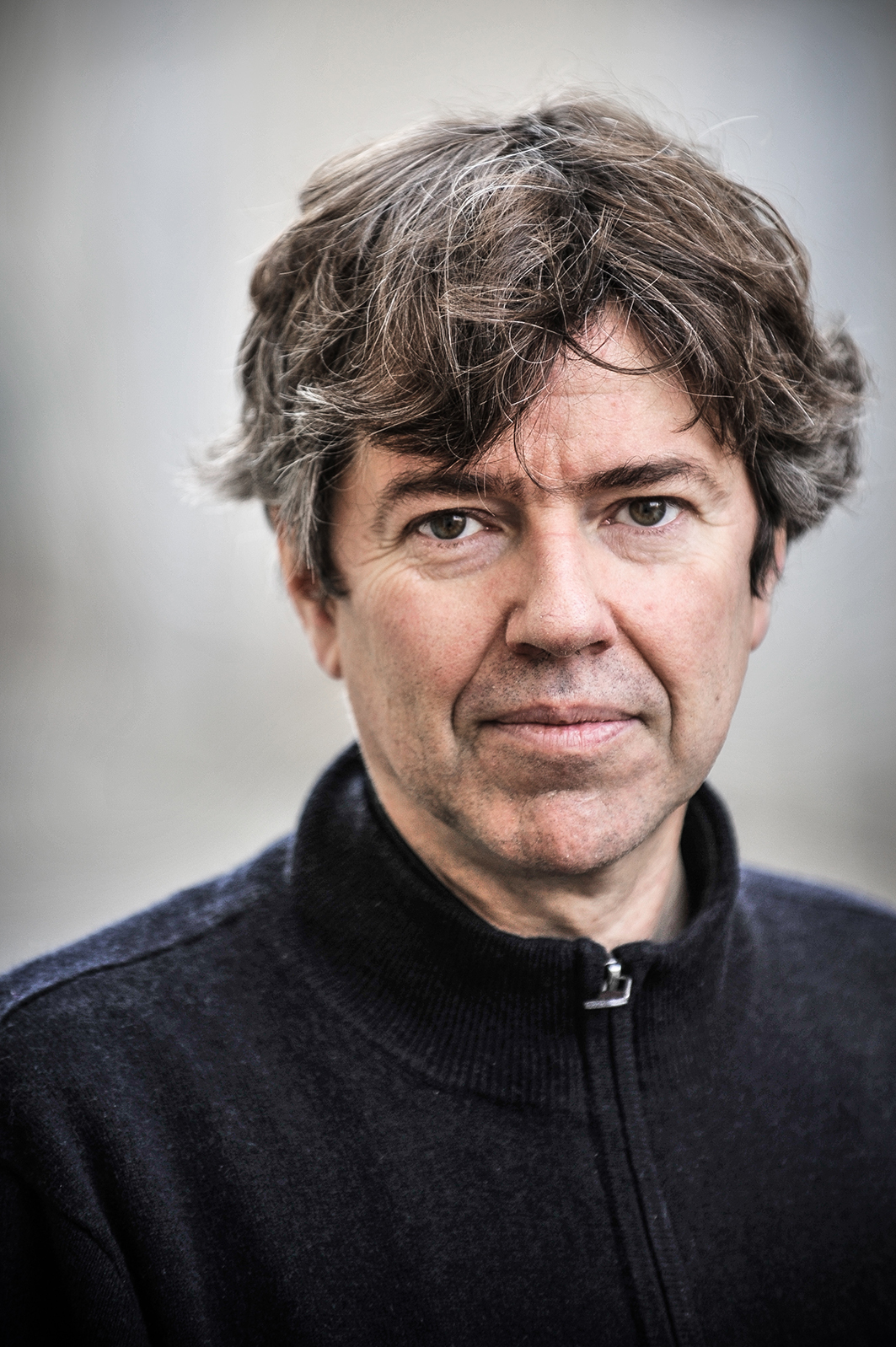
Importantly, considering his subject, director Andres Veiel does not lay out his case like a lawyer. Wanting to beat Riefenstahl at her own game, he works as an artist does, using evocative montage, deliberate pacing, and precise, poetic voice-over. The film builds over time, with several eerie sequences whose light touch allows the viewer the satisfaction of finding the incriminating moments for themselves.
A lesser director would have front-loaded their film with talking heads barking conclusions at the viewer. Veiel’s approach elevates “Riefenstahl” from a tract into a film.
In the 1960s, Riefenstahl started making photography books in Africa, which I’d previously believed to be a way for her to keep busy as far from the ghosts of her past as possible. Veiel connects the dots in a way that shows her work there — fetishistically glorifying human bodies — as part of her ongoing Nazi ideals. What’s more, footage of her prancing around like a kooky aunt among indigenous tribes makes her look like someone you’d want to stay away from at a party.
In the 1970s, she spent a great deal of time on television trying to rehabilitate her name. (Indeed, one of the most darkly funny moments in “Riefenstahl” is a conversation between her and professional ex-Nazi Albert Speer comparing their speaking rates.)
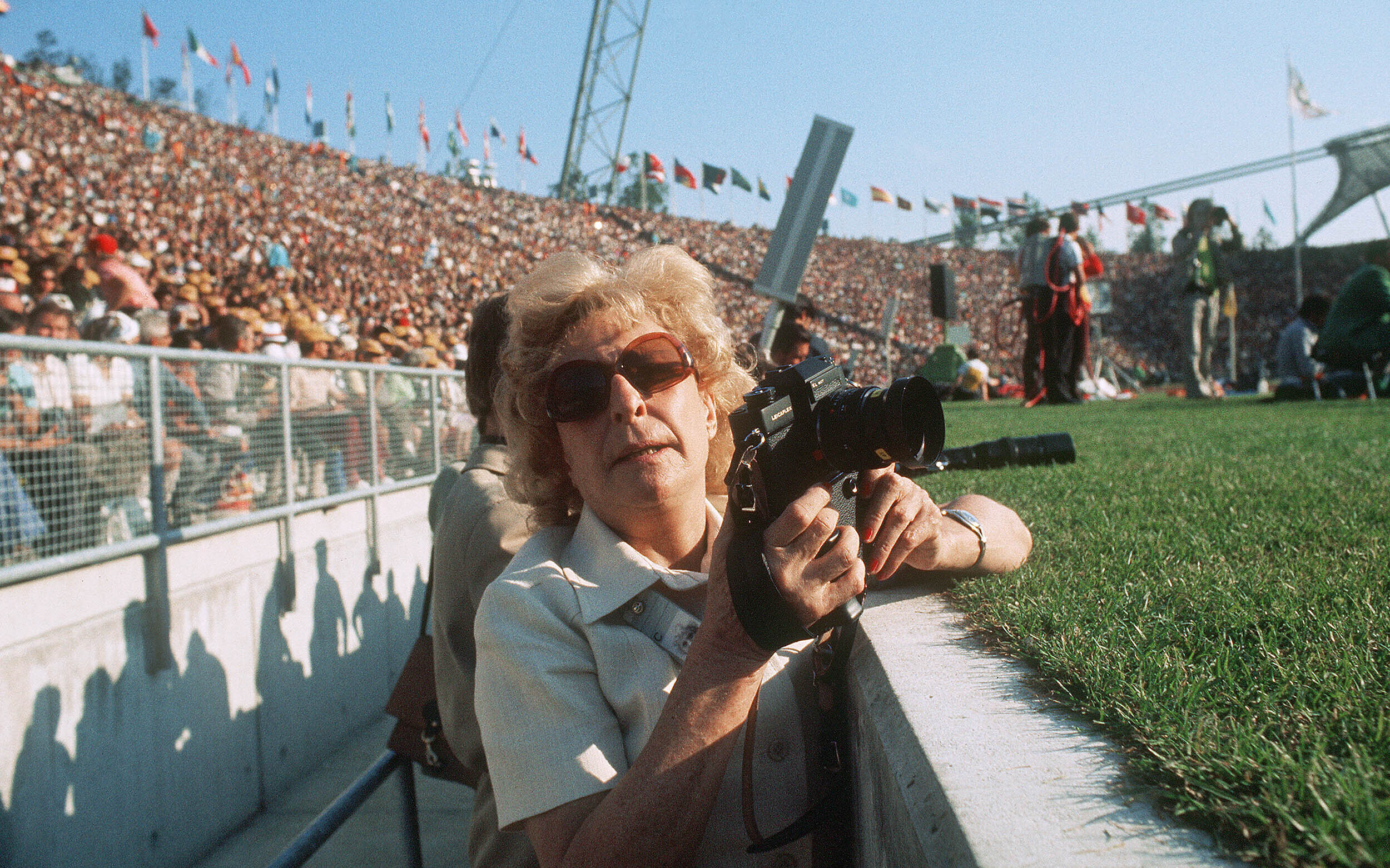
She and her young lover lived in a large, stylish house and she basked in the support of her many fans, sometimes receiving checks in the mail from strangers just for saying unrepentant things on talk shows. In 1974, she traveled to America, where, at the inaugural Telluride Film Festival, she was given a prize alongside actress Gloria Swanson and director Francis Ford Coppola. There were a few demonstrators, but the intelligentsia mostly went along with the argument that we must separate the art from the artist.
I wish this movie came out 50 years ago.









The Times of Israel Community.