Dreams of Theresienstadt children on display in drawings exhibit
Artwork at Prague’s Jewish Museum was saved by Friedl Dicker-Brandeis, who taught secret art classes at Nazi camp and hid the drawings before she was sent to a death camp
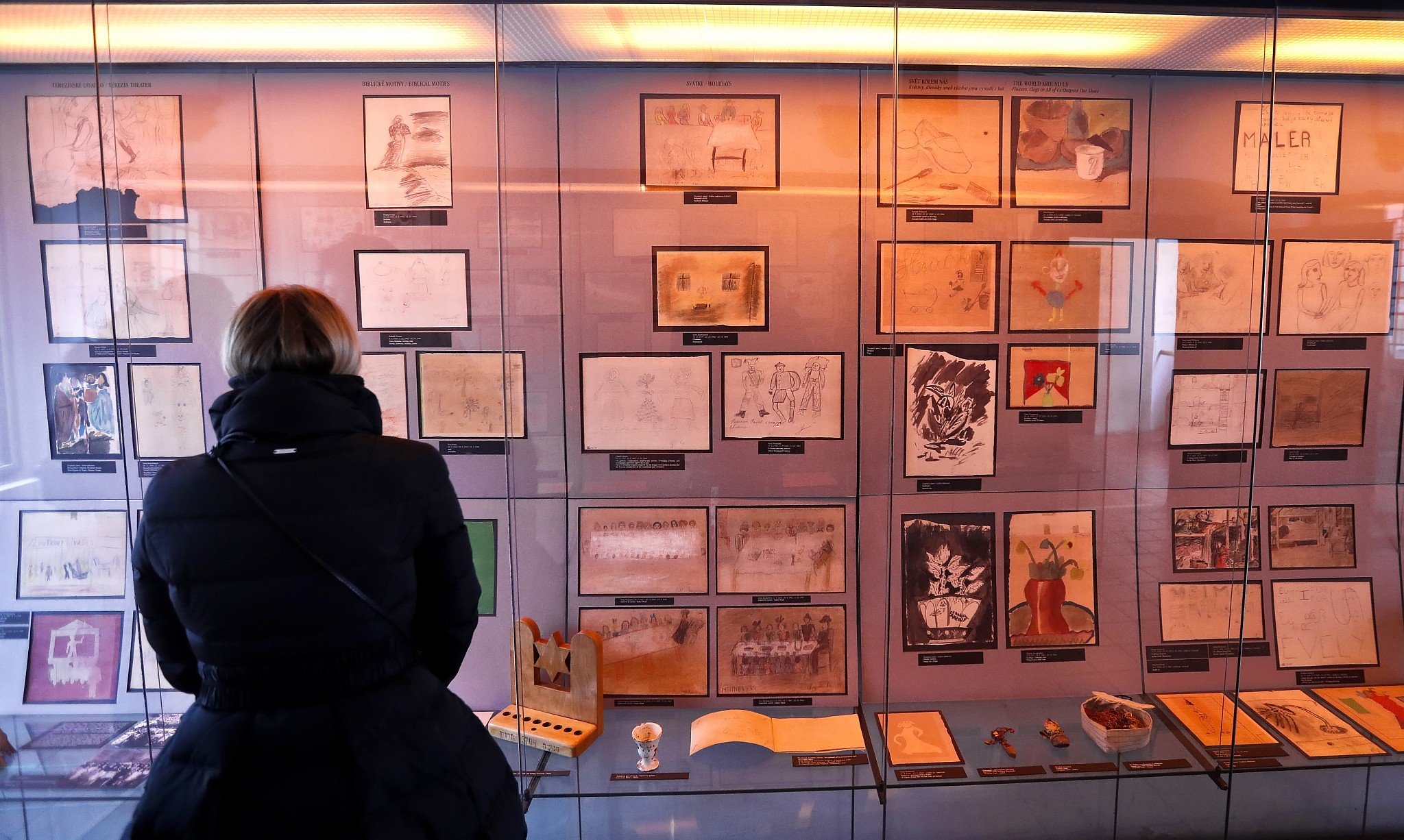
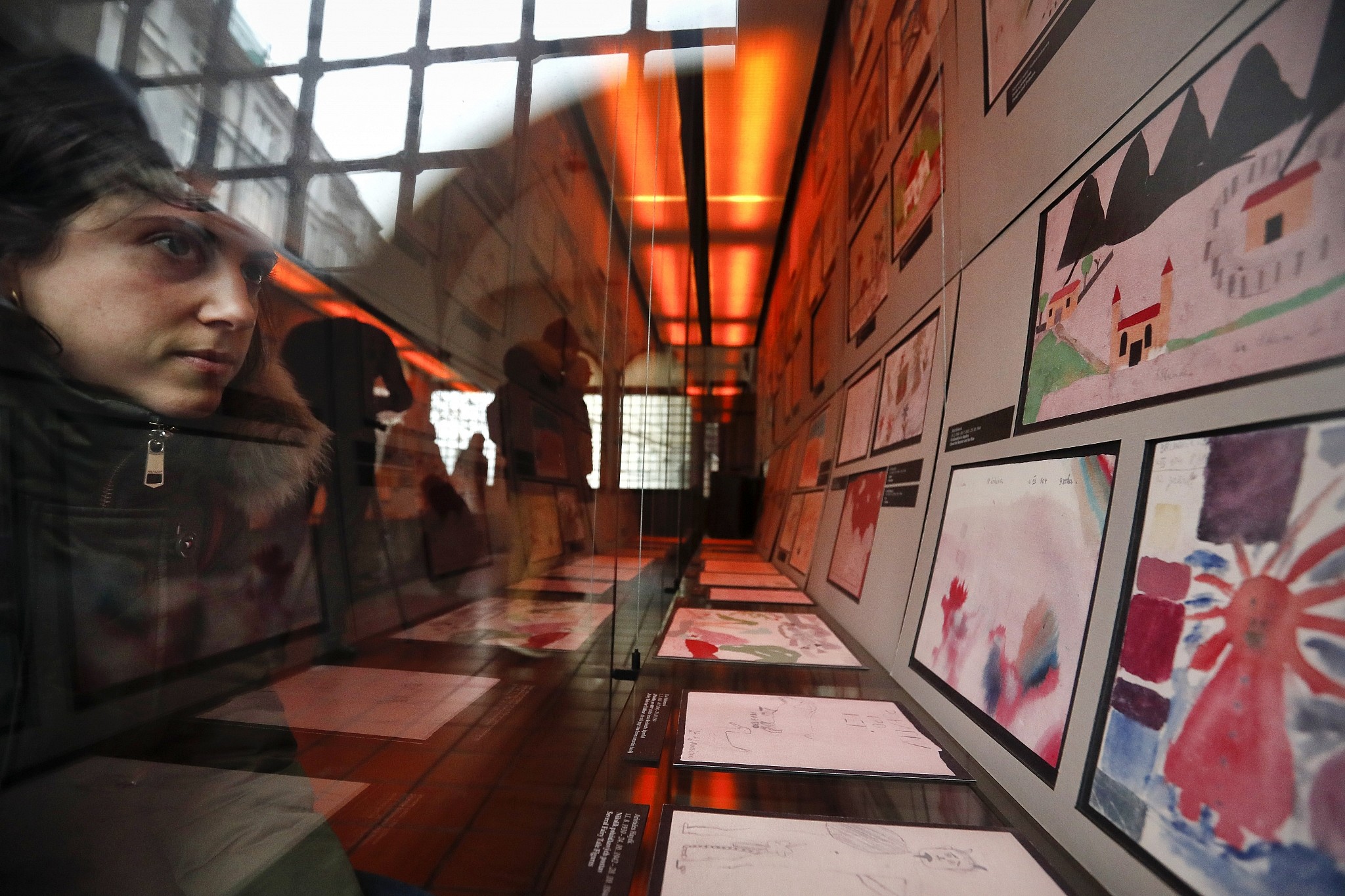
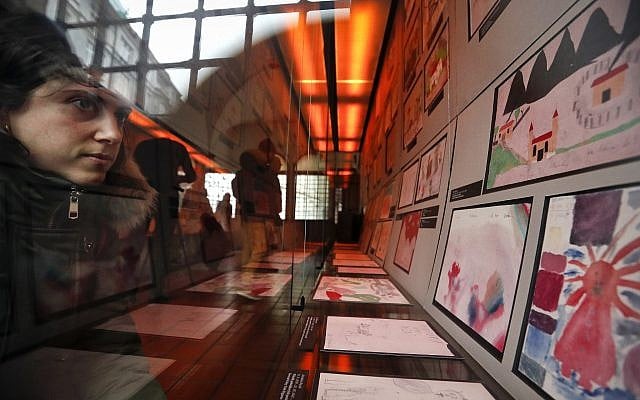
A visitor looks at the collection of drawings at the Jewish Museum in Prague, Czech Republic, Jan. 24, 2019, made by Jewish children who passed through the Terezin Ghetto during WWII (AP Photo/Petr David Josek)
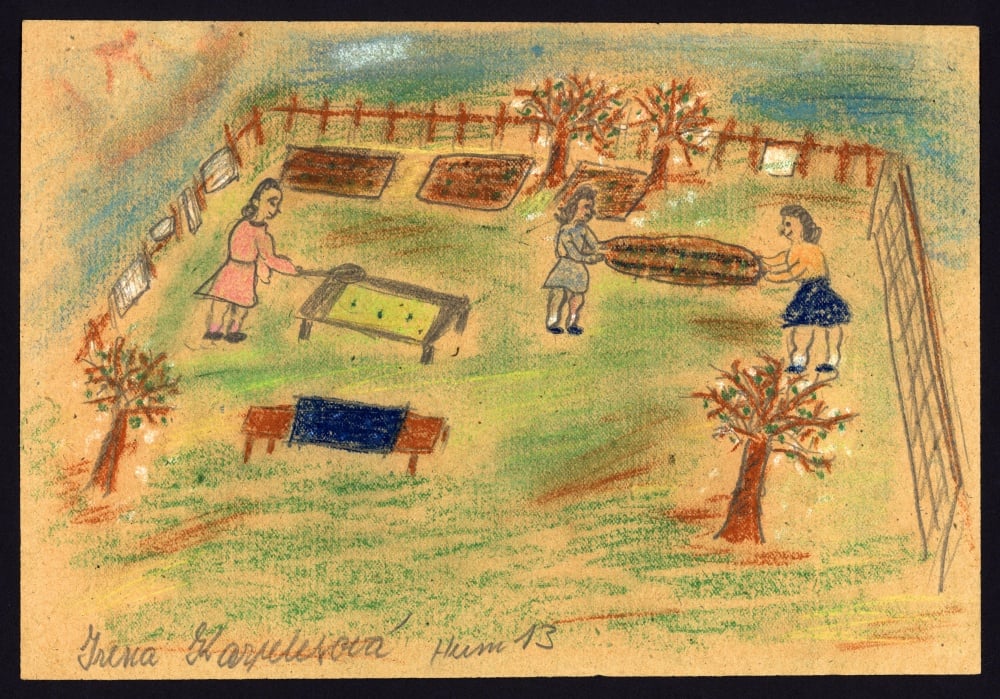
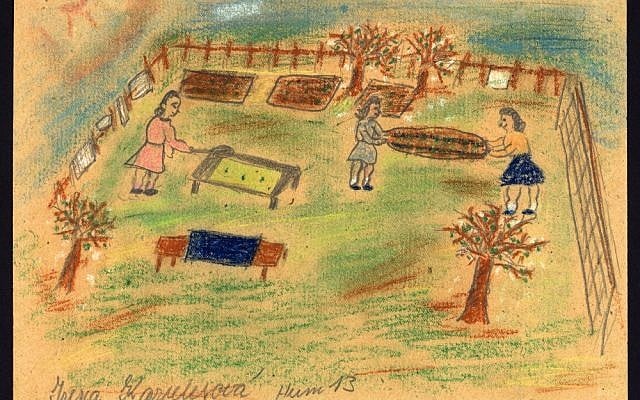
Airing mattresses in the garden by Irena Karplusová (1930-1944) created during the drawing classes in the Terezín Ghetto organized between 1943 and 1944 by the painter and teacher Friedl Dicker-Brandeis (Jewish Museum in Prague)
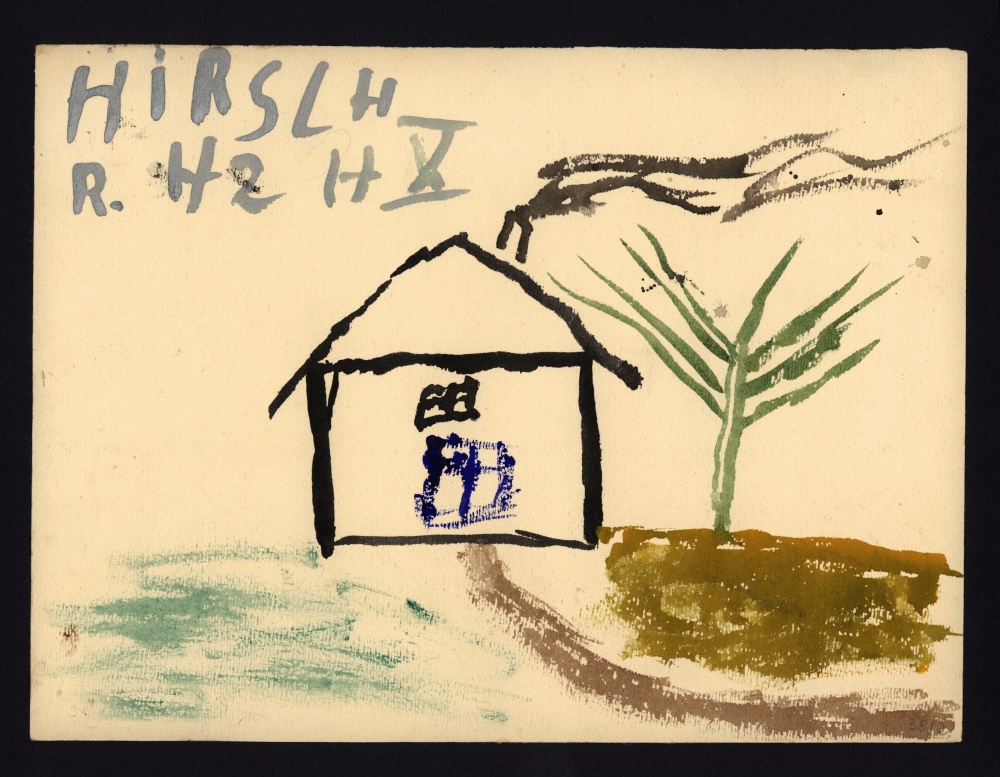
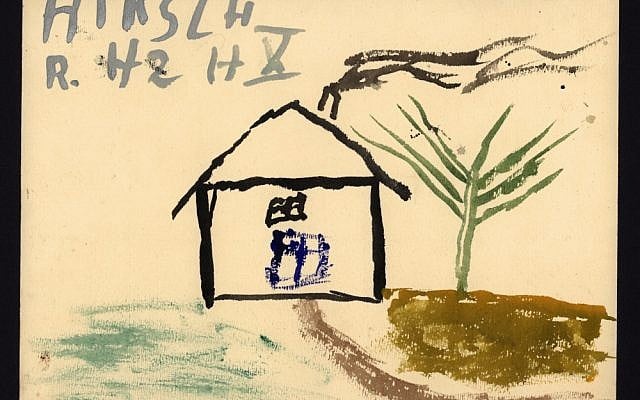
Drawing created by Robert Hirsch (1933-1944) during the drawing classes in the Terezín Ghetto organized between 1943 and 1944 by the painter and teacher Friedl Dicker-Brandeis (Jewish Museum in Prague)
A visitor looks at the collection of drawings at the Jewish Museum in Prague, Czech Republic, Jan. 24, 2019, made by Jewish children who passed through the Terezin Ghetto during WWII (AP Photo/Petr David Josek)
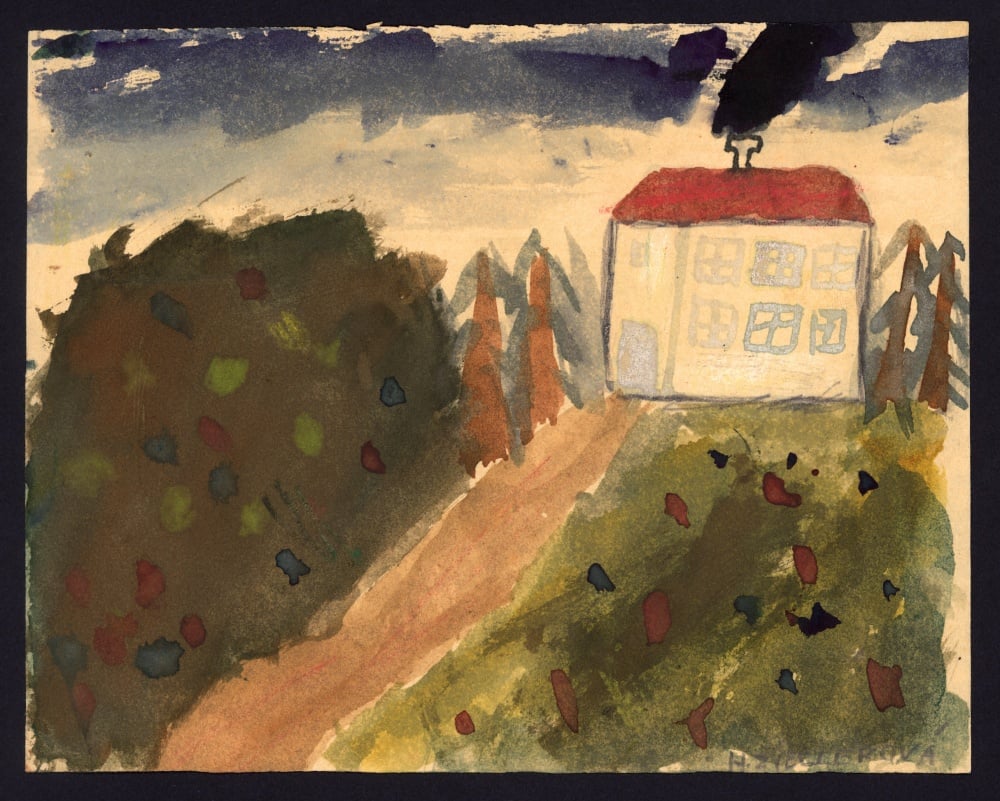
Drawing created by Hana Zieglerová (1933-1944) during the drawing classes in the Terezín Ghetto organized between 1943 and 1944 by the painter and teacher Friedl Dicker-Brandeis (Jewish Museum in Prague)
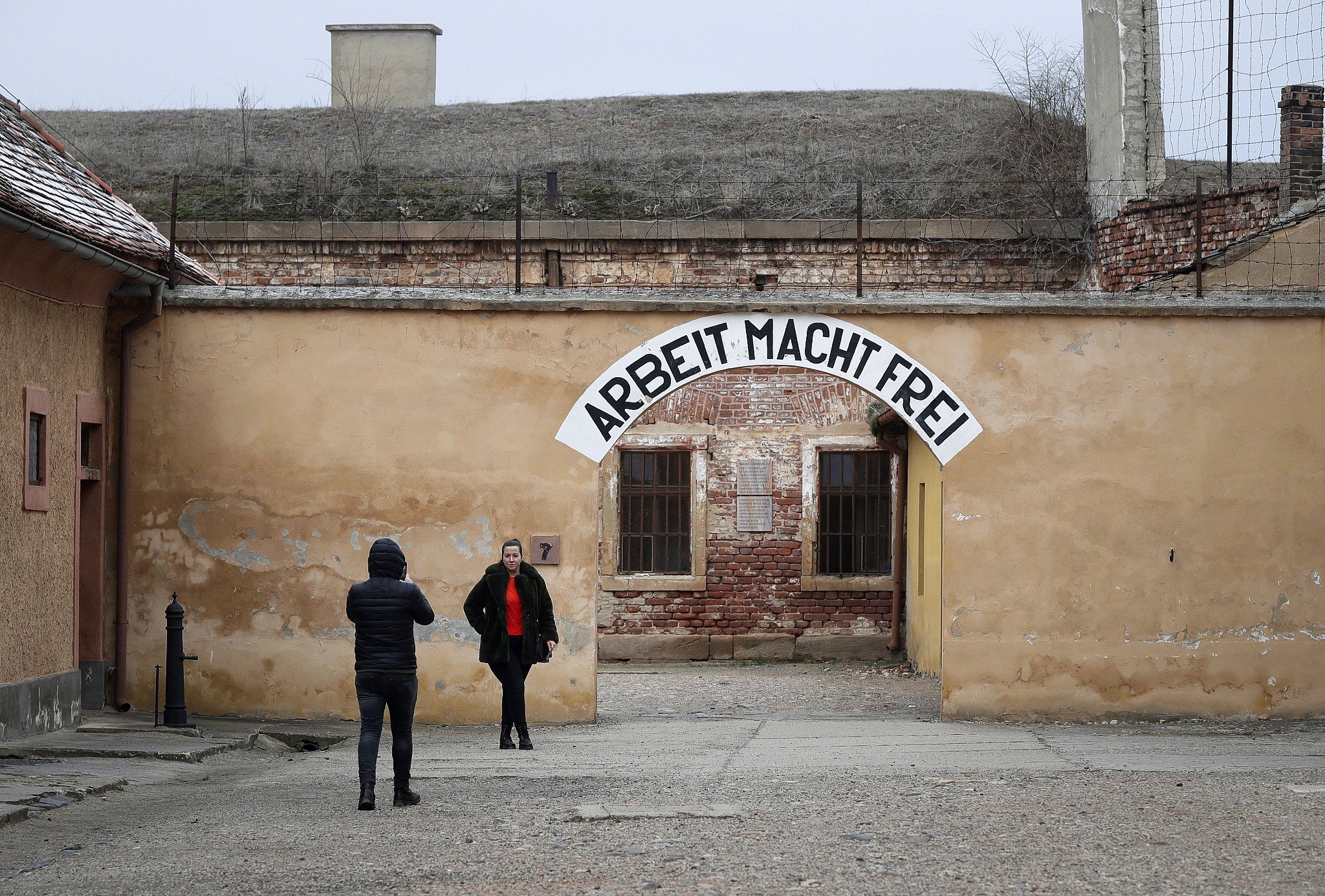
Visitors take photographs at the former Nazi concentration camp in Terezin, Czech Republic, Thursday, Jan. 24, 2019 (AP Photo/Petr David Josek)
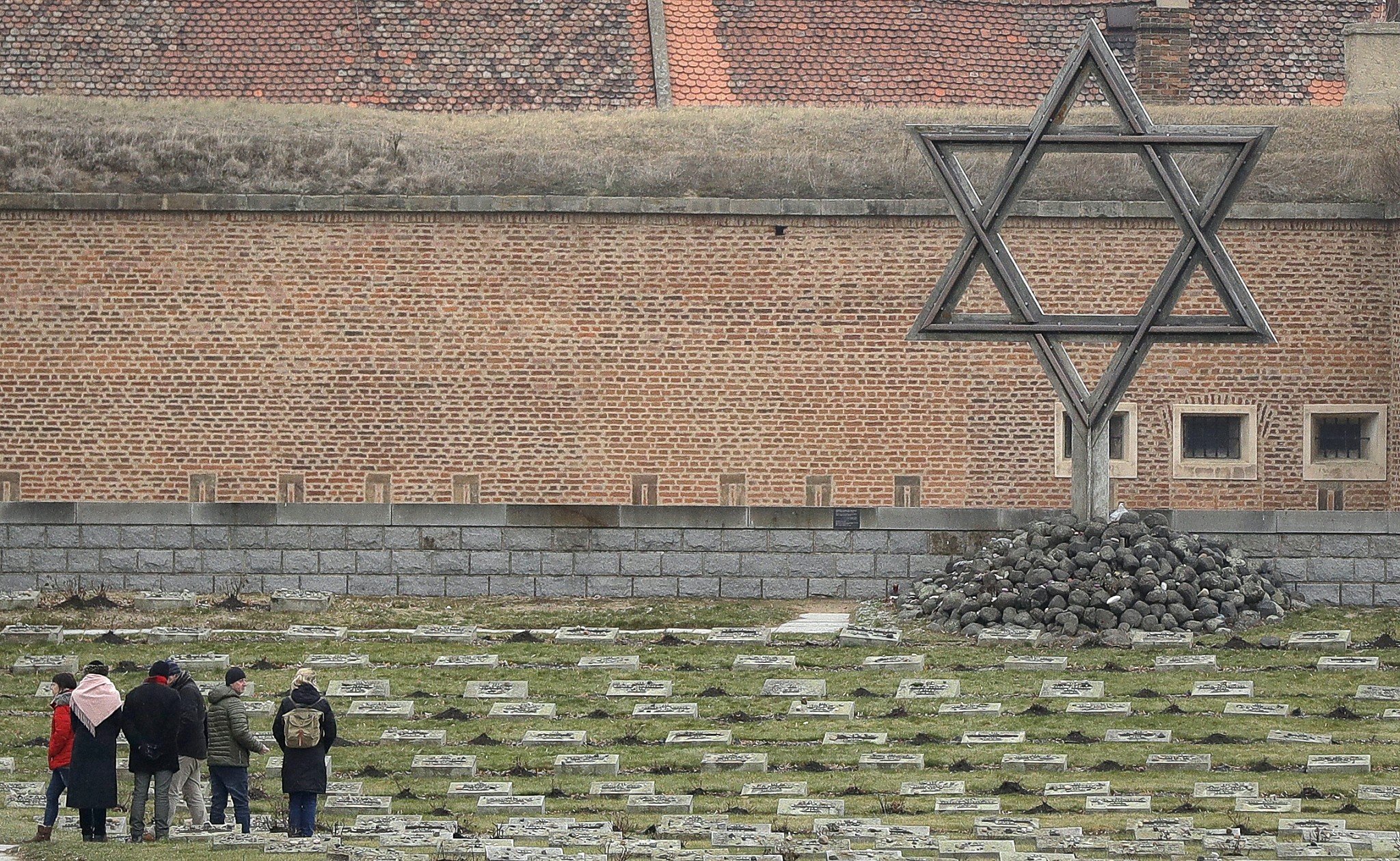
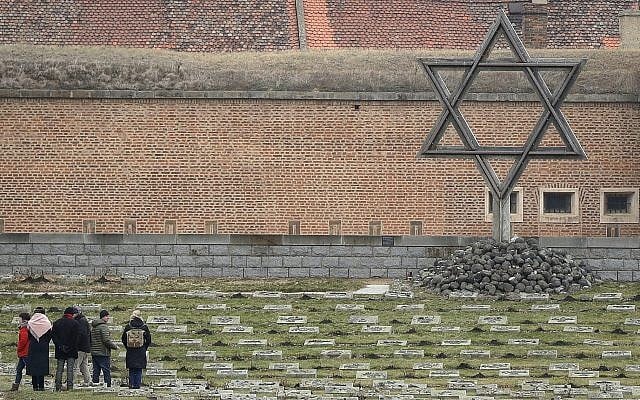
Visitors walk through the cemetery of the former Nazi concentration camp in Terezin, Czech Republic, Jan. 24, 2019 (AP Photo/Petr David Josek)
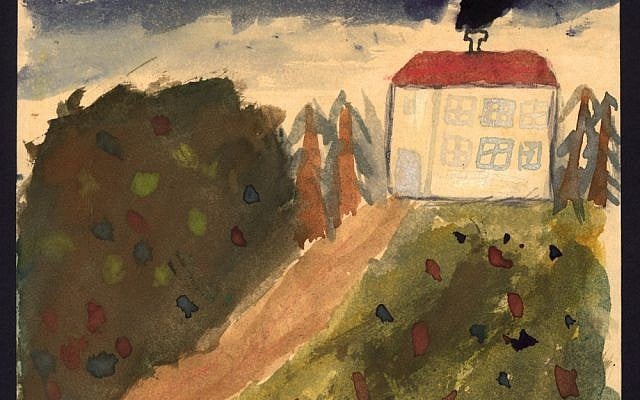
PRAGUE — A unique collection of some 4,500 drawings by children who were interned at the Theresienstadt concentration camp during the Holocaust still attracts attention, 75 years since their creation.
Amid brutal conditions at the ghetto, the children made them during secret art classes led by artist Friedl Dicker-Brandeis, mostly between 1943-44.
The drawings depict the everyday life as well hopes and dreams of returning home, helping the children cope with the cruel reality.
They survived thanks to Dicker-Brandeis, who hid them in two pieces of baggage in Theresienstadt before her deportation to a death camp.
A visitor looks at the collection of drawings at the Jewish Museum in Prague, Czech Republic, Jan. 24, 2019, made by Jewish children who passed through the Terezin Ghetto during WWII (AP Photo/Petr David Josek)
Drawing created by Hana Zieglerová (1933-1944) during the drawing classes in the Terezín Ghetto organized between 1943 and 1944 by the painter and teacher Friedl Dicker-Brandeis (Jewish Museum in Prague)
Visitor Alexandra Diffey from Britain said: “It’s very, very moving. It is interesting. I’ve been thinking as I was walking around because my father was in a concentration camp, so it sort of hits home how it was for the Jews. I just think young people should really come here and see for themselves and maybe learn something.”
Visitors walk through the cemetery of the former Nazi concentration camp in Terezin, Czech Republic, Jan. 24, 2019 (AP Photo/Petr David Josek)
An estimated 140,000 Jews were sent to Terezin and 33,430 died there. In total some 35,000 died in Theresienstadt, also known as Terezin, during the Nazi occupation of Czechoslovakia.
Airing mattresses in the garden by Irena Karplusová (1930-1944) during the drawing classes in the Terezín Ghetto organized between 1943 and 1944 by the painter and teacher Friedl Dicker-Brandeis (Jewish Museum in Prague)
Some 87,000 others were transported from Terezin to Auschwitz and other Nazi death camps, where most of them perished.
Advertisement
Drawing created by Robert Hirsch (1933-1944) during the drawing classes in the Terezín Ghetto organized between 1943 and 1944 by the painter and teacher Friedl Dicker-Brandeis (Jewish Museum in Prague)
Times of Israel staff contributed to this report.
Help us report truthfully on social media
As a multimedia journalist, my job is to take the quality, fact-based journalism produced by The Times of Israel newsroom and make it accessible across every platform — from Instagram posts to podcasts to short-form videos.
This is how many, especially young people, consume news these days. But misinformation is rampant on social media. Our team at ToI produces accurate, responsible short-form reporting on Israel and the Jewish world.
If you believe in the importance of factual social media journalism, please consider joining our reader support group, The Times of Israel Community. Your financial support is essential to sustain responsible multimedia reporting.
We’re really pleased that you’ve read X Times of Israel articles in the past month.
That’s why we started the Times of Israel - to provide discerning readers like you with must-read coverage of Israel and the Jewish world.
So now we have a request. Unlike other news outlets, we haven’t put up a paywall. But as the journalism we do is costly, we invite readers for whom The Times of Israel has become important to help support our work by joining The Times of Israel Community.
For as little as $6 a month you can help support our quality journalism while enjoying The Times of Israel AD-FREE, as well as accessing exclusive content available only to Times of Israel Community members.
Thank you, David Horovitz, Founding Editor of The Times of Israel


 Add ToI as a Preferred Source on Google