

EU set to list Iran’s Revolutionary Guards as terrorist group after protest crackdown
Top diplomat: Listing will put IRGC on same footing as Hamas, al-Qaeda, ISIS; ahead of vote blacklisting paramilitary body, bloc sanctions individuals including interior minister
 Add ToI as a Preferred Source on Google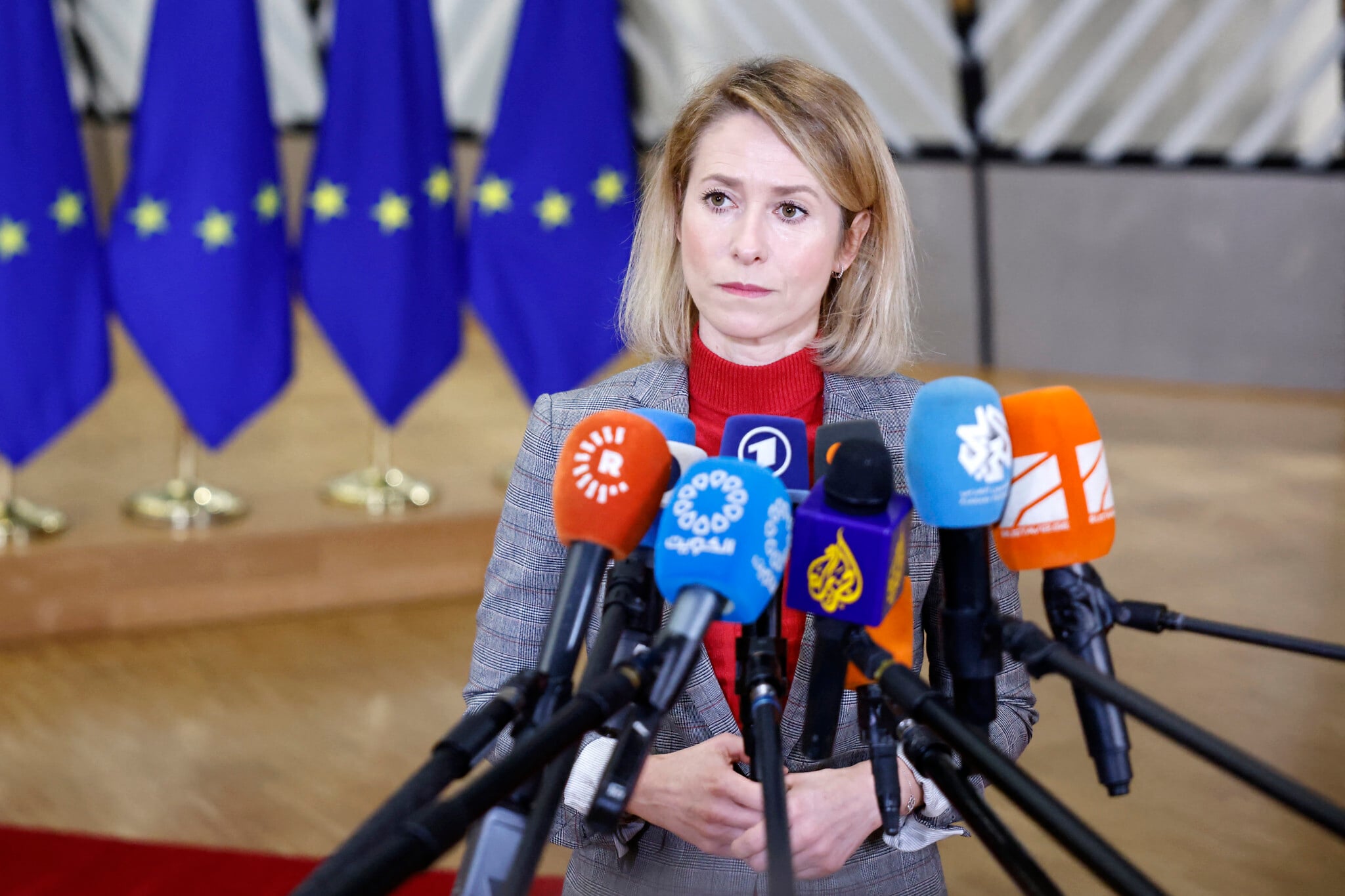
EU foreign ministers are expected to agree Thursday to put Iran’s Islamic Revolutionary Guard Corps on the bloc’s “terrorist list” after a deadly crackdown on mass protests, the EU’s foreign policy chief said.
“If you act as a terrorist, you should also be treated as terrorists,” top diplomat Kaja Kallas told journalists ahead of the ministers’ meeting in Brussels, saying it was “likely” that sanctions would be put in place.
“This will put them on the same footing with al-Qaeda, Hamas, Daesh,” Kallas said, using the Arabic acronym for the Islamic State group.
The symbolic move from the EU will send a strong message of condemnation to Iran after thousands were reported killed during the protests that rocked the country.
Ahead of the vote on sanctioning the entire IRGC, the 27-nation bloc approved visa bans and asset freezes on 21 state entities and Iranian officials — including the country’s interior minister — over the brutal repression.
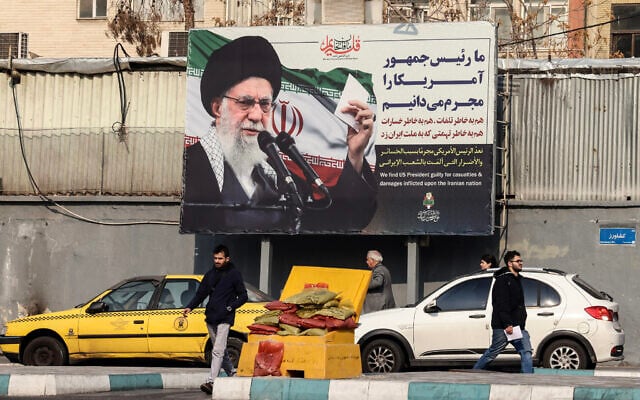
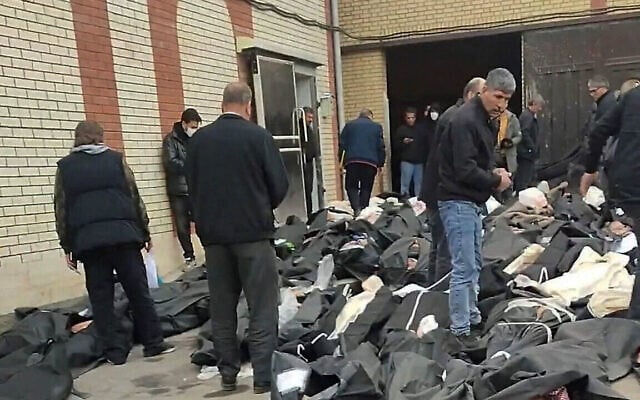
Iranian authorities acknowledge that thousands were killed during the protests, giving a toll of over 3,000 people, but say the majority were members of the security forces or bystanders killed by “rioters.” Rights groups and media reports dispute this, saying the toll is far higher and potentially in the tens of thousands, and noting that protesters were killed by security forces including the IRGC directly firing upon them.
U-turn from France, Italy
“The estimate is that still the diplomatic channels will remain open even after the listing of the Revolutionary Guards,” Kallas said.
The expected greenlight for blacklisting the IRGC came after France announced Wednesday it was backing the move, following a similar shift from Italy.
Paris had previously been widely seen as reluctant to brand the IRGC as a terror group due to fears over the impact on Europeans detained in the country and a wish to keep diplomatic ties open.
“There can be no impunity for the crimes committed,” French Foreign Minister Jean-Noel Barrot told reporters on arrival in Brussels.
“This decision is also an appeal by France to the Iranian authorities to release the prisoners thrown by thousands into the regime’s prisons, to end the executions that are perpetuating the most violent repression in Iran’s modern history,” he said.
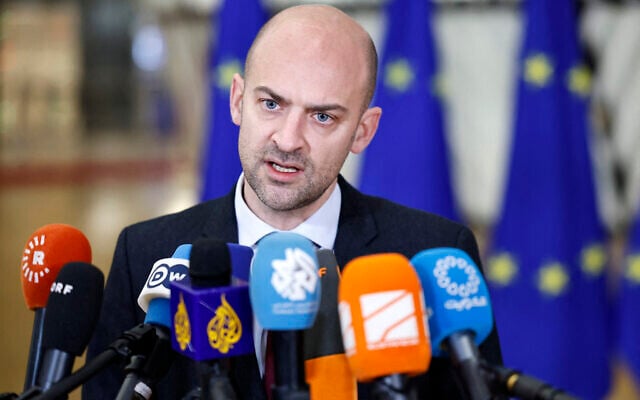
Barrot urged Tehran to end an internet blackout and “give back to the Iranian people the capacity to choose their own future.”
The EU has already sanctioned several hundred Iranian officials and entities over crackdowns on previous protest movements and over Tehran’s support for Russia’s war on Ukraine.
The IRGC as a whole and senior commanders are already under EU sanctions, meaning that a move to add them to the terror blacklist is expected to have little practical impact on the organization.
IRGC was key to crackdown
The Guards were born from Iran’s 1979 Islamic Revolution as a force meant to protect its Shiite cleric-overseen government and later enshrined in its constitution. It operated parallel to the country’s regular armed forces, growing in prominence and power during a long and ruinous war with Iraq in the 1980s. Though it faced possible disbandment after the war, Supreme Leader Ayatollah Ali Khamenei granted it powers to expand into private enterprise, allowing it to thrive.
The Guards’ all-volunteer Basij force likely was key in putting down the demonstrations, starting in earnest from January 8, when authorities cut off the global internet for the nation of 85 million people. Videos that have emerged from Iran via Starlink satellite dishes and other means show men likely belonging to its forces shooting and beating protesters.
Sanctioning the Guards, however, would be complicated. Iranian men once reaching the age of 18 are required to do as much as two years of military service and many find themselves conscripted into the Guards despite their own politics.
Death toll slowly rises
On Wednesday, the US-based Human Rights Activists News Agency, which has been accurate in multiple rounds of unrest in Iran, said the violence killed at least 6,373 people, with many more feared dead. Its count included at least 5,993 protesters, 214 government-affiliated forces, 113 children and 53 civilians who weren’t demonstrating. More than 42,450 have been arrested, it added.
The group verifies each death and arrest with a network of activists on the ground in Iran. The Associated Press has been unable to independently assess the death toll, given that authorities cut off the internet and disrupted calls into the Islamic Republic. That communications cutoff has slowed the full scale of the crackdown from being revealed.
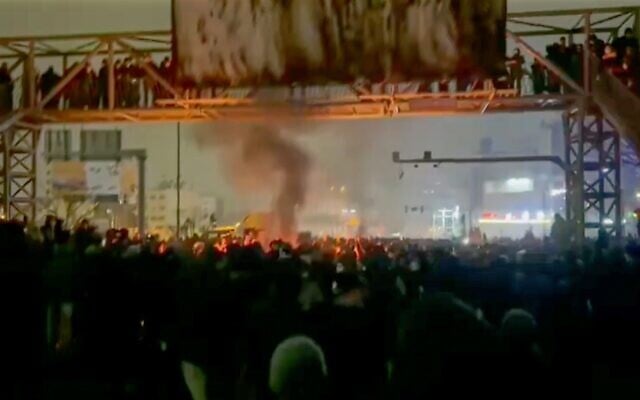
Opposition-affiliated Iranian news site Iran International reported that over 36,000 people were killed by the regime during protests earlier this month, numbers similar to those reported by Time magazine. Both cited internal regime figures.



The Times of Israel Community.