

Israel holds its breath as Eurovision carnival hits its peak at Saturday finals
This year’s Portugal contest, where Israel’s Netta Barzilai is considered a favorite, also includes a peaceful Danish Viking and an Estonian soprano in a giant dress
 Add ToI as a Preferred Source on Google


LISBON, Portugal (AFP) — A peaceful Danish Viking, an Estonian soprano in a giant dress and a gay-themed dance will be on display at Saturday’s Eurovision final in Portugal, which is toning down the frills at the annual song contest.
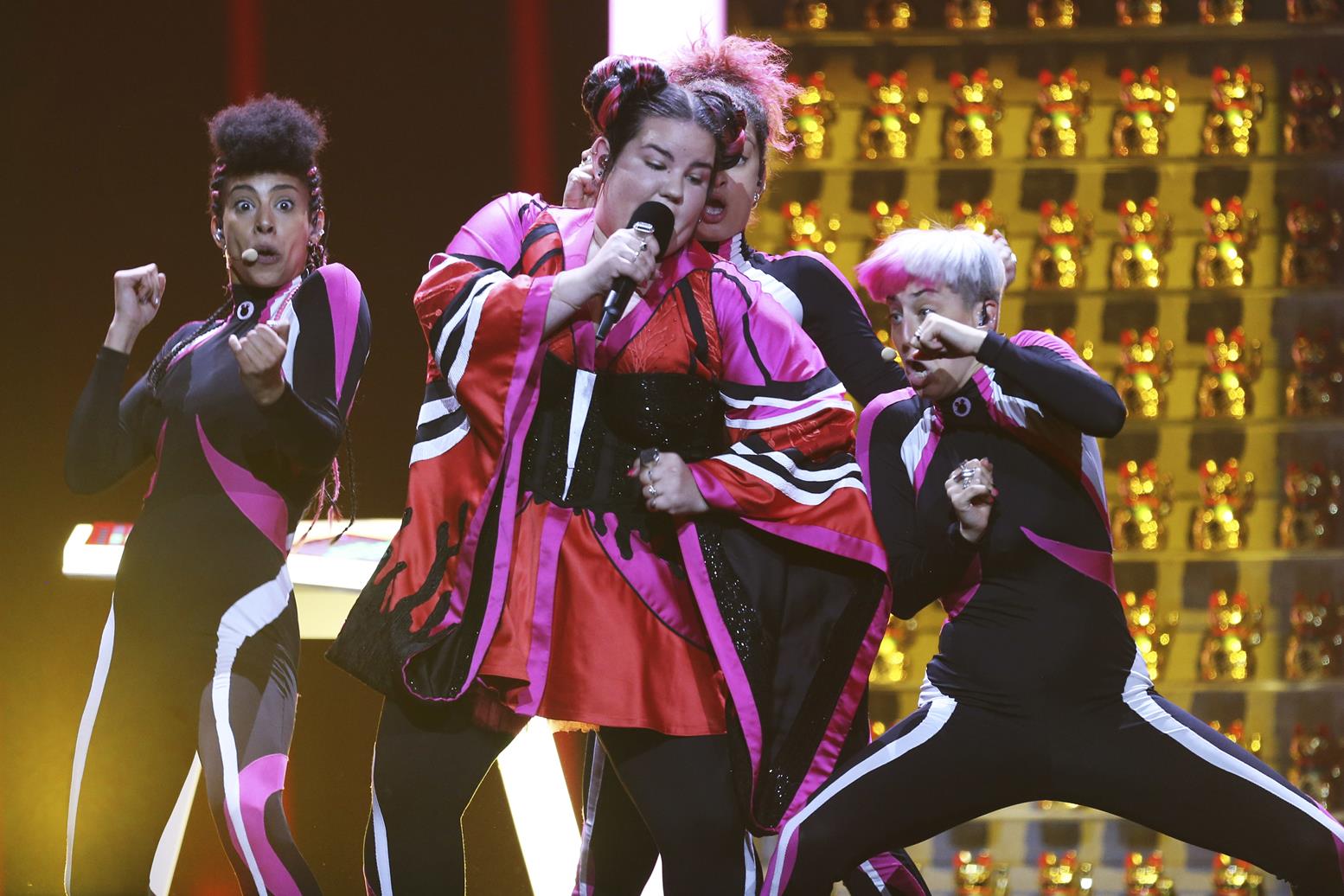
Favorites include Cyprus’ fiery song “Fuego” by Eleni Foureira and Israeli singer Netta Barzilai’s “Toy,” whose lyrics “I am not your toy” sum up the concerns of many women who have adopted the #MeToo movement against sexual harassment.
The 25-year-old accompanies the uptempo song with trills, clucking sounds and chicken-like dance moves.
The final gets under way at 8:00 p.m. (1900 GMT) at Lisbon’s riverside Altice Arena, Portugal’s largest entertainment venue.
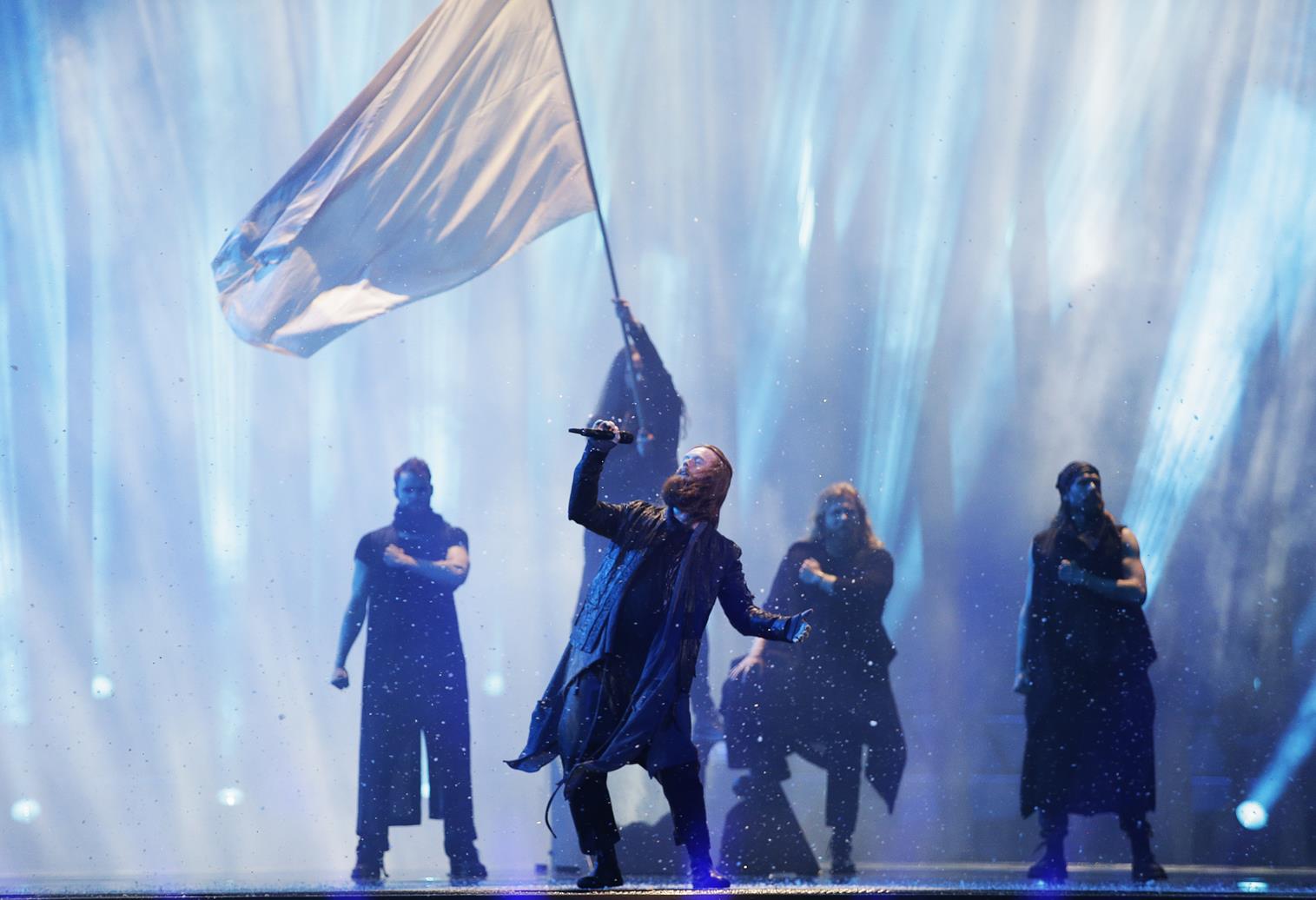
Highlights will undoubtedly include Denmark’s red-bearded Rasmussen, whose song is based on a legend about a Viking who refused to fight, and a special dress worn by Estonian soprano Elina Nechayeva which flows down from her waist, beyond her feet and out across the stage.
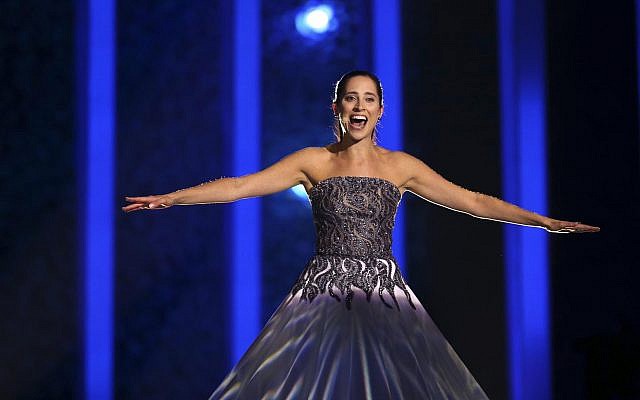
The dress comes to life with lightening displays and laser effects while she sings.
China ban
Eurovision was first held in 1956 with the aim of uniting Europe after World War II.
Today it has a combined global audience of around 200 million people — more than the Super Bowl in the United States — and has served as a global launching pad for the likes of ABBA and Celine Dion.
This year’s final won’t be seen in China though.
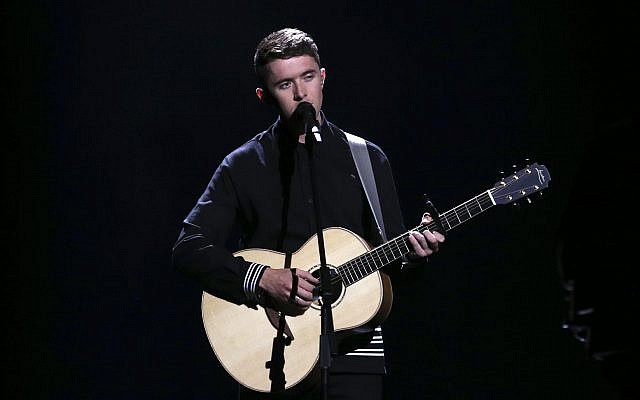
The European Broadcast Union has barred a Chinese video service, Mango TV, from airing the event after it edited out a romantic dance sequence by two men from Ireland’s entry in the first semi-final on Tuesday, and blurred out rainbow flags in the audience.
Ireland made it to Saturday’s final.
Despite an ever-increasing number of TV music contests such as Pop Idol, fans say the show — the longest-running international TV competition according to Guinness World Records — is in a category of its own.
“I like the mix of flags, and the singing in the local languages and the mix of people,” Lorenzo Formento, a 40-year-old Italian logistics manager who lives in Madrid and came to Lisbon for the final, told AFP.
“I think it is very cheerful, it is more about this than the songs. Everyone knows the songs are not that good.”
‘Can’t sleep’
Portugal is hosting the event for the first time after its entry, jazzy solo ballad “Amar pelos dois” (“Love for two”) by Salvador Sobral, won the contest last year in Ukraine.
Cash-strapped public broadcaster RTP has vowed to stage a more “theatrical” contest that makes less use of flashy electronic visual effects, following in the footsteps of Sobral who said after his win that “music is not fireworks, music is feeling.”
This year’s contest will cost around 20 million euros ($24 million) to stage, the lowest amount since 2008 when it started to have two semi-finals.
Sobral will perform his winning song from last year at the final with his idol, Brazilian music icon Caetano Veloso.
It will be the first time that he hits the stage since he underwent a heart transplant in December.

“I think I will faint. Before I never get nervous and now I can’t sleep. It’s surreal,” he said in an interview published Wednesday in Portuguese daily Publico.
After two semi-finals held this week, 20 countries moved to Saturday’s final while Britain, Italy, Spain, France and Germany got free passes as they are the biggest contributors to the European Broadcasting Union.
Host Portugal also automatically qualified.
Viewers and professional juries in all 43 participating countries will pick the winner, with the televoting and juries each representing 50 percent of the outcome.




The Times of Israel Community.