

Father and son shot dead, electrician killed hours later as Arabs reel from crime wave
Mayor laments ‘shocking’ double homicide on Umm al-Fahm’s outskirts before man from Tamra killed in unrelated shooting, taking this year’s death toll in Arab society to 51
 Add ToI as a Preferred Source on Google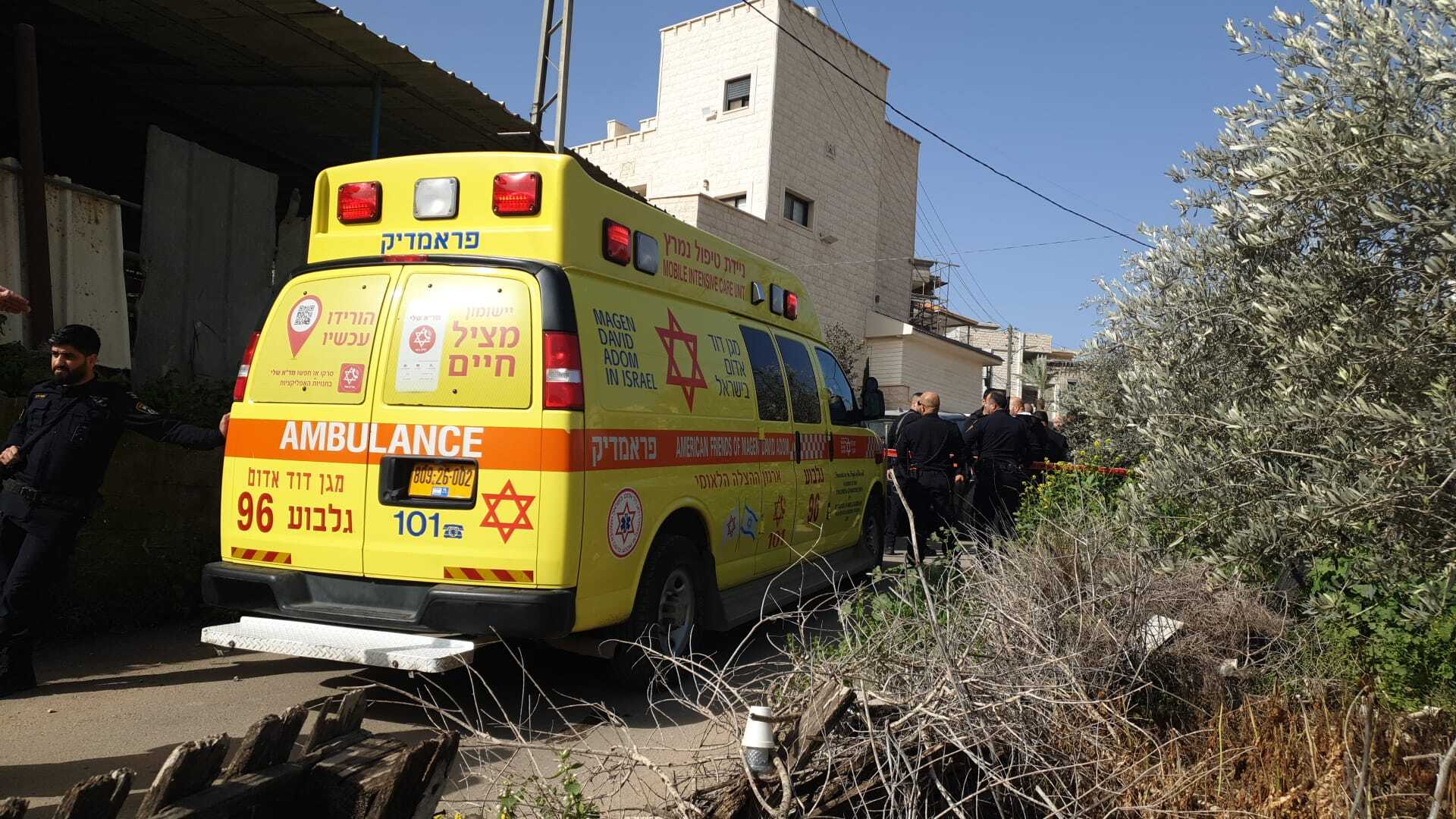
A father and son were shot to death Monday morning while driving in Umm al-Fahm as violent crime continued at an unprecedented rate in Arab society.
The victims of the double homicide were identified as Ahmad Fares Abu Ghazaleh, a 46-year-old electrical engineer, and his 22-year-old son Abdelqader, a nurse.
At around 9 a.m., paramedics received a report of the shooting and arrived at the scene to find both victims without vital signs. They were pronounced dead on the spot.
The pair’s car had flipped over as a result of the shooting, trapping one of the victims in the vehicle, Ynet reported. The car’s windshield was found partially shattered, with 17 bullet holes.
Later, police located a burnt-out car on the outskirts of the city, in a wooded area close to the al-Arayish neighborhood, abutting a nearby highway. Law enforcement suspected that the scorched vehicle belonged to the criminals and was set alight after the homicide.
Police announced that launched an investigation and were searching for the perpetrators. No suspects were immediately arrested.
Umm al-Fahm’s mayor, Samir Mahamid, called the killing “shocking.”
“We’re talking about a father, an electrical engineer, and his son, a registered nurse, both normal, law-abiding citizens,” he told The Times of Israel. “We all need to take responsibility, both the government and police, but also us as Arab citizens.”
Scene of a shooting in Umm al-Fahm this morning which claimed the lives of Ahmad (46) and Abdelqader (22) Abu Ghazaleh, father and son.
Victims' car windshield was found riddled with bullet holes. Nearby, police found a burnt-out car, reportedly belonging to the assailants pic.twitter.com/6VfRm2ADXQ— charlie summers (@cbsu03) February 16, 2026
Hours after the double homicide in Umm al-Fahm, 60-year-old electrician Jamil Mahmoud Diab was shot and killed in Tamra, an Arab city in northern Israel.
According to a city resident who knew the victim, Diab was killed in an act of revenge after his two sons were implicated in the lethal shooting of a 55-year-old woman a week prior.
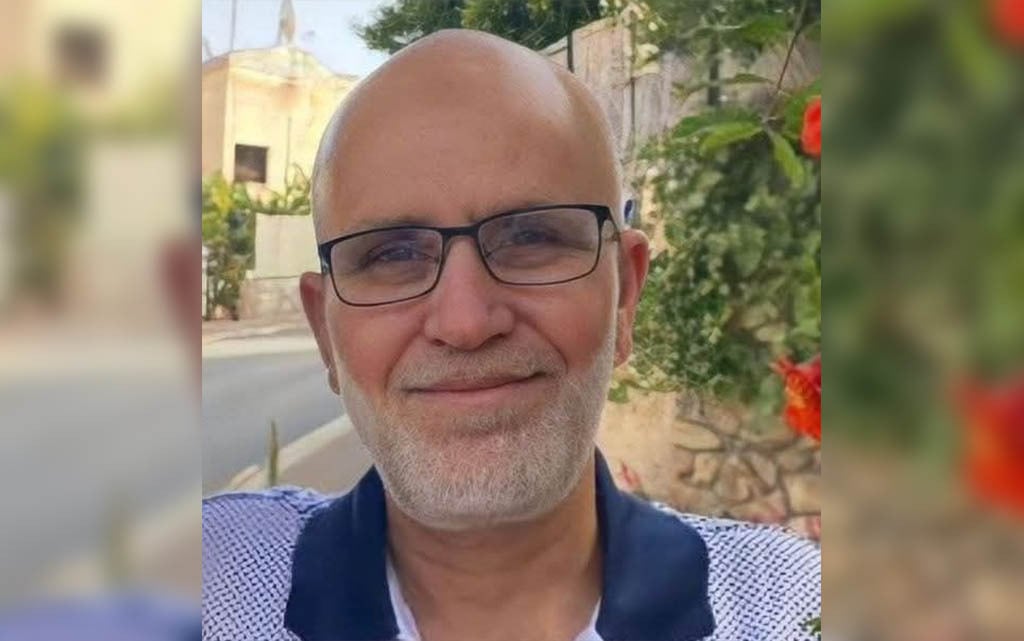
The slain woman, Wafa Awad, was killed in a shooting linked to organized crime, not a blood feud, but tensions are now running high between the Awad and Diab families in the wake of the internecine bloodshed.
The killings bring this year’s number of Arab homicide victims up to 51 within just two months. The soaring death toll follows the deadliest year on record for Arab Israelis, in which 252 were killed in crime-related incidents over the course of 2025.
If homicides continue at their current pace, 2026 stands to be much deadlier for Israel’s Arab minority than the preceding year.
Arab citizens ‘in the backyard’
The spiraling homicide rate in Arab society, which is largely fueled by mafia-style organized crime, has recently been the focus of escalating protests.
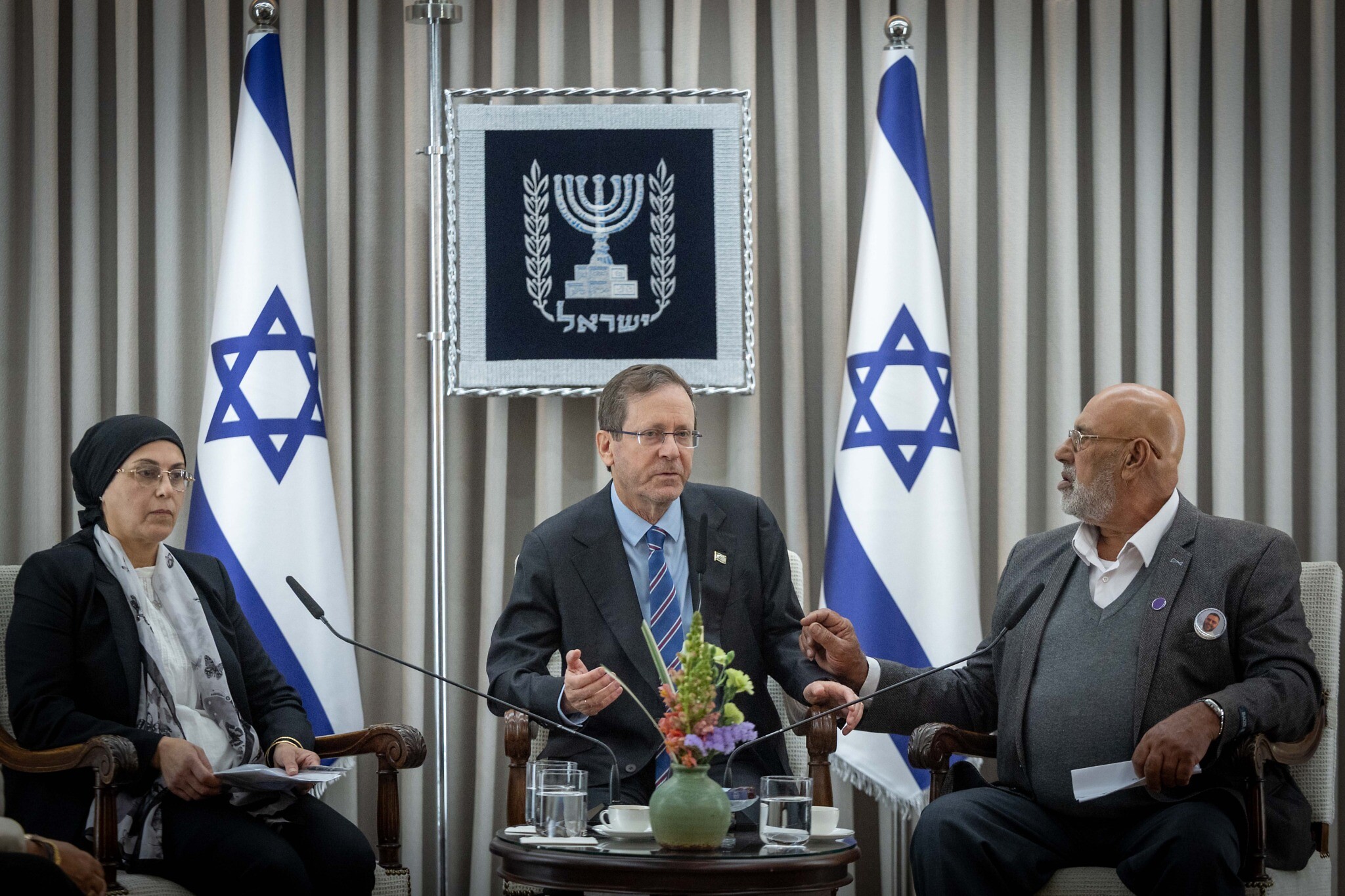
On Sunday, relatives of Arab homicide victims met with President Isaac Herzog, who noted that there has been a “very large awakening” over the issue of violent crime in the past month.
Sitting next to the president, Qasem Awad, whose son Abdallah was shot dead while at work in February 2025, lamented that Arab citizens are “in the backyard, the police and the current government threw us into the backyard.”
The families presented a list of demands to Herzog and urged him to secure them a meeting with Prime Minister Benjamin Netanyahu over the issue.
The first among their demands was the sacking of far-right National Security Minister Itamar Ben Gvir, whose tenure has seen a twofold rise in Arab community homicides.
The families also called for a consistent police presence in Arab towns, with officers who are trained to ensure Arab citizens’ safety, as well as regular communication between law enforcement and local officials.
At the same time, the relatives demanded an end to highly militarized police raids, in which special forces enter and sometimes cordon off entire towns for a period of time, and then leave the area again without any law enforcement activities.








The Times of Israel Community.