

Father of Israeli IS suspect rejects ‘inconceivable’ accusations
Amir Jabara among 3 men from northern town of Tayibe indicted for attempted arson, trying to dig tunnel to West Bank
 Add ToI as a Preferred Source on Google
Judah Ari Gross is The Times of Israel's religions and Diaspora affairs correspondent.
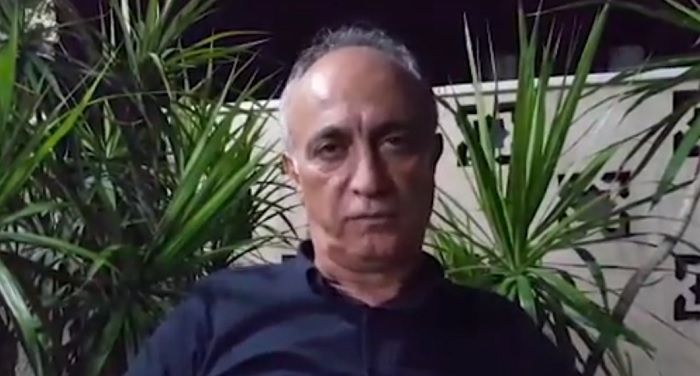
The father of one of three Arab Israelis accused of working for the Islamic State terror group rejected the charges Friday, saying it was impossible that his son was involved in such activities.
Amir Abdel Hakim Jabar, 20, was indicted Thursday along with 26-year-old Ibrahim Abdel Halim Sheikh Yusuf and Muhammad Tamim Nashaf, 32, for carrying out an arson attack in the name of Islamic State and attempting to dig a smuggling tunnel to the West Bank, officials said.
According to the Shin Bet security service, the three men pledged allegiance to the terrorist group in May after studying its ideology. All three live in the northern Israeli city of Tayibe (not to be confused with the West Bank city Taybeh).
But Jabara’s father Hakim told the Ynet news website on Friday that such charges were inconceivable.
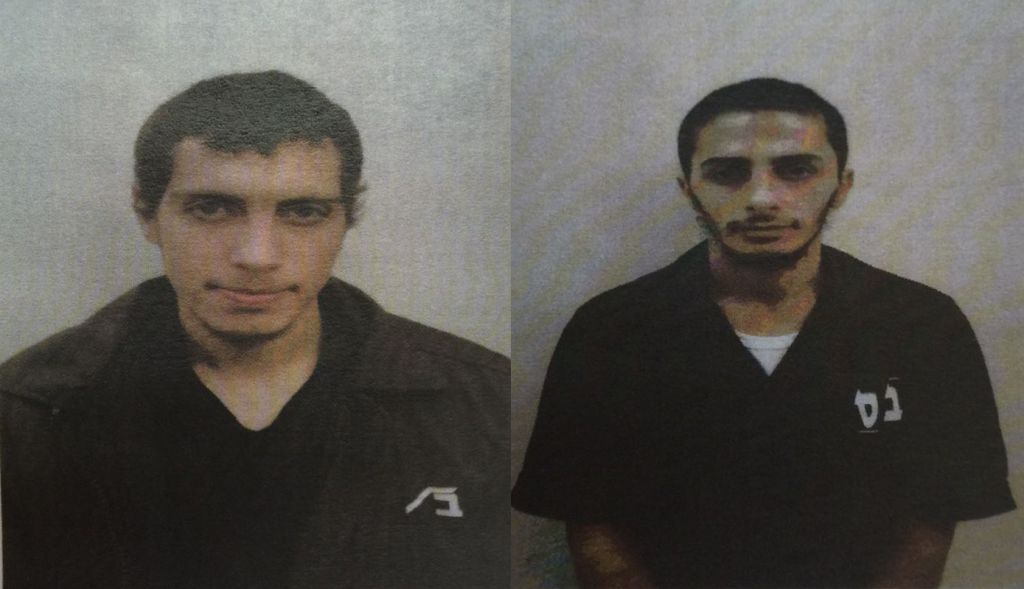
According to the Shin Bet, Jabara attempted to join the Islamic State by traveling through Turkey to reach Syria in April 2016, but was stopped at the shared border by local police. The Shin Bet said both they and the police interrogated Jabara when he returned to Israel, but was ultimately released.
“Since he returned from Turkey, he has worked all the time at the industrial area in Tayibe and returned home in the evening,” Jabara’s father told Ynet. “To accuse him of belonging to Islamic State is not only delusional, but inconceivable. It never happened.”
Hakim Jabara also cast doubt on the allegations that his son was trying to dig a tunnel into the West Bank, questioning whether it was even feasible.
“I was very surprised at the [accusation] that he was involved in an attempt to dig a tunnel from Tayibe. I didn’t just laugh — I couldn’t believe it,” the father said. “He couldn’t do it. It is hard to believe accusations of this kind. From a geographic perspective it is impossible, even if you use all the [right] equipment — you can not dig a tunnel.”
He added: “I demand justice. My son denies everything, and unfortunately they are destroying his future. I believe that ultimately he will be is released as he is clean and straight, and simply unwilling to hurt others. He is law-abiding. If he supported IS he could have joined them when traveling abroad, but he chose to return to Israel.”
All three suspects were arrested on September 14, three days after they tried to set fire to a soccer stadium in Tayibe where Arab Israeli singer Haitham Khalayleh was scheduled to perform, the Shin Bet said.
The trio said they committed the arson as the concert was scheduled for September 11 at the start of the Muslim Eid al-Adha holiday, which they found offensive to their religion, according to the indictment.

The group failed to burn down the stadium, but set fire to a control panel and to some chairs around the stage, causing NIS 78,000 ($20,000) worth of damage, the charge sheet said.
When their arson failed to prevent the concert, Nashaf, 32, tried to get the performance canceled with a fake bomb scare, calling police and warning them of an explosive device in the stadium, the indictment said.
This too failed, and the performance took place as scheduled.
[mappress mapid=”5926″]
Nearly a year before the arson attack, the group tried to dig a tunnel between Tayibe and the nearby Palestinian city of Tulkarem, just across the security fence, the Shin Bet said.
Through the tunnel, which they began digging in October 2015, the three men allegedly hoped to smuggle weapons into Israel for attacks.
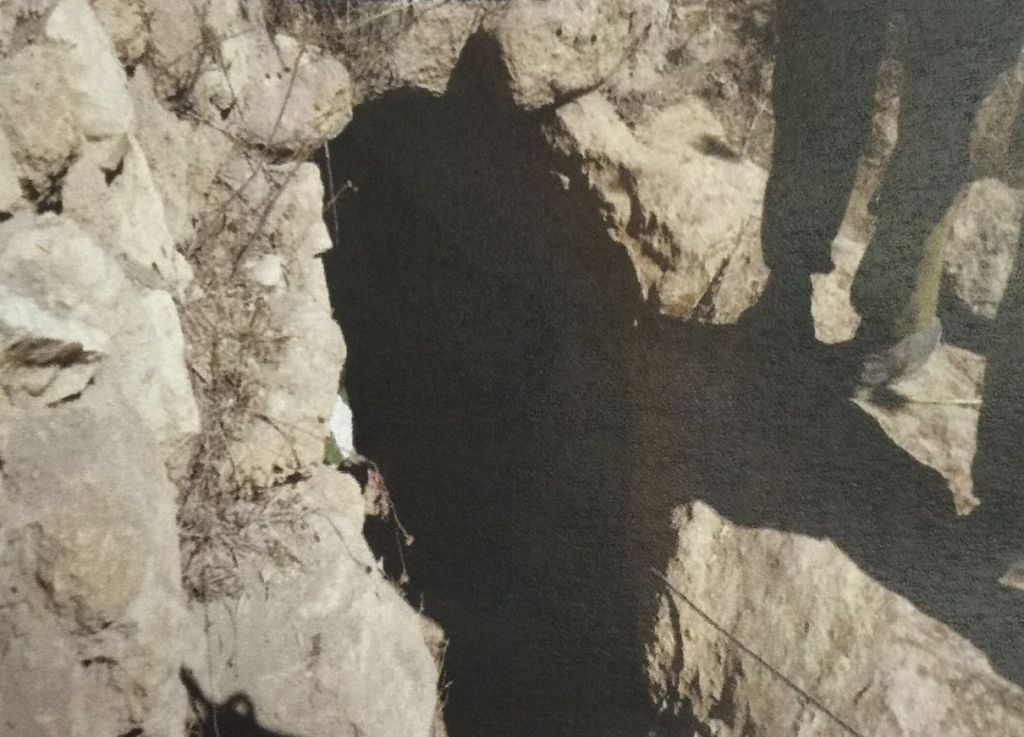
The suspects told interrogators those weapons would be used on “judgment day” when they would have to fight the “infidels,” the Shin Bet said.
However, there was no indication in the indictment filed against them that the men had made any attempts to purchase such weaponry.
The three men “only managed to dig a few meters and they did not cross the security fence,” the Shin Bet said.
The tunnel began in a cave discovered by one of the cell members and measured four meters (13 feet). The project was abandoned a few weeks after it began, according to the indictment.
After the men were arrested, the tunnel and a hole where they planned to keep weapons were discovered and searched by the Israel Defense Forces, the Shin Bet said.
The three men were indicted in the Central District Court in Lod on a litany of charges, including arson and belonging to a terrorist organization.
Yusuf was also charged with illegally creating a weapon for a pipe bomb he constructed in 2013, according to the indictment.





The Times of Israel Community.