

French FM: Paris will support UN sanctions relief only after ‘major concessions’ by Iran
Huckabee asks if ‘France gets all its info from Hezbollah’ after Barrot demands IDF halt Lebanon attacks; Iranian dissidents say Paris rally banned after Barrot spoke with Iranian counterpart, he denies allegation
 Add ToI as a Preferred Source on Google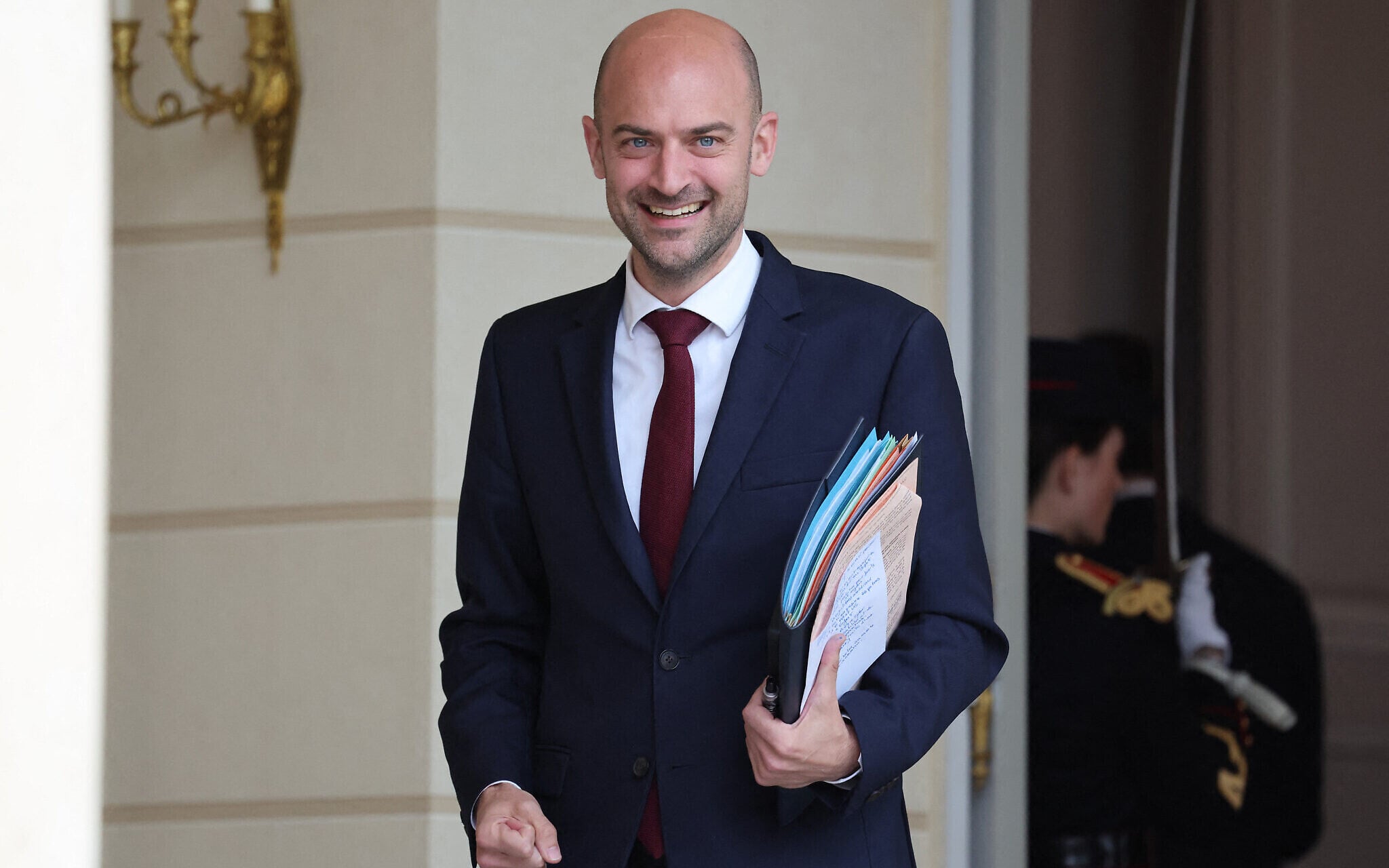
French Foreign Minister Jean-Noel Barrot said Friday that Paris would approve UN sanctions relief for Iran only if it is satisfied with the final US-Iran agreement.
He is the latest senior official to express concern over the US-Iran memorandum of understanding, which has drawn criticism from a range of voices in the US and beyond, including in Israel.
But Barrot also drew a rebuke on Friday from US Ambassador to Israel Mike Huckabee for saying Israel should cease hostilities in Lebanon, after four Israeli soldiers were killed by the Iran-backed Hezbollah terror group in the country’s south overnight. Iran is also demanding that Israel halt its fire and withdraw from Lebanon.
Speaking to broadcaster FranceInfo on Friday, Barrot said France wants to play a role in the nuclear talks with Iran as outlined by the MOU that Tehran and Washington agreed to this week, which kicks off 60 days of negotiations between the sides.
The MOU says the final agreement will be “endorsed by a binding UNSC resolution.” It also provides for hundreds of billions of dollars in economic relief for Iran, despite not mandating any concrete concession from the Islamic Republic on its nuclear program.
Barrot, whose country holds veto power on the United Nations Security Council, said there would be no stability in the region unless US talks with Iran also dealt with Iran’s support for terrorist proxies, as well as its ballistic missile program. Neither of those issues is addressed in the MOU.
“The return for major concessions that will be asked of Iran is the lifting of sanctions, sanctions that were taken at the United Nations,” he said.
“France is a permanent member of the United Nations [Security Council] so as was the case 10 years ago, France will have to give its approval for the sanctions to be lifted,” he added, alluding to former US president Barack Obama’s Iran nuclear deal, signed by France and several other countries in 2015.
When the 2015 deal reached the decade point last year, its remaining Western parties — France, Germany and Britain — triggered the reimposition of a UN arms embargo and other sanctions on Iran, accusing the Islamic Republic of having failed to abide by the agreement.
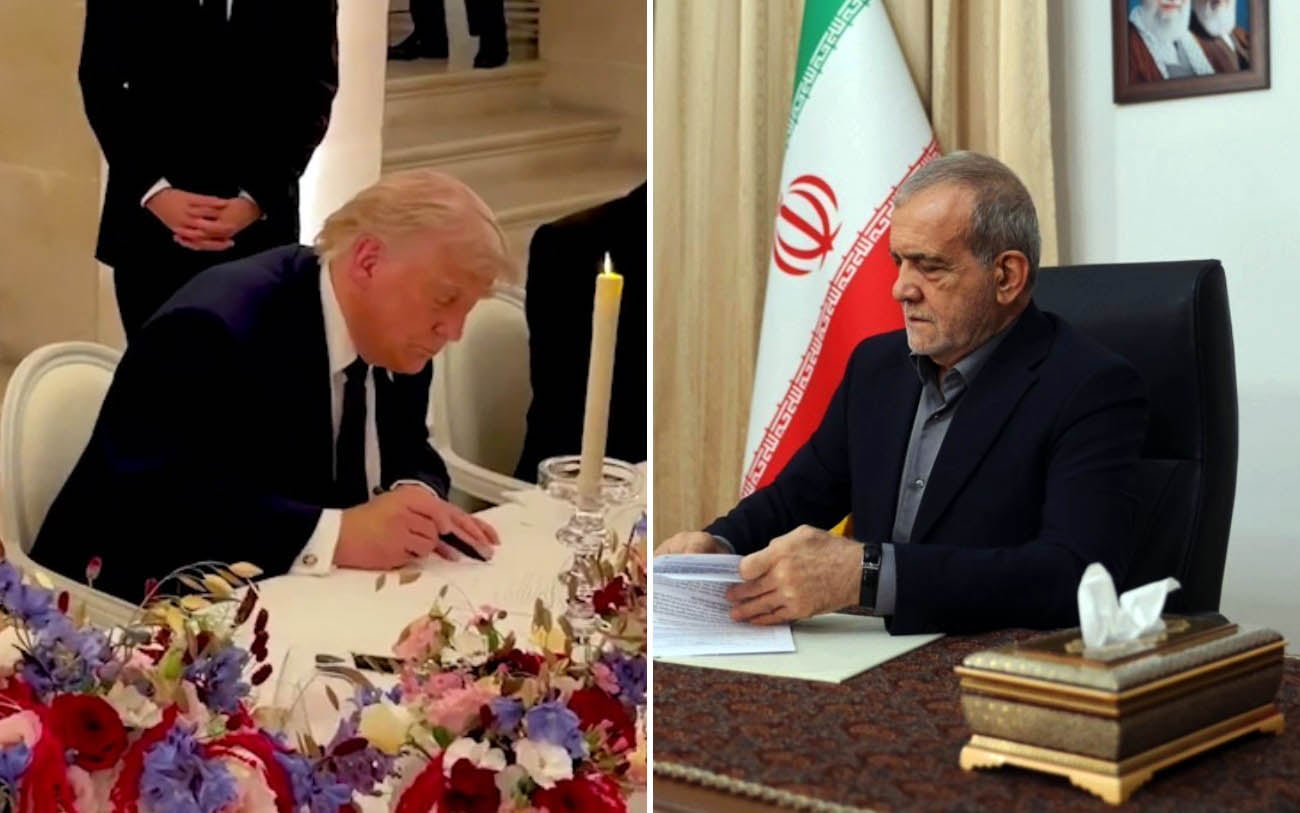
This time, European powers fear an inexperienced US negotiating team may fail to secure a robust nuclear agreement or address Iran’s ballistic missile program in the next phase, risking a prolonged standoff.
France, Britain and Germany want a role in shaping the coming talks after being sidelined in recent months.
The three countries first engaged Iran on its nuclear program in 2003 and later worked with Obama to secure the 2015 deal to curb Iran’s nuclear program in exchange for sanctions relief.
US President Donald Trump has been disparaging of that accord, which he pulled the US out of during his first administration.
“Our objective is to get major concessions from the Iranian regime, a radical change in posture. And we will have our word to say, because as a member of the UNSC it will be necessarily linked to the resolution of this crisis,” Barrot said.
At the same time, he noted that the US-Iran agreement calls for a halt to hostilities on all fronts of the regional conflict, including in Lebanon. Fighting between Israel and Hezbollah has continued in southern Lebanon, and Israel has rebuffed Iranian demands to withdraw from a buffer zone meant to protect northern Israeli communities from the terror group’s attacks.
“This agreement provides for a cessation of hostilities; the Israeli government must respect it, and the United States in particular must exert all the necessary pressure on the Israeli government to ensure that this is the case,” Barrot said.
Huckabee later taunted Barrot on X and said Israel had struck Hezbollah in Lebanon in self-defence. The US ambassador said the onus is on the Iran-backed terror group to cease its attacks.
French FM said Israel needs to stop strikes on Hezbollah. Does France get all its info from Hezbollah? Last night, Israel had 4 of its soldiers killed. Israel strikes when struck as @yechielleiter brings FACTS. Ceasefire happens when Hezbollah stops shooting & killing. https://t.co/OzeCOTPy6D
— Ambassador Mike Huckabee (@GovMikeHuckabee) June 19, 2026
“Does France get all its info from Hezbollah?” wrote Huckabee. “Last night, Israel had 4 of its soldiers killed. Israel strikes when struck… ceasefire happens when Hezbollah stops shooting & killing.”
Paris-based Iranian dissidents slam ‘bogus’ ban on rally
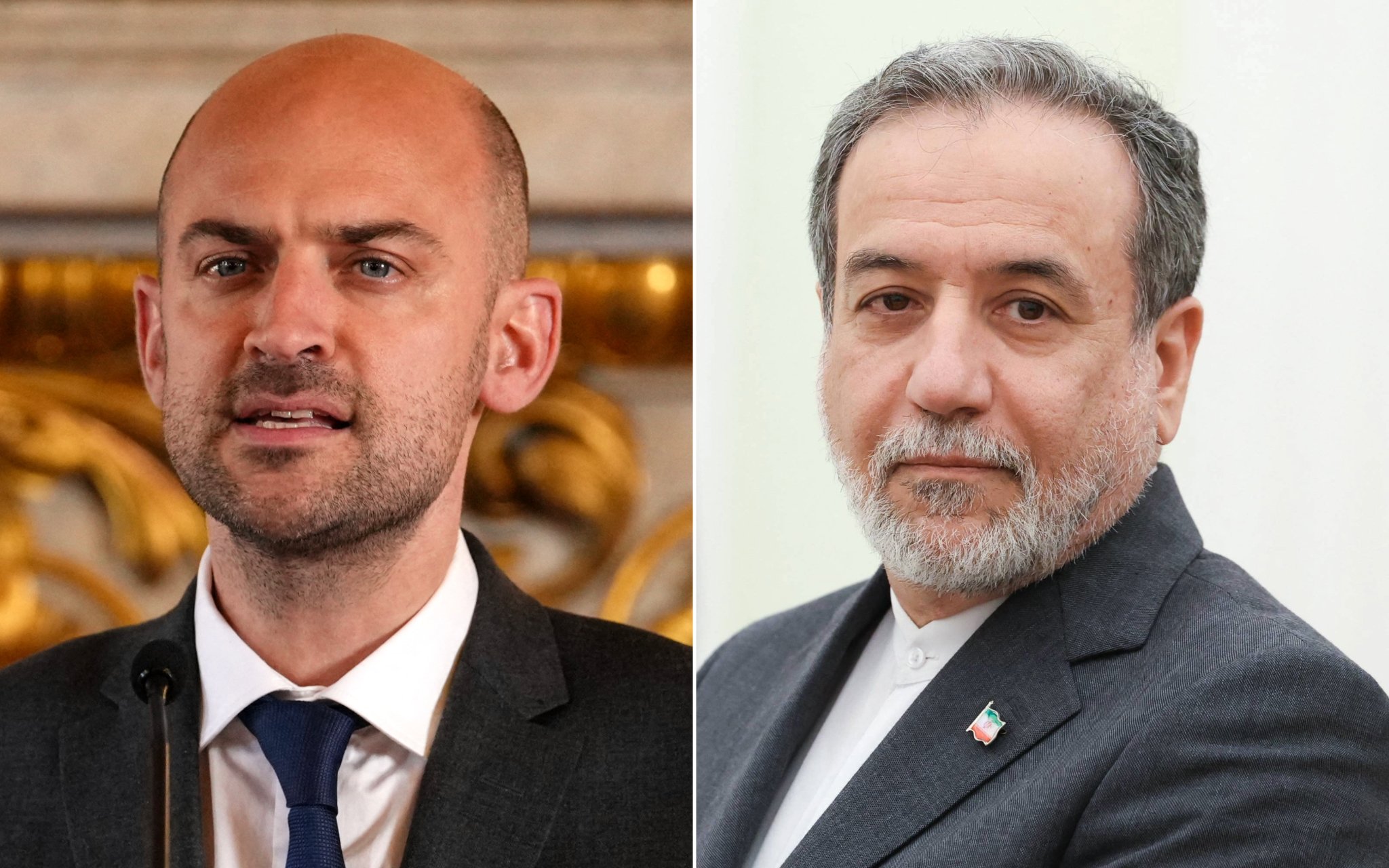
Also on Friday, Barrot came under criticism from the National Council of Resistance of Iran, which said city police had banned a mass rally by the Paris-based dissident group. The group alleged the ban followed a phone call hours earlier between Barrot and his Iranian counterpart, Abbas Araghchi. France’s Foreign Ministry denied the allegation, saying Araghchi “did not mention this protest or request its cancellation.”
NCRI said that it was appealing the local police’s “bogus” decision to ban an anti-Iranian regime rally.
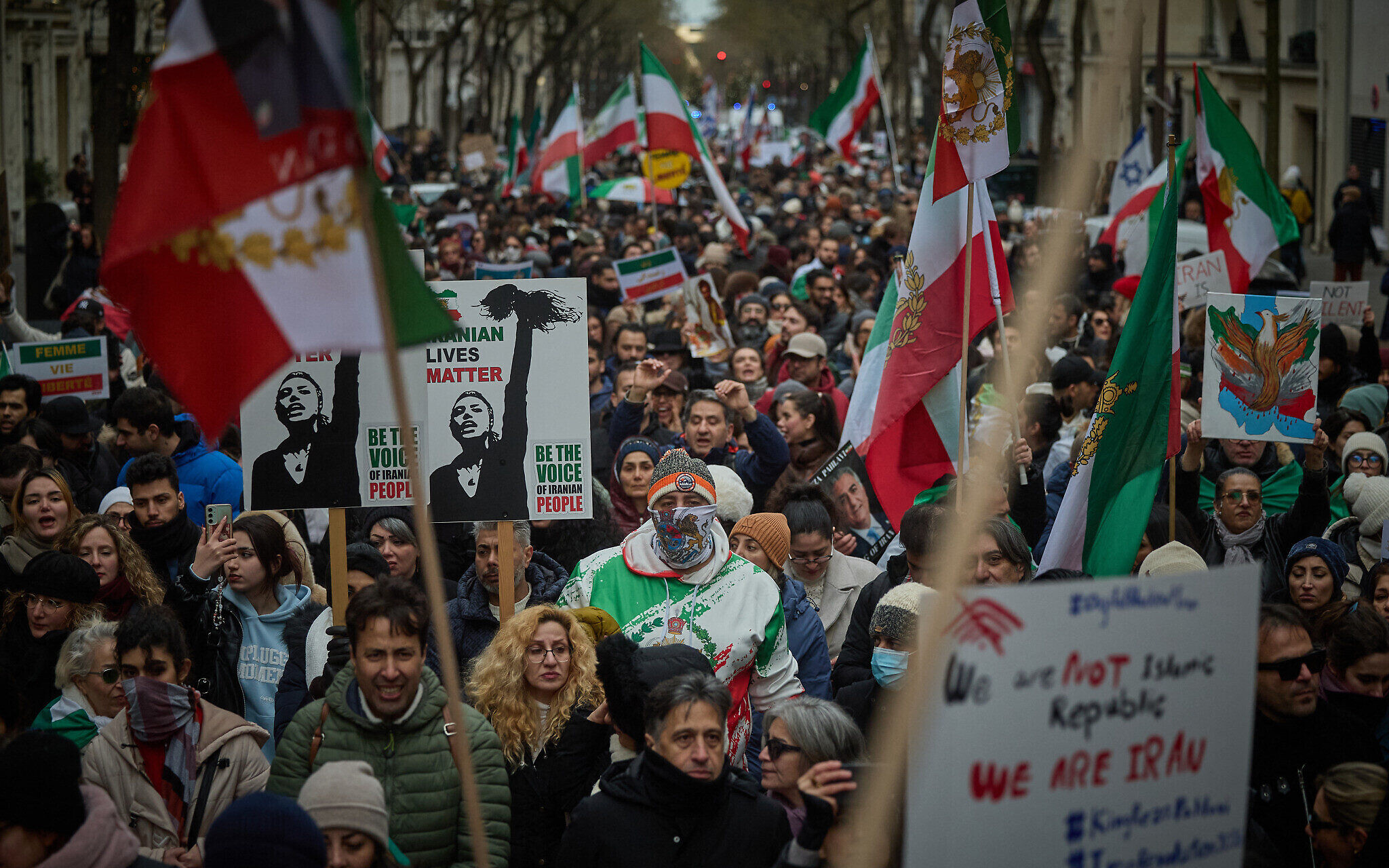
“After business hours on the evening of Thursday, June 18, the Paris Police Prefecture banned the planned demonstration of 100,000 people against the wave of political executions in Iran, scheduled for Saturday, June 20, citing bogus reasons,” NCRI said.
Organizers had coordinated with police for two months and followed all the legal procedures, the statement said, adding that the group was appealing the decision to ban the rally.
The Paris police said it had decided in the light of a particularly tense national and international context.
“There is a serious risk that clashes between activists holding opposing views could occur during this demonstration, likely to seriously disrupt public order,” it said in the ruling seen by Reuters.
A separate concert with several Israeli artists to be held on Sunday as part of the annual Paris music festival was given the go-ahead despite concerns that it could meet opposition from pro-Palestinian supporters, a French official said.
The French police did not immediately respond to a request for comment from Reuters.
In 2023, a court reversed an initial decision by the French capital’s police to ban an NCRI rally. At the time, the police had said the ban was motivated by security concerns.
That ban came just days after the release of an Iranian diplomat convicted of masterminding a plot to bomb the group in 2018 during a gathering on the outskirts of Paris.
NCRI serves as the political arm of the opposition People’s Mujahideen Organization of Iran. Its frequent rallies in Paris over the years have drawn thousands of people, including high-profile former US, European and Arab officials critical of the Islamic Republic.
It is unclear how much support the Paris-based dissident group has in Iran. But it is one of the few opposition groups able to rally supporters, along with its bitter rival, the monarchists backing Reza Pahlavi, the exiled son of the toppled shah.
The group, whose sources of funding and support are unclear, is regularly lambasted by Iranian state media.



The Times of Israel Community.