

Haifa man convicted of murdering estranged wife
Atrisaw Aynalem to be sentenced at later hearing; indictment shows he continued to stalk his wife after she asked for divorce, despite restraining order
 Add ToI as a Preferred Source on Google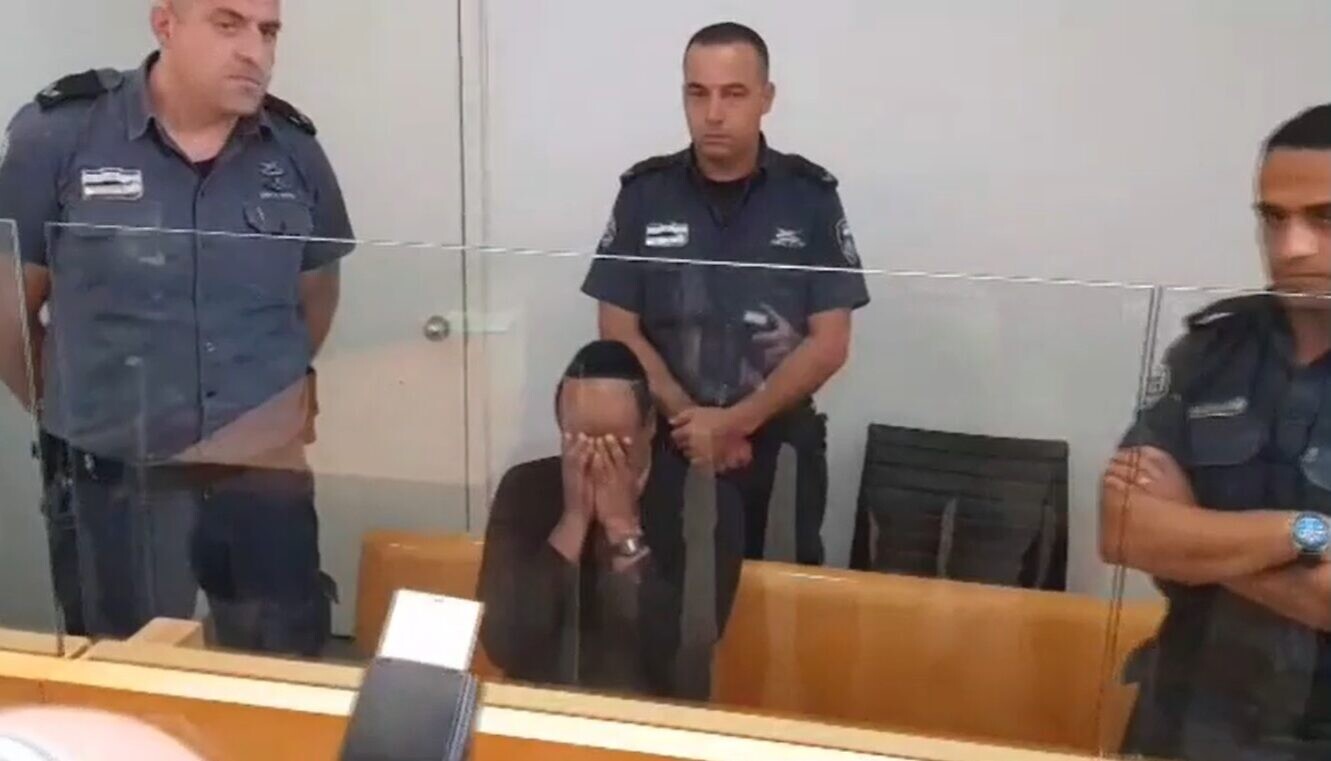
The Haifa District Court on Monday convicted a local resident of murdering his wife in the Kiryat Shmuel suburb last year as the couple was going though a divorce.
According to the indictment, Atrisaw Aynalem stabbed his wife Sifrash to death in June 2018 after she asked him to leave their home.
Sifrash Aynalem had filed numerous police complaints against her husband, citing his continued violence against her. Police issued a restraining order against him, but prosecutors said in the indictment that he continued to stalk her.
In June 2018, Atrisaw Aynalem hid in a park near their home and ambushed Sifrash as she returned from work, stabbing her eight times.
Atrisaw Aynalem was arrested shortly after the murder. He had bloodstains on his clothes, his fingerprints were on the knife and his yarmulke was found at the scene near Sifrash’s body.

He later confessed to police, led investigators to the murder weapon and said during his interrogation that he ambushed Sifrash because he “ran out of patience” with her.
He later recanted the confession, saying that he could not remember the events of the day. But the judges at Monday’s hearing rejected his efforts to minimize his responsibility for the murder.
Atrisaw Aynalem will be sentenced at a hearing scheduled for January.
Attending the hearing were Sifrash’s four sisters, who urged the court to deliver a harsh sentence, noting the increase in deadly violence against women perpetrated by their partners.
“It’s hard to hear more and more victims speak out on TV… this trend is getting worse and nothing changes,” one of the sisters told Hebrew-language media outlets.
المحكمة المركزية في مدينة حيفا تدين اطريساو اينعلم بالقتل المتعمد مع سبق الاصرار،ومن المتوقع ان يحكم عليه بالسجن المؤبد????قتل زوجته سيفارش طعنا بالسكين||בית המשפט המחוזי בחיפה הרשיע ברצח בכוונת תחילה،את אטריסאו אינעלם שרצח אשתו סיפראש,לפני שנה וחצי,בדקירות סכין עם חזרתה מעבודתה. pic.twitter.com/3j2wdg9pTH
— |فرات نصار|פוראת נסאר|FURAT NASSAR (@nassar_furat) November 25, 2019
“Men aren’t afraid to murder because they usually get light sentences,” she said.
She also slammed police and welfare authorities for not recognizing the danger her sister faced.
“She could have been saved,” she added. “He begged her six times to take him back, and on the seventh he killed her.”
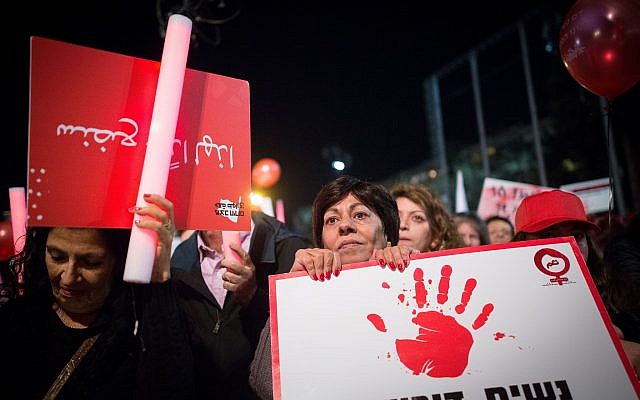
Monday’s hearing coincided with the International Day for the Elimination of Violence against Women, which was marked in Israel with a 13-minute nationwide strike in memory of 13 women killed by family members this year.
The high number of deaths has prompted protests and urgent calls for authorities to take action against the increasing incidence of violence against women in Israel. Many of those women filed police complaints prior to their deaths out of concern for their safety.
In October, the Welfare Ministry issued a report on intimate partner violence in 2018 that found a surge in the number of reported cases of domestic abuse.
According to the ministry, the number of women calling its abuse hotline rose 160 percent between 2014 and 2018, and more than 6,000 victims of domestic violence received treatment last year. In 2018, 1,219 women called the hotline to report spousal abuse.
According to the ministry report, 163 women have been murdered by their husbands since 2004 — seven in 2018, nine in 2017, 11 in 2016, 12 in 2015 and 10 in both 2013 and 2014. That figure only counts women murdered by their husbands, not women killed by other family members.
A quarter of those killed during that period were new immigrants from the former Soviet Union, 20% were immigrants from Ethiopia, 20% were Arabs and 34% were Jewish women born in Israel.








The Times of Israel Community.