

Trump said to reject Saudi request for strikes on Houthis, as they complete Bab el-Mandeb takeover
MBS called US president twice as Iran-backed Yemeni group advanced on key coastal city of Mocha, report says; Iran-backed rebels widen their hold at waterway vital to global energy shipping
 Add ToI as a Preferred Source on Google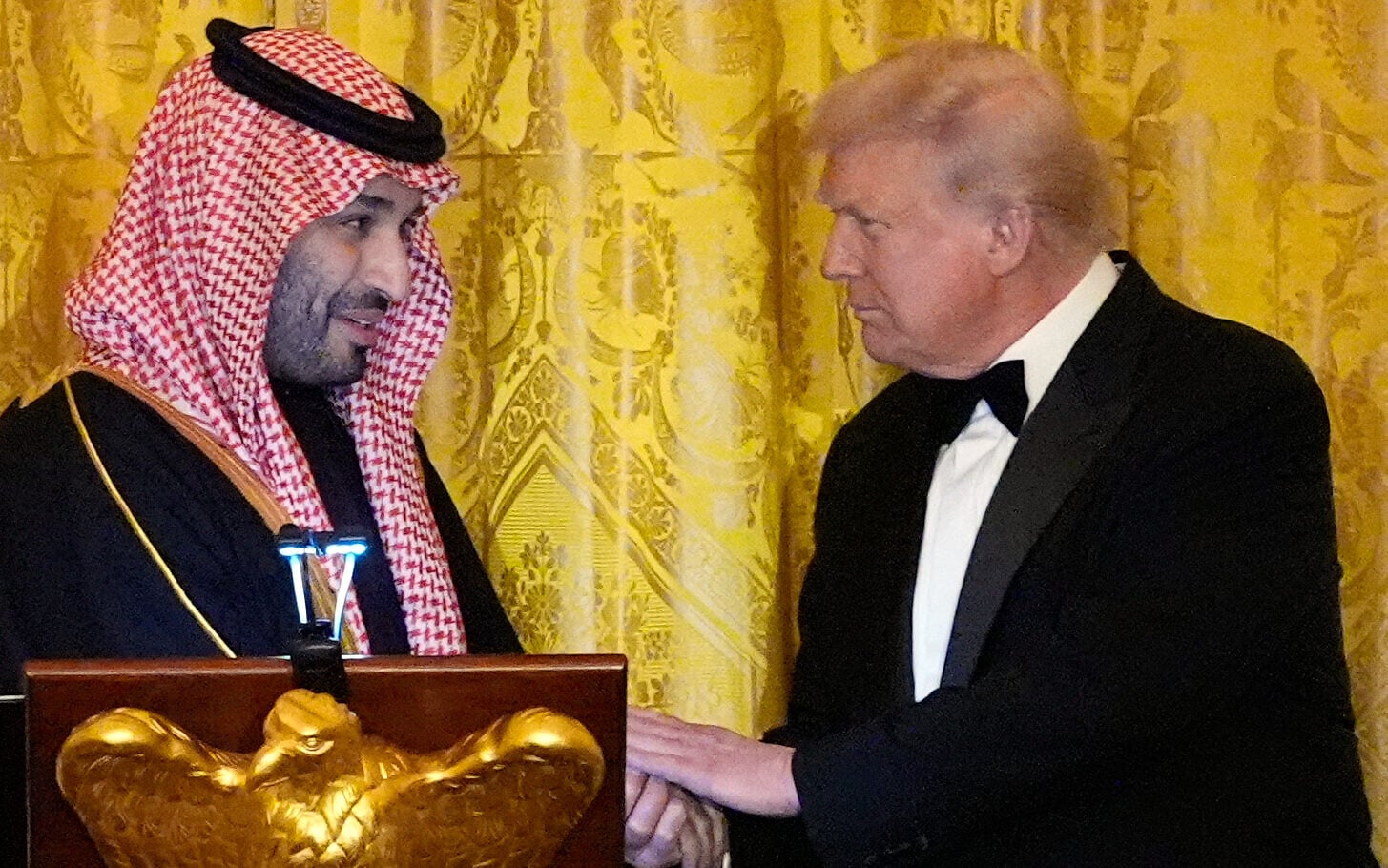
Saudi Crown Prince Mohammed bin Salman reportedly called US President Trump twice Thursday and urged him to launch strikes against the Houthi rebels in Yemen, the Axios outlet reported, citing two US officials.
Trump rejected the request, and US officials said the administration does not intend to take direct military action against the Houthis at this time, the Friday report said.
It was published hours before AFP reported, citing a local government official and eyewitnesses, that the Houthis have taken over a Red Sea island that is located in the middle of the Bab al-Mandeb shipping lane, causing the Yemeni government’s military to withdraw and completing the rebels’ push to control the area.
According to Axios, there has been a change in the Saudi position, from dealing with the Houthis alone to increasingly seeking US support. However, sources said that US military and civilian officials have told the Saudis that Trump wants to stay focused on Iran and the Strait of Hormuz while shying away from new fronts.
Bin Salman first called Trump to brief him on the Houthi advance toward the coastal city of Mocha, then again several hours later to urge that the US order strikes, Axios said. The Iran-backed Houthis later captured the city, gaining further leverage over the Bab el-Mandeb Strait, one of the world’s most important shipping routes.
Trump turned down the Saudi request, but an unnamed US official told Axios that the US would give the Saudis intelligence and targeting data on the Houthis.
According to the official, there are about 200 US military personnel already in Saudi Arabia providing support.
THE HOUTHIS SEIZE US-MANUFACTURED VEHICLE AT AL-MOKHA PORT IN YEMEN
The Oshkosh M-ATV was designed for use by the US military and is built to withstand mines and explosive devices https://t.co/IXkMVqJUnZ pic.twitter.com/8tYIn4ka8F
— RT (@RT_com) September 10, 2026
“The United States is focused on protecting our core national security interests — such as ensuring freedom of navigation in the Red Sea,” a senior administration official told Axios.
“We are in continuous dialogue with Saudi Arabia and the Republic of Yemen Government regarding regional stability,” the official said.
Adm. Brad Cooper, the commander of US Central Command, rushed to Saudi Arabia on Thursday, the outlet reported, citing two sources familiar with the development.
Neither the White House nor the Saudi embassy in Washington commented on the reported visit.
There has been an escalation in fighting in recent days between the Houthis and Saudi Arabia’s Yemeni allies in the internationally backed government, creating a second theater of war in the Iran conflict that threatens global energy supplies.
Saudi Arabia launched two strikes on Friday targeting the Mocha airport, now under Houthi control, according to the group’s Al-Masirah TV channel.
The United Nations said Friday that at least 46,000 people had been displaced since the fighting resumed.
“At least 46,000 people have been displaced in Yemen since fighting escalated last week,” the UN’s International Organization for Migration said in a statement, warning that “the number is alarmingly rising by the hour.”
Houthis take over island in middle of Bab el-Mandeb
Early Friday, the Houthis took over the island of Perim, located in the middle of the Bab al-Mandeb Strait, marking the group’s most significant advance yet toward control of the key shipping waterway.
“Boats carrying armed Houthi fighters reached Mayyun Island after government forces withdrew from it yesterday,” a local government official told AFP, using a different name for the island that divides the strait into lanes.
“The Houthis have completed their takeover of the Bab al-Mandeb area and Mayyun Island, which is located in the middle of the strait,” he added, speaking to AFP on condition of anonymity.
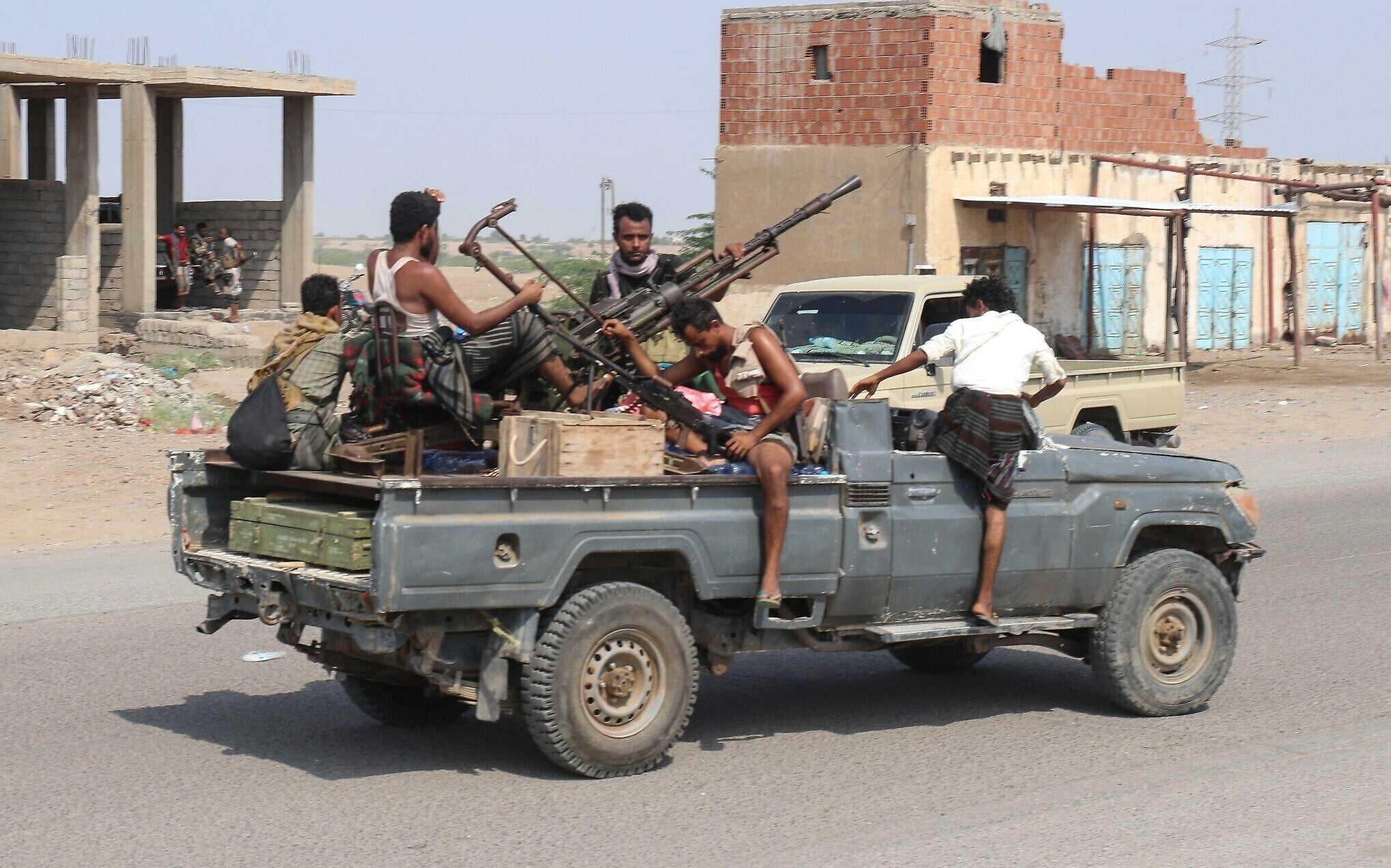
An eyewitness said gunmen were “deploying along the Bab el-Mandeb shore and are driving around in military vehicles.”
In 2014, the Houthis seized the Yemeni capital Sanaa, driving the internationally recognized government south toward Aden.
Fearful of growing Iranian influence in Yemen and chaos on its borders, Saudi Arabia led a military intervention against the Houthis in 2015 to dislodge the group and restore the government.
The resulting civil war triggered one of the world’s biggest humanitarian crises and led to years of bitter fighting and devastating airstrikes by Saudi Arabia and its coalition partners, including the United Arab Emirates.
A UN-brokered truce in Yemen in 2022 largely halted years of war but has not led to a lasting settlement, with the latest fighting threatening a return to full-scale conflict.
Bab el-Mandeb, or the Gate of Tears, named for its perilous navigation conditions, is the southern outlet of the Red Sea, between Yemen on the Arabian Peninsula and Djibouti and Eritrea on the African coast, making it a major prize for the Houthis, who control Yemen’s most populous areas and much of the north.
It is one of the world’s most important routes for crude oil and fuel from the Gulf bound for the Mediterranean via the Suez Canal, or the Suez-Mediterranean pipeline on Egypt’s Red Sea coast, as well as commodities bound for Asia, including Russian oil. If it is shut, ships sailing between East Asia and Europe would have to circle around the entire African continent, which would mean a surge in shipping times and costs.





The Times of Israel Community.