

Herzog must reject Netanyahu’s pardon request
Granting clemency to a prime minister who denies all wrongdoing and attacks law enforcement would strike at the heart of the rule of law

 Add ToI as a Preferred Source on Google
Yuval Yoaz is the legal analyst at Zman Israel, The Times of Israel's sister Hebrew website. He practices law, specializing in public, constitutional and media laws, and is the founder of Israel Democracy Guard. He is a partner in the law office of Karniel & Co Yoaz-Bareket-Jonas.
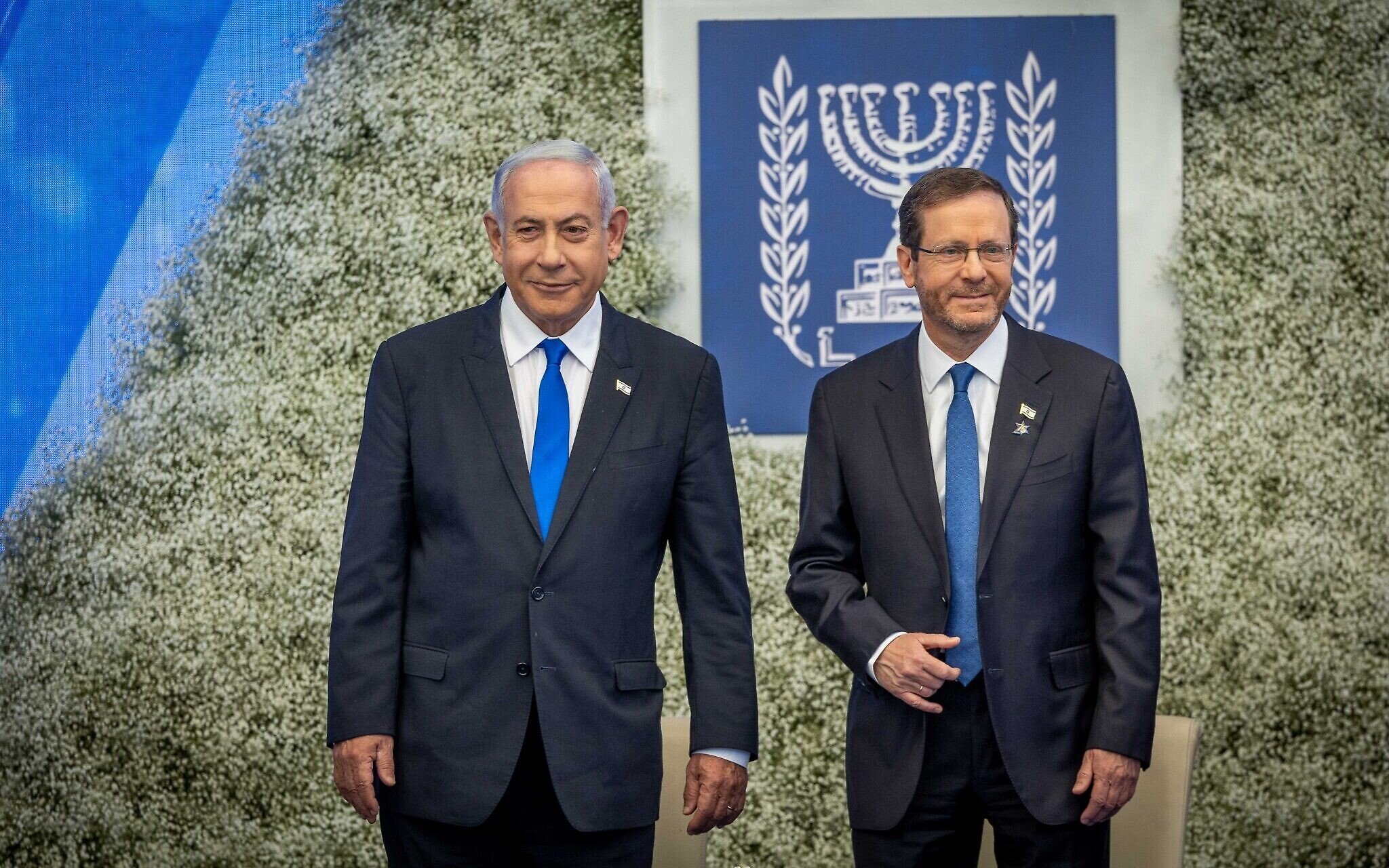
President Isaac Herzog must not grant a pardon to Prime Minister Benjamin Netanyahu on the basis of the request submitted to him on Sunday.
The central reason for this is not the debate over the president’s authority to pardon someone who has not yet been convicted, although that is a relevant question. Rather, the president must not pardon someone who has neither confessed to the offenses nor taken responsibility for them.
The letter submitted by Attorney Amit Haddad, the prime minister’s defense counsel, is 13 pages long, with an additional page containing Netanyahu’s own letter to President Herzog.
Yet nowhere in those pages is there an admission of guilt, an expression of remorse, or any assumption of responsibility, whether for criminal acts, improper conduct, or the years-long assault he led against law enforcement and the judiciary.
Netanyahu has consistently claimed innocence and continues to do so. A man who sees himself as an Alfred Dreyfus figure – innocent and persecuted – now seeks a pardon “for the good of the country.”
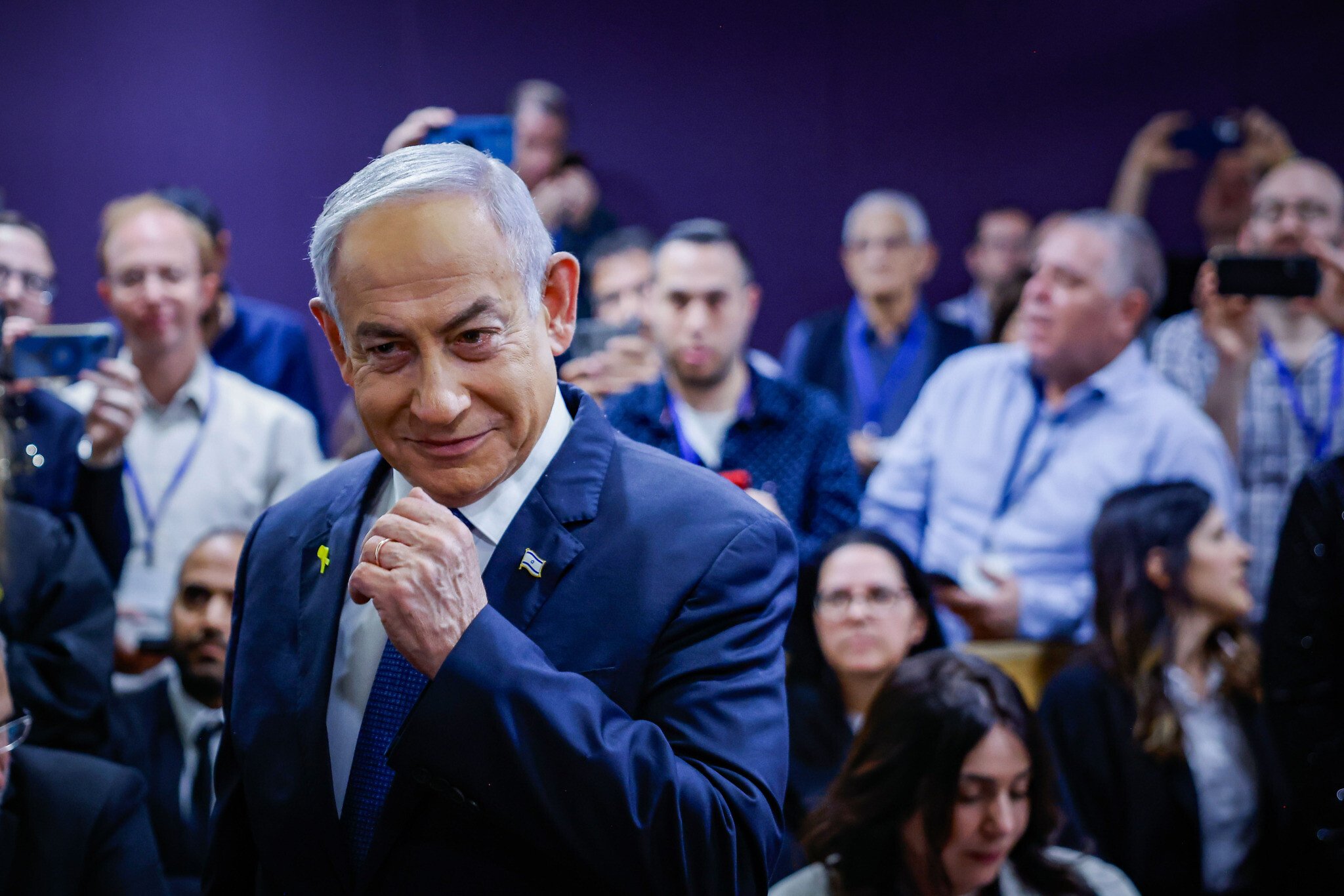
A pre-conviction pardon is a rare exception, granted only once before – in the Bus 300 affair, when Shin Bet members executed two captured Palestinian hijackers. No such pardon should be granted again. Even if the president does possess the authority to pardon someone not yet convicted, he should not do so for someone who continues to claim innocence.
Netanyahu selectively invokes the Bus 300 precedent to argue that the president has the authority to pardon. He is less eager to recall the words of Attorney General Moshe Ben-Zeev, which Supreme Court President Justice Meir Shamgar cited in his ruling:
“The word ‘offender’ should not be interpreted here to mean a person who has been convicted, but rather a person who comes to the President and says: I committed an offense and I ask you to pardon me. I cannot imagine that he can come to the President and say: I may not have committed an offense, but if I did – please grant me a pardon. Of course, an alternative pardon, such as that, will not be recognized in our legal system.”
The combination of the two elements – a pre-conviction pardon and the absence of any admission or responsibility – makes the request one the president must refuse. The word “must” is complicated here, as the president is immune from legal proceedings, including judicial review of his pardon decisions. In contrast, the justice minister, who must countersign the pardon, is not immune.
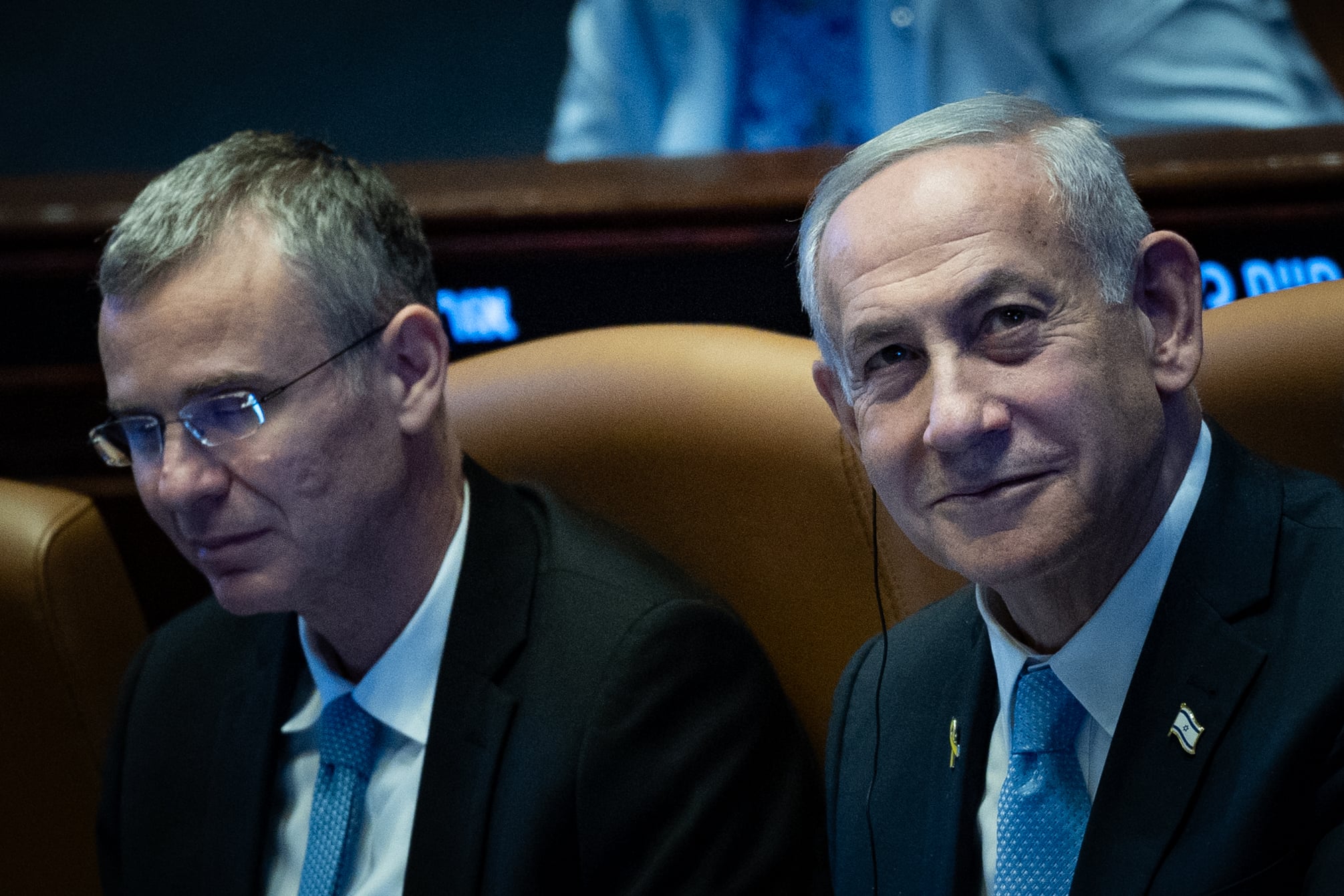
The High Court of Justice has held that, in exceptional cases, the justice minister’s countersignature may be subject to judicial review, thereby opening the door to review of the pardon itself.
What the letters from Netanyahu and Haddad do contain are appeals for “national reconciliation,” the “restoration of public trust,” “healing the rifts,” and an effort “to lower the intensity of the flames” surrounding the prime minister.
One might say the pyromaniac is now proposing to lower the flames. This marks another stage in Netanyahu’s ongoing struggle against state institutions – a threat wrapped in a promise: reconciliation, or continued division.
An assault on law enforcement
The appeal gives the president yet another reason to refuse the pardon. Not only does it lack any admission of guilt or responsibility, but it also amounts to an indictment of the law enforcement system.
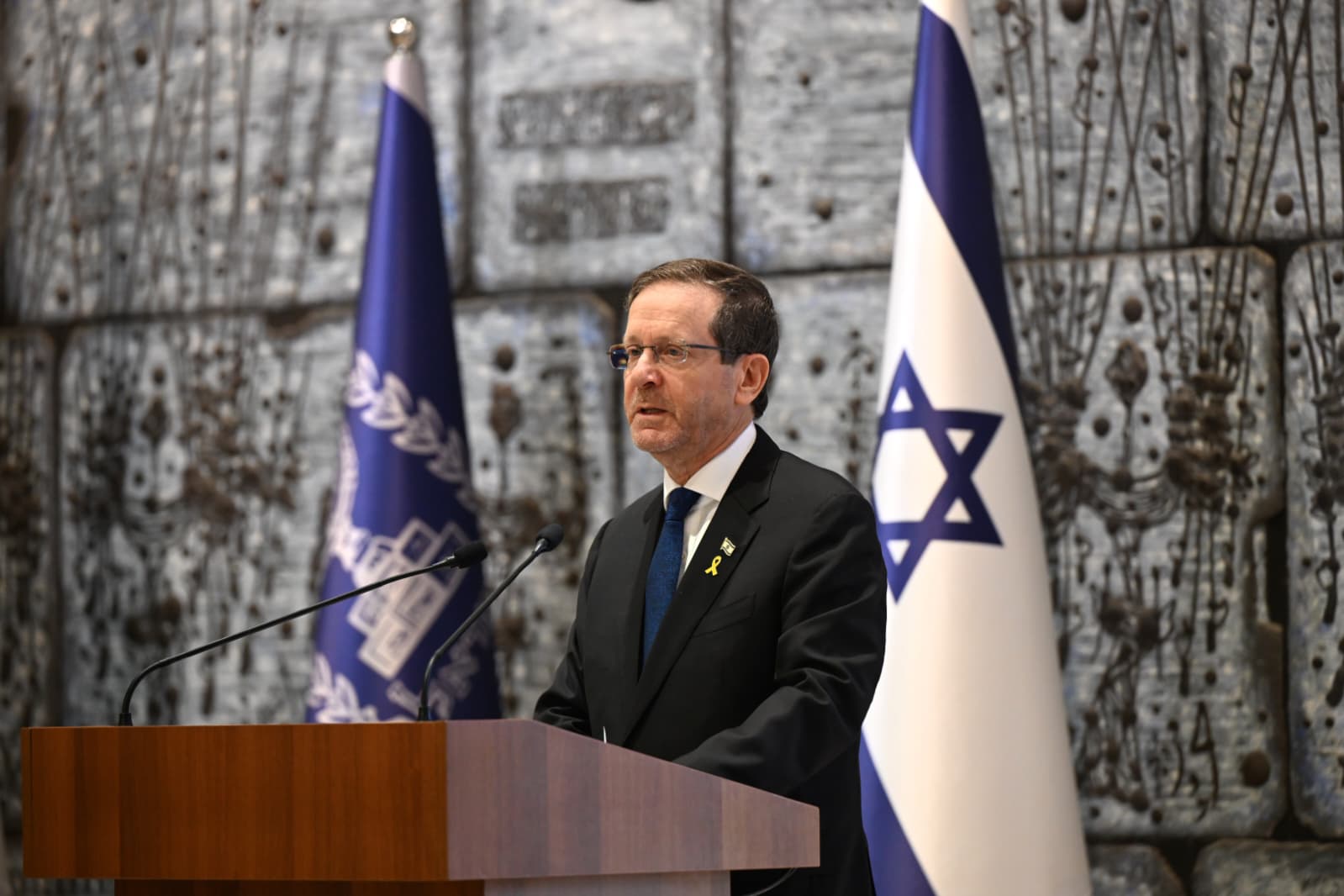
“The investigations into the prime minister’s affairs were conducted in an unusual manner that raises fundamental questions regarding the conduct of the enforcement authorities,” wrote Haddad. “In the matter of the prime minister, the investigation focused on the man, not the offense, attempting to locate evidence that would incriminate the prime minister in the commission of any offense.
“This approach sparked widespread public and legal criticism… The investigations were accompanied by extraordinary and illegal conduct on the part of the enforcement authorities.” Haddad added that these things are written “in the most delicate language possible.”
A video Netanyahu released in recent hours reinforces this narrative maligning law enforcement authorities, claiming that “exonerating evidence… collapses the false claims” and asserting that the case was built “while serious offenses were being committed.”
This is not how you lower the flames; it’s how you create an infrastructure for a public witch hunt against everyone who was ever involved in advancing the criminal investigation and prosecution of Netanyahu.
Granting a pardon to Netanyahu against the backdrop of these accusations would constitute an affirmation by the president that Netanyahu was, in fact, persecuted without fault by the law enforcement system. That would be the end of the rule of law in Israel.
Attorney Haddad’s pardon request also includes a section praising Netanyahu’s “immense contribution to the State of Israel and Israeli society.” Such statements typically appear in pardon requests after an admission of guilt and remorse. Without that, they serve only as further self-aggrandizement, the message being that every obstacle, legal or otherwise, must be removed for the nation’s supposed greatest leader in generations.
In the height of cynicism, Attorney Haddad quotes Justice Edmond Levy, who wrote in a foundational ruling regarding the president’s authority to pardon, that the president “expresses in his actions the spirit of the nation, its core values, its common foundations, and its defining narrative.” And what does Attorney Haddad draw from this? That the pardon authority is also intended to protect “broad public interests.”
But Justice Levy was meticulous in cases of governmental corruption, both minor and severe. He even tripled the sentence of Minister Shlomo Benizri for bribery. Levy would likely be appalled to see his words invoked to justify a pre-conviction pardon without an admission of guilt or responsibility.








The Times of Israel Community.