

Hezbollah won’t give up its weapons without a decision from Iran — Lebanese FM
Youssef Rajji says terror group is ‘rebuilding itself in many ways’ and seeking to ‘regain its power internally,’ confirms speaking about disarmament with his Iranian counterpart
 Add ToI as a Preferred Source on Google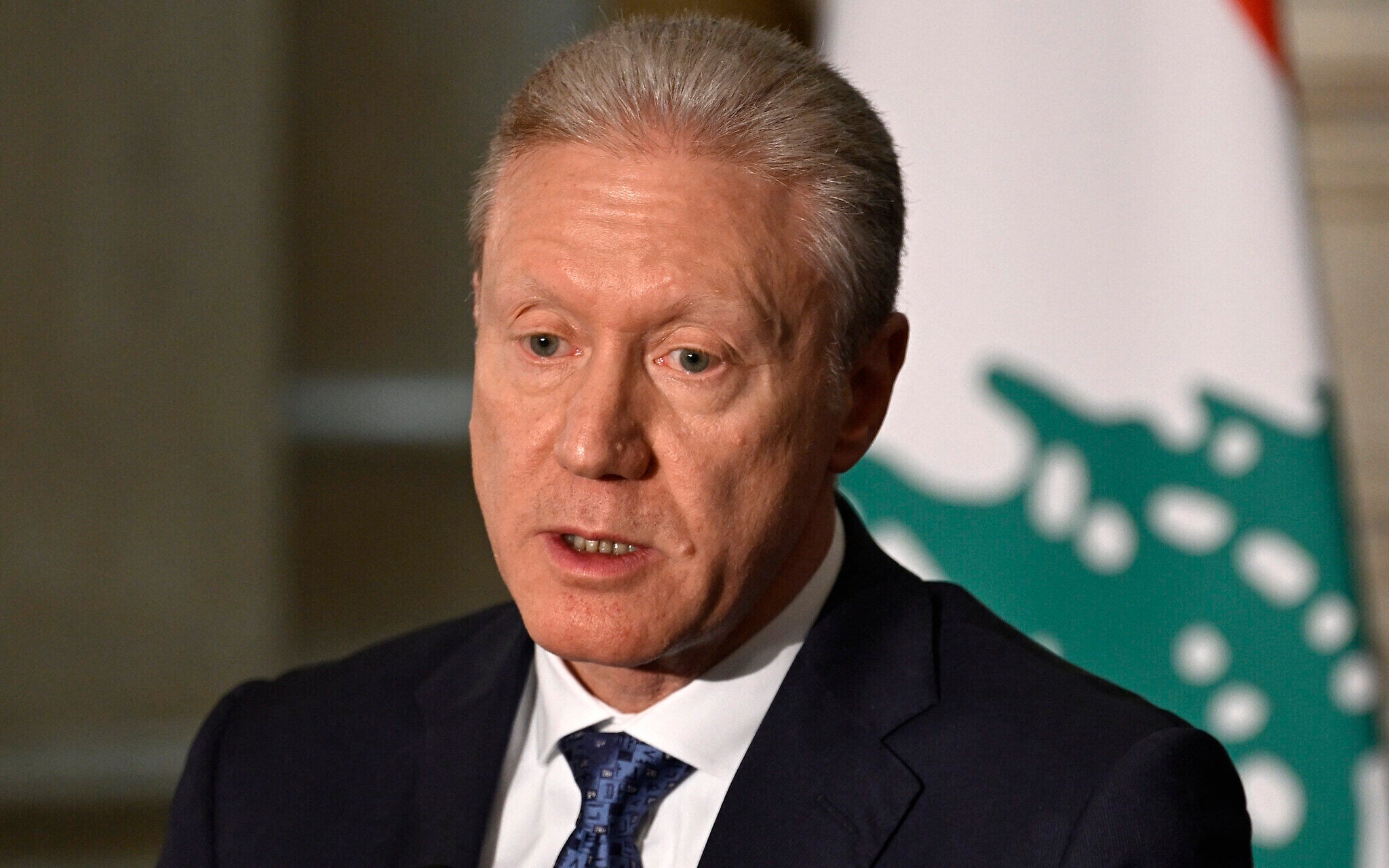
Iran will have the final say on whether or not its Lebanese proxy terror group Hezbollah agrees to disarm, Lebanon’s Foreign Minister Youssef Rajji told the Saudi Al Arabiya news outlet in an interview published Saturday.
Rajji said he has brought the issue up with his Iranian counterpart Abbas Araghchi, and that disarmament remains a key demand of the Lebanese government as it tries to maintain the fragile calm brought about by a ceasefire agreement with Israel last November.
Under the terms of the ceasefire, which ended the October 2023-November 2024 conflict between Israel and Hezbollah, the Lebanese terror group was to be disarmed and allow the Lebanese Armed Forces to deploy fully across the country. This has not yet happened, however, and Lebanon is under increasing pressure to speed up the process or risk a renewed Israeli military operation.
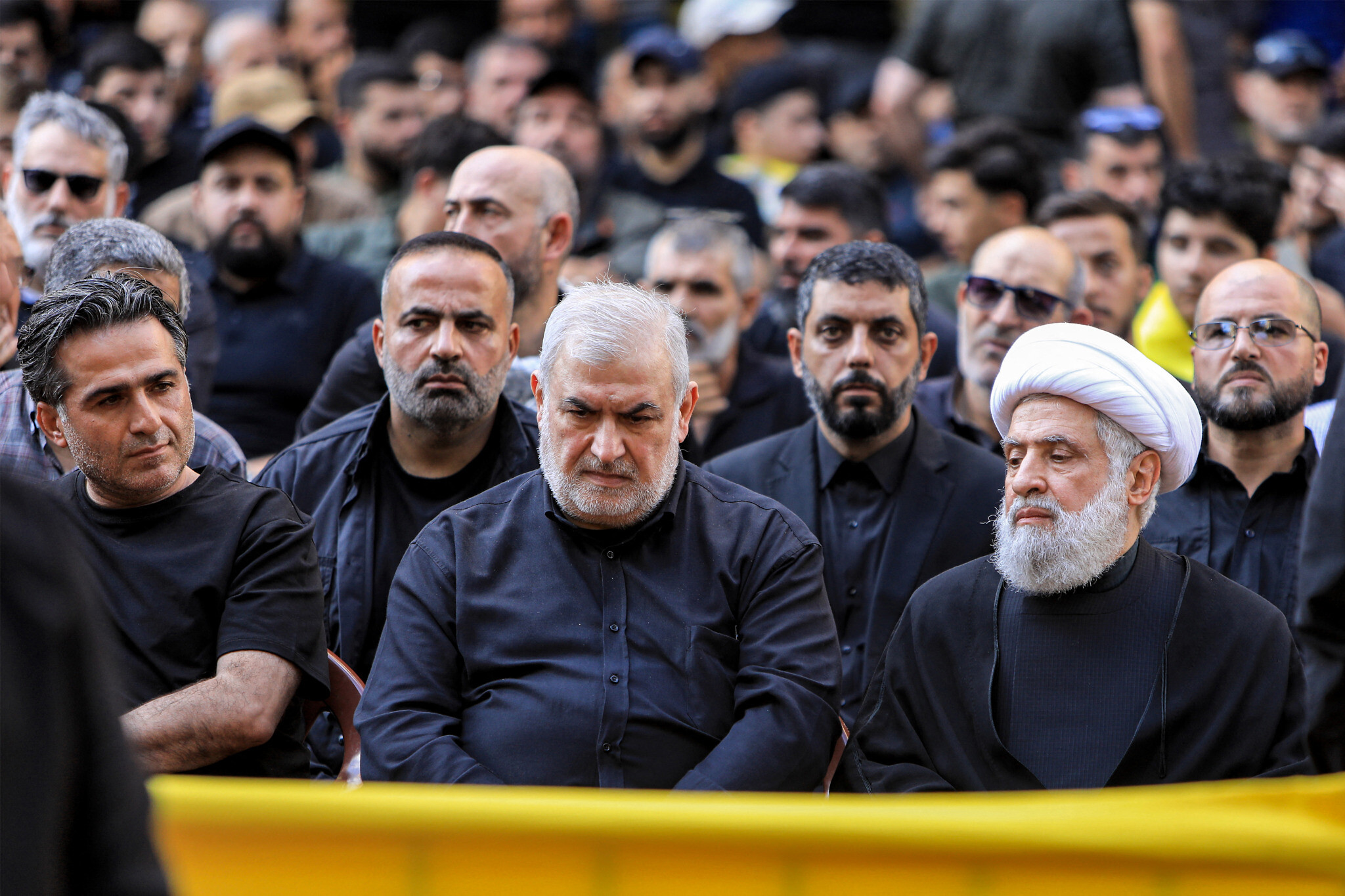
“Hezbollah won’t hand over its weapons without an Iranian decision,” Rajji told Al Arabiya. “Right now [Hezbollah] is concerned with preserving itself and regaining power.”
He said Hezbollah started work on “rebuilding itself in many ways,” including financially, and was trying to “regain its power internally,” after being severely weakened by its year-long conflict with Israel.
To this end, Rajji said, he was disappointed that Hezbollah did not believe disarmament to be in the interest of the Lebanese public, and indeed in its own interest as a political party.
“The credibility of the state today depends on the extent to which it extends its authority over all Lebanese territory and confines the weapons of all armed groups to the legitimate security forces in its own territory, and with weapons exclusively in its hands,” he said, as “only then will the international community take us seriously.”
“Disarming Hezbollah and dismantling its military structure are a Lebanese demand, regardless of the international demand,” he stressed, likely referring to pressure from the US and Israel to force Hezbollah to give up its weapons.
Contrary to Hezbollah’s claims, its weapons have failed to “support Gaza, liberate Jerusalem or defend Lebanon” from Israeli attacks, said Rajji, explaining why the Lebanese government was eager to see it disarm.
He told the outlet that the Lebanese Armed Forces were determined to seize all Hezbollah weapons in southern Lebanon by the end of the year, before widening its operations to disarm the terror group in areas further north at the start of 2026.
Hezbollah “provokes the government every day with the talk by its chief, Sheikh Naim Qassem, about rearming,” said Rajji, a day after Qassem accused Beirut of giving Israel a “free concession” by dispatching a civilian rather than a military envoy to attend the first direct talks with Israel in decades on Wednesday.
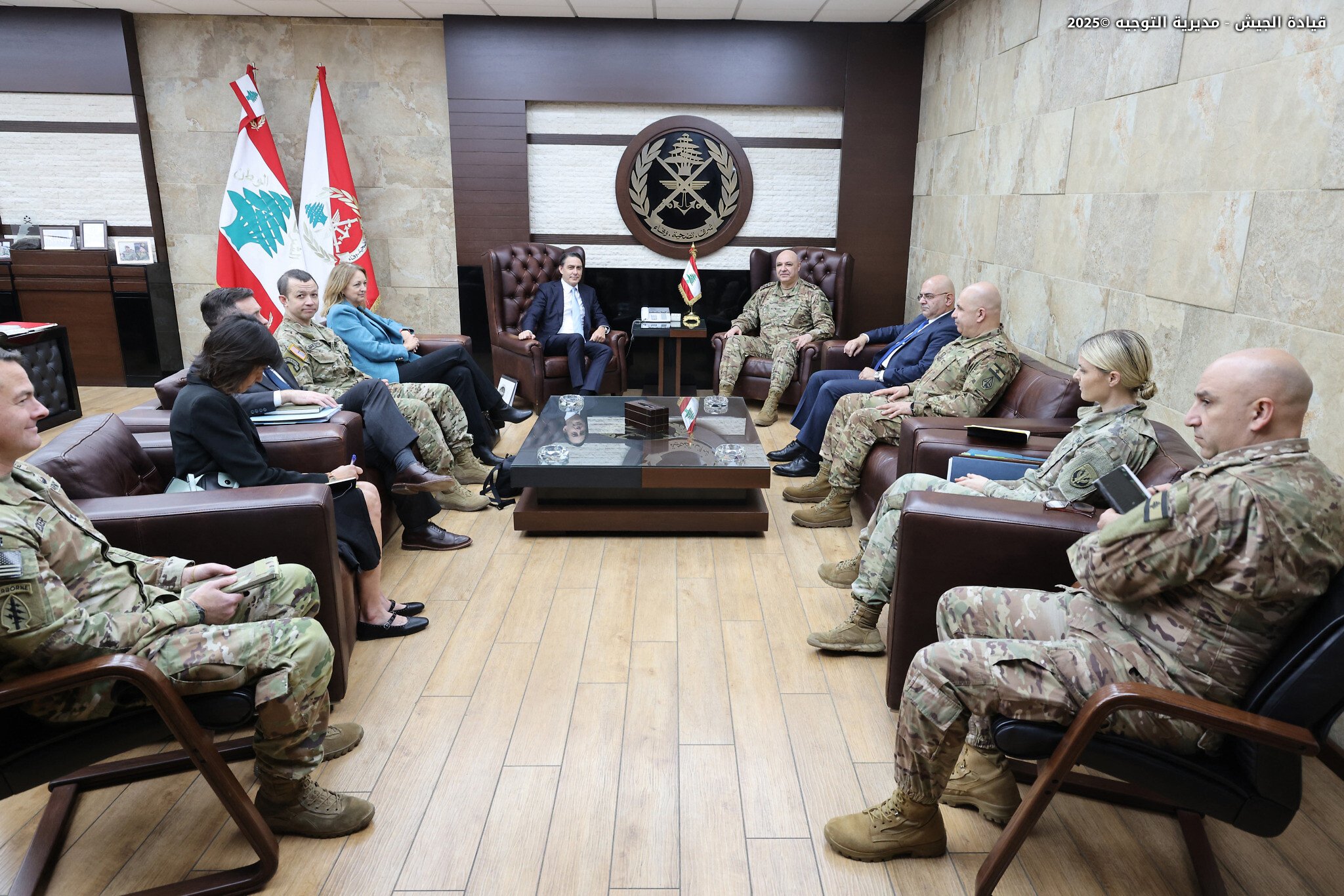
The meeting at the UN peacekeeping forces’ headquarters in Naqoura, Lebanon, was held under the auspices of the “Cessation of Hostilities Implementation Mechanism” — made up of US, UNIFIL, Israeli, French, and Lebanese officials — which is aimed at pushing forward with the November 2024 ceasefire.
Israel was represented at the meeting by the National Security Council Deputy Director for Foreign Policy Uri Resnick, while Lebanon was represented by former ambassador to the US Simon Karam.
Acknowledging the unexpected choice to send a civilian representative rather than a military one, Rajji told Al Arabiya that he hoped doing so was a “positive step” which could “spare Lebanon a large-scale military operation by Israel.”
Israeli and US officials have warned that the IDF could embark on a major operation if the Lebanese government fails to make progress in disarming Hezbollah.
Unnamed Israeli officials have described the meeting as productive, saying that representatives of both countries had agreed to come to the follow-up sit-down with proposals for promoting economic cooperation in areas such as agriculture, technology, transportation and infrastructure.
Lebanon’s portrayal of the meeting differed somewhat, with Lebanese Prime Minister Nawaf Salam rejecting the possibility of economic cooperation before normalization — which Lebanon has conditioned on the creation of a Palestinian state.
“Lebanon is very far from signing a peace deal with Israel,” Rajji likewise told Al Arabiya, adding that Karam was holding talks with Israel only on “military issues” such as an end to Israeli attacks on southern Lebanon and the withdrawal of the IDF from there.
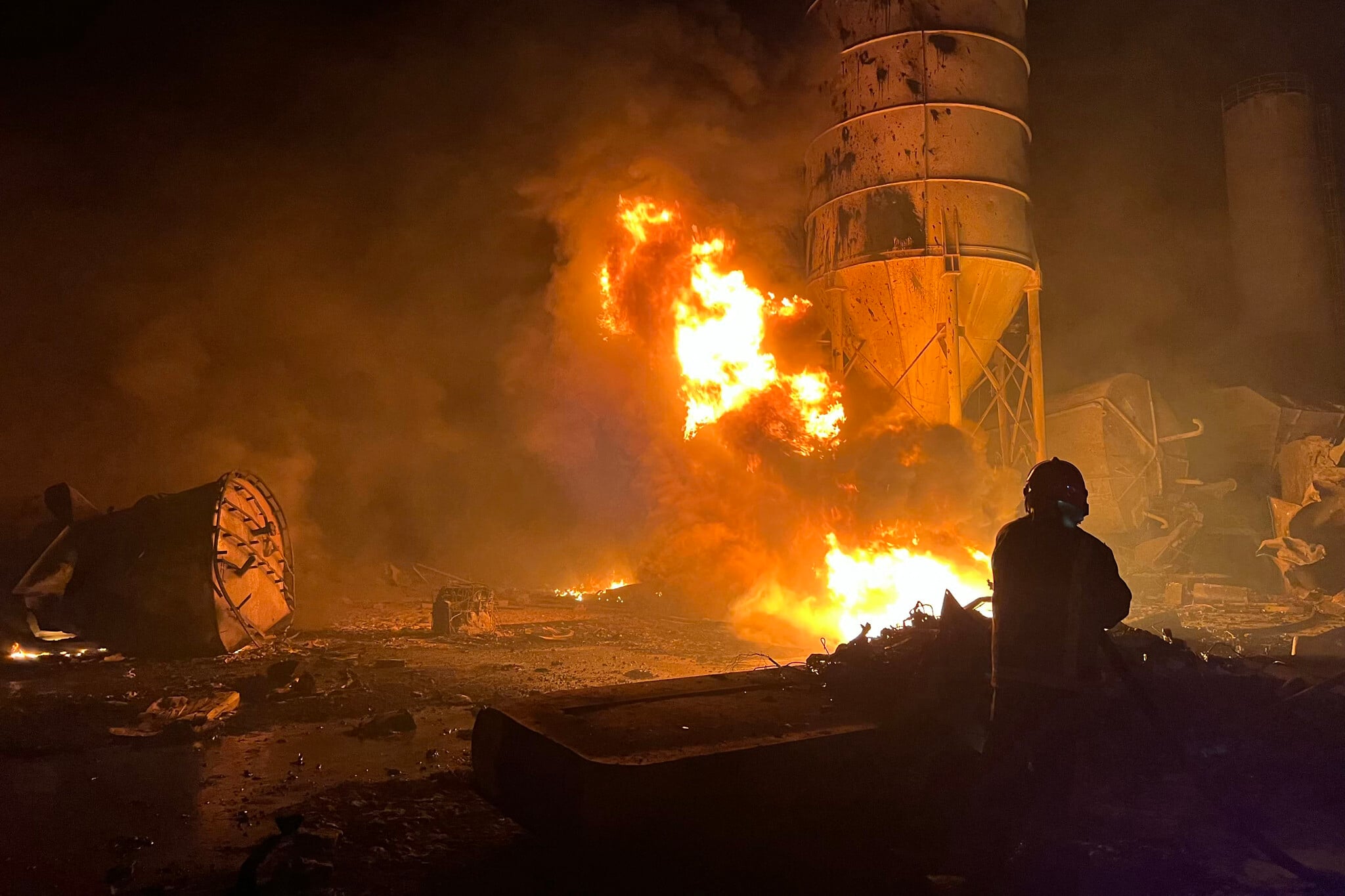
And it was too soon to tell whether Rajji’s hope of avoiding a renewed Israeli military campaign was realistic, as on Thursday, the day after the meeting, the IDF launched a wave of airstrikes against what it said were Hezbollah weapons depots in southern Lebanon.
Tensions in Lebanon have ratcheted up in recent weeks. The IDF accuses Hezbollah of violating the November 2024 ceasefire and has intensified its strikes against terror group targets, including killing its chief of staff in a rare strike in Beirut last month.
Under the terms of the ceasefire, Hezbollah was required to vacate southern Lebanon, while Israel was given 60 days to do so. The IDF later withdrew from all but five posts along the border with Lebanon, citing the incomplete dismantling of Hezbollah’s infrastructure in the country’s south.
In addition to hundreds of airstrikes amid the ceasefire, the military said, ground troops have conducted over 1,200 raids and other small operations in southern Lebanon, mostly in areas surrounding the five “strategic” border posts, to prevent Hezbollah from restoring its capabilities.
The operations included demolishing terror infrastructure, thwarting Hezbollah intelligence collection efforts, and other activities to damage the terror group’s capabilities, the army said. During the raids, troops located numerous weapons, rocket-launching sites, and other buildings used by Hezbollah, the army added.
Israel invaded Lebanon in September 2024 in a bid to secure the return home of some 60,000 residents displaced by Hezbollah’s near-daily attacks on northern Israel starting October 8, 2023 — a day after fellow Iran-backed group Hamas invaded southern Israel, sparking the war in Gaza.





The Times of Israel Community.