

High Court prods government for ‘stronger enforcement’ against Haredi draft evaders
Judges issue biting criticism of ruling coalition for failure to draft ultra-Orthodox young men since a 2024 court decision on the issue
 Add ToI as a Preferred Source on Google
Jeremy Sharon is The Times of Israel’s legal affairs and settlements reporter
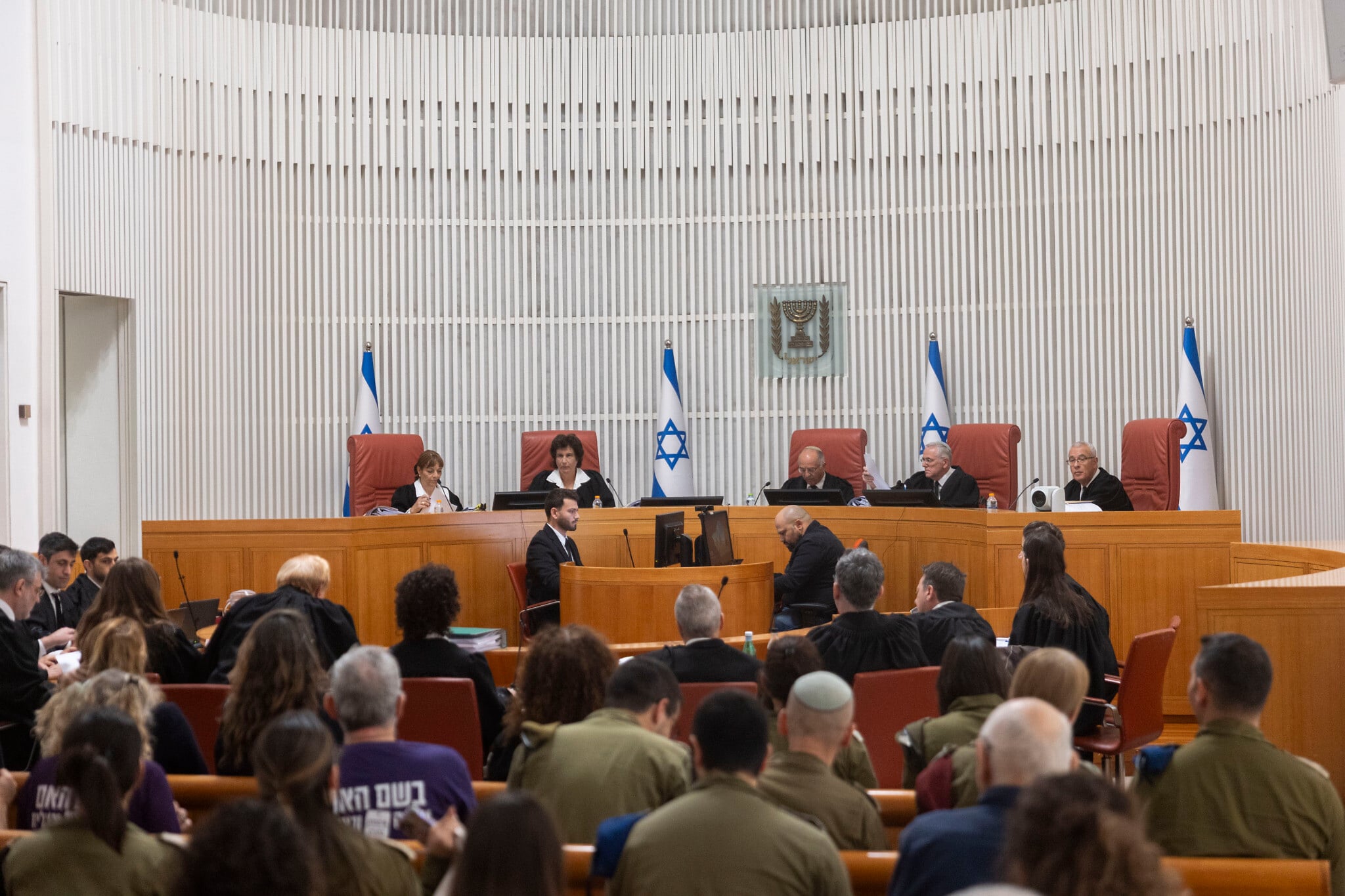
The judges of the High Court of Justice sharply criticized the government in a hearing Wednesday over its failure to take effective enforcement measures against ultra-Orthodox draft evaders, saying its efforts so far have fallen short of the mark.
Several of the judges demanded to know why it was taking so long for enforcement measures to be implemented, with court deputy president Noam Sohlberg stating that the need for “stronger enforcement measures” against ultra-Orthodox draft evaders was “growing ever clearer.”
The tough words the judges had for the state and its representatives may indicate a willingness to accede to petitioners’ requests to order the government to increase enforcement.
Last week, the attorney general also told the government its enforcement measures were insufficient, and pointed out that it was entirely within the power of the government to impose heightened personal sanctions against draft dodgers, as defense officials have said is necessary.
Should the court agree to issue interim orders against the government, it may recommend such measures.
Wednesday’s hearing dealt with petitions demanding that the government enforce the law for national conscription, and draft tens of thousands of ultra-Orthodox yeshiva students who are eligible for military service but have failed to enlist.
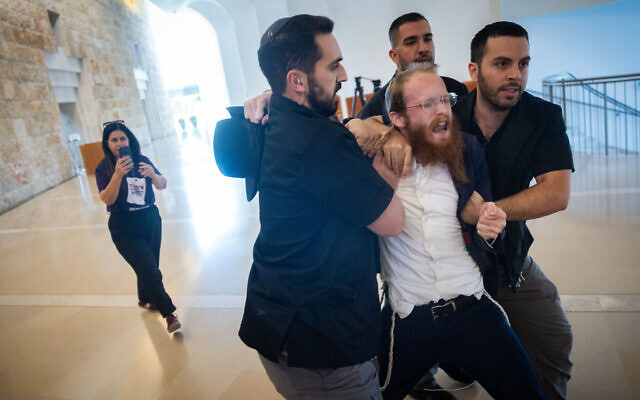
Proceedings were briefly interrupted twice when several ultra-Orthodox men began shouting in the courtroom “We’d rather die than enlist,” a common Haredi anti-enlistment refrain, before being ejected from the courtroom by court security guards.
In June 2023, the clauses in the Law for Security Service allowing for blanket military service exemptions for ultra-Orthodox yeshiva students expired, and a year later the High Court ruled that the government was therefore obligated to begin drafting them.
As the court heard Wednesday, very few students have enlisted since then, prompting government watchdog groups and others to petition the court demanding enforcement.
According to figures presented by the state representative, some 78,000 ultra-Orthodox yeshiva students received their first order to present themselves at IDF offices for initial processing since June 2024.
The date for about 40,000 has passed, and just 3,438 showed up at IDF offices.
Of those, only 931 actually enlisted, of whom 153 joined combat units, meaning that just 2.3 percent of those currently required to enlist have done so, and less than 0.4% have enlisted in combat units.
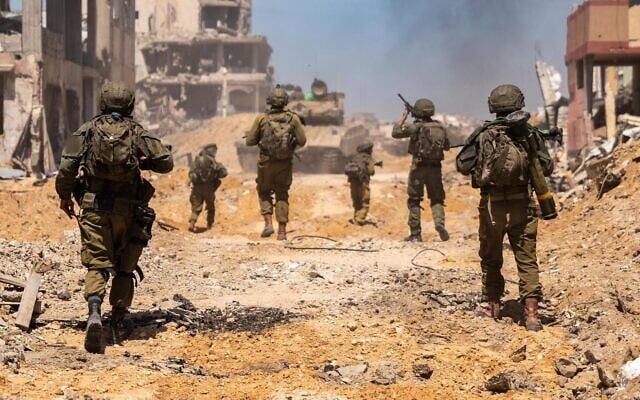
The IDF and defense establishment have said the army is in need of 12,000 additional combat soldiers due to the country’s heightened security needs and the deaths and injury to thousands of soldiers in the two years of war since the October 7, 2023, Hamas invasion and massacre.
Of the remainder of those whose date for showing up at an IDF office has passed, 9,428 received further orders declaring them to be noncooperative and 6,975 have been declared draft dodgers.
There have been only 872 ultra-Orthodox men arrested for draft dodging and 271 orders banning individuals from leaving the country for the same offense, meaning action has been taken against only 7% of declared draft dodgers.
Justice Yael Wilner asked the state’s representative if all those declared to be draft dodgers were now in prison, and was told that there was not enough space in military prisons even if the state and the IDF wanted to arrest them.
“The answer that there is not enough space is very problematic,” retorted Wilner. “Space can be made.”
Justice Daphne Barak Erez then asked how many of the draft evaders have been brought to military trial, and the judges scolded the state’s representative when said she doesn’t have the numbers to hand.
“The problem with all the great things you’re saying about what [enforcement measures] have been taken is that there are no results. There are not enough soldiers,” declared Barak Erez.
“The need for enforcement measures that will bring about results is growing. The army needs 12,000 combatants now — yesterday!” said Sohlberg. “The need for heightened enforcement methods that will bring about results is getting ever clearer.”
Wilner similarly declared the needs of the army to be “acute,” saying that “fathers have served 500 days of reserve duty,” referring to the vast amounts of time many reservists have spent in the army since October 7, 2023.
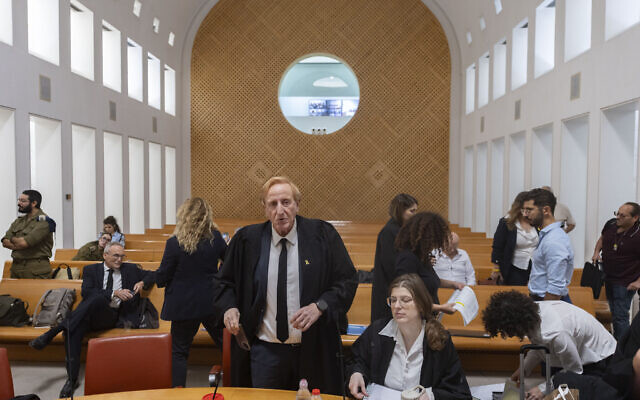
“We need enforcement that brings about results,” she said.
Eliad Shraga of the Movement for Quality Government in Israel, one of the petitioners, upbraided the court for what he said was its failure over the years to hold the government’s feet to the fire over the issue of Haredi enlistment.
In a long diatribe on the legal history of the issue, he pointed out that events had overtaken the court proceedings in the past, with the government having changed the law before the court could rule on the previous situation.
Shraga also noted that the government is in the process of formulating a new law designed to regulate military service exemptions for yeshiva students, which critics have said will again allow mass draft evasion.
“There is no conscription, zero. No one learning in yeshivas has enlisted,” he said, arguing that the small number of ultra-Orthodox men who have actually been drafted were not yeshiva students anyway.








The Times of Israel Community.