

IDF opposes Saudi F-35 deal, warns Israel’s regional air superiority could be eroded
Military submits formal position paper to political leadership as Trump announces sale of stealth jets to Riyadh ahead of visit by crown prince
 Add ToI as a Preferred Source on Google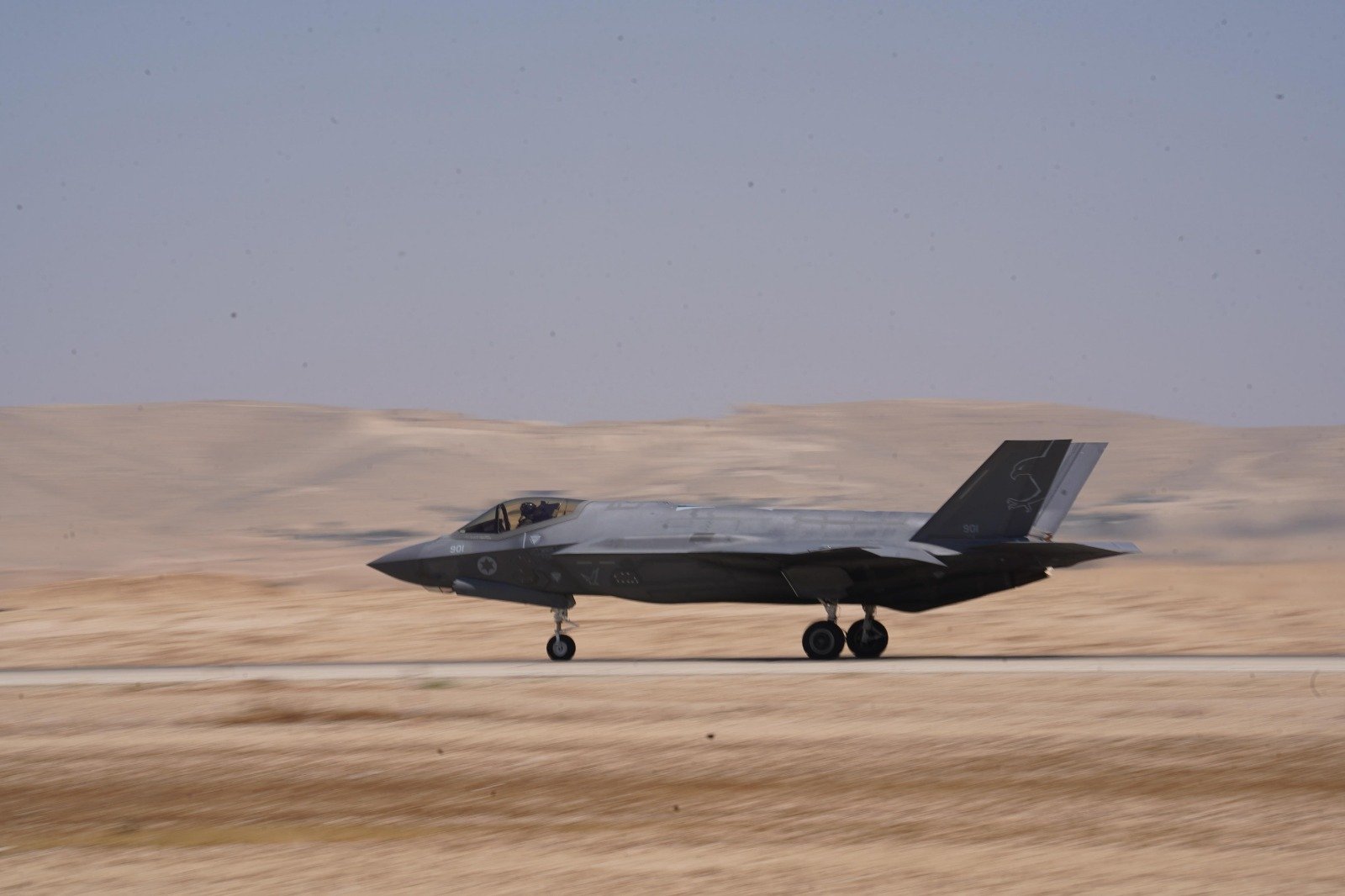
The Israeli Air Force presented an explicit objection to the US’s potential sale of F-35 fighter jets to Saudi Arabia in a formal position paper submitted to political leaders on Sunday, saying Israel’s air superiority in the region could be damaged by the deal.
On Monday, US President Donald Trump confirmed that Washington will be selling the advanced stealth jets to Saudi Arabia. If the sale goes through, it will likely take at least seven years for the first aircraft to be delivered.
The air force document submitted to lawmakers by the Israel Defense Forces was first reported by Ynet news, and later confirmed by the military, which said that it “presented its positions on the issue.”
According to the document, Israel’s air superiority could be eroded if other countries in the Middle East obtain the advanced stealth aircraft, something that Israel has expressed concern over several times in the past.
Israel is anxious to preserve its qualitative military edge (QME) in the region by having the most advanced aircraft, and in the past worked to prevent the sale of the F-35 to other nearby countries, including Turkey and the United Arab Emirates.
Last week, The New York Times reported that US intelligence and defense officials were also concerned by the possibility that selling the fighter jets to Saudi Arabia would harm Israel’s military dominance in the Middle East.
The report said there were also concerns in the American intelligence community that the F-35’s sensitive technology could reach China, while additionally upsetting the balance of power in the Middle East.
US congressional scrutiny could also pose challenges to any F-35 sale — lawmakers previously questioned arms deals with Riyadh following the 2018 murder of Saudi journalist Jamal Khashoggi, and some members of Congress remain wary of deepening military cooperation with the kingdom.
The Israeli government is thought to not oppose the sale to Riyadh in principle, while hoping that the US would condition it on Saudi Arabia agreeing to join the Abraham Accords.
But Riyadh has long conditioned that move on Israel agreeing to establish a pathway to a future Palestinian state, which Prime Minister Benjamin Netanyahu has refused to do.
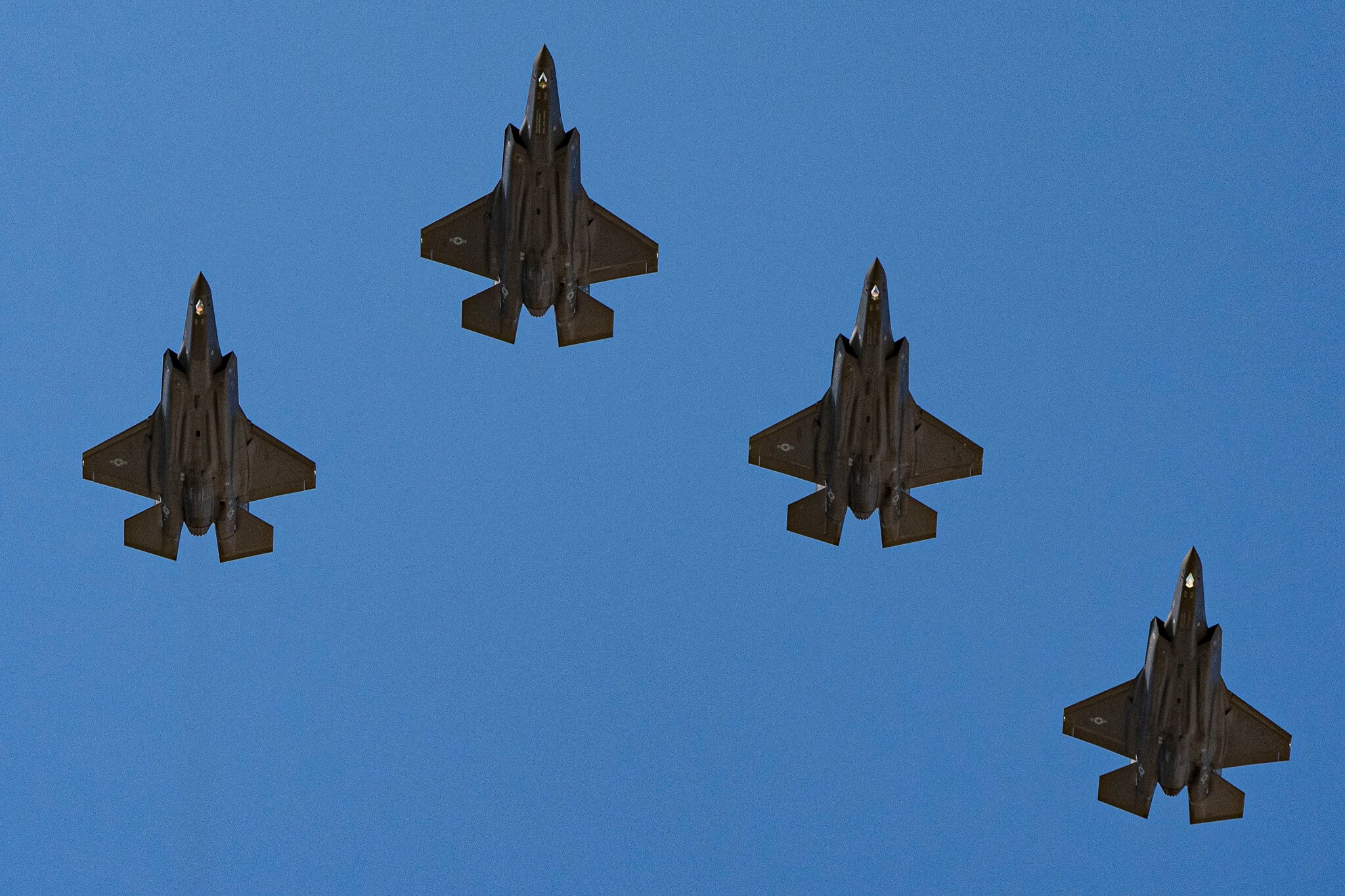
The F-35, built with stealth technology that allows it to evade enemy detection, is considered the world’s most advanced fighter jet.
Israel has operated the aircraft for nearly a decade, building multiple squadrons, and remains the only Middle Eastern country to possess it.
The Israel Air Force currently operates 45 of the aircraft with another 30 units on order.
Through close cooperation with manufacturer Lockheed Martin, Israeli defense firms have integrated proprietary technologies into the aircraft, including advanced electronic warfare systems, enhanced command and control capabilities, and locally developed weapons systems.
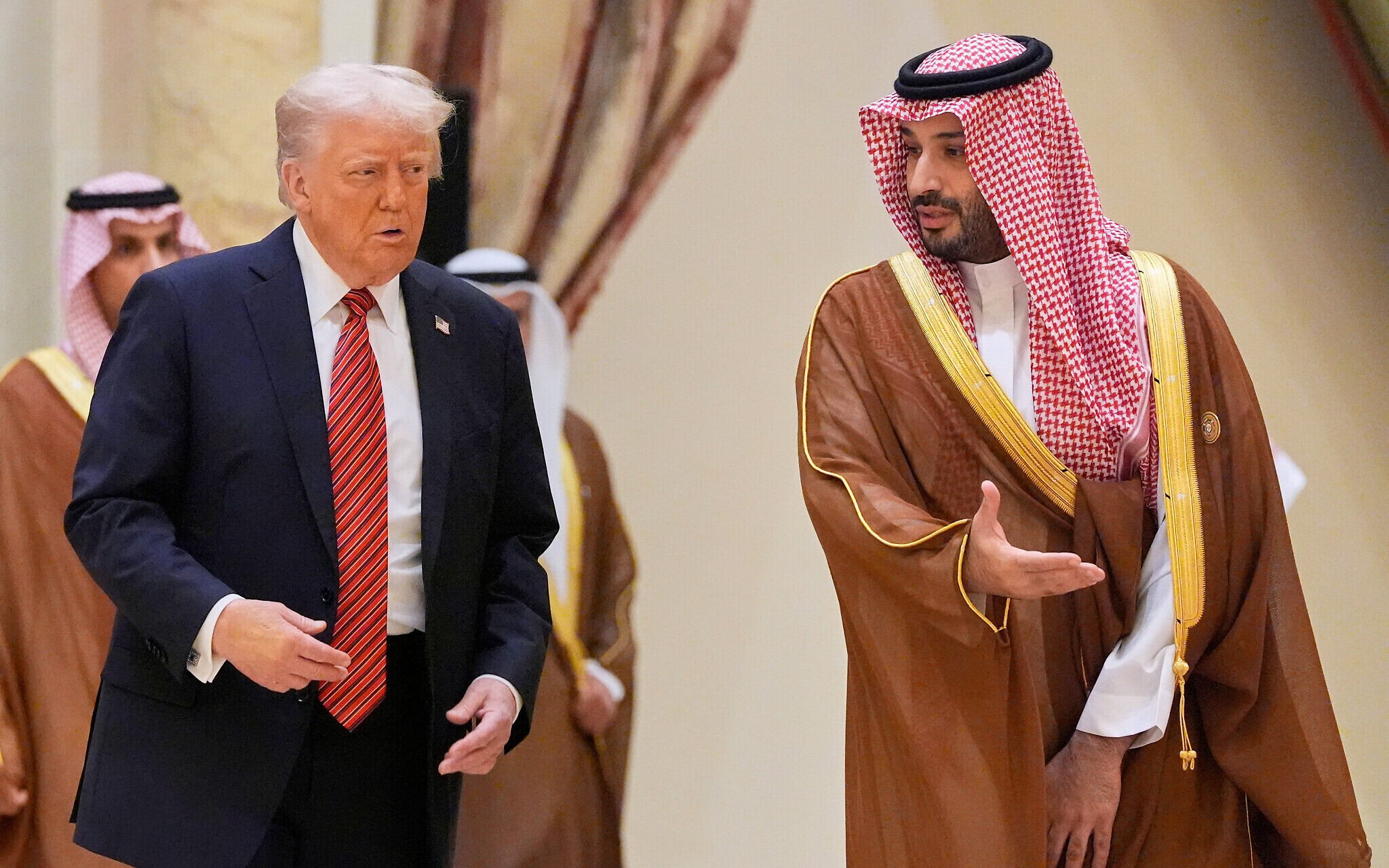
Crown Prince Mohammed bin Salman departed on Monday for a visit to the White House, his first since the 2018 murder of Washington Post columnist Khashoggi by Saudi agents prompted worldwide outrage and briefly upended ties with the kingdom’s longtime ally.
In his meeting with Trump on Tuesday, the Saudi crown prince is expected to press for security guarantees, in addition to the advanced weaponry.
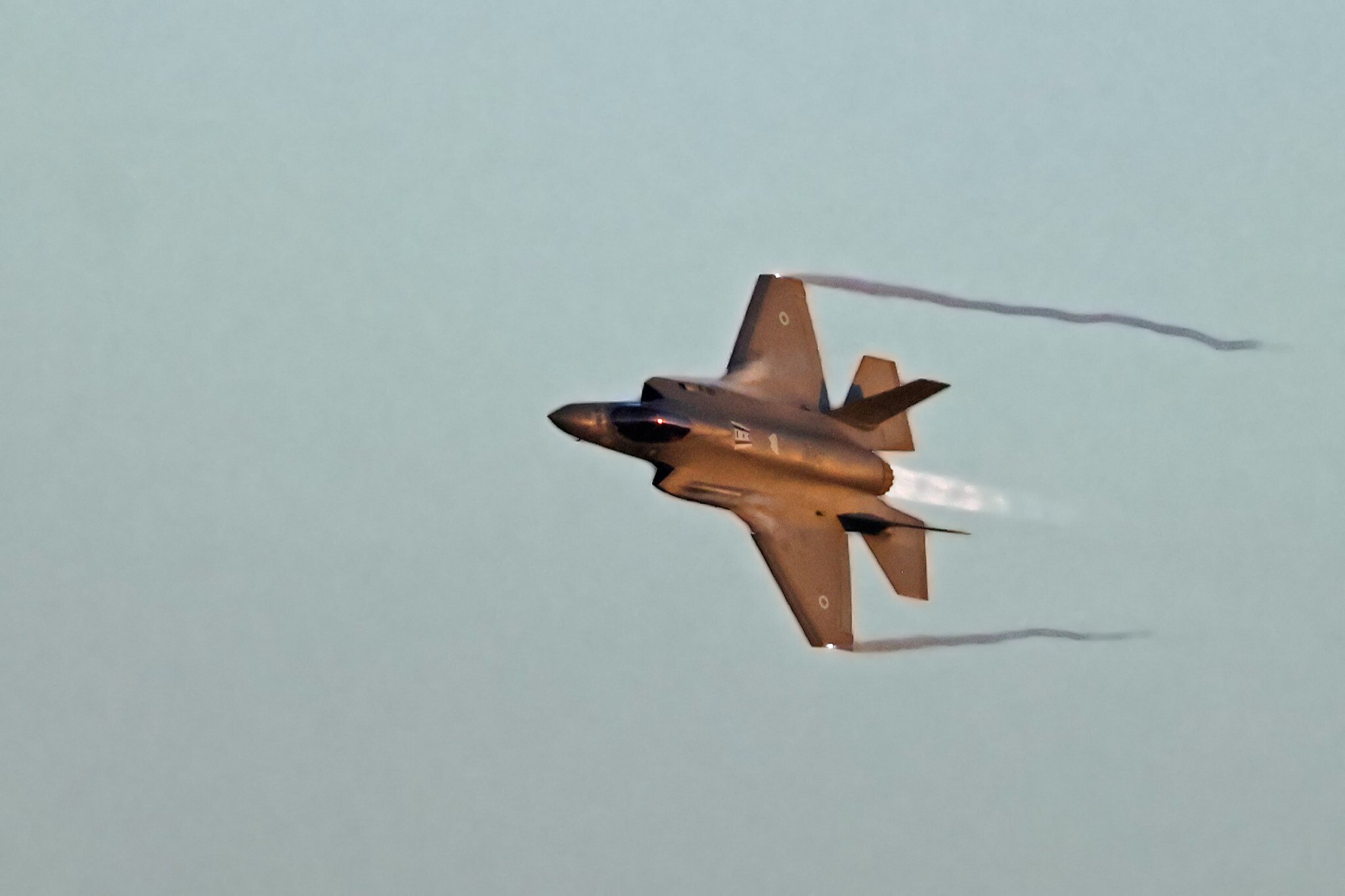
Saudi Arabia, the largest customer for US arms, has sought the F-35 fighter for years as it looks to modernize its air force and counter regional threats, particularly from Iran.
The kingdom’s renewed push for what would constitute two squadrons comes as the Trump administration has signaled openness to deepening defense cooperation with Riyadh. The Saudi Air Force flies a mix of fighter aircraft, including Boeing F-15s, European Tornados and Typhoons.
Trump has made arms sales to Saudi Arabia a priority since returning to office. In May, the United States agreed to sell the kingdom an arms package worth nearly $142 billion, which the White House called “the largest defense cooperation agreement” Washington has ever done.
In the final days of his first term, Trump signed off on a deal to allow the United Arab Emirates to purchase F-35s in a multi-billion dollar deal, but Abu Dhabi suspended talks at the end of that year, unable to agree to terms with the Biden administration.




The Times of Israel Community.