

IDF to extend Lebanon rocket warning time as Hezbollah pushed from border zone
Border towns previously told to immediately seek shelter will now have additional 15 or 30 seconds; troops find weapons cache in south Lebanon school, tunnels under church
 Add ToI as a Preferred Source on Google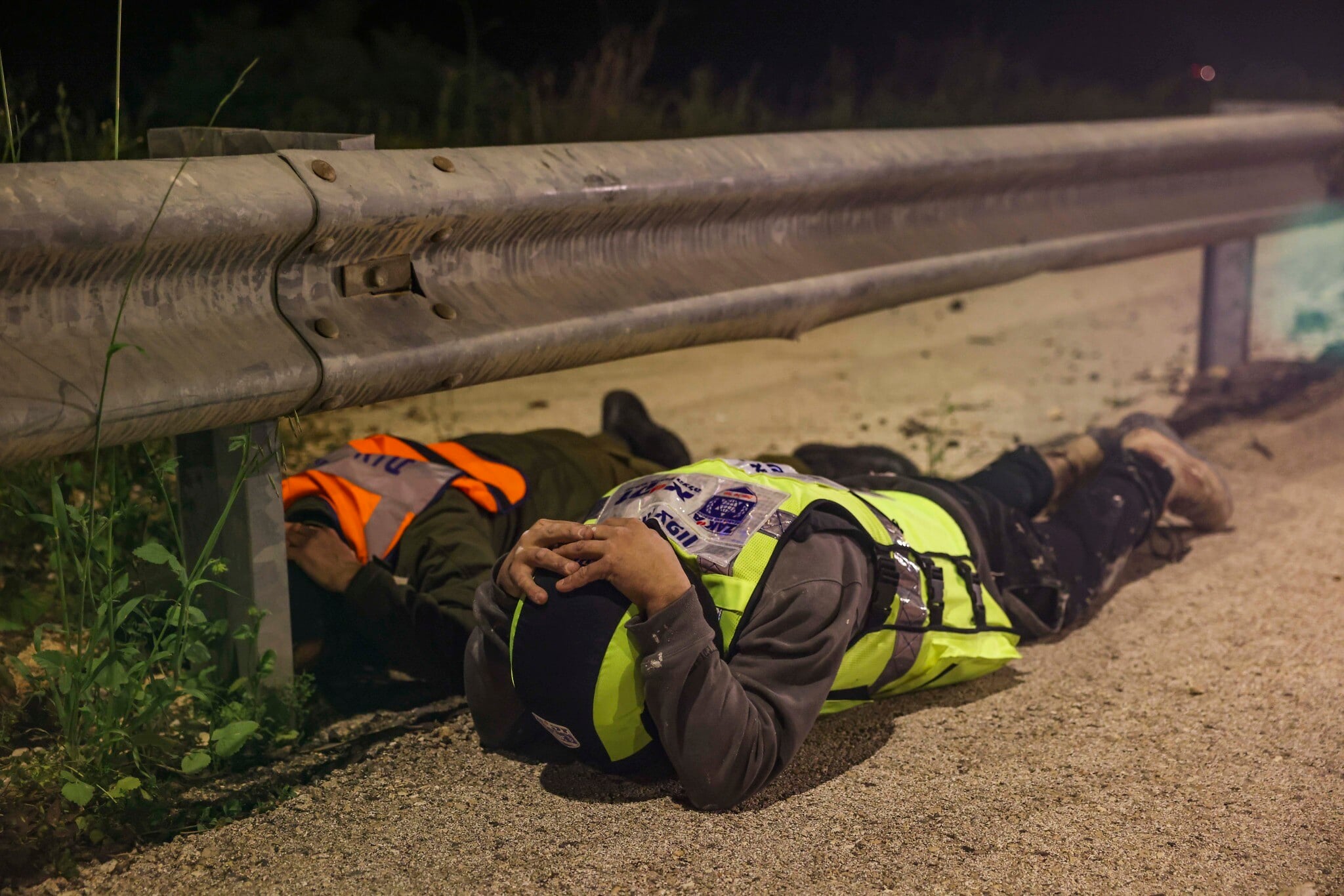
The IDF Home Front Command announced Friday that it will be extending the warning times for rocket fire from Lebanon, as Hezbollah has been pushed back further from the border due to recent Israeli military advances into southern Lebanon.
The move means that those in northern border communities that until now had to seek shelter immediately or within 15 seconds will now have slightly more time.
As the IDF has pushed forces into southern Lebanon, the military also said it has identified that Hezbollah is launching most of its rocket attacks on Israel from deeper within the country, including from areas north of the Litani River.
The Home Front Command, along with other military bodies, analyzed Hezbollah’s rocket fire along with the IDF’s detection systems and determined that dozens of communities near the border can get slightly longer warning times.
As part of the changes, the Home Front Command said that a total of 58 communities where the time to seek shelter was immediate will now have 15 seconds to do so; another eight communities where the time to seek shelter was immediate will now have 30 seconds; and six communities where the time to seek shelter was 15 seconds will now have 30 seconds.
For another 10 communities on the northern border, where the time to seek shelter is immediate, 15 seconds, or 30 seconds, no changes will be made at this stage, as the Home Front Command said it currently does not have enough data to adjust the warning times.
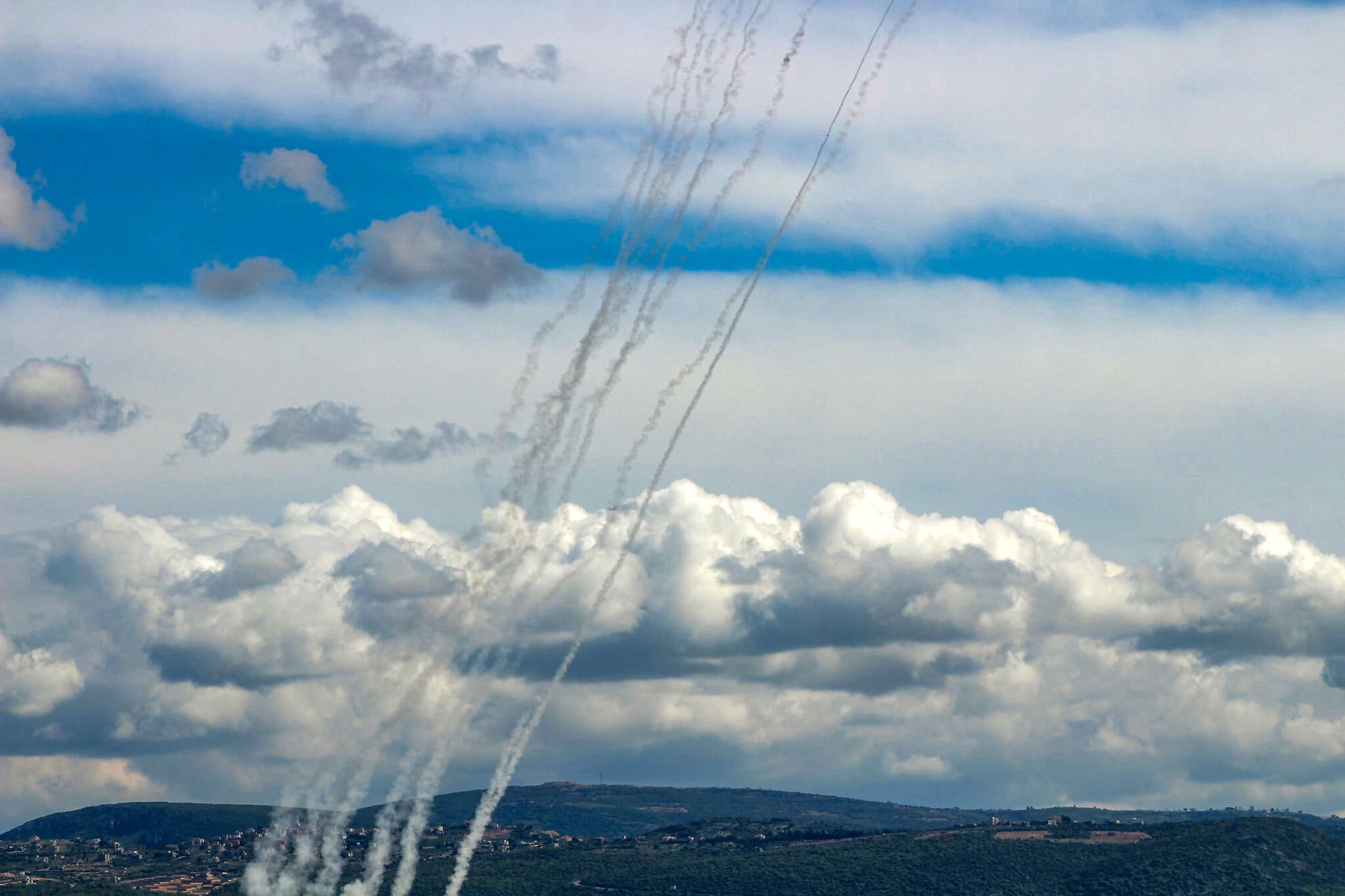
The move will take effect in the coming days, according to the Home Front Command, and may eventually also expand to other areas deeper in Israel following further review of Hezbollah’s attacks.
The change to the time to seek shelter for Hezbollah attacks from Lebanon is unrelated to the early warnings issued by the Home Front Command for ballistic missile attacks from Iran. Missile attacks from Iran take around 10 minutes to reach Israel, whereas rocket fire from Lebanon can be a matter of seconds.
In recent days, the IDF has identified an uptick in Hezbollah’s rocket attacks, though most have targeted troops in southern Lebanon, rather than Israel.
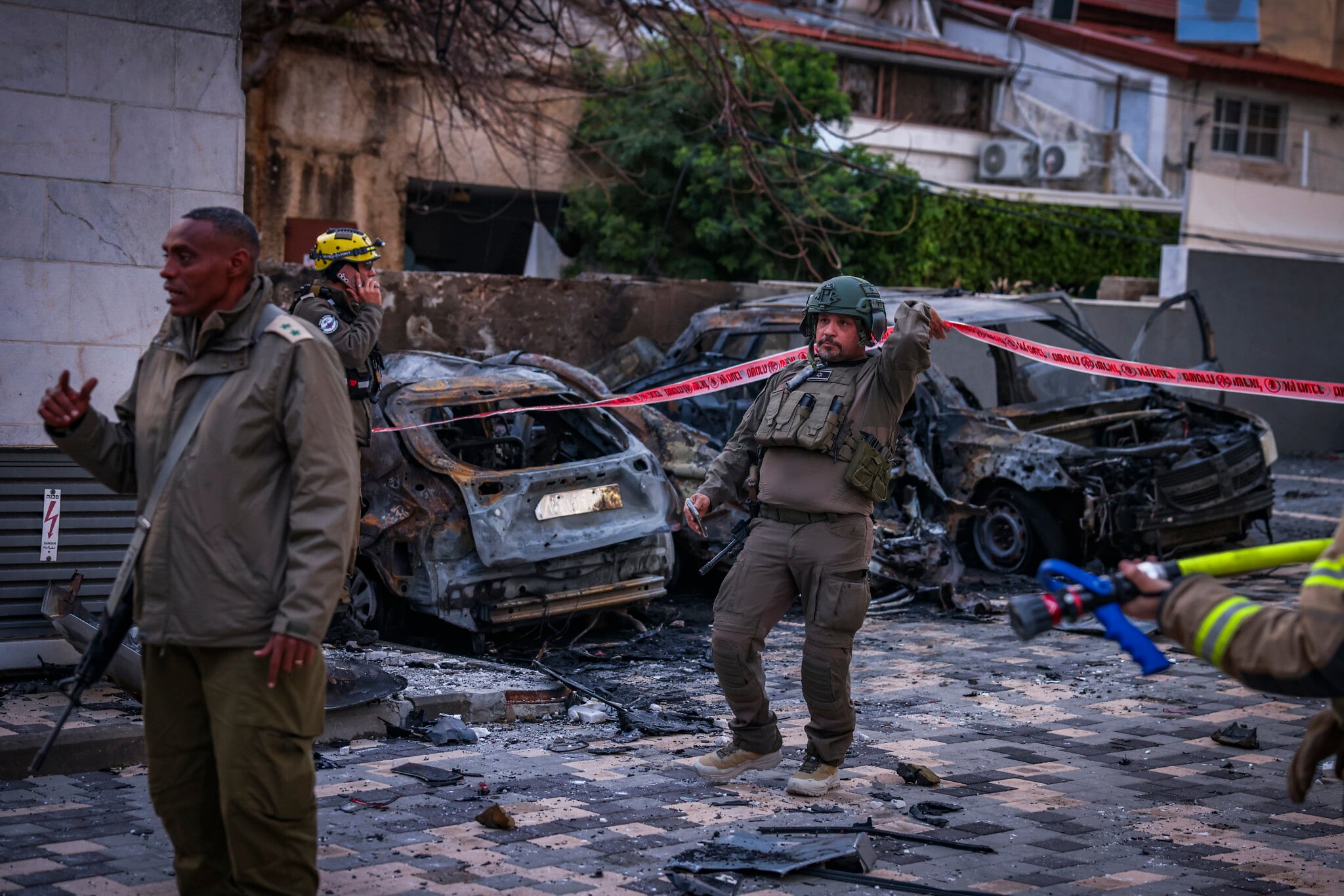
Hezbollah’s intensified rocket fire, which has targeted areas in Israel beyond the northern border communities, has killed two Israeli civilians and wounded dozens more.
The IDF believes Hezbollah still possesses thousands of short-range rockets, along with hundreds of longer-range projectiles, and has said that Hezbollah is launching most of its attacks from deeper within southern Lebanon, and not from close to the border.
The pace of Iran’s attacks on Israel has, meanwhile, remained steady at around 10 missiles a day in recent days, according to the military.
IDF finds Hezbollah weapons cache inside school, tunnel under church
As the Israeli military continues its advance into southern Lebanon, forces of the Israeli Navy’s elite Shayetet 13 unit recently captured a large cache of Hezbollah weapons at a school in the town of Khiam, the IDF said Friday, hours after announcing that soldiers uncovered a Hezbollah tunnel in the same town, which it said was built under a church.
The elite naval commandos set out for the raid following intelligence “indicating the presence of weapons in the school in the village of Khiam,” the IDF said.
At the school, the troops located hundreds of weapons, including anti-tank missiles, mortars, grenades, rocket launchers, assault rifles, mines and explosive charges, the army said.
The military added that it also located items bearing the logo of UNHCR, the United Nations agency for refugees, alongside the weapons.
Weapons found by IDF troops at a school in the southern Lebanon town of Khiam, in a video issued on March 27, 2026. (Israel Defense Forces)
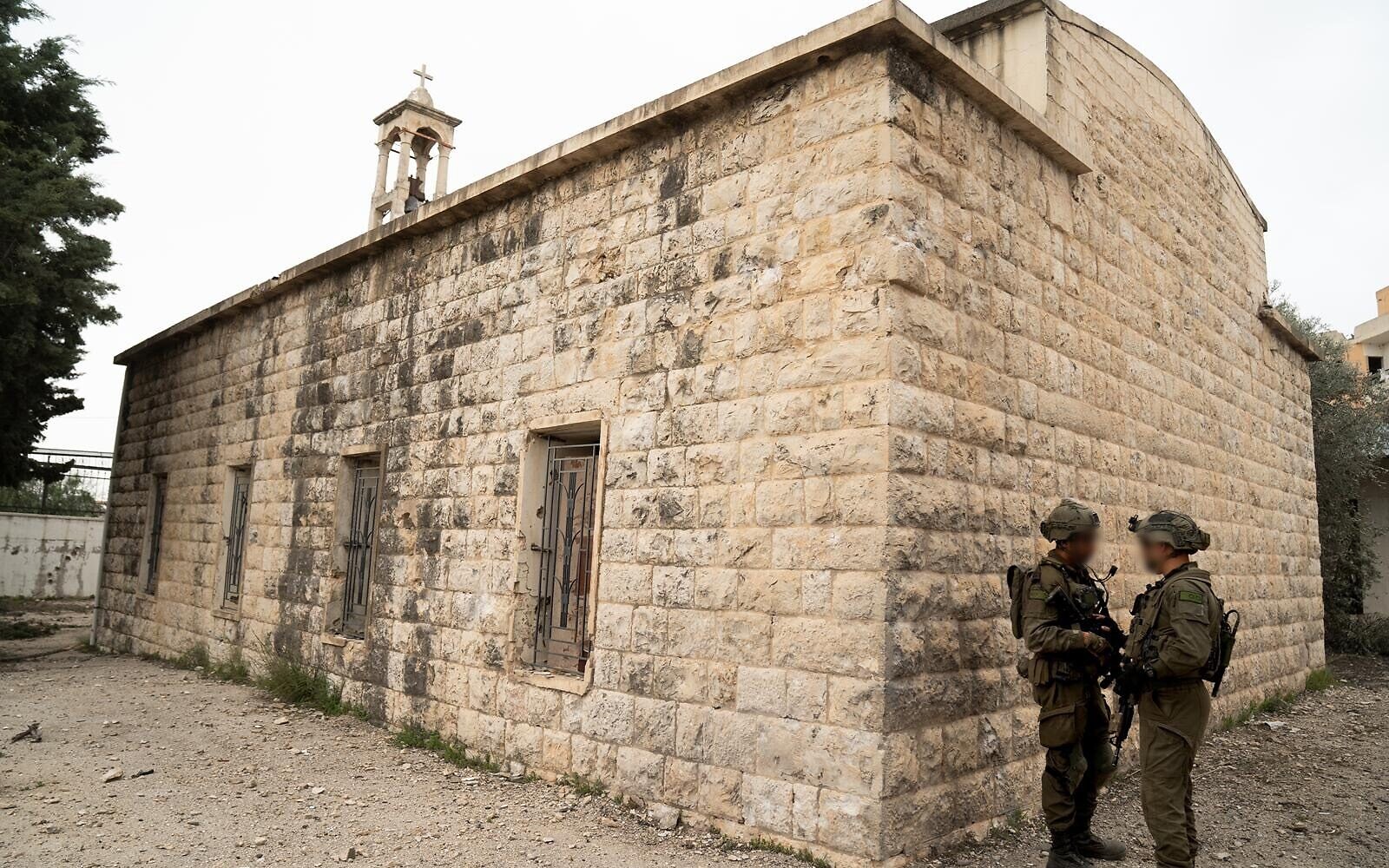
Earlier Friday, troops uncovered a Hezbollah tunnel that was built underneath a church in the same southern Lebanon town.
During scans conducted by the Givati Brigade in Khiam, troops located “an underground route that had been established in the church area,” the military said.
The IDF said the site had been used by Hezbollah in the past, noting that in December 2024, troops had cleared the area of weapons and operatives.
During the latest scans of the church, troops located three new tunnel shafts that the army said had been built by Hezbollah amid the 2024-2026 ceasefire, “indicating the reactivation of the infrastructure in the area.”
Meanwhile, the IDF said Friday that troops killed a Hezbollah operative who emerged from a tunnel and tried to attack them during recent operations in southern Lebanon.
Troops of the 401st Armored Brigade spotted the operative as he emerged from the tunnel and opened fire on the forces, the military said, adding that the troops quickly engaged the gunman and killed him, with no injuries caused to the forces.
Troops of the elite Yahalom combat engineering unit then scanned the tunnel, where the IDF said they located weapons, military equipment and maps.
The IDF said later Friday that it has killed at least 770 Hezbollah operatives in Lebanon since the terror group began firing at Israel in response to the latter’s killing of Iran’s supreme leader Ali Khamenei on February 28.
The 770 includes hundreds of members of the terror group’s elite Radwan Force, according to the IDF.
The number only includes operatives that Israeli intelligence officers have definitively identified, meaning the true number of dead Hezbollah fighters is likely higher, IDF officials said.
Also on Friday, the military announced that an IDF officer and a soldier were severely wounded in an “operational accident” during an encounter with Hezbollah operatives in southern Lebanon overnight. The two troops were taken to a hospital in serious condition and their families were notified.
According to an initial IDF probe, the pair were injured by a grenade that mistakenly exploded near them.
Four soldiers have been killed in Israeli operations inside Lebanon since hostilities resumed.
UN agency warns Lebanon nearing humanitarian catastrophe
Nearly a month into the Middle East war, Lebanon is facing a deepening humanitarian crisis that now risks teetering over into a catastrophe, the UN refugee agency warns.
Since March 2, more than a million people — one in five residents — have been forced to flee their homes, said the UN High Commissioner for Refugees.
“The situation remains extremely worrying and the risk of a humanitarian catastrophe… is real,” Karolina Lindholm Billing, the agency’s representative in Lebanon, told reporters in Geneva, speaking from Beirut.
“More than 136,000 displaced people are staying in 660 collective shelters, most of them schools, filled far beyond capacity,” she said, describing limited access to sanitation, while older people were struggling to sleep on classroom floors.
“Even in displacement, people no longer feel safe,” she said. “Families live in constant fear, and the psychological toll, particularly on children, will last far beyond the current conflict.”
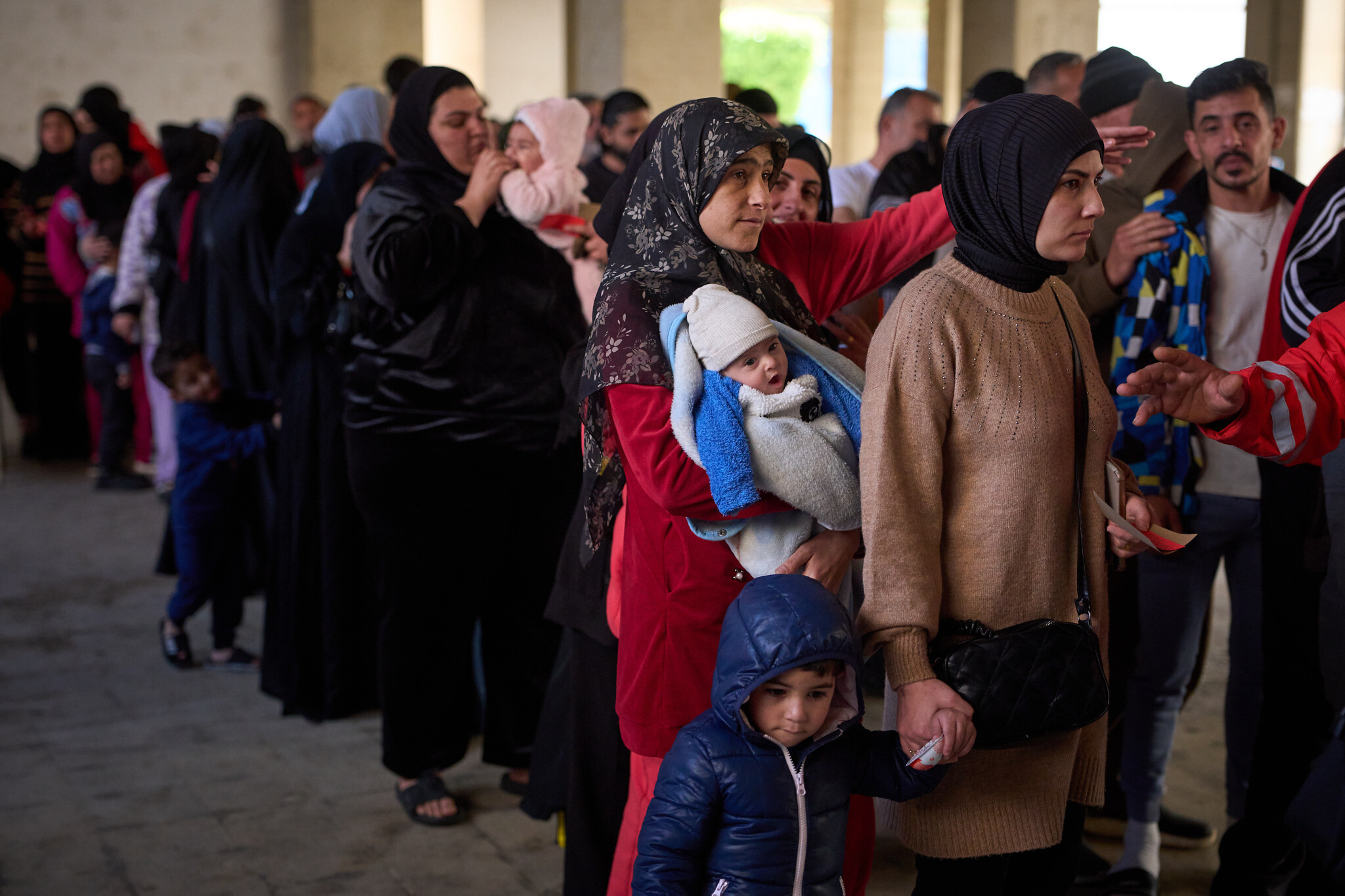
“Lebanon was already facing multiple crises, and this massive displacement is adding immense pressure on families and services,” Lindholm Billing said. “Again and again, people tell me the same thing: they simply want to go home.”
According to Lebanese authorities, Israeli strikes on the country since hostilities renewed earlier this month have killed at least 1,116 people, including 121 children, in tallies that do not differentiate between combatants and civilians.







The Times of Israel Community.