

Industrial zones, built up areas, suffer most heat in Gush Dan — study
Heat in built-up parts of Tel Aviv metropolis, including Bnei Brak, Ramat Gan, Bat Yam, Holon, and Rehovot, can be 4°C higher than in open areas in summer, 9°C higher in winter
 Add ToI as a Preferred Source on Google
Sue Surkes is The Times of Israel's environment reporter
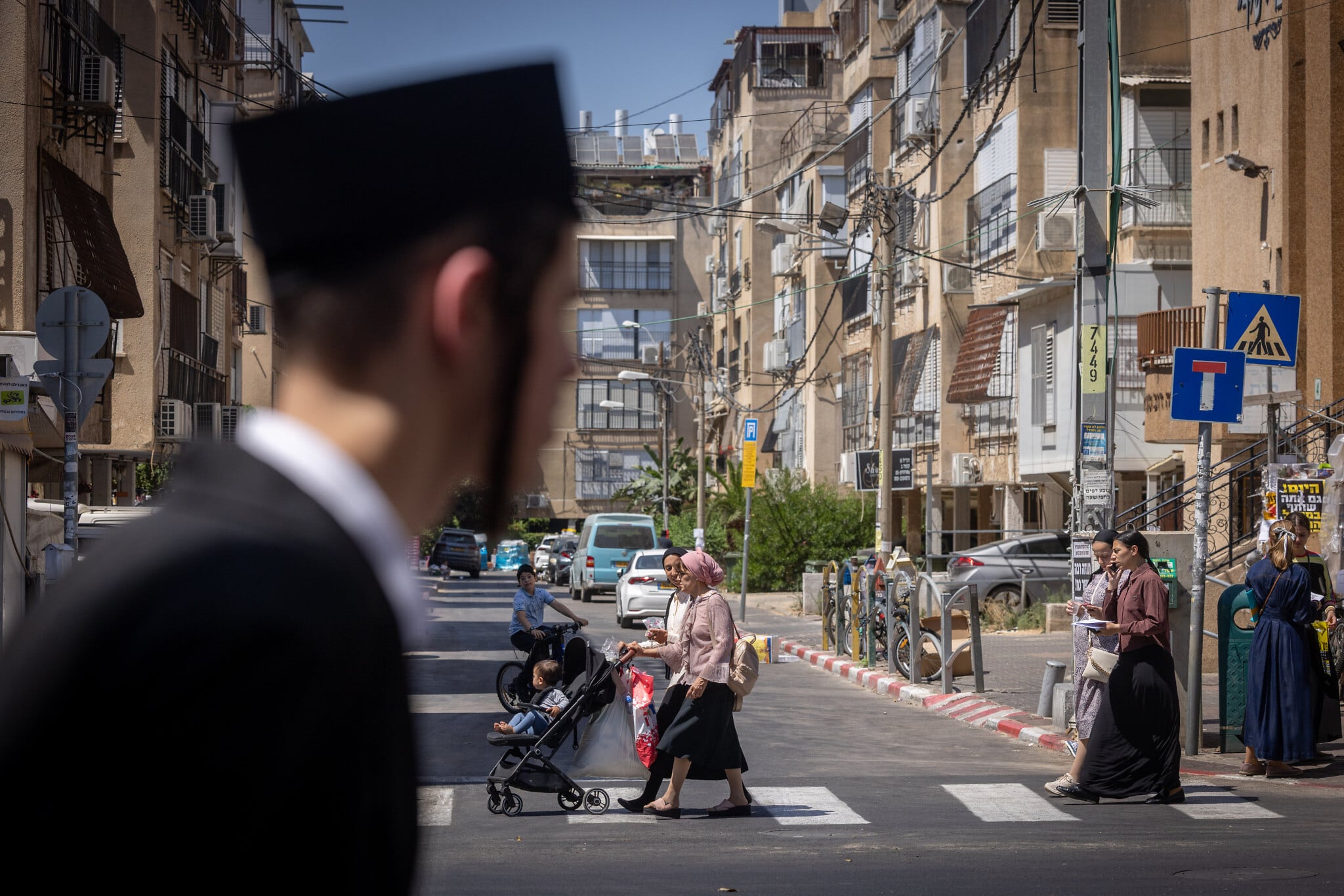
Temperatures in built-up areas of the Tel Aviv metropolitan area can reach up to 4°C (7.2°F) higher than in surrounding open areas in summer, and up to 9°C in winter, according to new research on so-called urban heat islands, an issue of growing concern for planners in an era of global warming.
The study, led by Prof. Oded Potchter of the central Holon Institute of Technology along with Tel Aviv University scientists Moshe Mandelmilch, Amit Goldberg and Prof. Yitzhak Omer, reveals microclimatic variations between specific parts of the metropolis and its greener hinterland, depending on the season, the time of day, and the type of urban landscape.
Differences in air temperatures where humans walk—the space between the ground and tree canopies—vary more in the summer (up to 4°C) than in winter (up to 2°C, or 3.6°F).
However, when looking at heat trapped on the surface of the ground, the reverse happens: surface temperature variations between the city and the countryside are more significant in winter (up to 9°C, or 16.2°F) than in summer (up to 4°C).
This happens because winter weather suppresses strong daytime heat accumulation, while clear or breezy winter nights allow rural ground to radiate heat away and cool rapidly compared to the city.
The most heat-retentive places are industrial areas, compact mid-rise residential neighborhoods like those in south Tel Aviv, and cities such as Bnei Brak, Ramat Gan, Bat Yam, Holon, and Rehovot, the study revealed. There, dense construction and a lack of cooling vegetation combine with dark, impervious surfaces that absorb and retain massive amounts of solar radiation rather than reflecting it.
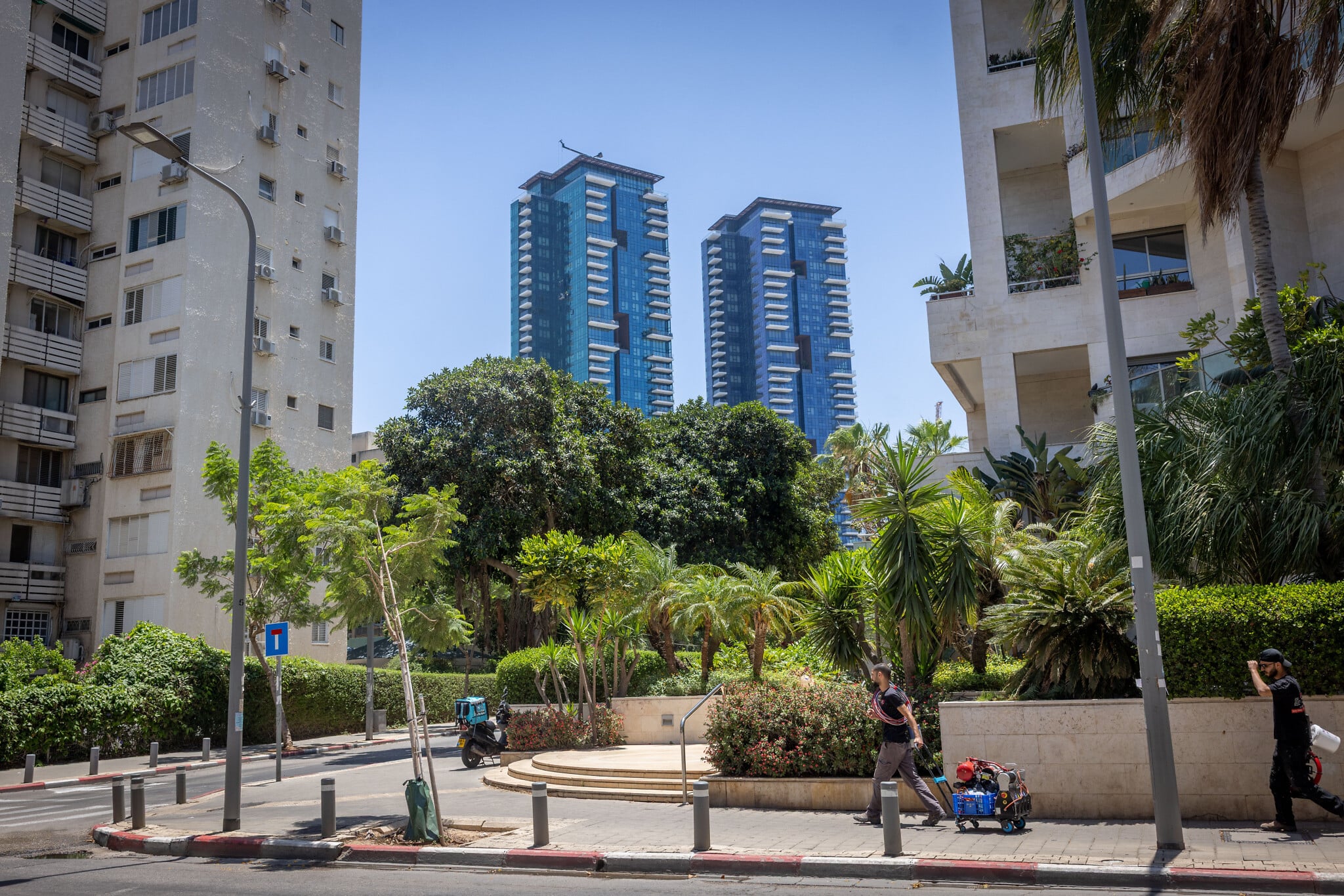
The differences were smaller when green areas were compared with the northern part of the metropolis, which is characterized by lower-density populations and more open construction.
The intensity of heat islands was also found to shift position,
Under the influence of the Mediterranean Sea breeze and local wind patterns, the heat moves eastward during daylight hours before drifting back westward toward the coast at night, regardless of the season.
With about 60% of its population living in urban areas, the Mediterranean is among the world’s most densely urbanized regions.
Israel stands out as one of the most urbanized countries in the Mediterranean Basin, with 93% of its population living in cities, according to World Group data from 2023, published this year. The UN classifies Israel as a climate hotspot because temperatures are rising faster than the global average as a result of climate change.
The study, based on data from satellites, fixed meteorological stations, and infrared measurements, was published this month in the journal Urban Climate.









The Times of Israel Community.