

Iran’s FM says ‘guiding principles’ agreed on with US after 2nd round of nuclear talks
After Trump and Khamenei traded threats, Araghchi calls Geneva talks ‘constructive’; Iran insists dialogue will only cover nuclear program, sanctions, as it holds Gulf exercise
 Add ToI as a Preferred Source on Google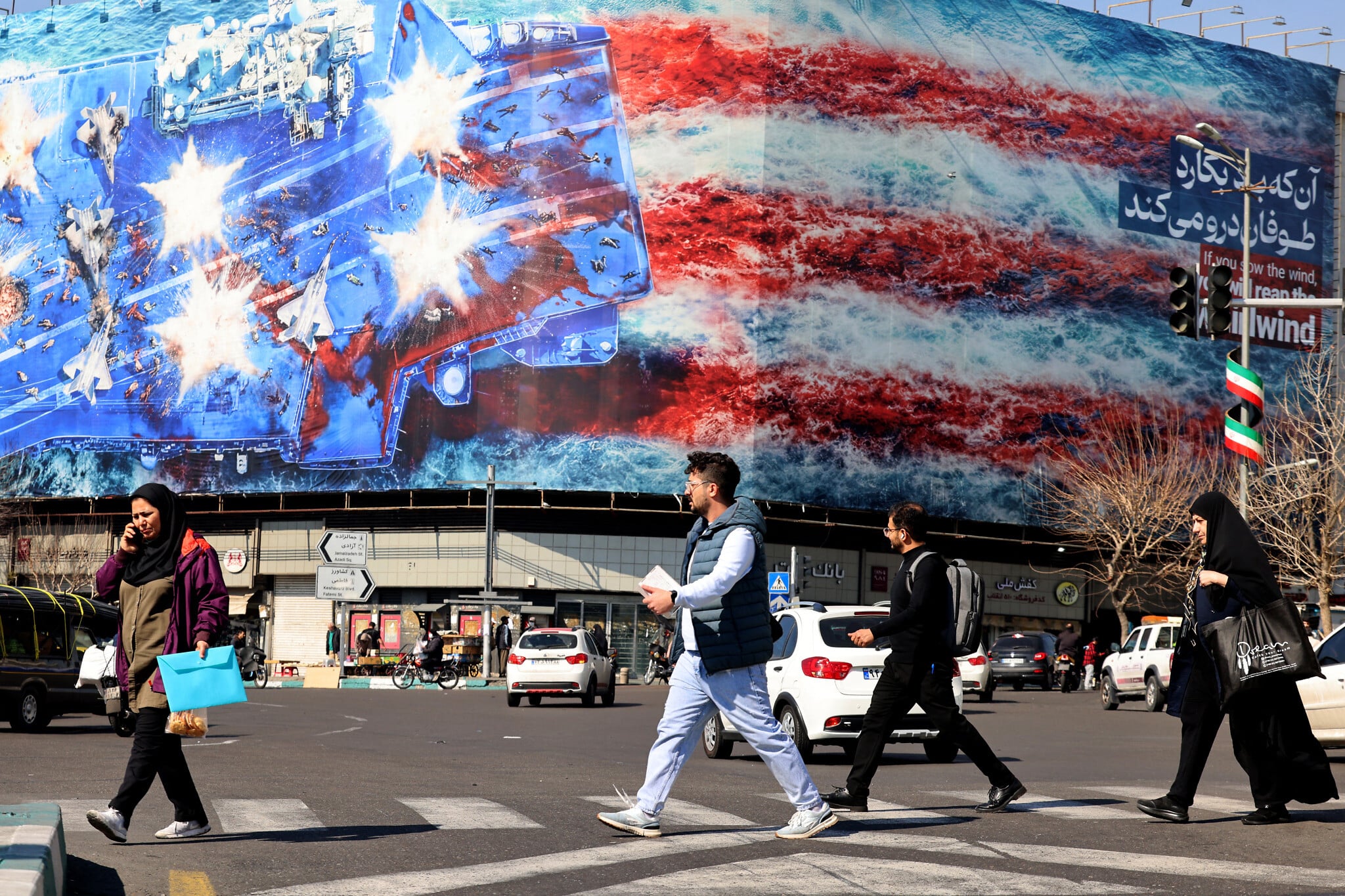
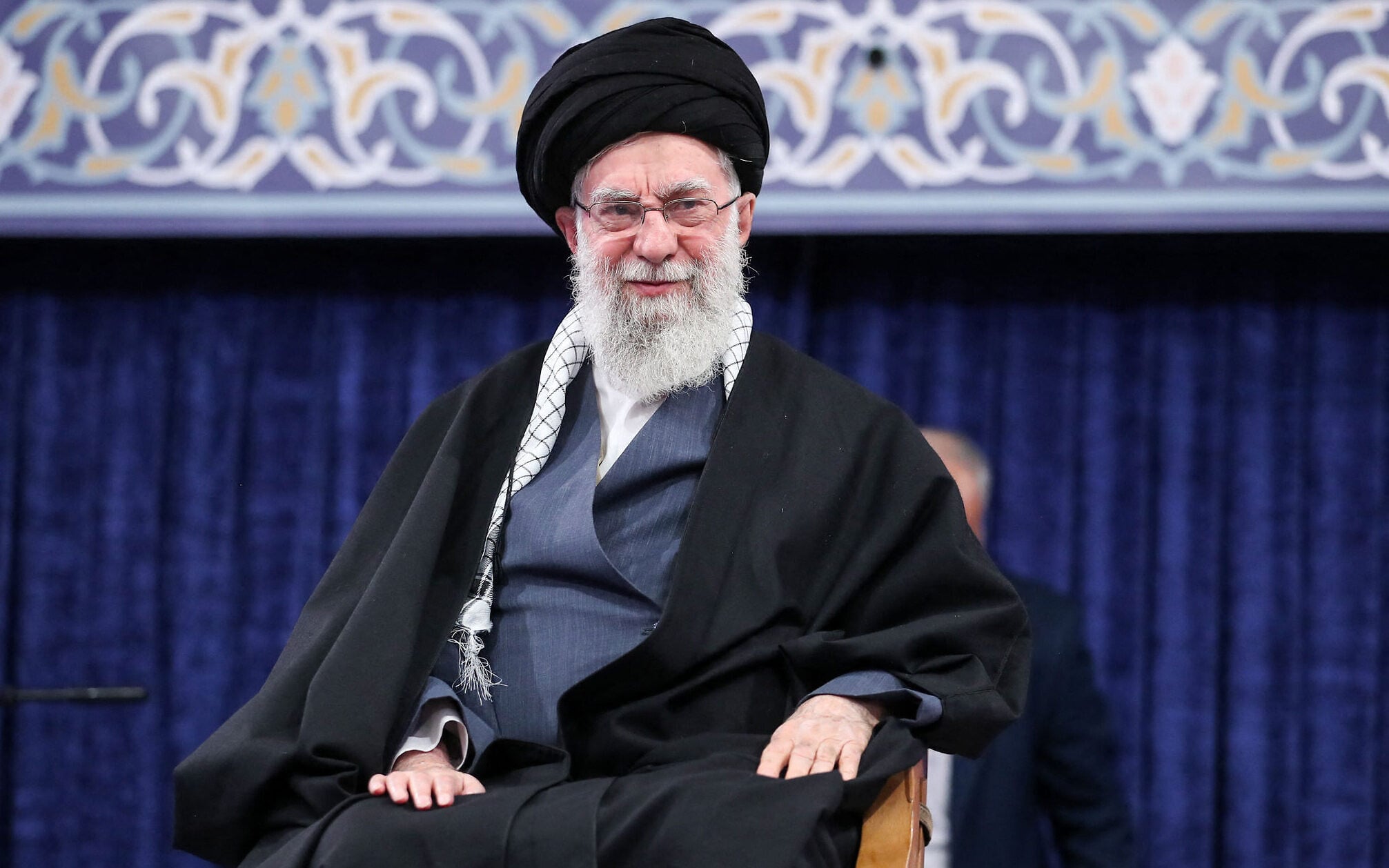
Iran and the United States held a second round of talks over Iran’s nuclear program in Geneva on Tuesday, with Iranian Foreign Minister Abbas Araghchi saying afterward that an understanding had been reached on the main “guiding principles” but work still needed to be done.
The talks were being mediated by Oman, which hosted the first round in Muscat on February 6. The negotiations commenced amid a significant US military buildup in the region, which Trump has repeatedly threatened to use, first over a deadly crackdown on protesters last month and then more recently over Tehran’s nuclear program.
The progress does not mean an agreement will be reached soon, but the path has started, Araghchi told Iranian media after the talks concluded. He called the talks “constructive” but added that no date has been set for a third round of negotiations.
“Ultimately, we were able to reach broad agreement on a set of guiding principles, based on which we will move forward and begin working on the text of a potential agreement,” Araghchi told state TV.
“It was agreed that both sides would work further on draft texts for a potential agreement, after which the drafts would be exchanged, and a date for a third round would be set,” he said.
He also called on Washington to immediately desist from threatening the use of force against Iran.
Araghchi’s optimistic tone following the talks came in stark contrast to threats exchanged earlier between US President Donald Trump and Iran’s Supreme Leader Ayatollah Ali Khamenei.
“I don’t think they want the consequences of not making a deal,” Trump told reporters aboard Air Force One ahead of the talks. Days earlier, Trump said regime change in Iran “would be the best thing that could happen.”
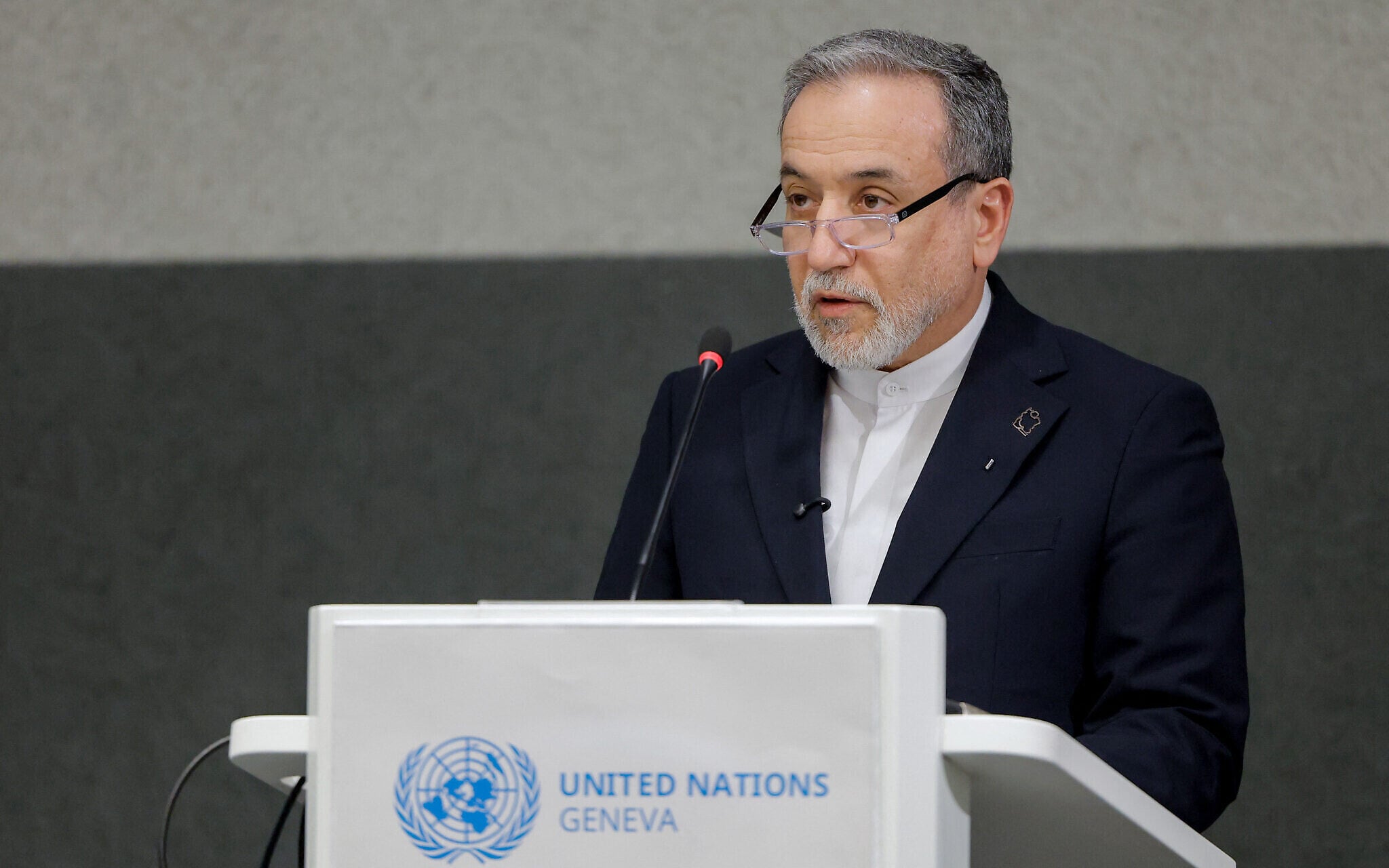
Khamenei snapped back, saying Trump would not succeed in destroying the Islamic Republic, and threatening to sink a US warship deployed in the Gulf.
“In one of his recent speeches, the US president said that for 47 years, America has not succeeded in destroying the Islamic Republic… I tell you: You will not succeed either,” said Khamenei in a speech Tuesday.
“We constantly hear that [the US] has sent a warship toward Iran. A warship is certainly a dangerous weapon, but even more dangerous is the weapon capable of sinking it,” Khamenei declared.
The USS Abraham Lincoln is in the region along with a strike group that includes guided-missile destroyers. A second aircraft carrier, the USS Gerald R. Ford, is also on its way to the region from the Atlantic Ocean, and is expected to arrive in a number of weeks.
Iran closed the Strait of Hormuz for several hours Tuesday as its military held live fire military exercises. Iran also held a live fire drill in the Strait of Hormuz several weeks ago but did not announce closures.
Representing Washington in the talks with Araghchi were Trump’s special envoy Steve Witkoff and the US president’s son-in-law Jared Kushner.
On Monday, Araghchi met with his Omani counterpart Badr Albusaidi in Geneva to discuss his country’s position “regarding nuclear issues and sanctions relief,” and stressed Tehran’s “seriousness in using result-oriented diplomacy to secure the legitimate interests and rights of the Iranian people” and preserve peace in the region, according to a ministry statement.
Araghchi also held a meeting with Rafael Grossi, head of the United Nations nuclear watchdog, which the diplomat said covered “deep technical discussions” accompanied by nuclear experts. It was the first meeting between Tehran and the International Atomic Energy Agency chief since Iran suspended all cooperation with the agency following a 12-day war with Israel in June.
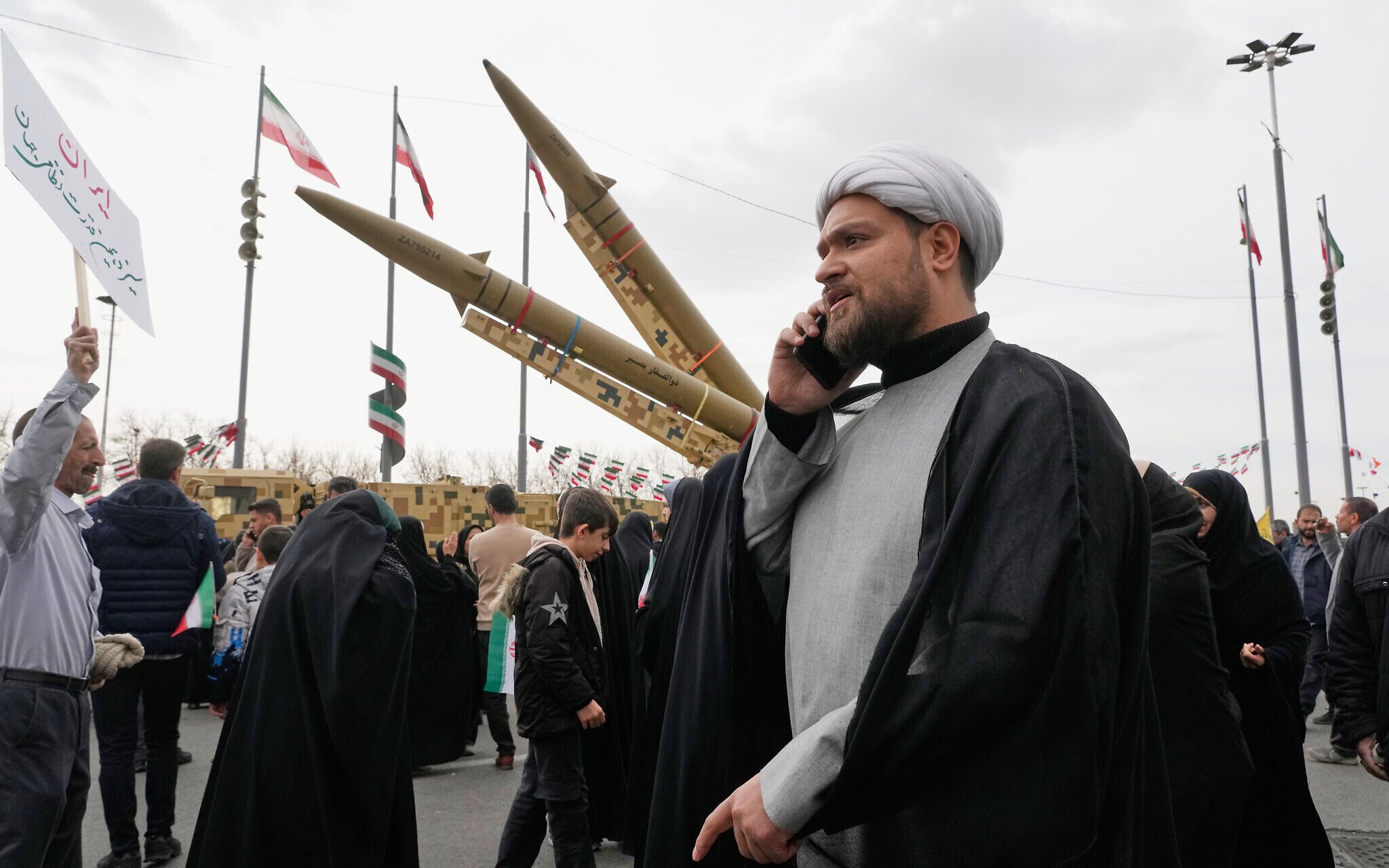
Iran has insisted that the discussions with the US be limited to the nuclear issue, though Washington has previously pushed for other topics to be discussed, including Tehran’s ballistic missiles program and its support for terror groups in the region, including Hamas in Gaza, Hezbollah in Lebanon and the Houthi rebels in Yemen.
Key to the chance of agreement, a senior Iranian official said Tuesday, was the US’s seriousness about lifting sanctions, and the avoidance of “unrealistic” demands, such as those relating to missiles and proxy groups.
The official, who declined to be named, claimed Tehran is coming to the negotiating table with “genuine and constructive proposals.”
Echoing the official’s emphasis on sanctions relief as the key to an agreement, Iran’s foreign ministry spokesman said that “sanctions lifting is part and parcel of any deal on the nuclear issue.”
Iran has faced crippling international sanctions for decades, and such measures have ramped up in recent years, contributing to the near-collapse of the Iranian economy.
Iran, whose leaders are sworn to destroy Israel, denies seeking to acquire nuclear weapons, but has enriched uranium to levels that have no peaceful application, obstructed international inspectors from checking its nuclear facilities, and expanded its ballistic missile capabilities.
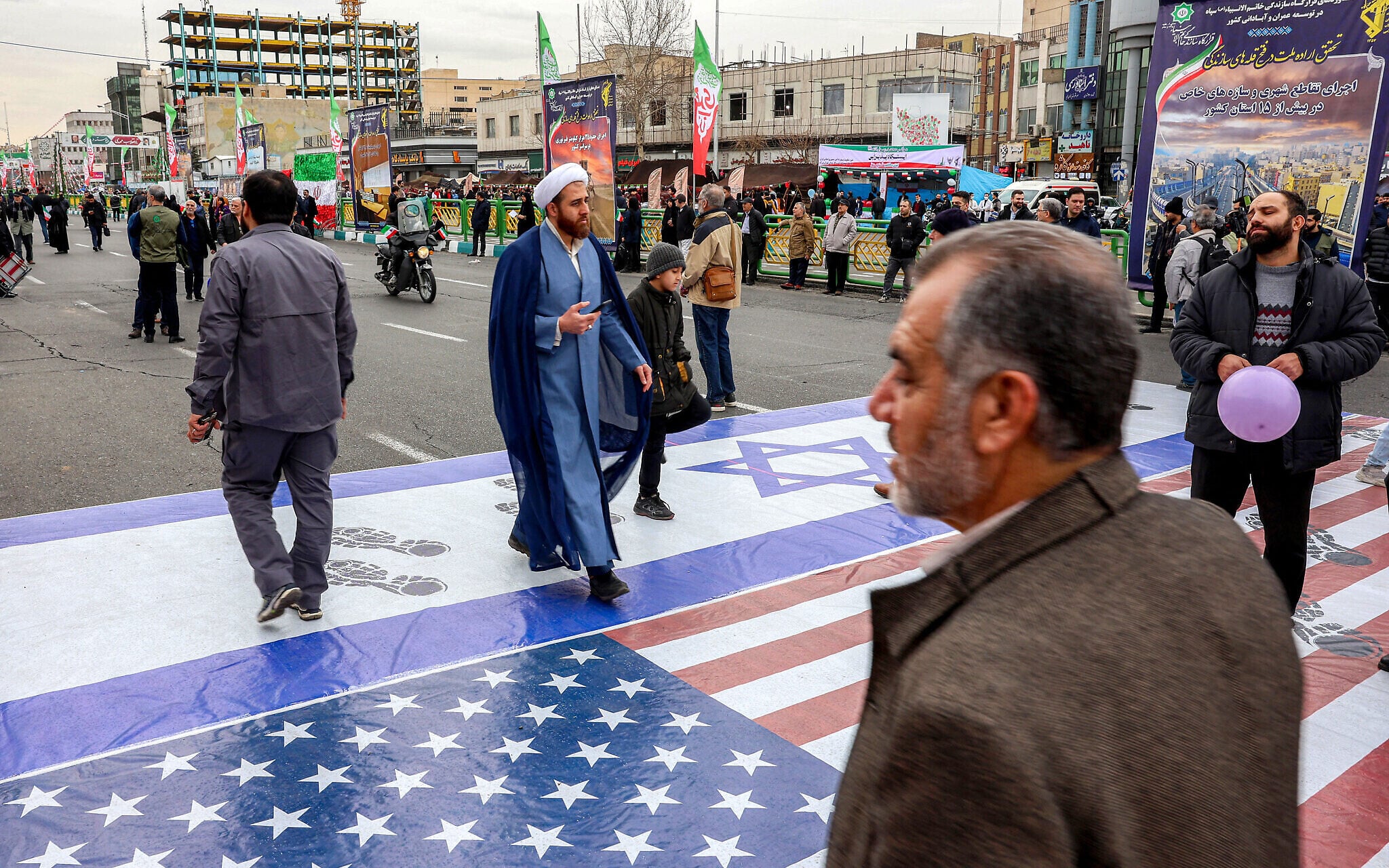
Last week, after returning from a meeting with Trump at the White House, Prime Minister Benjamin Netanyahu said that any agreement with Iran must cover “not only the nuclear issue, but also ballistic missiles and Iran’s regional proxies.”
The premier expressed “general skepticism about the possibility of reaching any agreement with Iran,” but said Trump believes the Iranians could be forced into “a good deal.”
The US is also hosting talks between envoys from Russia and Ukraine in Geneva on Tuesday and Wednesday, days ahead of the fourth anniversary of the all-out Russian invasion of its neighbor.







The Times of Israel Community.