

Is the prime minister’s vacant residence in danger of becoming a metaphor?
Shouldn’t Naftali Bennett, figuratively speaking, be a little more clearly in residence?

 Add ToI as a Preferred Source on Google
David Horovitz is the founding editor of The Times of Israel. He is the author of "Still Life with Bombers" (2004) and "A Little Too Close to God" (2000), and co-author of "Shalom Friend: The Life and Legacy of Yitzhak Rabin" (1996). He previously edited The Jerusalem Post (2004-2011) and The Jerusalem Report (1998-2004).
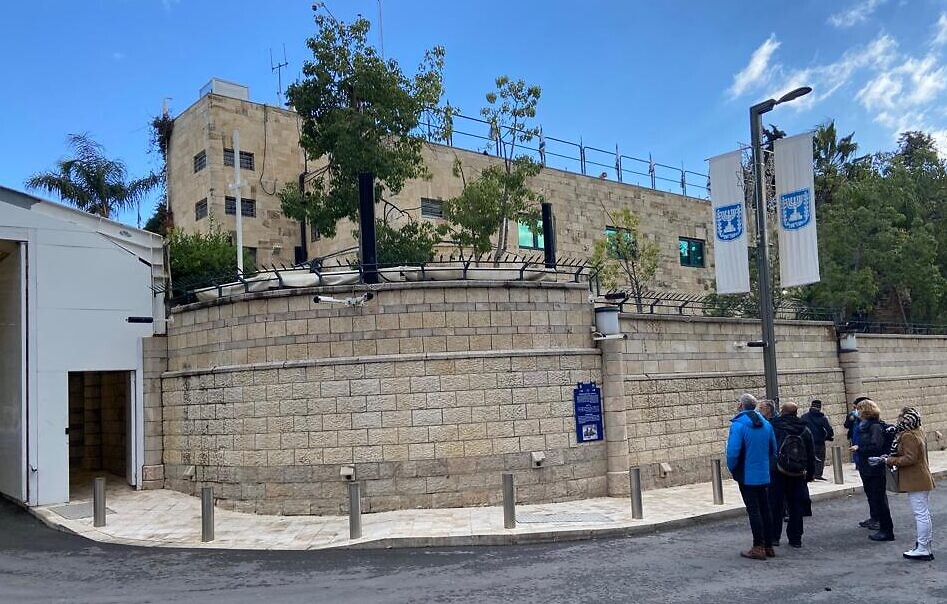
For years, the area around the intersection of Jerusalem’s Balfour Street and Smolenskin Street was bitterly, sometimes violently contested territory.
At the height of opposition to Benjamin Netanyahu’s premiership, tens of thousands of people would gather along the adjacent Ben Maimon Street to demand his resignation for alleged corruption and a multitude of other sins. Critics and defenders held friction-filled rival sit-ins and sleep-ins next to each other. Police waded in on horseback and with water cannons to disperse anti-Netanyahu protests deemed to have overrun their authorized timeslots or spread beyond their authorized location.
The Netanyahus complained of incitement against them. The neighbors complained about the crowds and the noise. Courts heard petitions from some groups seeking to ban or distance the protests, and from others seeking to enlarge them.
In periods when the pandemic saw Israelis largely barred from major social gatherings, the Balfour protests were just about the only place in Jerusalem where people were allowed to congregate — the right to demonstrate, albeit with limitations, taking precedence even over the imperative to prevent the spread of a deadly virus.

Going to the Balfour-Smolenskin-Ben Maimon junction today, you wouldn’t know any of this.
Gone, together with their tents and their billboards, are the protesters of every camp. Gone are the cops. Because, of course, gone too are the Netanyahus — a reluctant departure in July, almost a month after Benjamin lost power.
And the post-Netanyahu, elected could-be occupants of 9 Smolenskin Street — better known as Beit Aghion and, best known, since the mid-1970s, as the Prime Minister’s Residence — have never moved in. Naftali Bennett and his wife Gilat have chosen to remain in their Ra’anana home, near their four kids’ schools, where Bennett has lately been in quarantine because his daughter caught COVID.
Prime Minister Bennett did put in an appearance at the residence on December 1, distributing a photograph apparently designed to remind Israelis that he could live there if he wanted to.
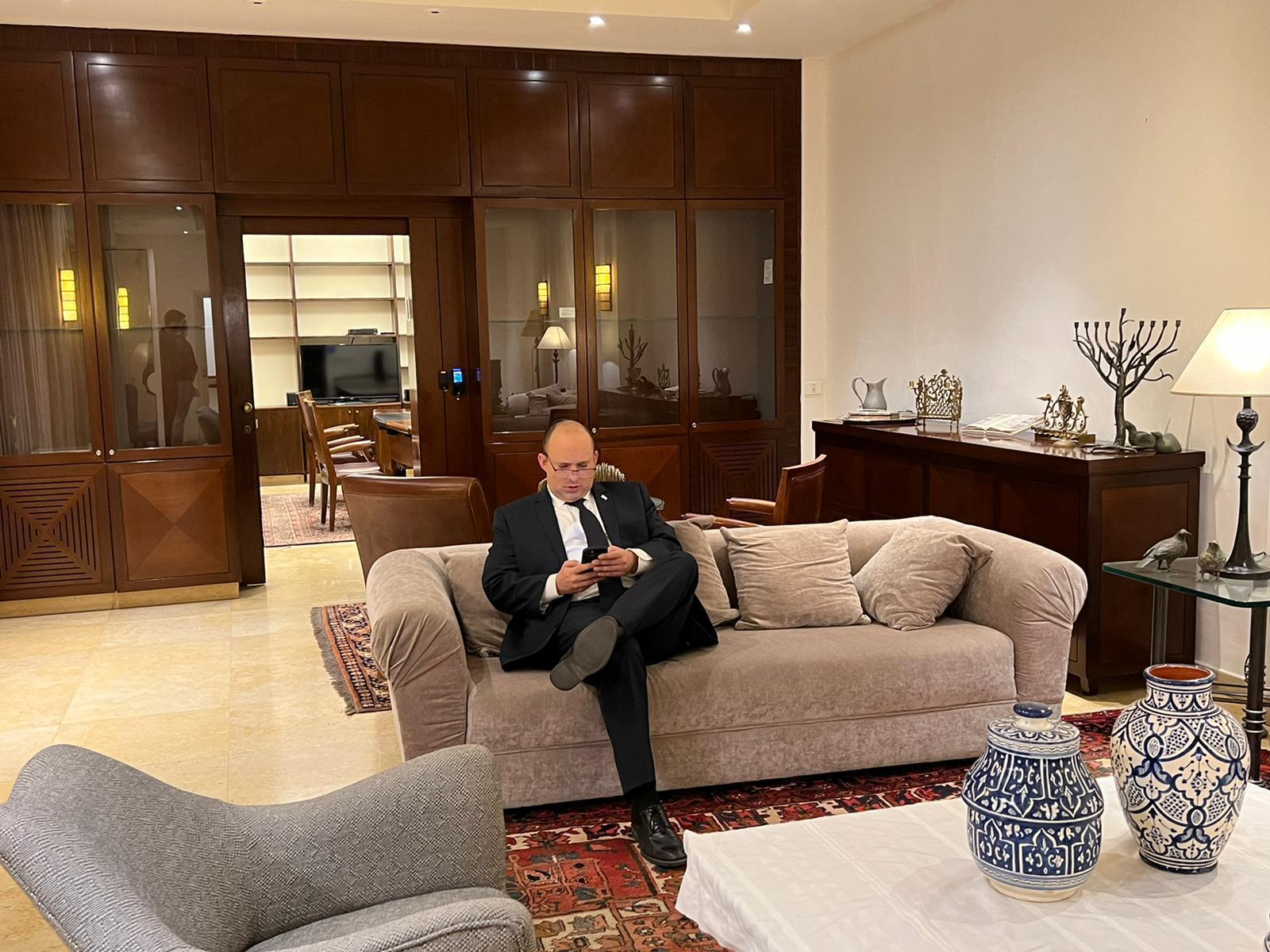
But the building is now to undergo major security, infrastructure and other renovations that could reportedly take up to a year; Sara Netanyahu was apparently justified in her oft-aired complaints that the home was starting to collapse around them.

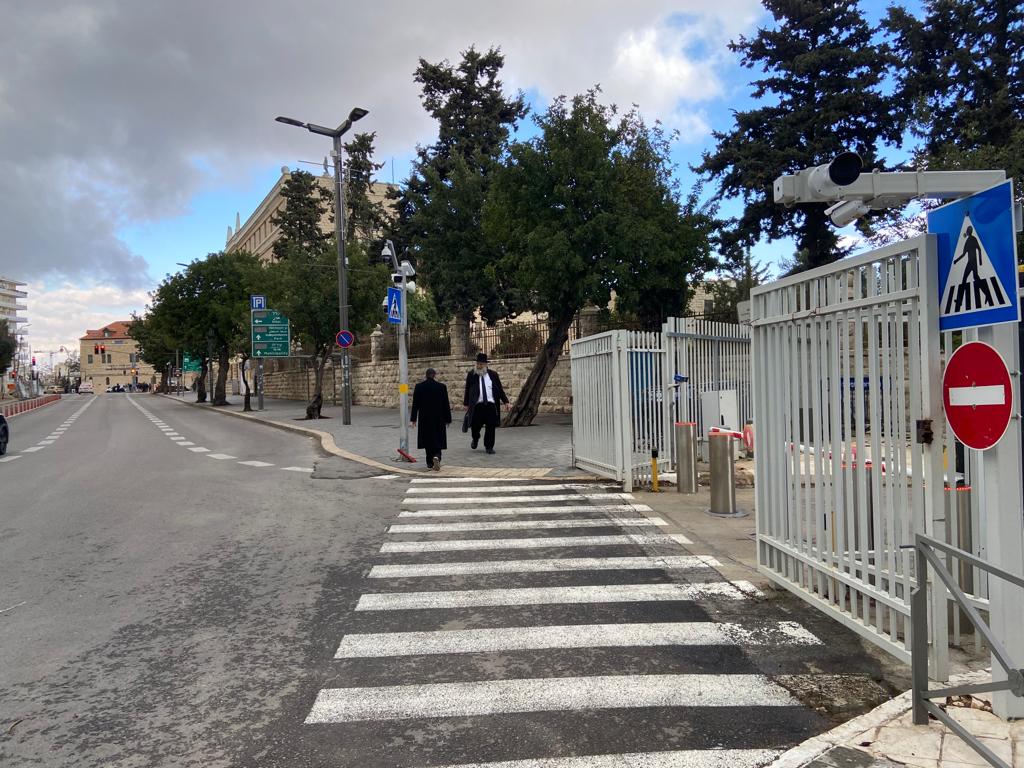
What’s striking is that with no prime minister in residence or in prospect, the outside of the home and the surrounding buildings along Balfour Street and Smolenskin Street are, for the first time in 20 years, entirely accessible to the general public.
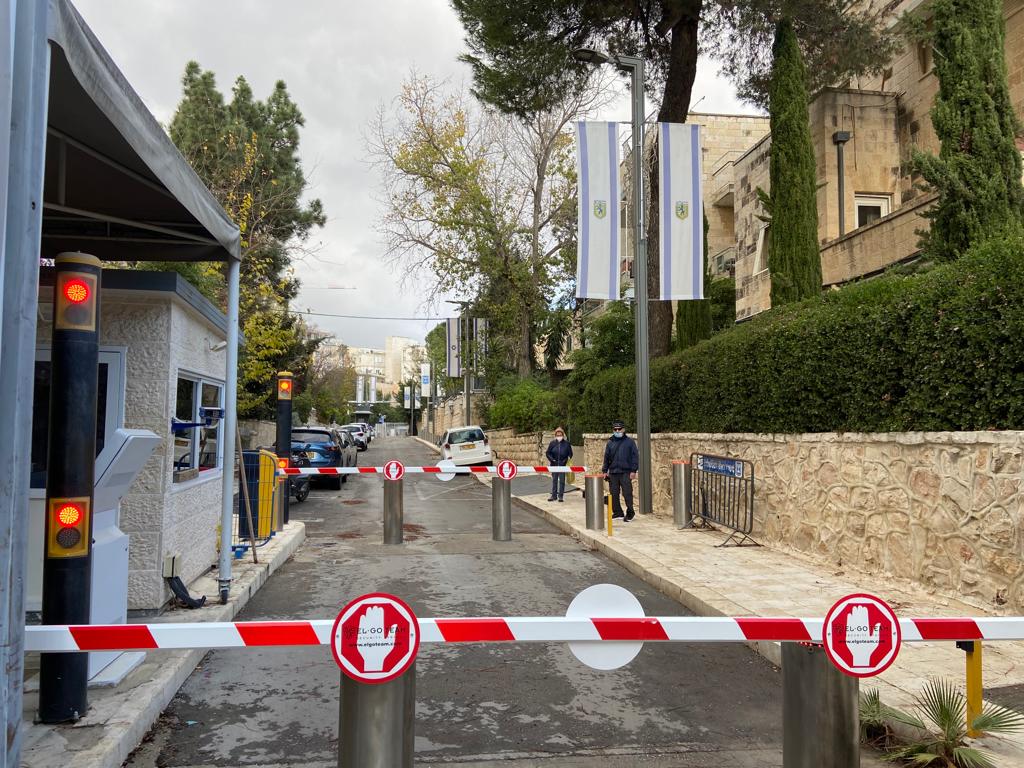
During one anti-Netanyahu rally about a year ago, a few protesters breached a security checkpoint at the intersection, still quite a distance from the residence, and the Netanyahus were reportedly rushed to a secure room deep in the residence.
Today, the brick-and-mortar — actually, Jerusalem stone — focus of so much impassioned Israeli public sentiment, the physical locus of our immense, bitter national divide, stands abandoned. Unsecured. Largely ignored.
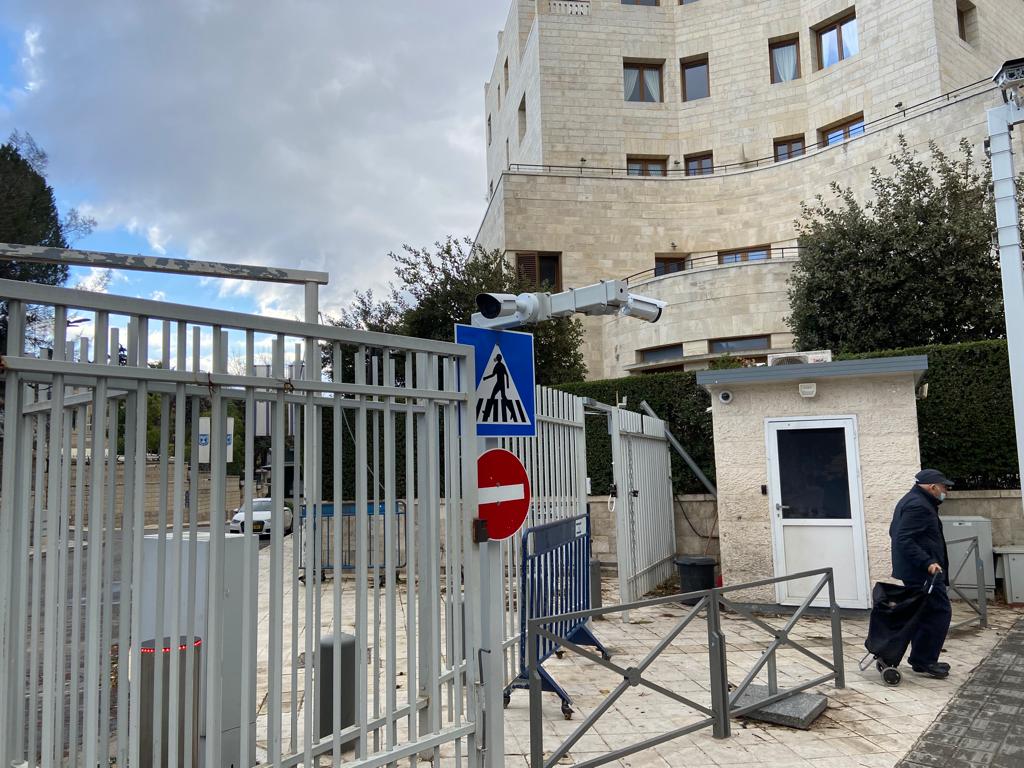
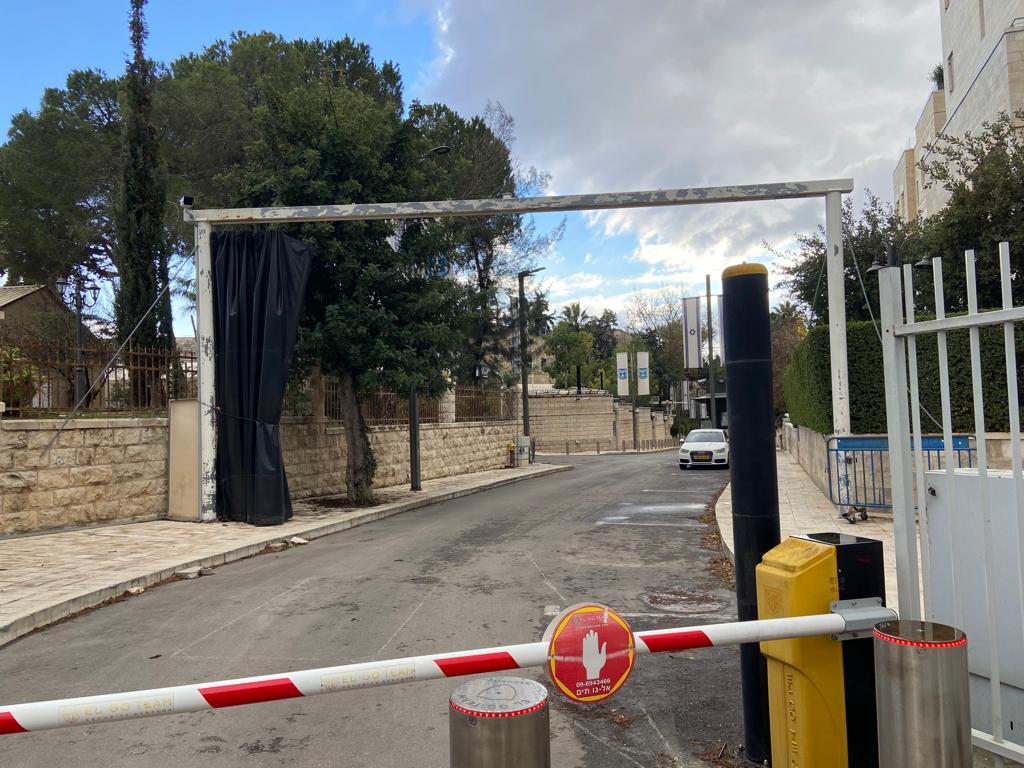
The metal gate at the top of Balfour is still in place, with its embossed state menorah symbol; so, too, metal bollards at either end of a short section of the street still closed to vehicular traffic, and a steel frame that used to hold a heavy black curtain screening the view down the street.
The numerous guard booths atop the wall of the residence, across the street, and alongside neighboring buildings are also in situ.
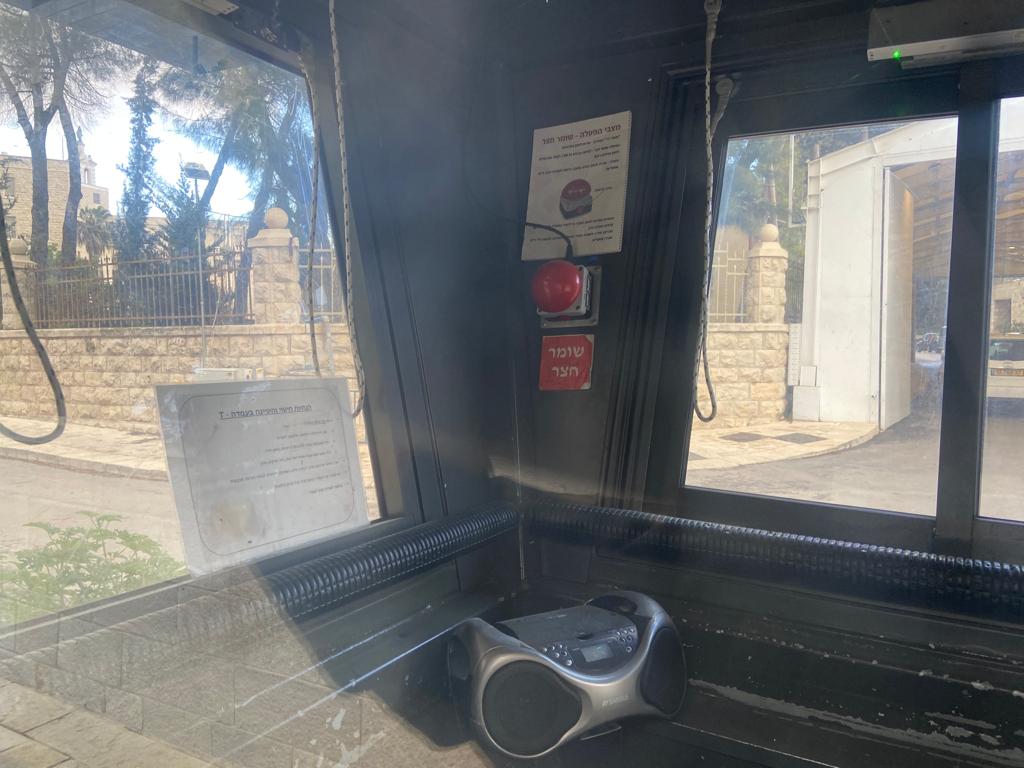
But the booths are all empty. The black curtain has been pulled to one side. The metal gate opens.
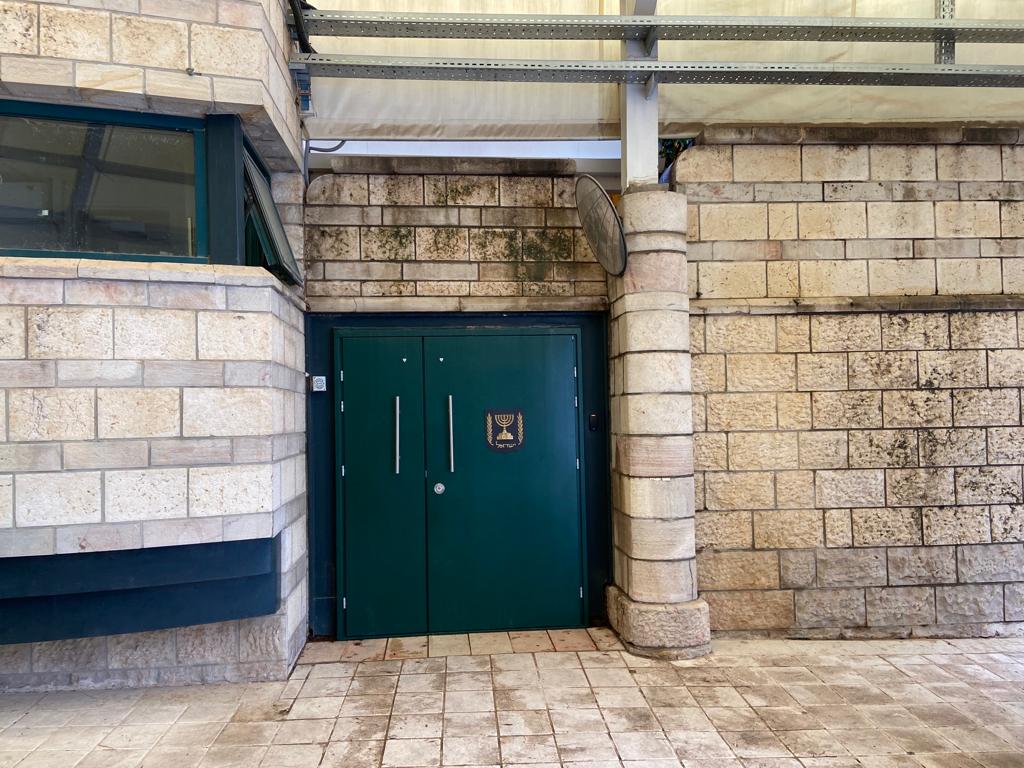
Should you choose to do so — and a small group of visiting Israelis was indeed choosing to do so when I went by a few days ago — you can walk along Balfour, read the blue plaque on the wall of the residence detailing the history of Aghion House, and knock on the metal door of the residence itself.
All of which makes it hard to resist the metaphor.
There’s no doubting that Netanyahu has gone — from the premiership and the official home — at least for the time being and maybe for good.
But as Defense Minister Benny Gantz elects to host at his residence a Palestinian Authority president Bennett wants nothing to do with; as Finance Minister Avigdor Liberman declares that there will be no more of the COVID lockdowns Bennett says he hasn’t ruled out; as the director-general of the Health Ministry declines to sign off on the fourth vaccine shot Bennett is urging; as parts of the government seem to have declared war on Israeli agriculture; as the laudable rise of the tech sector along with soaring real estate prices, the collapse of tourism and the decline of much of the rest of the economy radically deepen Israeli inequalities, and as a sidelined Israel watches a feckless international community indulge Iran’s relentless progress to nuclear weapons — one might be forgiven for thinking that Netanyahu’s successor, figuratively speaking, ought to be a little more clearly in residence.
—
** An earlier version of this Editor’s Note was sent out Wednesday in ToI’s weekly update email to members of the Times of Israel Community. To receive these Editor’s Notes as they’re released, join the ToI Community here.








The Times of Israel Community.