

Israel pumps new water saving push, as Sea of Galilee dives to century low
Massive rise in use of desalinated water has lulled the public into complacency, says Water Authority, while the crisis in natural water sources is accelerating
 Add ToI as a Preferred Source on Google
Melanie Lidman is an AP reporter and former Times of Israel reporter
In 2009, in the midst of what was dubbed “the worst drought in 900 years,” the Water Authority embarked on a public awareness campaign to reduce the country’s water consumption. Some people expected it would be the authority’s last.
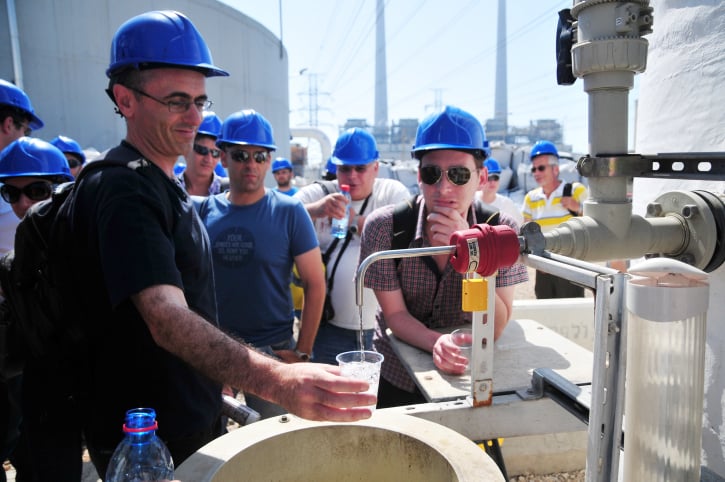
In the past decade, five massive desalination plants have come online, transforming salty seawater into 600 million cubic meters of drinkable water per year, enough to cover 70 percent of the water used by homes and cities across the country. It seemed those ubiquitous “every drop counts” public service announcements were a relic of the past.
Not so fast, said Uri Schor, the spokesperson for Israel’s Water Authority, who is in the midst of designing a large public awareness campaign for early 2018 to encourage people to save water in their homes.
“The fact [that desalination] came online so quickly is amazing,” said Schor. “This hasn’t happened anywhere else in the world.”

“But this has also made a small problem,” Schor added. “There’s no lack of water at home, so people don’t understand what’s happening outside. Outside, we are in a really serious drought. This has really affected natural water sources.”
The Water Authority warned earlier this month that the Sea of Galilee is at a dangerously low level and expected to reach “the lowest level ever recorded.” Northern Israel has a deficit of 2.5 billion cubic liters of water, compared to non-drought years, the equivalent of a million Olympic-size swimming pools. This is water that normally flows through Israel’s streams and underground water tables toward the Sea of Galilee and other water sources.
The north must receive at least 85 percent of the winter average rainfall this winter or the country can expect major streams and water sources to dry up, including the Banias River in the Golan Heights, something that has not occurred since meteorological record-keeping began in the region more than 100 years ago, said Schor. Last year, northern Israel received just 10% of the average winter rain.
He said meteorologists have predicted that the coming winter will again be extremely dry in the north of the country. Doron Markel, the director of the Sea of Galilee division at the Water Authority, warned that this was indicative of “a permanent situation of climate change,” and the country will need to adjust accordingly.
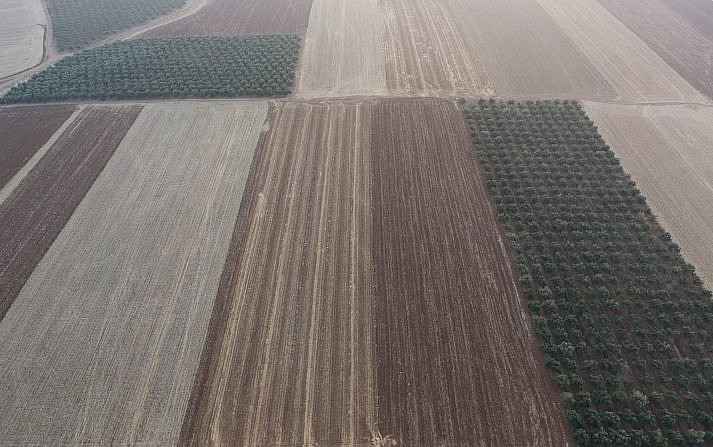
Hardest hit are the farmers, who are allocated a certain amount of water for the coming year and must plan their crops based on that water allocation. Over the past week, farmers protested against possible cuts in their water allowances due to the ongoing drought.

Which is why the Water Authority is again utilizing TV commercials and social media to remind people that desalination hasn’t made water woes disappear.
“Every one of us can use water efficiently and avoid wasting, even if you don’t lack water at home,” said Schor. “As we waste less, we’ll need to make less, and making water costs money.”
Schor said it’s been difficult for the Israeli public to internalize this message, as experts trumpeted that desalination had solved Israel’s water crisis and the cost of water decreased by 35% over the past decade.
The Water Authority recommends using devices in homes that mix air with water coming out of the taps. This reduces the amount of water used but gives the same impression of a strong stream.

Previous water saving campaigns, including a NIS 5 million campaign with a TV announcement featuring some of Israel’s biggest stars like Bar Refaeli and Ninet Tayeb, have helped contribute to an 18% reduction in home water use.
Municipalities replacing leaky pipes have also reduced municipal water loss by 9%.
Despite the successes, Schor wants to make sure that the Israeli public doesn’t cease being conscious of the amount of water it’s using.
“We can’t get to a situation where we’re using water just because,” he said. “This needs to be our permanent way of life. Water mustn’t be taken for granted.”








The Times of Israel Community.