

Israel won’t reopen Rafah crossing, will limit aid, to press Hamas for remaining slain hostages
As IDs confirmed of 4 hostages’ remains, families of captives still in Gaza demand deal be put on hold until their loved ones returned, accuse government of shirking ‘immediate duty’
 Add ToI as a Preferred Source on Google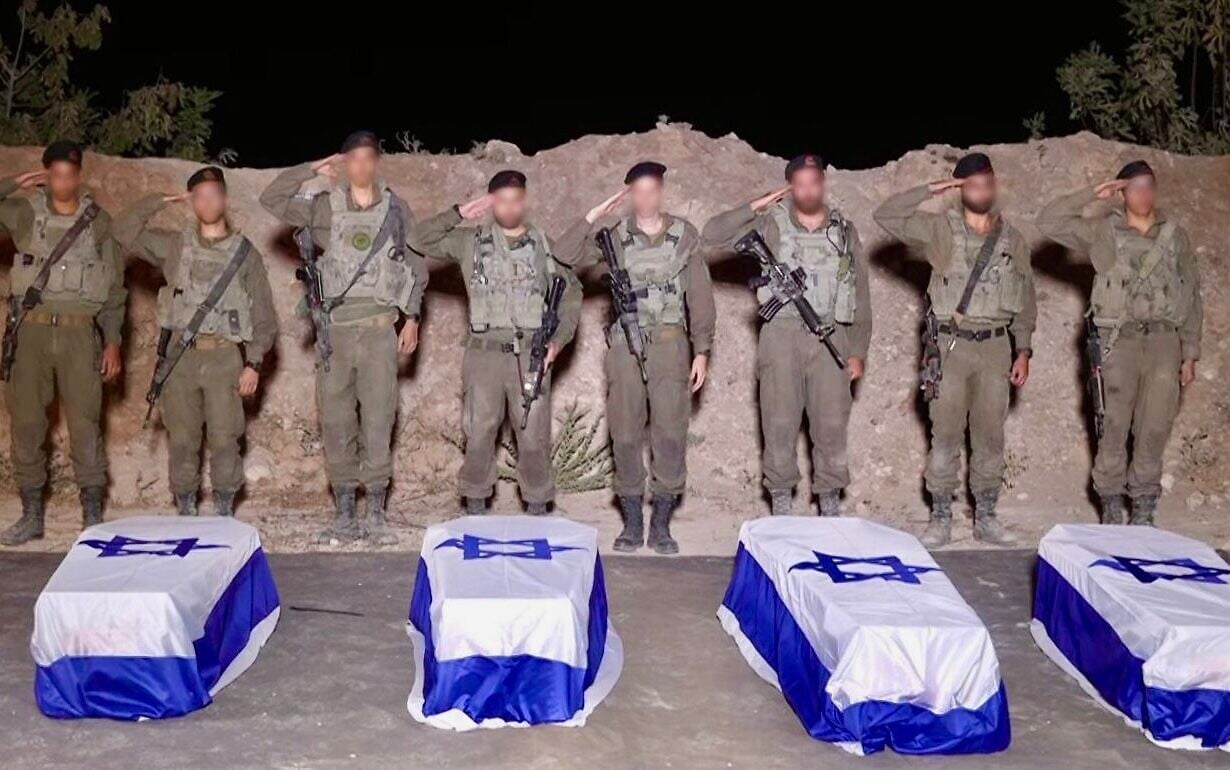
Israel on Tuesday decided not to reopen the Rafah border crossing between the Gaza Strip and Egypt the next day, as required by the ceasefire deal, accusing Hamas of failing to stand by its commitment to return the bodies of all dead hostages still held by Palestinian terrorists in the Strip.
Israel said it would also reduce the amount of aid flowing into Gaza as part of the sanctions against the terror group.
The moves followed assessments by Israeli defense officials that Hamas has not made significant efforts to return the remaining bodies of the hostages, and amid rising anger among their families, with the main group representing them demanding that the ceasefire agreement’s implementation be halted until their loved ones are returned.
Meanwhile, a senior Red Cross official told The Times of Israel that the transfer of the bodies of four additional slain hostages was slated to take place at 10 p.m. on Tuesday, confirming earlier reports.
Some bereaved families also fumed after they received a letter from the government expressing sadness at the “heavy price” they paid, which the letter said helped lead to “the end of the war and the return of all the hostages.”
The Red Cross, meanwhile, said that it could take “much more time” to retrieve the 24 remaining captives due to conditions in Gaza, as the Israel Defense Forces announced that forensic experts identified the four slain hostages returned by Hamas on Monday night.
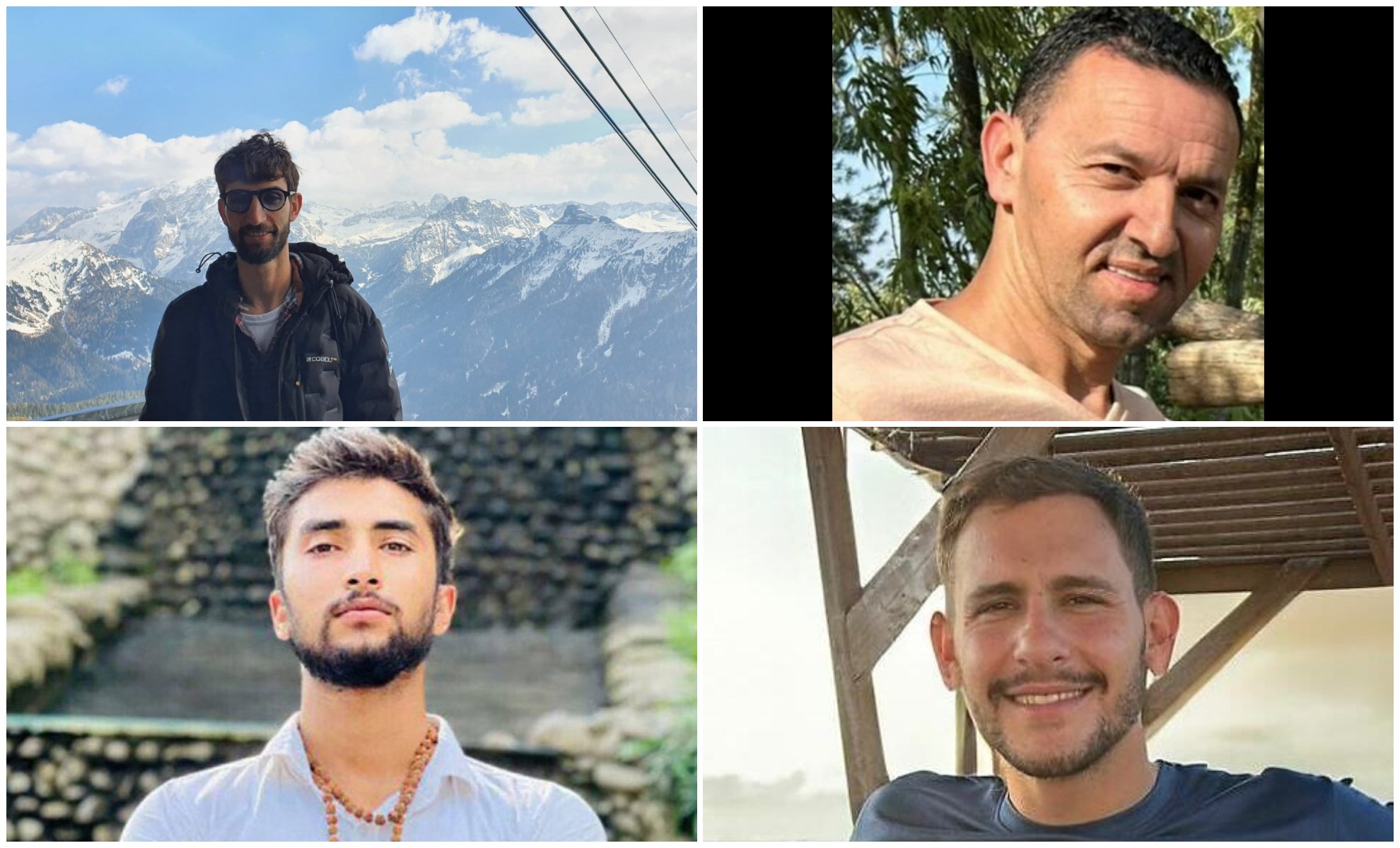
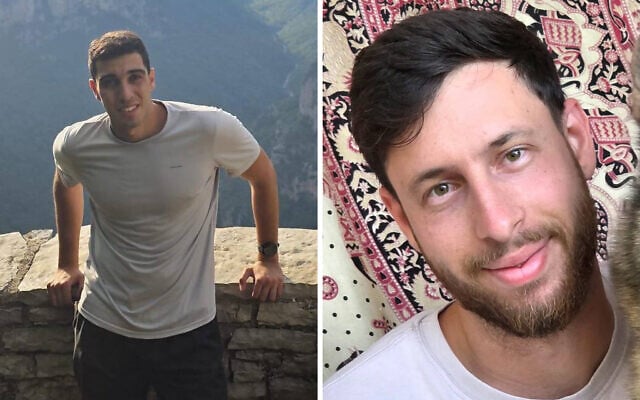
Israel confirmed Tuesday night that the bodies of four hostages returned by Hamas a day earlier had been identified by forensic experts as Guy Illouz, 26, Bipin Joshi, 23, Yossi Sharabi, 53, and IDF officer Cpt. Daniel Perez, 22.
The bodies were returned hours after Hamas released the last 20 living hostages abducted when the terror group invaded Israel on October 7, 2023, sparking the Gaza war.
Prime Minister Benjamin Netanyahu’s office said in a statement Tuesday evening that the bodies were identified by forensic experts that morning.
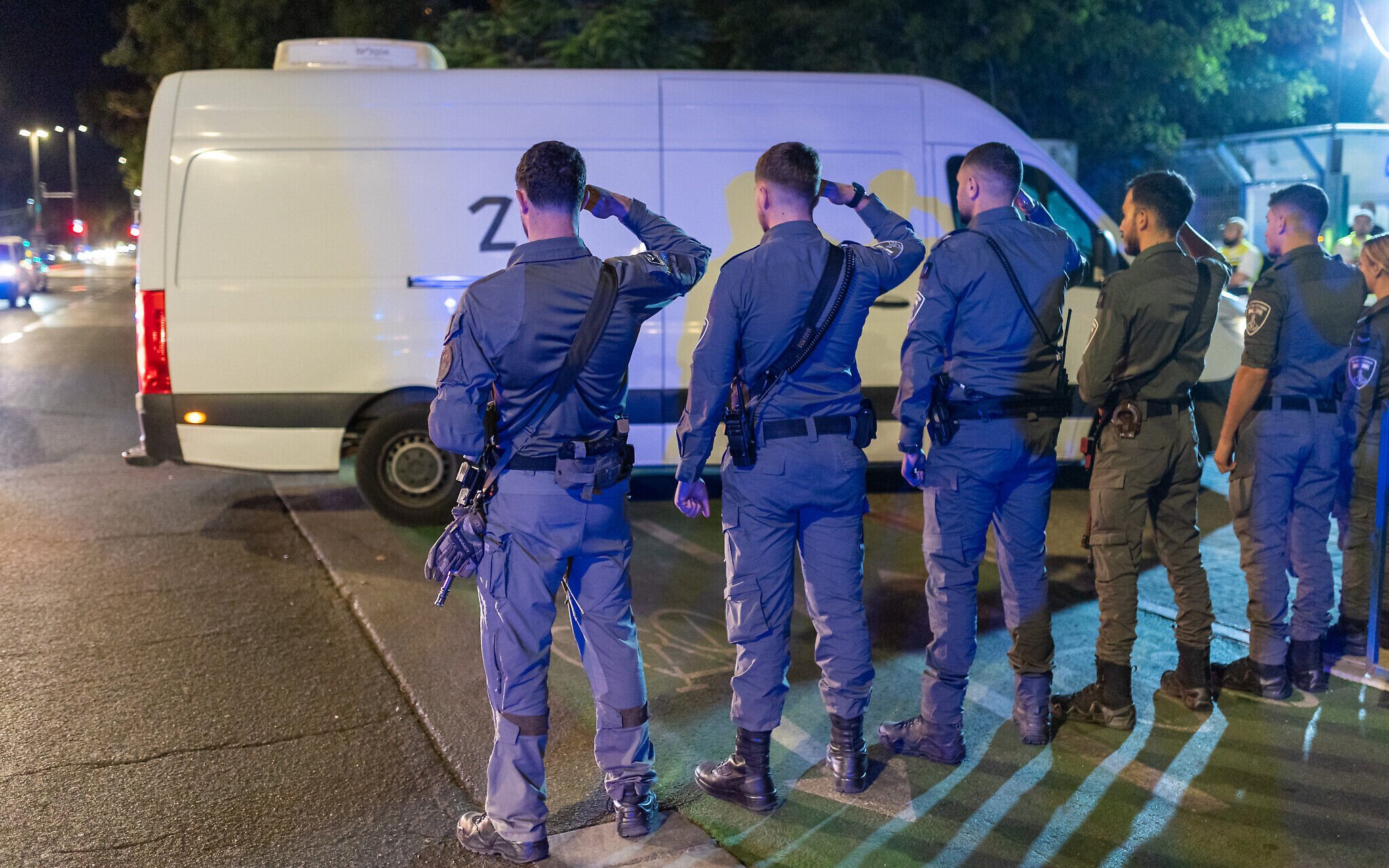
“The Israeli government shares in the deep sorrow of the Illouz, Joshi, Perez and Sharabi families and of all the families of the fallen hostages,” the Prime Minister’s Office said.
It added that Israel is “determined, committed, and working tirelessly” to bring back all of the slain hostages for burial, adding that Hamas is “required to fulfill its commitments to the mediators and return them as part of the implementation of the agreement.”
Guy Illouz
Citing intelligence information, the military said Illouz was wounded and kidnapped alive by Hamas terrorists near the Gaza border’s Tel Gama area, where he fled from the massacre at the Re’im-area Nova party on the morning of the October 7 onslaught.
Illouz, who was confirmed dead in December 2023, died in captivity of untreated wounds sustained in the onslaught, the IDF said. The Hostages and Missing Families Forum, which represents most of the hostage families, cited freed captive Maya Regev as saying Illouz was abducted unconscious and died of his wounds at Gaza City’s Shifa Hospital, where he was bound to a bed for a week.
Regev was brought into Illouz’s room 36 hours before he died, according to the Forum, which said Illouz told her that “his mother is the strongest woman in the world, and the moment he’ll come back home he’ll hug her and never let go.”
A native of Ra’anana in central Israel, Illouz was “well-known in the music industry as the sound technician for many artists,” including the band HaYehudim and iconic Israeli singers Mati Caspi and Shalom Hanoch, the Forum said. He is survived by his parents Michel and Doris, and his siblings, Uri and Maya.
“Relatives described him as a person with a huge heart, who only ever wanted what was good for people and that they enjoy themselves,” it added. “Guy’s energy broadcast love and respect.”
Bipin Joshi
Joshi, a Nepali agriculture student whose death had not been confirmed by Israel until now, was abducted from a Kibbutz Alumim bomb shelter where he took cover with other foreign agricultural workers. The IDF said it assessed that he was murdered in captivity during the first months of the war.
Joshi’s Nepalese friend Himanchal Kattel, the group’s only survivor, who was not abducted, told AFP that the attackers had thrown a grenade into the shelter, which Joshi caught and threw away before it exploded, saving Kattel’s life. Joshi and others, mainly Thai agricultural workers, were abducted after a second grenade knocked them unconscious, according to the Ynet news site.
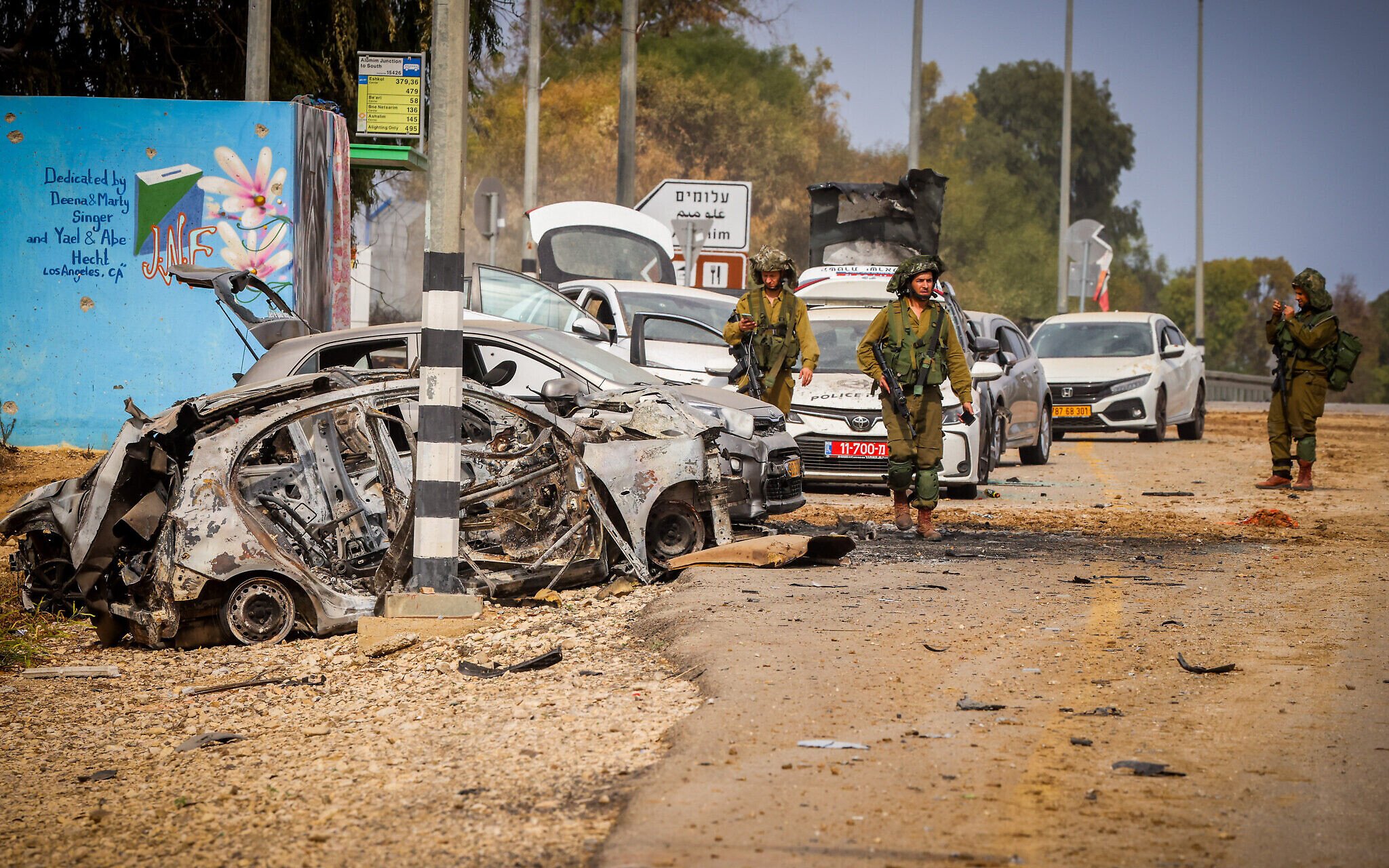
A native of a village at the foot of the Himalaya mountains, Joshi came to Israel weeks before the October 7 onslaught to study agriculture in Kibbutz Alumim, the Forum said, adding that he “immediately fell in love with Israel and sent his family daily videos of his new life on the kibbutz.”
“He dreamed of developing the agriculture in his country, to keep making songs as an amateur rapper and to play soccer,” said the Forum. He is survived by his parents, Mahananda and Padma, and his sister Pushpa.
“The return of Guy and Bipin… brings some measure of comfort to families who have lived with agonizing uncertainty and doubt for over two years,” the Forum said. “We will not rest until all 24 hostages are brought home.”
Joshi is one of two hostages whose deaths had not been confirmed by Israel, but for whose fate Israeli officials had expressed grave concern. When the Gaza ceasefire was sealed last week, terror groups in Gaza were holding the remains of 25 hostages confirmed dead by the IDF after their abduction in the October 7 onslaught, and a soldier killed fighting in the 2014 Gaza war.
Final conclusions on how the four returned hostages died will be determined once the Abu Kabir forensic institute completes examinations into the circumstances of their deaths, the IDF said Tuesday, adding that “Hamas is required to abide by the agreement and make the necessary efforts to return all the bodies.”
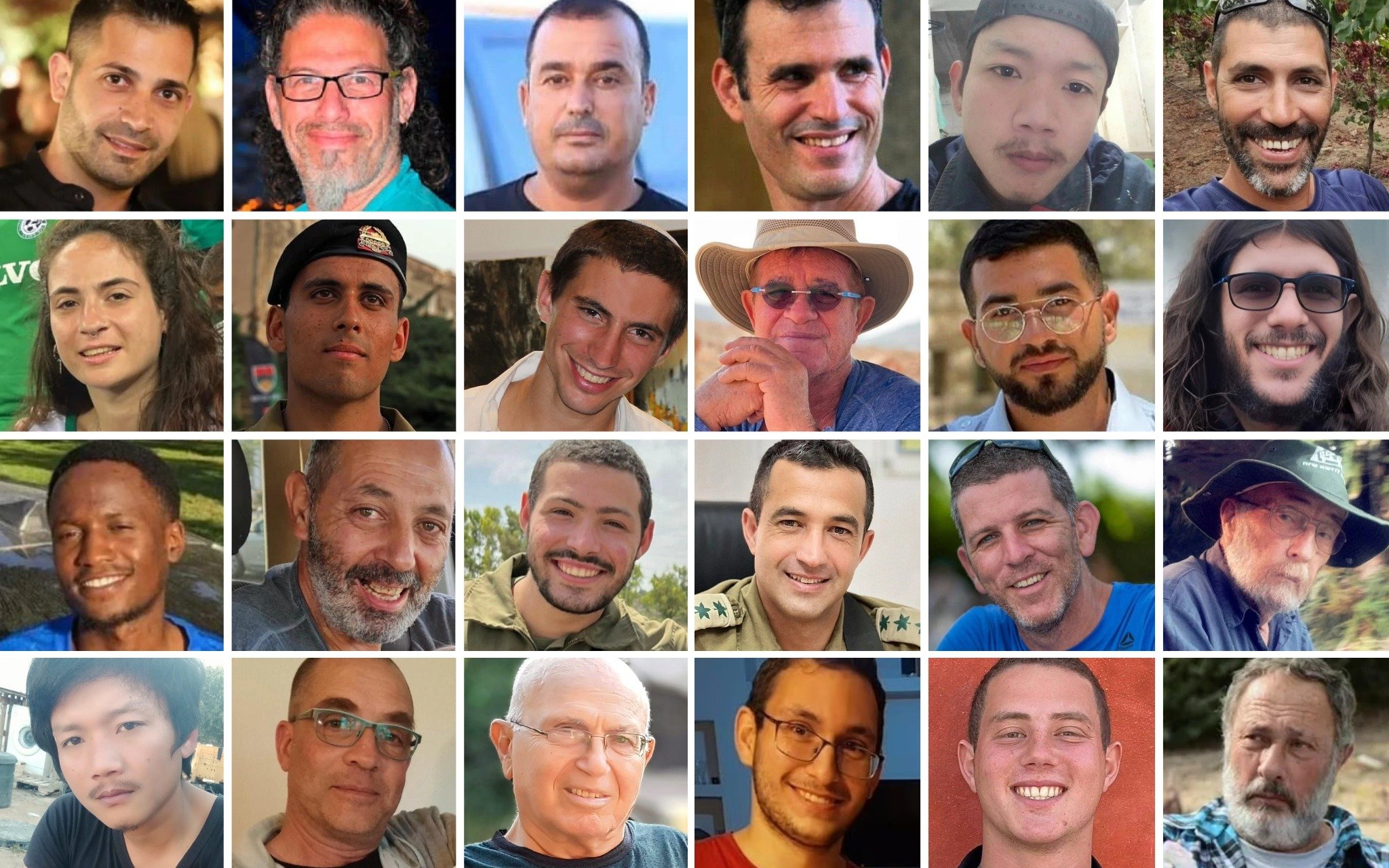
Yossi Sharabi
Sharabi was abducted from Kibbutz Be’eri on October 7, separately from his brother, Eli Sharabi, who was kidnapped before his wife and two daughters — Lianne, Noiya and Yahel — were murdered. Eli was released in February 2025, and had already been told in captivity that his brother was dead.
Yossi was kidnapped along with Ofir Engel, his daughter’s boyfriend, who had been visiting the family for the weekend, and a neighbor, Amit Shani. The rest of his family was spared. Ofir and Amit were freed in November 2023.
In January 2024, Israeli authorities confirmed that Sharabi had been killed in captivity, likely on January 10, 2024, and it appeared likely that he was inadvertently killed as a result of an IDF strike.
Noa Argamani, who was held hostage together with Sharabi for a period and rescued by IDF troops in June 2024, said after she returned that “Yossi didn’t survive” the airstrike which hit an adjacent building.
In a statement from Kibbutz Be’eri, Yossi’s wife, Nira Sharabi, described her husband as “a kind-hearted man who always looked for a way to do good. Now we can end the nightmare that began more than two years ago, and allow Yossi a respectful and loving burial in the ground of Be’eri that he loved so much.”
Eli Sharabi wrote on Instagram on Tuesday evening to his brother that the “longing is endless, but the main thing is that you returned to a proper burial in our country, the State of Israel.”
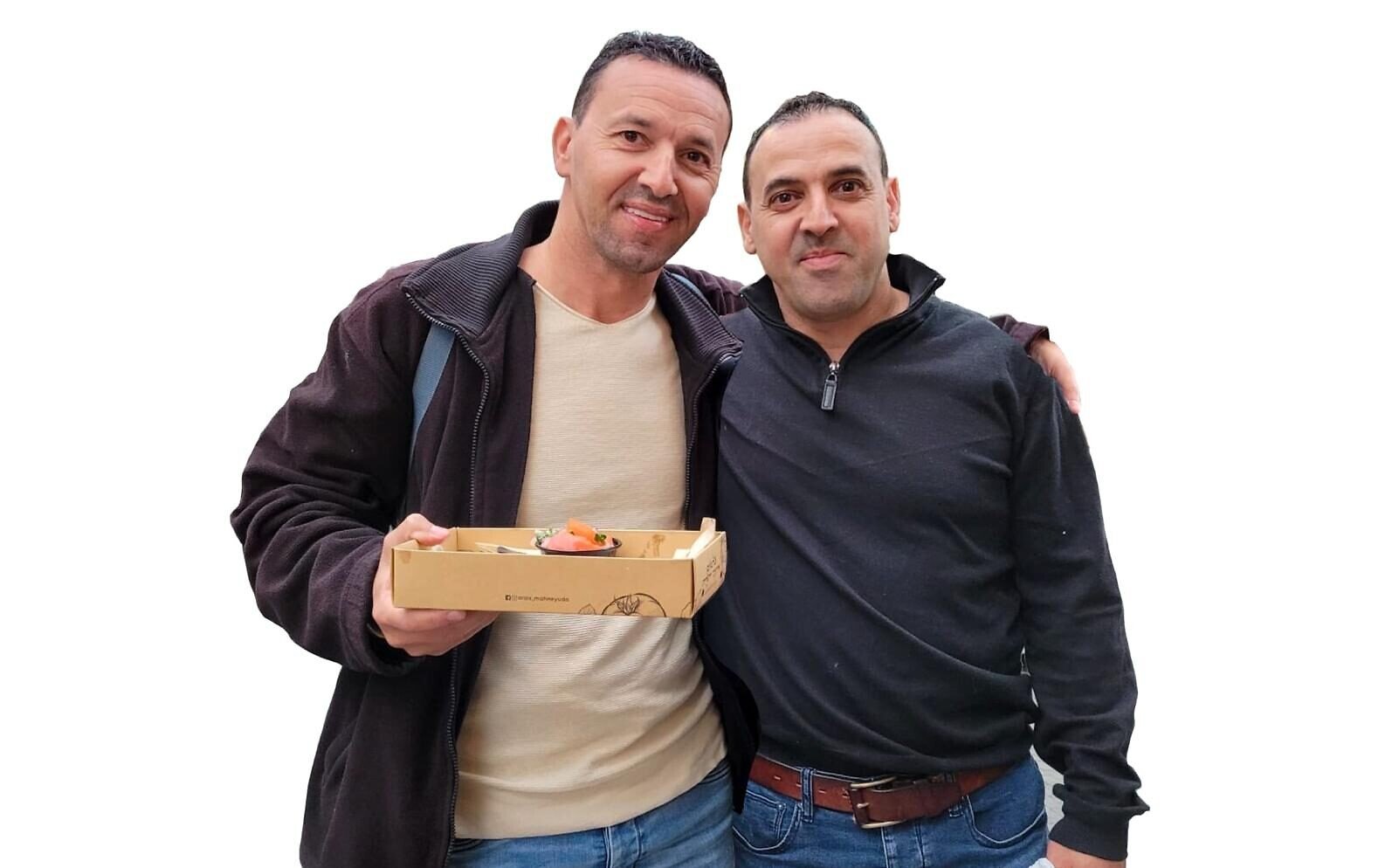
Cpt. Daniel Perez
Perez, a platoon commander in the 7th Armored Brigade’s 77th Battalion, from Yad Binyamin, was killed battling Hamas on October 7 and his body was kidnapped to Gaza.
His death was declared by the IDF in March 2024. His family chose at that time to hold a funeral for him and to sit shiva, the weeklong mourning period.
Perez was born and raised in Johannesburg, South Africa, moving to Israel with his family in 2014, shortly after his bar mitzvah. He enlisted in the IDF in November 2020 and joined the Armored Corps, later completing a tank commander’s course and then an officer’s course.
He was stationed near the Gaza border on the morning of October 7, and he and his tank crew fought for hours against the Hamas invasion until being killed alongside Sgt. Tomer Leibovitz and Staff Sgt. Itay Chen.
The bodies of Perez and Chen were taken captive to Gaza, while their comrade Matan Angrest was abducted alive and freed from Hamas captivity on Monday. Chen’s body is still held hostage in the Strip.
While flying in a helicopter on Monday from the Re’im base to Ichilov Hospital, he held up a sign reading “Daniel, Tomer and Itay, you are the kings of the lions.”
The remaining 24
The International Committee of the Red Cross warned that it could take days or weeks to return all the slain hostages’ bodies, and that there was a possibility they would never be found.
“That’s an even bigger challenge than having the people alive being released. That’s a massive challenge,” ICRC spokesperson Christian Cardon said Tuesday. “I think that there is clearly a risk that that will take much more time. What are we telling the parties is that that should be their top priority.”
He declined to provide further details about the possible whereabouts of the deceased hostages, citing the sensitivity of the ongoing operation.
‘The mission is incomplete’
The families of deceased hostages received a letter on Monday from the government’s office on hostages and missing families, which is run out of the Prime Minister’s Office, expressing sadness at the “heavy price” they have had to pay for “the end of the war and the return of all the hostages.”
Some of the families took to social media to express their agitation that the letter did not apologize for the failure of their government to rescue their loved ones before they were killed in captivity.
“While hearts are filled with hope for the return of all the hostages, our hearts are saddened by the heavy price you paid and that you carry in your hearts. Pain and difficulty that a stranger will never understand. This is the moment to tell you that we do not forget you and your loved ones,” the letter reads.
“Thanks to the heavy price, we ultimately reached the end of the war and the return of all the hostages. For that, we thank you and appreciate you. Forever and ever. We will always remember and never forget,” it continues.
Merav Svirsky, the sister of Itay Svirsky, who was murdered in captivity and whose body was recovered in December 2024, wrote on Facebook, “Sometimes one word is preferable: Sorry.”
Maayan Sherman, whose son, Sgt. Ron Sherman was also killed in captivity and whose body was recovered in December 2023, posted a photo of the letter, with the added word, “Sorry.”
Katy Beizer, whose son Cpl. Nik Beizer was killed as a “byproduct” of an IDF airstrike while being held captive, and whose body was recovered in December 2023, wrote on Facebook: “Look what the hostages coordinator sent to me today, instead of sending me Nik. I know that I have been in a bad dream for two years, but I want to understand, is this for real?”

The government’s hostages pointman vowed to the families of hostages on Tuesday that “pressure will persist and increase on Hamas to continue to complete the return of the fallen,” according to the Walla news site.
“I’m in continuous contact with our representatives and have been briefed on the details. The issue is at the top of the agenda,” Gal Hirsch reportedly wrote. “The mission is incomplete. We’re completely determined and committed not to stop until all the fallen hostages are located and returned home.”
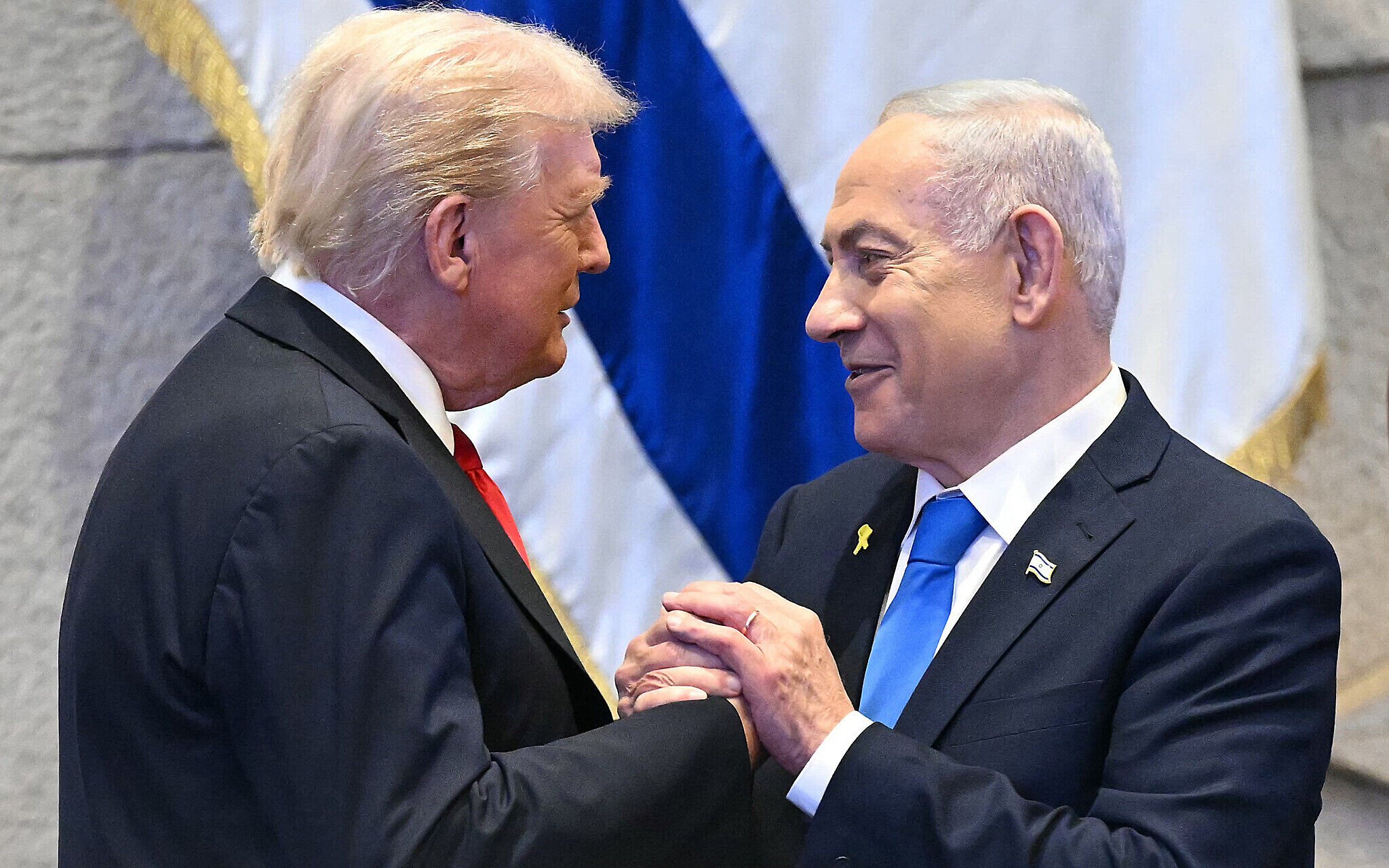
Hirsch reportedly added that Netanyahu brought up the issue of the slain hostages while meeting at the Knesset in Jerusalem on Monday with US President Donald Trump, who was on a whirlwind visit to the region after brokering the Gaza ceasefire.
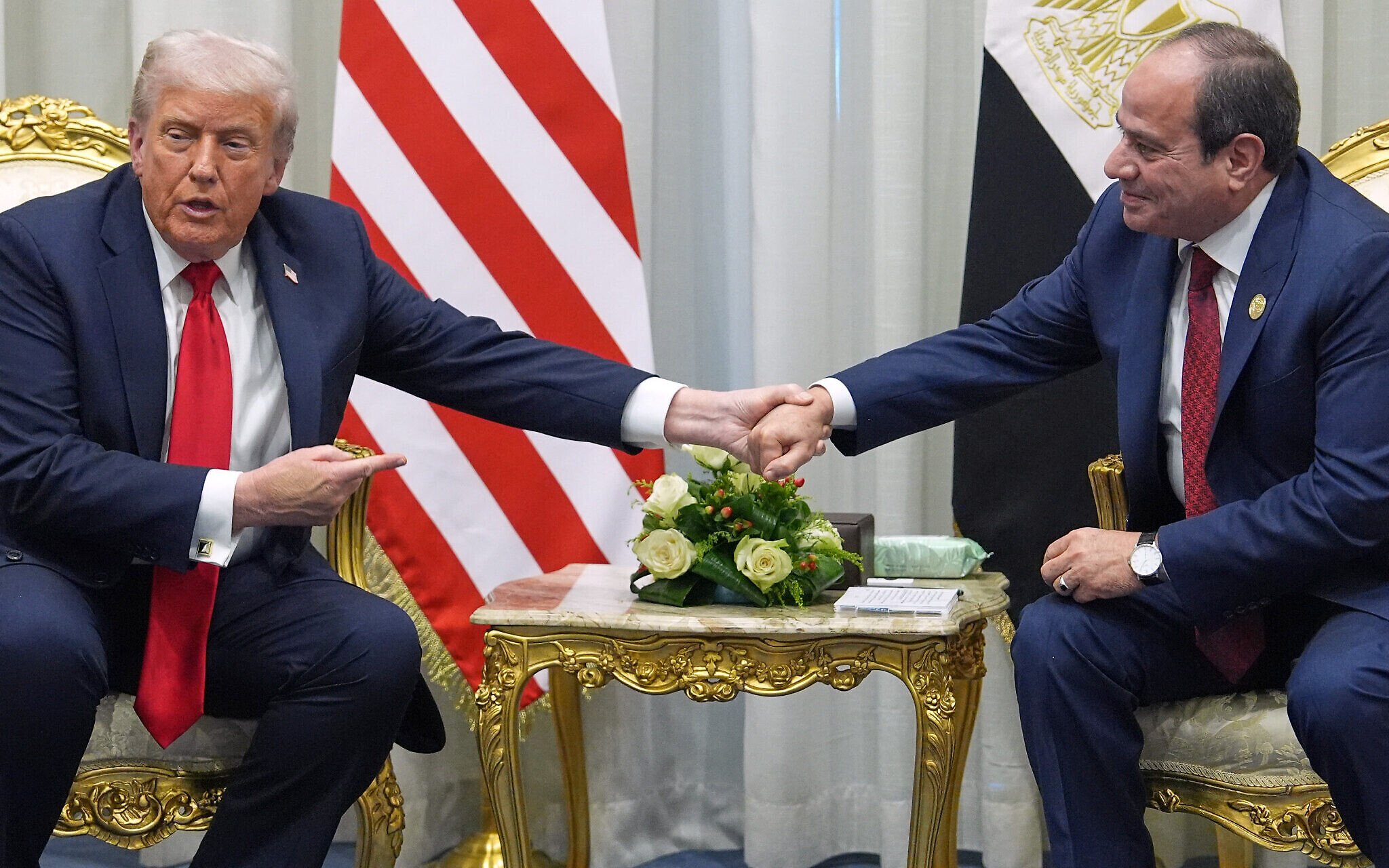
Hirsch also noted that the issue was mentioned by Trump and Egyptian President Abdel-Fattah el-Sissi during the Sharm el-Sheikh peace summit, which Trump attended after his visit to Israel.
At a meeting of the two leaders, who co-chaired the summit, Trump said Hamas knows which areas the slain hostages are located in, was searching for them “in conjunction with Israel” and was “going to be finding quite a few of them.” The Egyptian leader also said he was working to ensure that the Gaza deal is fully implemented, including by securing the release of all deceased hostages and surging aid into Gaza.
On Tuesday, the Qatari Al Araby news outlet reported that Egyptian teams were inside Gaza assisting efforts to locate and extract the bodies of deceased hostages. The report added that Israeli teams are consulting with Egyptian officials to resolve the matter.
As part of the ceasefire agreement, Hamas was required to release all living hostages and dead hostages “in its possession,” or the possession of other Palestinian terror groups, within 72 hours of the IDF’s initial withdrawal in Gaza, which was completed on Friday. Hamas had said it would be unfeasible to return all the slain hostages in that time.
However, the document also left open the possibility that, if Hamas has information about the whereabouts of deceased hostages whose bodies it cannot retrieve within 72 hours, those details will be transferred to mediators within the deadline for follow-up at a later stage.
Yael Adar, mother of slain hostage Tamir Adar, on Monday accused the government of “betraying” the families of slain hostages by failing to set a definite deadline on the return of all the bodies.
She also denounced Knesset Speaker Amir Ohana for removing his hostage pin during his address ahead of Trump’s speech at the parliament on Monday, saying it symbolized an attitude that the hostage issue “is over.” Ohana also said he had ordered the removal of the pictures of the captives from the plenum. There were also reports that Transportation Minister Miri Regev ordered workers to remove the flags and posters of hostages on highways.
???????????????? Knesset Speaker Amir Ohana removes his yellow hostage pin before introducing @POTUS Donald J. Trump. “Thousands of years from now, the Jewish people will remember you.” pic.twitter.com/y0wQLqbMYK
— RJC (@RJC) October 13, 2025
The Hostages and Missing Families Forum echoed Adar’s of the governent’s handling of the issue of the fallen hostages, saying the families of the remaining captives were planning an “emergency meeting” Tuesday night “in light of the violation of the agreement.”
The Forum called on Israel and mediators to “halt the further implementation of the agreement” with Hamas after the terror group did not return all the remaining hostages.
Ducking its duty
It also slammed “the Israeli government’s attempt to erase its immediate duty to return the hostages after the return of the 20 hostages yesterday.”

“Whoever takes down flags and the [hostage] pin, whoever denies their responsibility… is betraying Jewish morality and degrading the agreement that was signed,” the Forum said. “Unfortunately, we are witness to an attempt to take the issue of the hostages off the agenda.”
The group separately appealed to US special envoy Steve Witkoff, who helped broker the ceasefire and hostage release deal, sending a letter from the families urging him to intervene.
“What we feared is now happening before our eyes,” they wrote. “Only four deceased hostages are coming home today. Only four families will be able to bring their loved ones to the dignified burial they so deserve and begin to find closure. How is this possible? How can we accept that the others remain behind?”
“We must ensure that all remaining hostages come home. We cannot rest, and we know you will not rest, until every last hostage is returned,” the letter continued.
“We ask you to pull out every stop and leave no stone unturned in demanding that Hamas fulfill their end of the agreement and bring all the remaining hostages home,” the families implored Witkoff.
“Your assurance that you will not leave anyone behind echoes in our hearts and gives us strength to continue. Your words — that you would dig with your own fingers to find our loved ones left behind — are forever etched in our memory and sustain us through the darkest moments.”



The Times of Israel Community.