

Israeli experiment on bacteria heads to International Space Station
Sheba Medical Center launches experiment to explore how outer space affects virulence and antibiotic resistance, providing insights into astronaut health and infectious diseases
 Add ToI as a Preferred Source on Google
Reporter at The Times of Israel
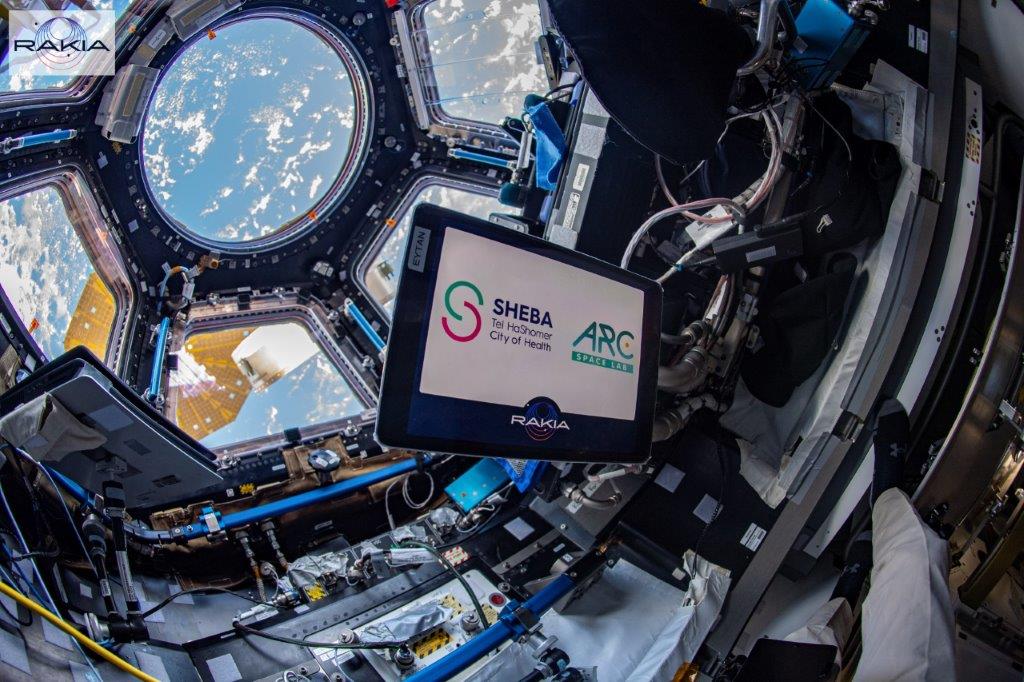
Researchers at Sheba Medical Center’s innovation center and its Infectious Diseases Research Laboratory are sending a groundbreaking scientific experiment to the International Space Station (ISS) on Thursday.
The project will investigate how space conditions — especially microgravity — influence bacterial virulence and resistance to antibiotics, and provide insights on astronaut health and infectious disease.
The joint mission by NASA and SpaceX launches from NASA’s Kennedy Space Center in Florida at 12:09 p.m. local time (7:09 p.m. Israel time) as part of Crew-11.
The experiment aboard the ISS, developed in collaboration with the US-based space technology company SpaceTango, will grow several bacterial species. Identical samples will be cultured in parallel on Earth to serve as controls.
The core of the study focuses on how spaceflight conditions alter the gene expression of bacteria associated with human disease. After the bacteria are grown in orbit, they will be frozen at -80°C and returned to Earth for analysis.
“We know that space conditions affect bacterial behavior, including how they grow, express genes, and acquire traits like antibiotic resistance or virulence,” said Prof. Ohad Gal-Mor, head of the Sheba’s Infectious Diseases Research Laboratory.

Health concerns for astronauts in space
Astronauts on long-duration missions are more prone to infections. Their immune systems may be weakened by microgravity, cosmic radiation, and the psychological stress of long-term isolation.
Since bacteria grow differently in space, sometimes reproducing more rapidly or developing unique traits, this raises potential health concerns. Researchers say this makes space-based microbiology essential for future space missions and broader medical advances.
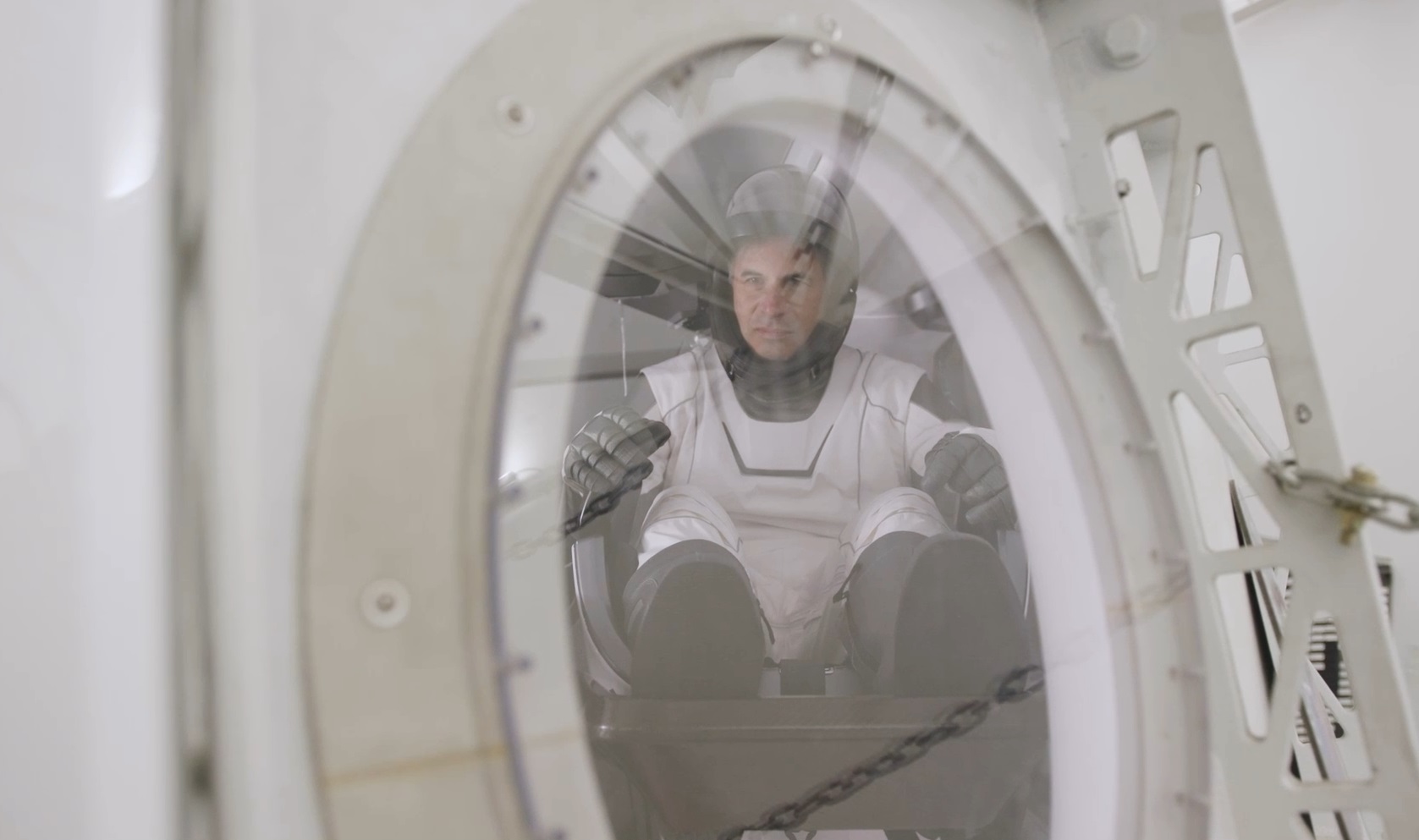
This first-time experiment will allow scientists to “systematically and molecularly map how the genetic expression profile of several pathogenic bacteria changes in space,” said Gal-Mor. “The insights we gain will augment our understanding of infectious disease risks in space travel, and also expand our knowledge of gene regulation and bacterial physiology in general.”
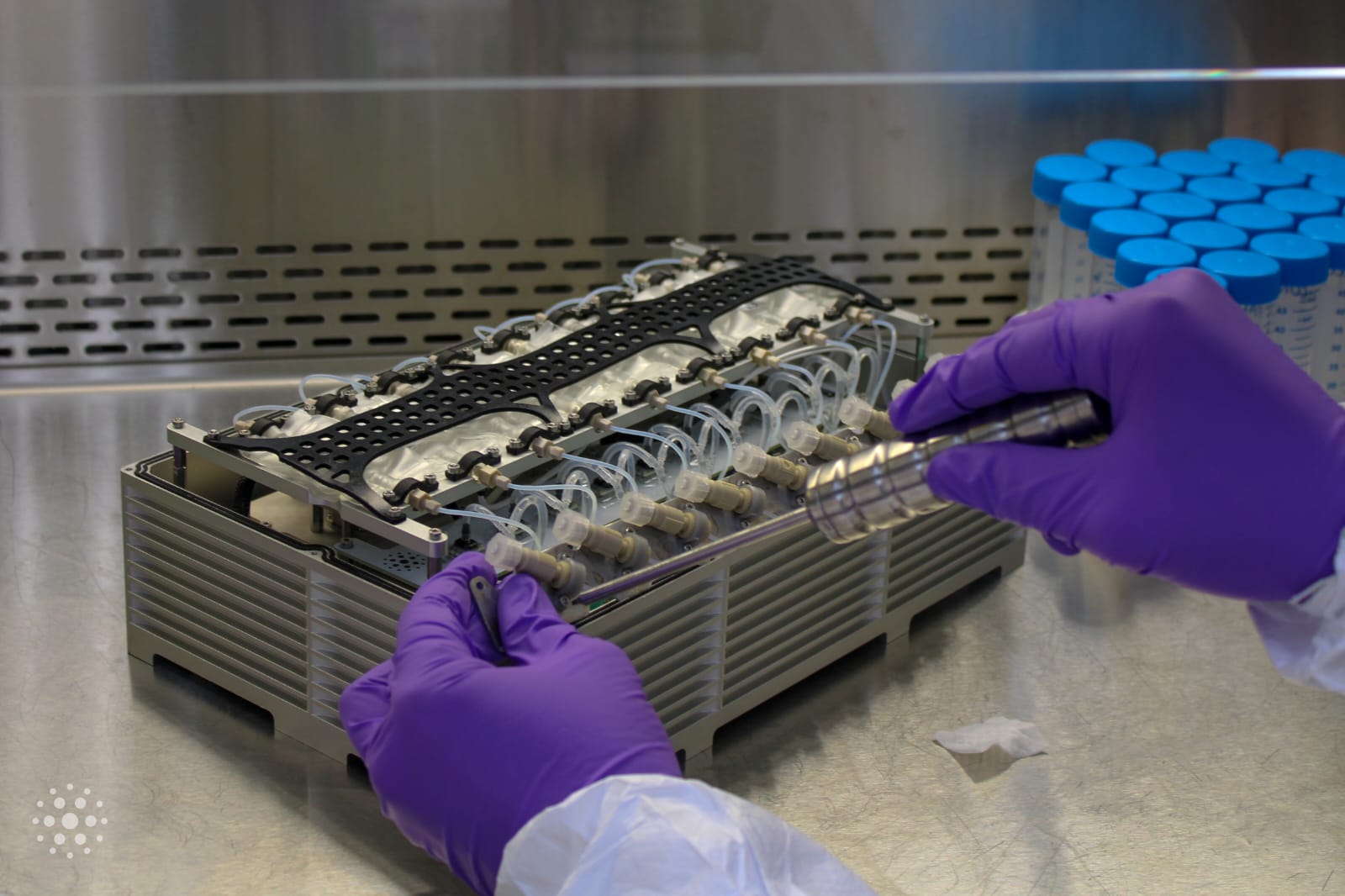
This experiment is the first aboard the ISS by the Space Lab operated by Sheba’s innovation center, ARC, though not the first in outer space. The Space Lab’s first study in 2022 explored bacterial conjugation, a process by which bacteria exchange DNA. Surprisingly, researchers found that space conditions appeared to inhibit the spread of antibiotic-resistance among bacteria. The results were published in the peer-reviewed journal Microbiology Spectrum.
The newest experiment examines how bacterial behavior changes under extreme conditions and “what that means for human health, not just for astronauts, but also here on Earth,” said Prof. Eyal Zimlichman, chief transformation, innovation, and AI officer, and director of ARC at Sheba.
“To understand the limits of medicine, we sometimes need to go beyond the limits of Earth.”









The Times of Israel Community.