

Israeli researcher joins EU cell therapy initiative for blood cancers and tumors
Bar-Ilan University scientist part of €8 million consortium to ensure accuracy in CAR-T cell therapy, an immunotherapy using CRISPR-Cas9, in European hospitals
 Add ToI as a Preferred Source on Google
Reporter at The Times of Israel
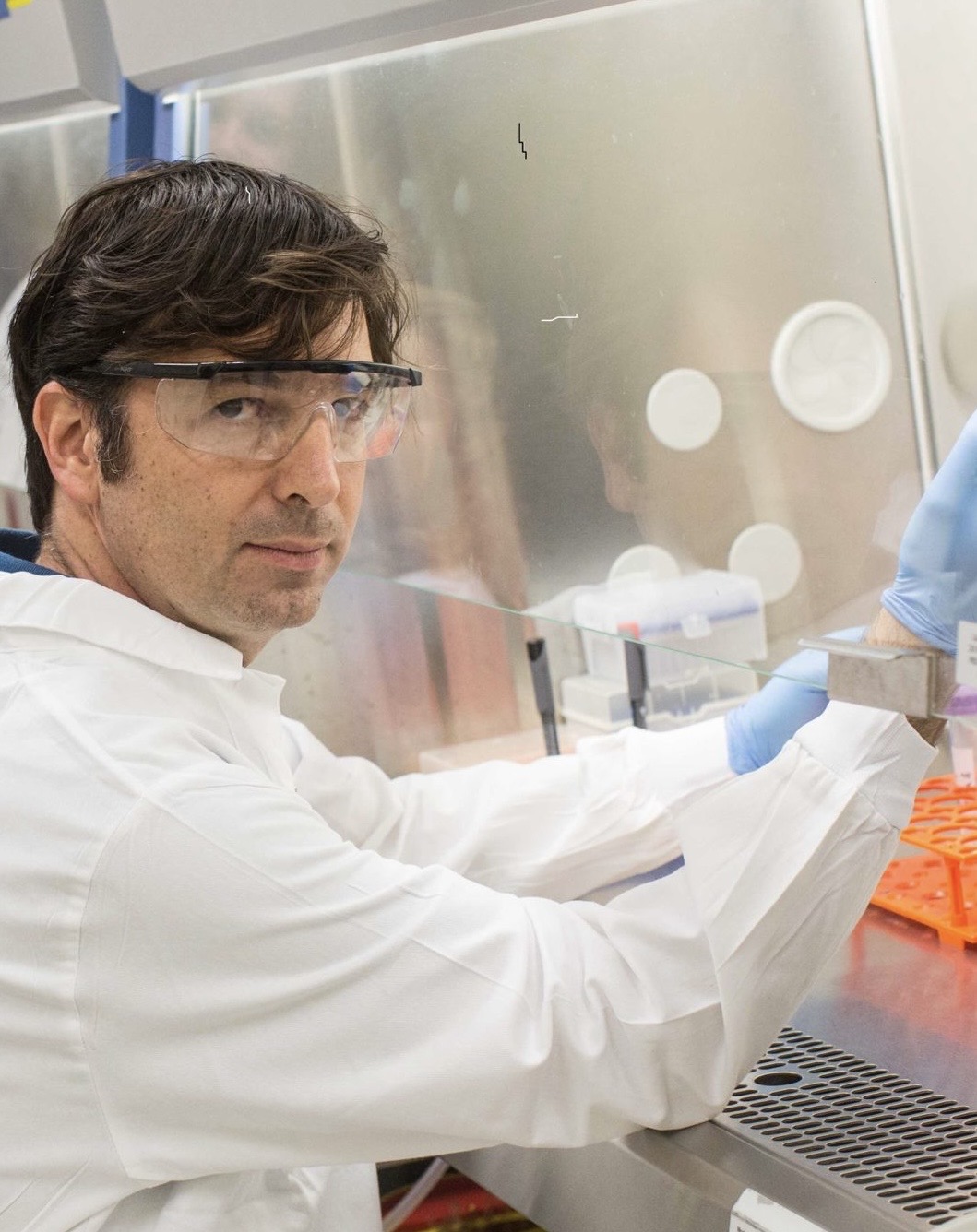
Prof. Ayal Hendel of the Goodman Faculty of Life Sciences at Bar-Ilan University in Ramat Gan has joined a groundbreaking European project aimed at improving how a personalized cancer treatment, known as CAR-T cell therapy, is delivered in European hospitals.
Funded by the European Union Health Initiative, the five-year, €8 million (NIS 31 million) initiative is called EASYGEN (easy workflow integration for gene therapy).
The project will enable hospitals to manufacture CAR-T (chimeric antigen receptor) cell therapy — a type of immunotherapy that uses a patient’s own T cells to attack cancer cells — onsite in 24 hours rather than in weeks.
Right now, “only 30 percent of patients in Europe get access to this treatment because it’s expensive and it’s complex to make,” said Hendel, speaking by telephone to The Times of Israel recently.
The 50-year-old professor, who has been working on genome editing for the past 15 years, said the idea behind the consortium is to develop a fully automated system for the advanced gene therapy.
Hendel said that the goal is to make the manufacturing of the treatment faster and safer, bringing it to the patient “so that they will be able to get it in the hospital in just one day.”
Changing the genetic code of T cells
The idea behind CAR-T immunotherapy is to “take immune cells, engineer them, and make them better fighters to attack both blood cancers and solid tumors,” Hendel said.
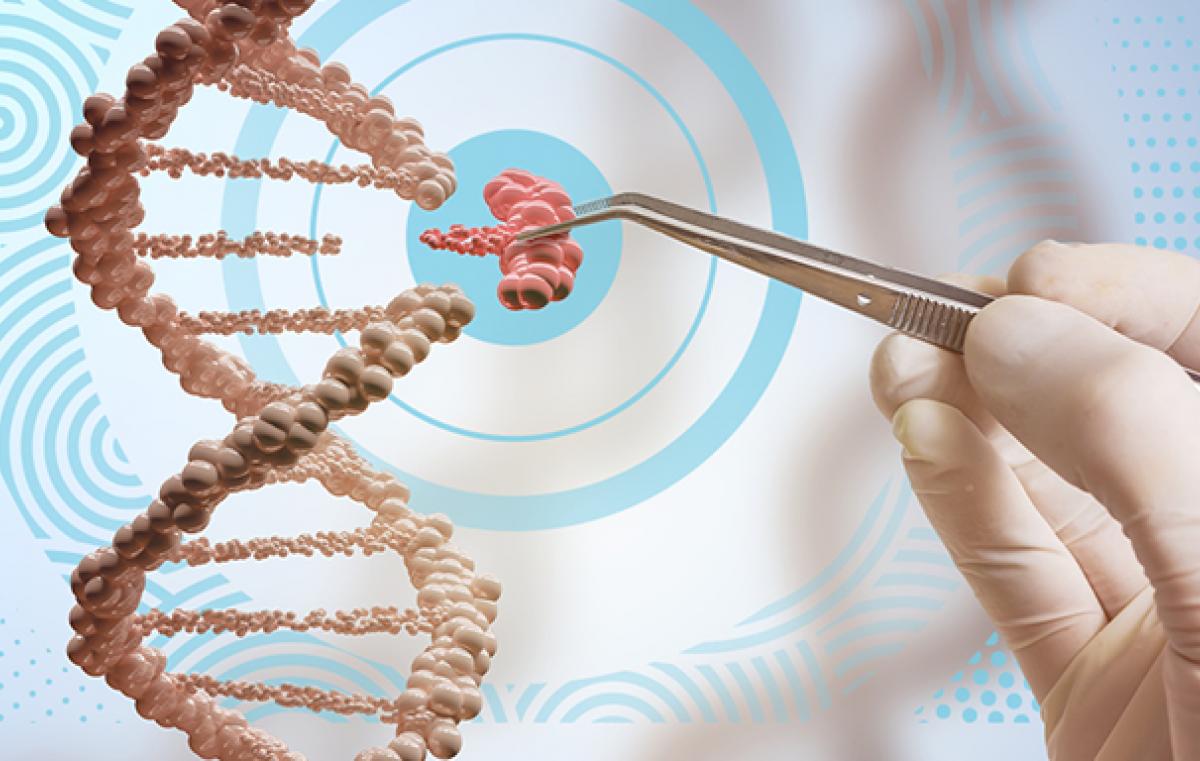
CAR-T therapy uses CRISPR-Cas9, which works like tiny molecular scissors that can cut DNA at a specific spot. This enables researchers to change the genetic code of T cells, also known as T lymphocytes, a type of white blood cell that plays a crucial role in helping the immune system fight infections and diseases.
The novel therapy uses a patient’s own immune cells to fight cancer.
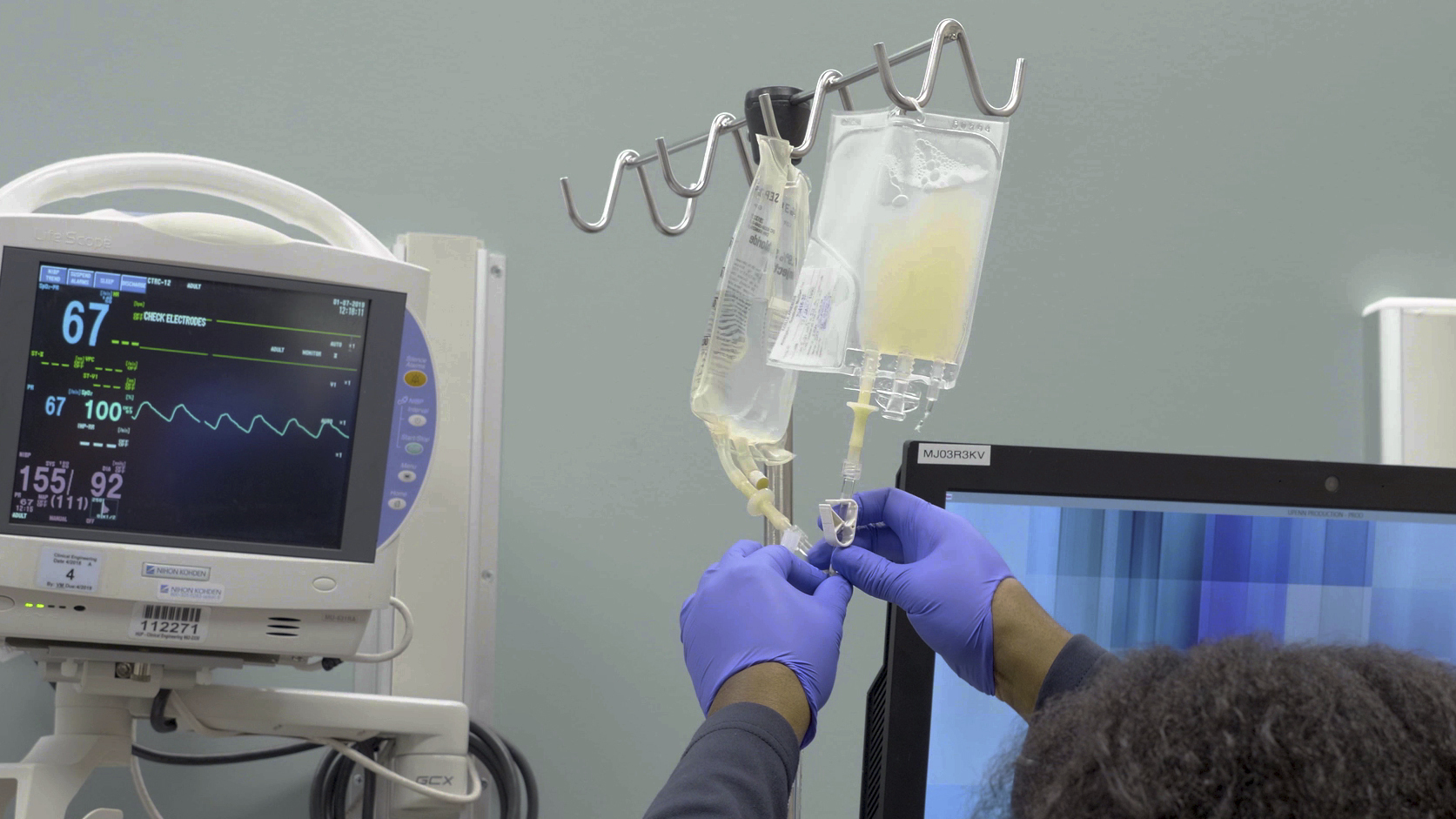
First, doctors harvest a patient’s T cells, which are then changed using genetic engineering. A special receptor called CAR is added and, acting like a navigation system, guides the T cells to recognize and attack cancer cells.
The new CAR-T cells are grown into millions of copies and then transferred back into the patient’s body.
Inside the body, the CAR-T cells can destroy cancer cells.
“We can enhance the T cells by genetic manipulation in order to make them better fighters against a specific cancer,” Hendel explained. “At the same time, using cutting-edge methods, my lab will conduct detailed analyses to detect potential off-target effects, ensuring that the gene editing used in CAR-T therapies is both effective and safe.”
He stressed that his role in the consortium is to apply the CRISPR edits into the product, and then “to apply methodologies that we developed to measure the safety.”
“Our goal is to make sure the powerful gene editing tools used in this therapy are as accurate as possible,” said Hendel. “By improving the safety profile, we’re helping to pave the way for hospitals around the world to offer these treatments directly and confidently to patients.”
18 partners from eight countries
The global healthcare company Fresenius SE & Co coordinates the project with Phillips, a Dutch multinational health technology company, bringing together 18 other partners from eight countries, including the University of Glasgow and the University of Navarra. The project also receives support from the European Union’s Horizon Europe research and innovation program.
He said that his motivation is to make CAR-T treatment available to more people in Europe and then all over the world, including Israel.
“I’m a DNA engineer,” Hendel said. “In academia, we are developing the technologies, but we are not developing products. To cure disease, we need to work with clinicians, and we also need to work with companies, because at the end of the day, it takes a village. You really can’t do it by yourself.”









The Times of Israel Community.