

Israeli study fingers Red Sea fish most likely to invade Mediterranean next
Pioneering research identifies which species may soonest join those who’ve made their way through Suez, allowing authorities to plan ahead before they begin posing a threat to the local ecosystem
 Add ToI as a Preferred Source on Google
Reporter at The Times of Israel
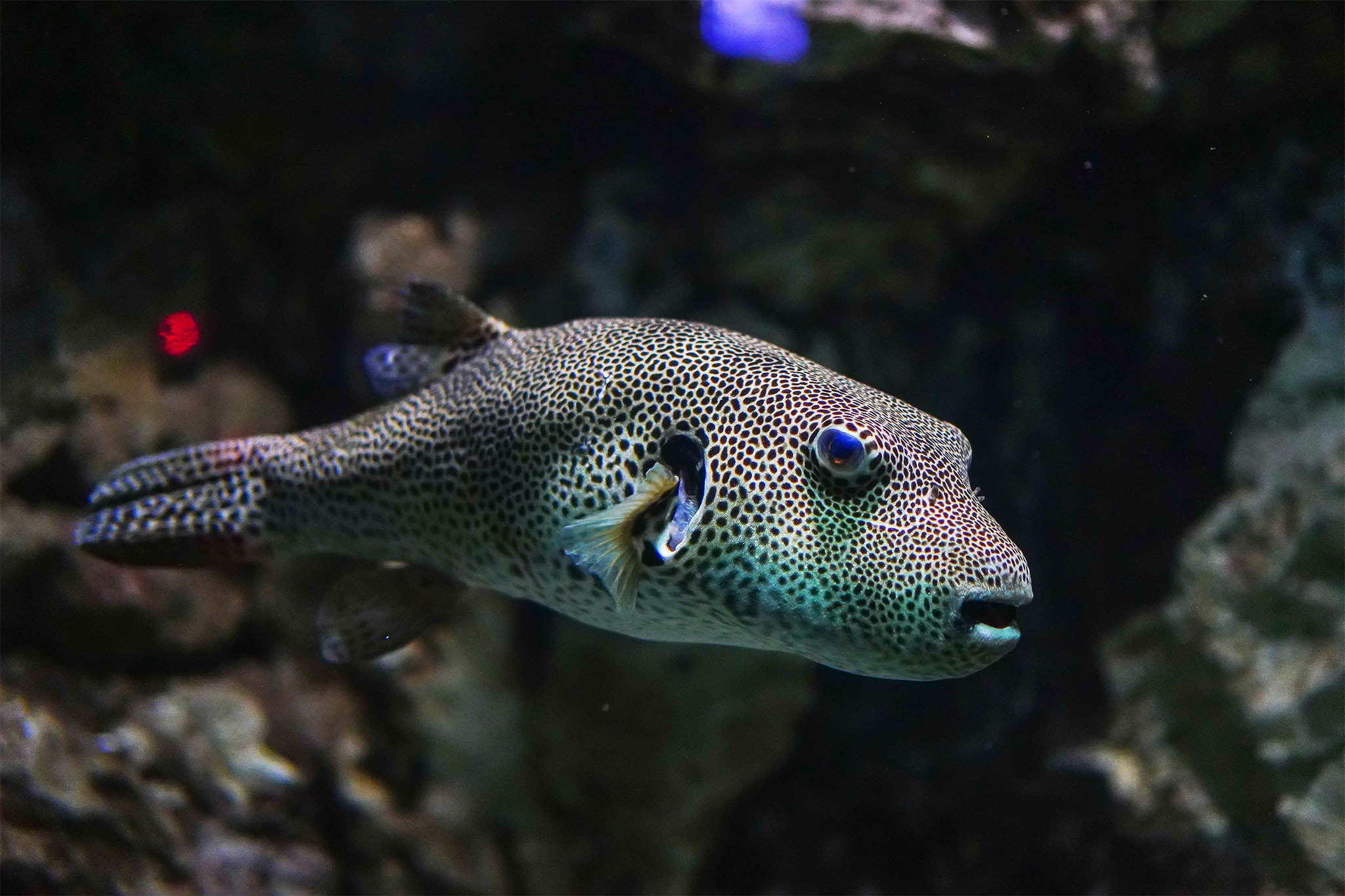
Tel Aviv University researchers say they have found the three Red Sea fish species that are the likeliest candidates to move into the swiftly warming Mediterranean through the Suez Canal in the near future, spotting the potential invaders before they join dozens of other swimmers that have wreaked ecological havoc off Israel’s coast in past years.
In a peer-reviewed study, the researchers developed pioneering statistical and ecological modeling, combined with extensive underwater observations, to predict that the stellate puffer, the cinnabar goatfish, and the yellowspotted trevally were the most likely to migrate from their native Red Sea habitat to the Mediterranean.
While they cannot yet predict when a potential invasion might take place, the researchers believe their breakthrough model can be an important tool to help authorities and marine scientists detect potential newcomers early enough to plan proactive conservation management.
“If we understand the process, and can predict which fish are going to be invasive, then we’ll be better prepared,” Prof. Jonathan Belmaker of Tel Aviv University’s School of Zoology, who supervised the study, told The Times of Israel.
None of the three have been spotted in Mediterranean or Suez waters yet, but two of the potential culprits could throw undersea ecosystems off balance while the third is toxic to humans if eaten.
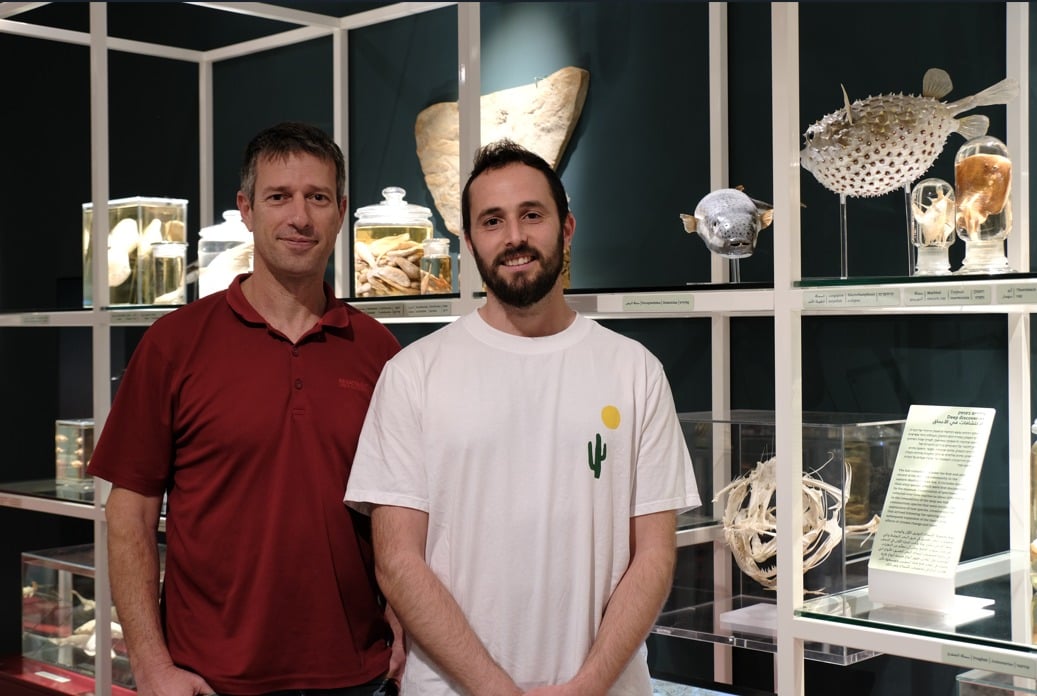
The study was led by Shahar Chaikin as part of his doctoral research at Tel Aviv University and appeared in The Journal of Animal Ecology. Additional contributors included Tal Gavriel, doctoral student Avery Deveto, and Shahar Malamud.
Dropping old habitats
The Suez Canal was built to help trade and ships, but it has also enabled hundreds of marine creatures, including fish, jellyfish and marine plants, to wander from the Indian and Red Seas to the Mediterranean, in a phenomenon known as Lessepsian migration, named for the canal’s French developer, Ferdinand de Lesseps.
Aside from those that swim through on their own, some fish reach the Mediterranean by traveling inside cargo ship ballast water tanks. When empty ships take on seawater in the Red Sea for stability, fish larvae and eggs are sucked into the ballast tanks, hitching a ride to the Mediterranean, where they can seed successful colonies.
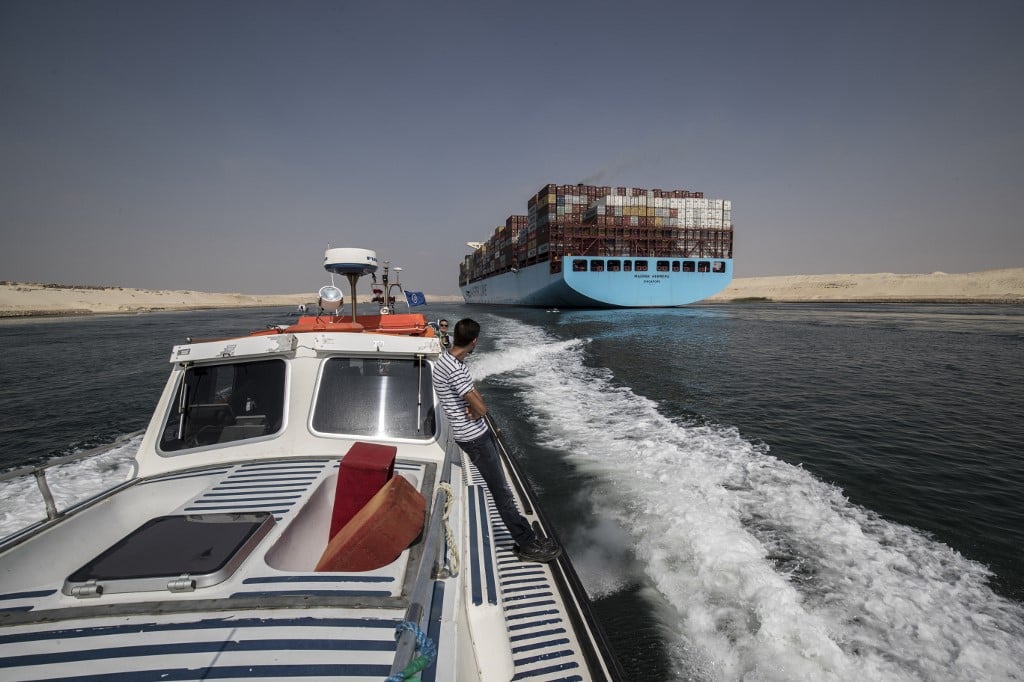
With the Eastern Mediterranean Sea heating up twice as fast as the global average, the pace of sea creatures migrating through the canal has sped up as well. More fish species reached the Mediterranean in the first 20 years of the 21st century than during the entire 20th century due to traffic in the canal and climate warming.
The Israel Oceanographic and Limnological Research Institute’s latest report shows that temperatures in the upper layer of the Eastern Mediterranean Sea were rising by 0.12 degrees Celsius per year, removing the cold-water thermal barrier that previously killed tropical Red Sea fish during winter.
Scientists now estimate that alien fish species routinely account for 23% to 44% of the total fish in shallow reef habitats and commercial catch samples along the Israeli coastline.
Invasive herbivorous species such as rabbitfish have eaten through underwater seaweed forests, turning them barren. Other Red Sea arrivals have pushed local fish from shallow water farther out to sea.
The red lionfish, for example has wreaked so much havoc that the Agriculture Ministry issued thousands of sport-fishing licenses in June so that fishermen can catch them to reduce their population.
Coral-relation correlation
To determine the fish species that might next make the journey, the Tel Aviv researchers decided to study species that had already made the trip and find if they shared characteristics with those still in the Red Sea that might make them well-suited to travel and settle in new areas.
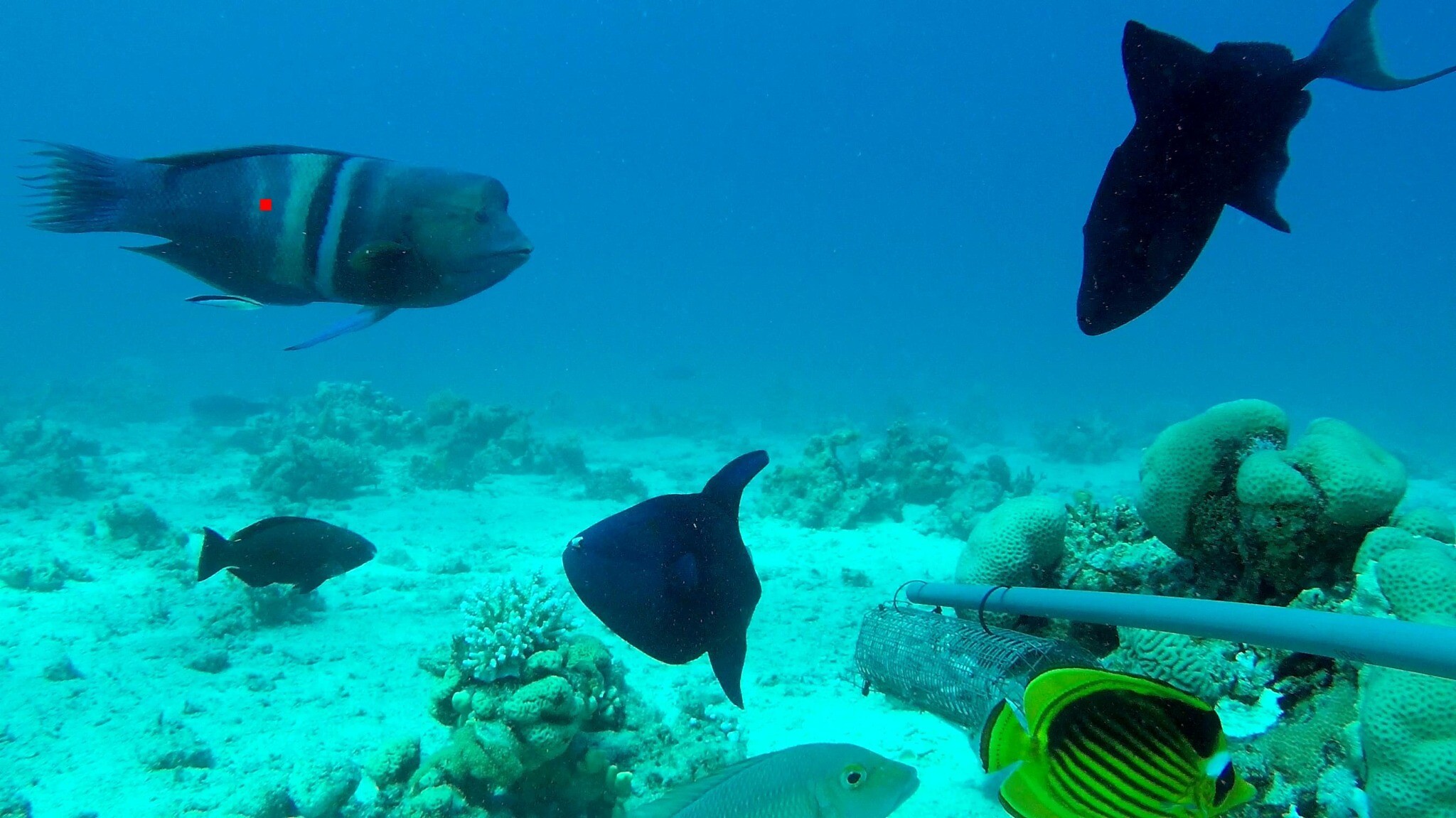
For an up-close look at the fish, the team deployed remote video systems with depth perception and 3D measurement capabilities at depths between 5 and 150 meters in both the Gulf of Eilat and along Israel’s Mediterranean coast.
The scientists then analyzed hundreds of hours of footage of 179 fish populations and compared species that had already invaded with those that stayed close to home in the Red Sea.
Previously, researchers had only studied the species after they invaded.
The scientists evaluated 16 distinct demographic and physical variables and found that those most able to migrate were able to tolerate shallow waters and had broad habitat flexibility.
The single strongest predictor of a fish’s ability to invade successfully, though, was its independence from coral reefs, Belmaker said. Neither the Suez Canal nor the Mediterranean contain coral reefs like those found in the Red Sea.
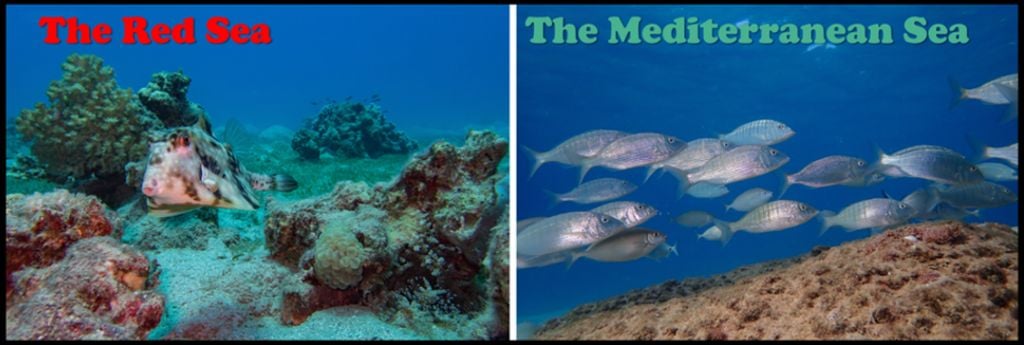
Once in the Mediterranean, these fish can adjust quickly to their new environment, shifting their habitat preferences.
Moreover, contrary to the common assumption that invasive species occupy “empty ecological niches,” the study found that the migrating fish use the same habitats occupied by native species.
Belmaker said this suggests that competition for food, shelter, and space between invasive and native fish may be much greater than previously thought.
Puffer, plower, predator, problem
Of the three fish that may invade next, the danger of the stellate puffer stems primarily from its lethal toxicity. It does not attack or sting humans, but it contains tetrodotoxin, which can cause paralysis and fatal respiratory failure if eaten.
This fish might follow another pufferfish species known in Hebrew and Arabic as Abu Nafha, which has already invaded from the Red Sea and is also deadly if eaten.
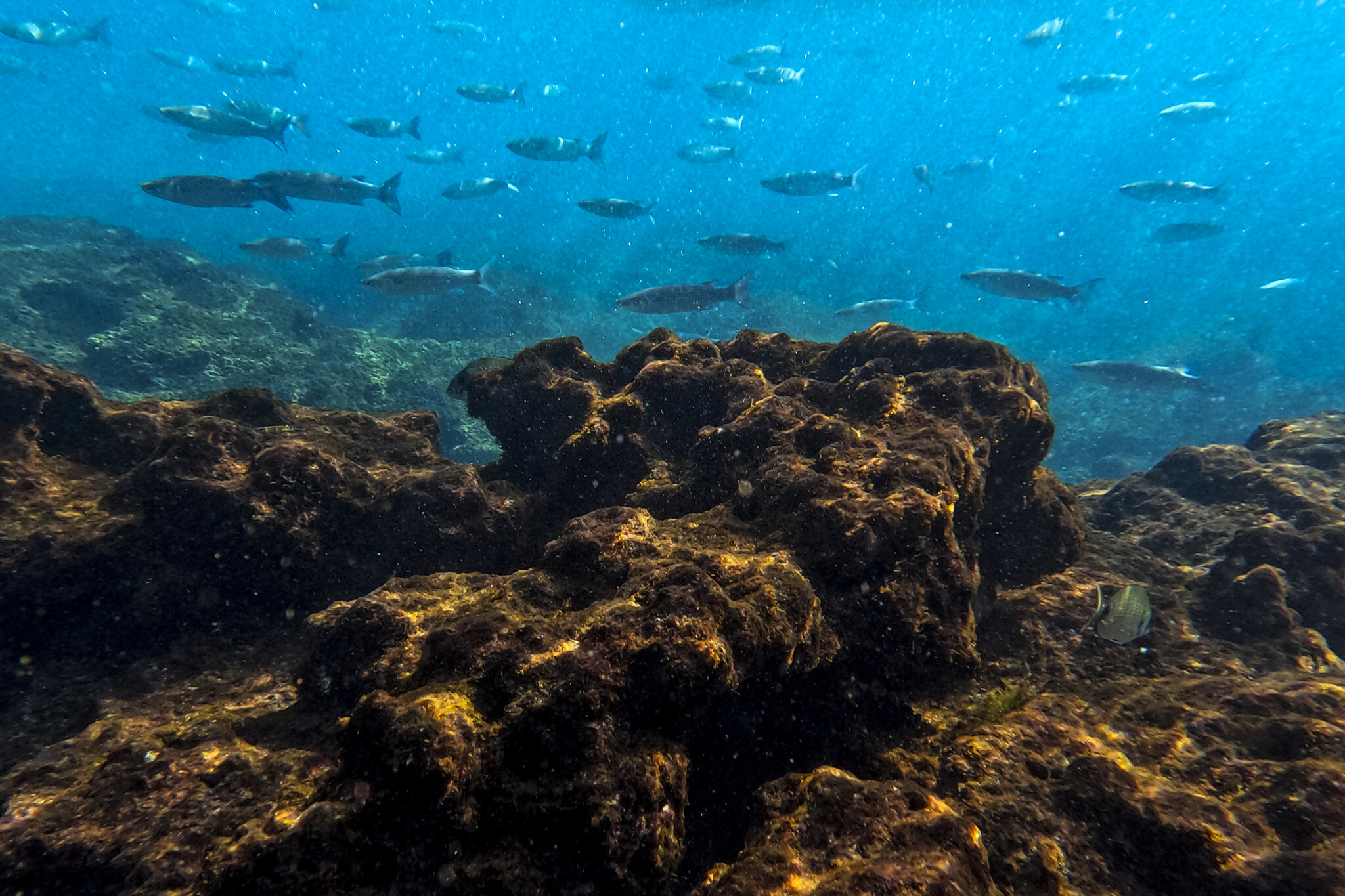
“Pufferfish are very problematic,” Belmaker said. “They’re poisonous, first of all. They also cause huge damage to fisheries because they eat fish that are on the hook or in the net, and their very strong beaks actually bite through fishing gear.”
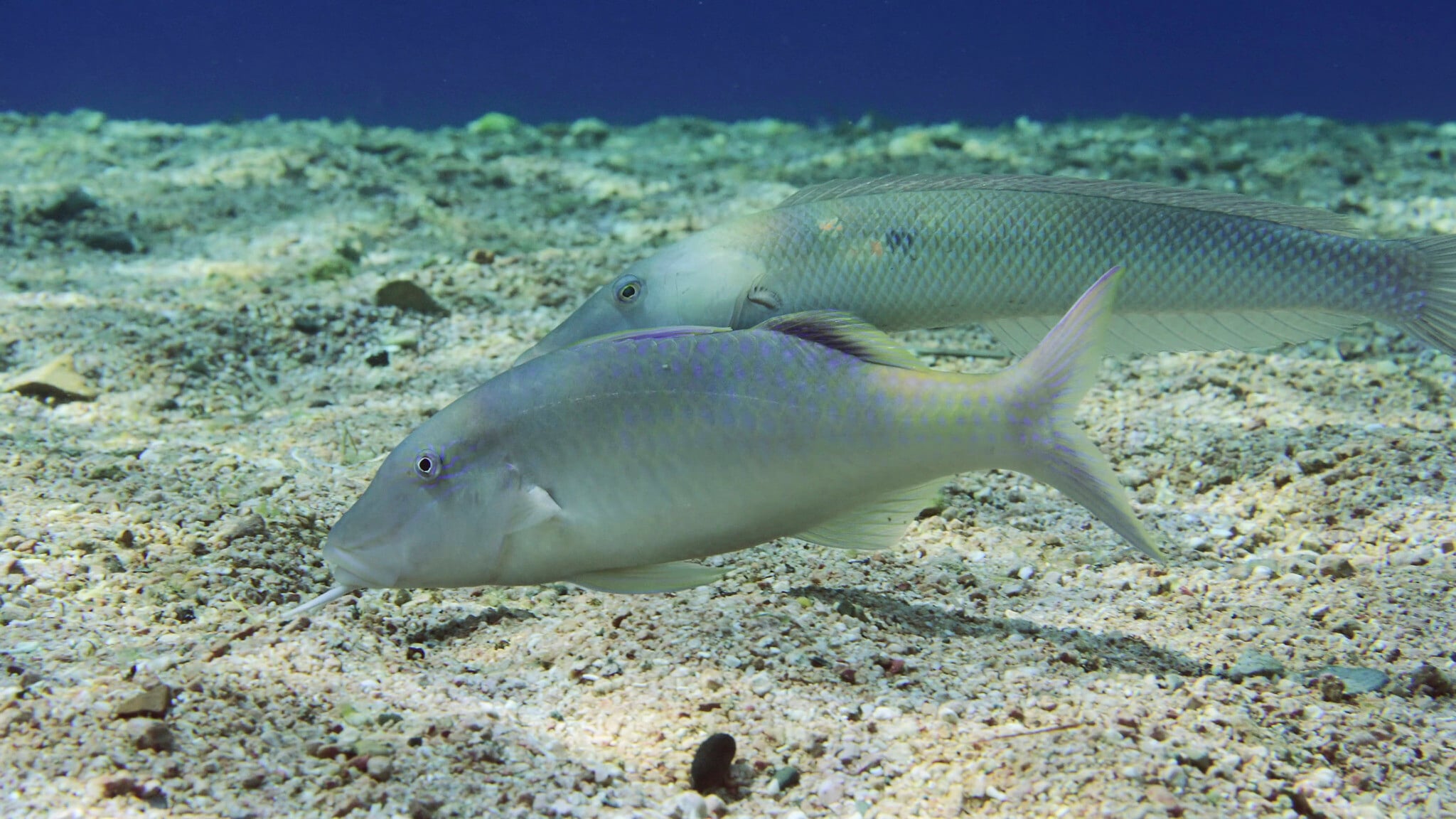
The second potential invader, the cinnabar goatfish, plows through sand and mud to dig up invertebrates like worms and small crustaceans. It competes directly for food with native Mediterranean red mullets, which are one of the most valuable commercial catches for local fishermen.
A different species of goatfish has already reached the Mediterranean, although its impact on the ecosystem is not yet clear.
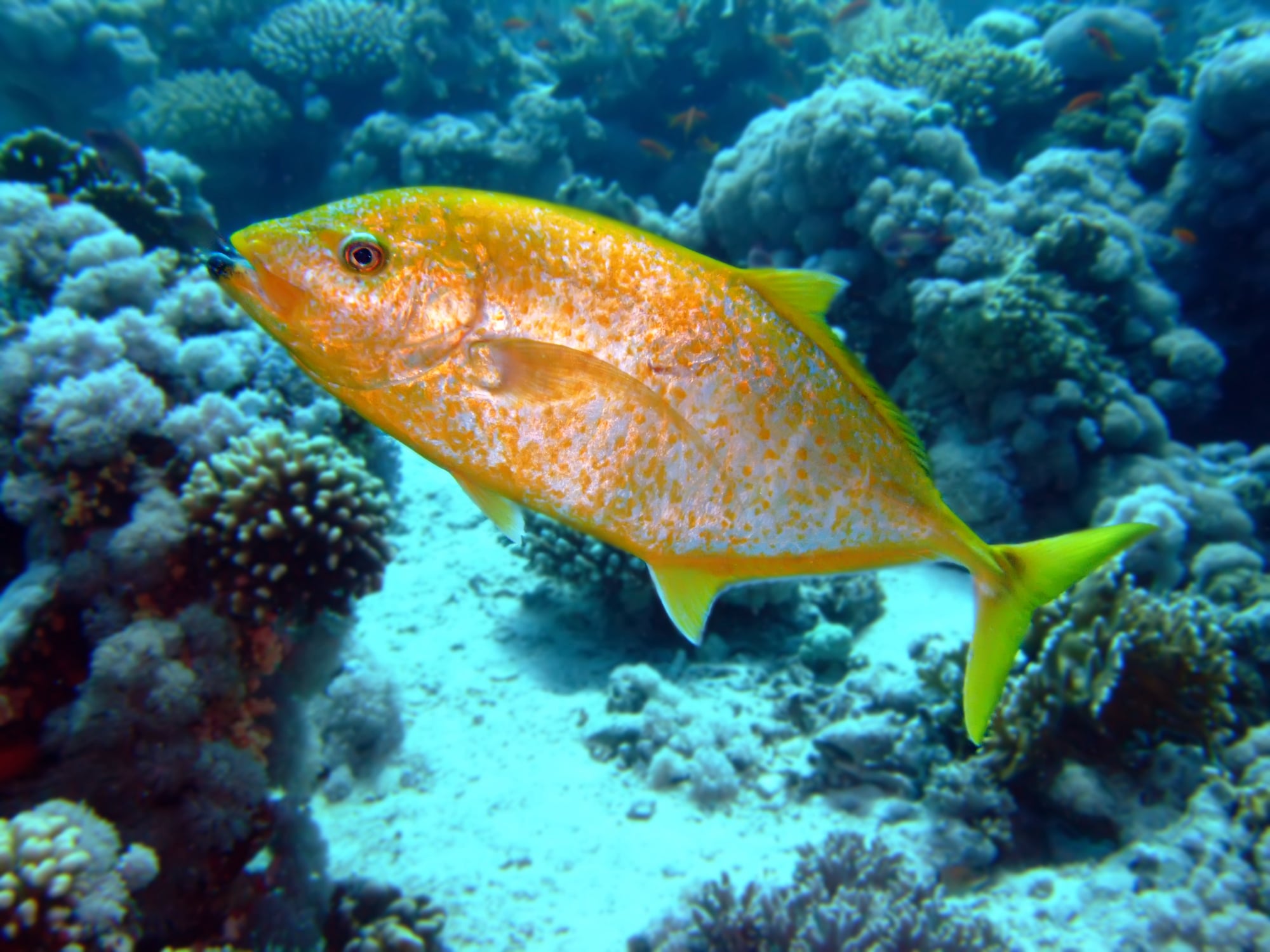
The third fish, the yellowspotted trevally, is a speedy open-water predator that can grow to over a meter (over three feet) long. It consumes massive quantities of small native fish such as sardines and anchovies, posing an ecological threat to the stability of the marine ecosystem.
“We need people to be on the lookout so when they see these fish or larvae in the Suez Canal, or in Israel, they can report them right away,” said Belmaker. “Hopefully, we’ll be able to take these individuals out of the water and stop the process before it’s too late.”
Sea change
To address the potential invasive threats requires not only vigilance but also creative solutions, Belmaker said.
He called for stricter enforcement of global maritime standards requiring cargo vessels to sterilize their ballast water and clean biological growth from their hulls before passing through the canal.
Taking regular water samples at key choke points to detect microscopic genetic traces of target species could also help, he said.
When the Suez Canal first opened in 1869, different species were naturally held back by the Bitter Lakes, a series of hypersaline salt marshes along the route. The salt levels were too high for most marine life to survive the passage. However, decades of canal widening have diluted this natural salt barrier.
Reestablishing a non-lethal, high-salt zone that tropical fish refuse to cross “could probably work again,” Belmaker said.
However, since the Suez Canal remains a wide-open corridor, stopping or removing these three specific candidates will not halt the influx of fish that are swimming their way into new territories.
Youval Arbel, deputy director of Zalul, a nonprofit environmental organization protecting Israel’s seas and streams, told The Times of Israel that steps should also be taken to reduce pollution and carbon emissions to curb the rapid warming of the Mediterranean.
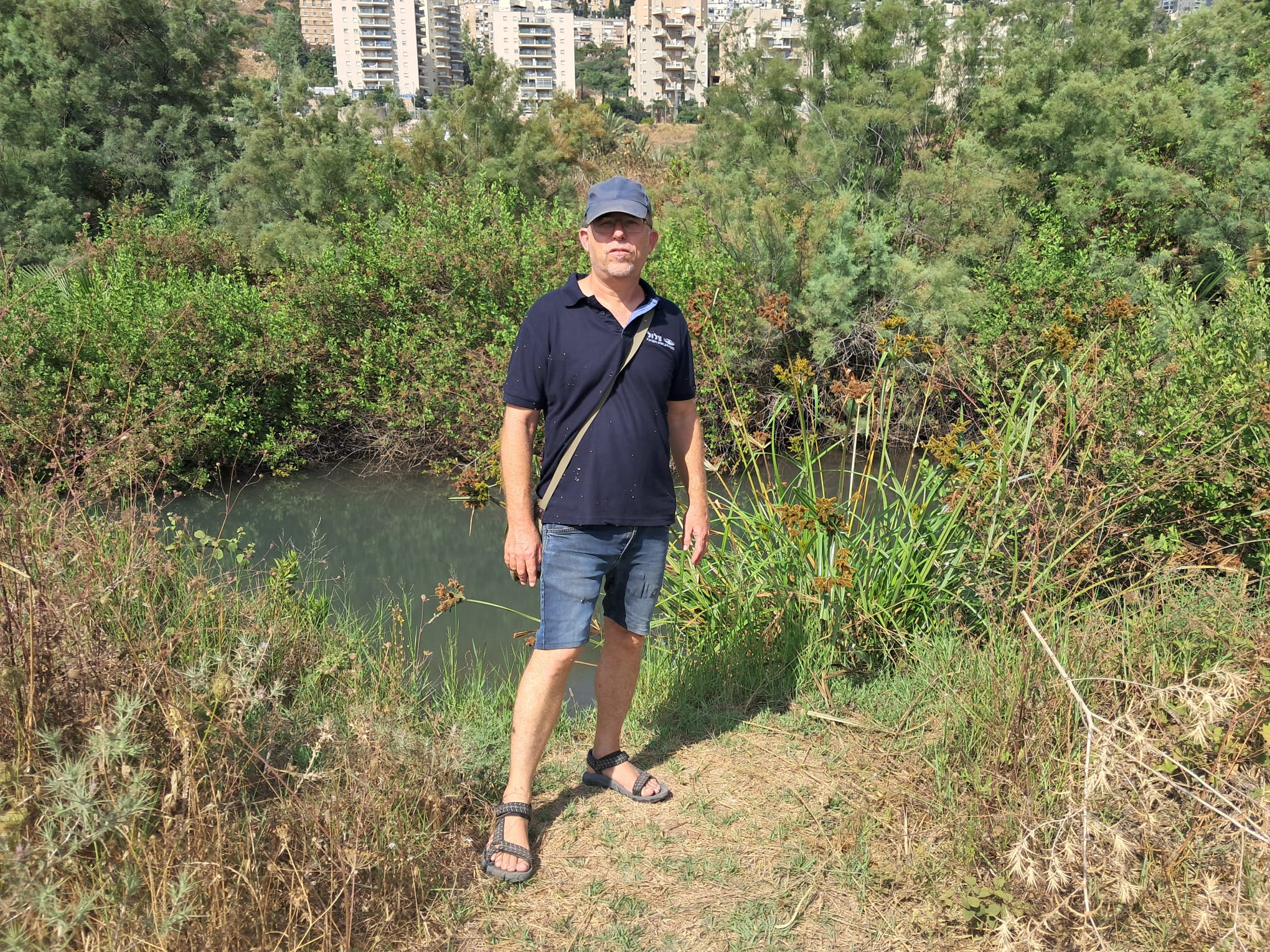
“We need a holistic approach to protect the ecological system of the Mediterranean as best we can, with the species we already have here,” he said.
Strengthening local ecosystem resilience is vital, Arbel added.
“Protecting the original species and the ecological system might reduce the negative impact of the newcomers or immigrants,” he said. “Not all newcomers are negative today.”










The Times of Israel Community.