

Seven Israelis stranded in Gaza blocked from returning due to bureaucratic stalemate
Report says six citizens and one East Jerusalem resident stuck in Strip since before Oct. 7 remain blocked as government bodies pass responsibility
 Add ToI as a Preferred Source on Google
Stav Levaton is a military reporter for The Times of Israel

Seven Israelis who traveled to the Gaza Strip shortly before the war and remained there with their families are now unable to return to Israel, despite being legally entitled to do so, after Israeli authorities failed for months to coordinate their entry, according to a Monday report.
The group — six women and one man ranging in age from 4 to 67 — includes six Israeli citizens and one East Jerusalem resident, all of whom are registered in Israel’s population registry.
More than two months ago, they submitted a formal request to return to Israel through the human rights organization, Gisha, but the request has not advanced due to a bureaucratic standoff between state bodies, Haaretz reported Monday.
At the heart of the issue is a dispute between the Population and Immigration Authority and the Coordinator of Government Activities in the Territories (COGAT) over which agency is responsible for initiating the process that would allow the group to safely exit Gaza during the current ceasefire.
A once-routine process
The seven reportedly left Israel a few weeks before the war under the “divided families” procedure, which applies to families in which one partner is an Israeli citizen or resident and the other is a Gaza resident. Until Hamas’s October 7, 2023, onslaught, movement under this framework was routine.
Departures and returns were handled through the Erez Crossing by the Coordination and Liaison Administration for Gaza, which operates under COGAT. Exit requests were typically approved within weeks, Israeli identity documents were deposited at the crossing, and travelers received temporary permits to enter Gaza. Upon returning to Israel, their Israeli documents were returned without requiring advance coordination.
That system collapsed after the outbreak of the war. As Gaza became an active combat zone, exiting the territory — even for Israeli citizens — began to require detailed prior coordination to ensure safe passage through areas under Israeli military control.
A bureaucratic deadlock
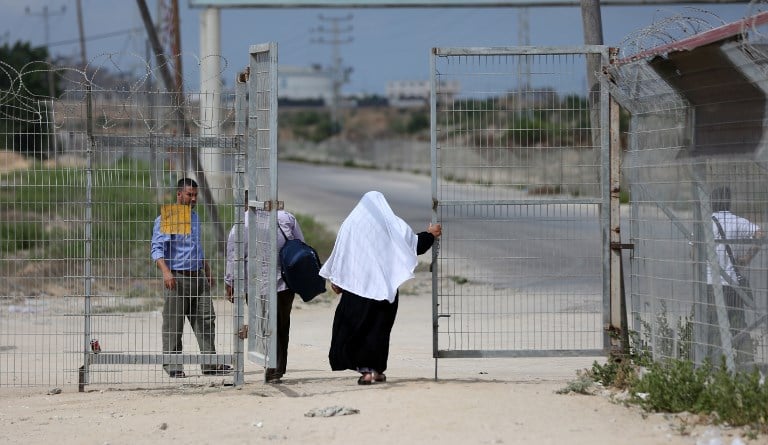
According to Gisha, the seven applied for coordination more than two months ago, but their request has stalled because neither authority involved has taken responsibility for moving it forward.
In a response to Haaretz, COGAT said the applicants must first complete procedures with the Population and Immigration Authority, adding that once a formal response is received from that body, it would act to coordinate their entry.
The Population and Immigration Authority, however, told the paper that Israeli citizens registered in the population registry are generally permitted to enter Israel, subject to identification and coordination with military officials — a process that falls under COGAT’s purview.
Despite acknowledging each other’s roles, neither authority has explained why they cannot directly verify the applicants’ identities and coordinate with the military, a step that would allow the return process to proceed.
Blocked despite urgent need
According to the report, the seven sought to return immediately following the ceasefire, which was announced in October, for urgent economic and medical reasons.
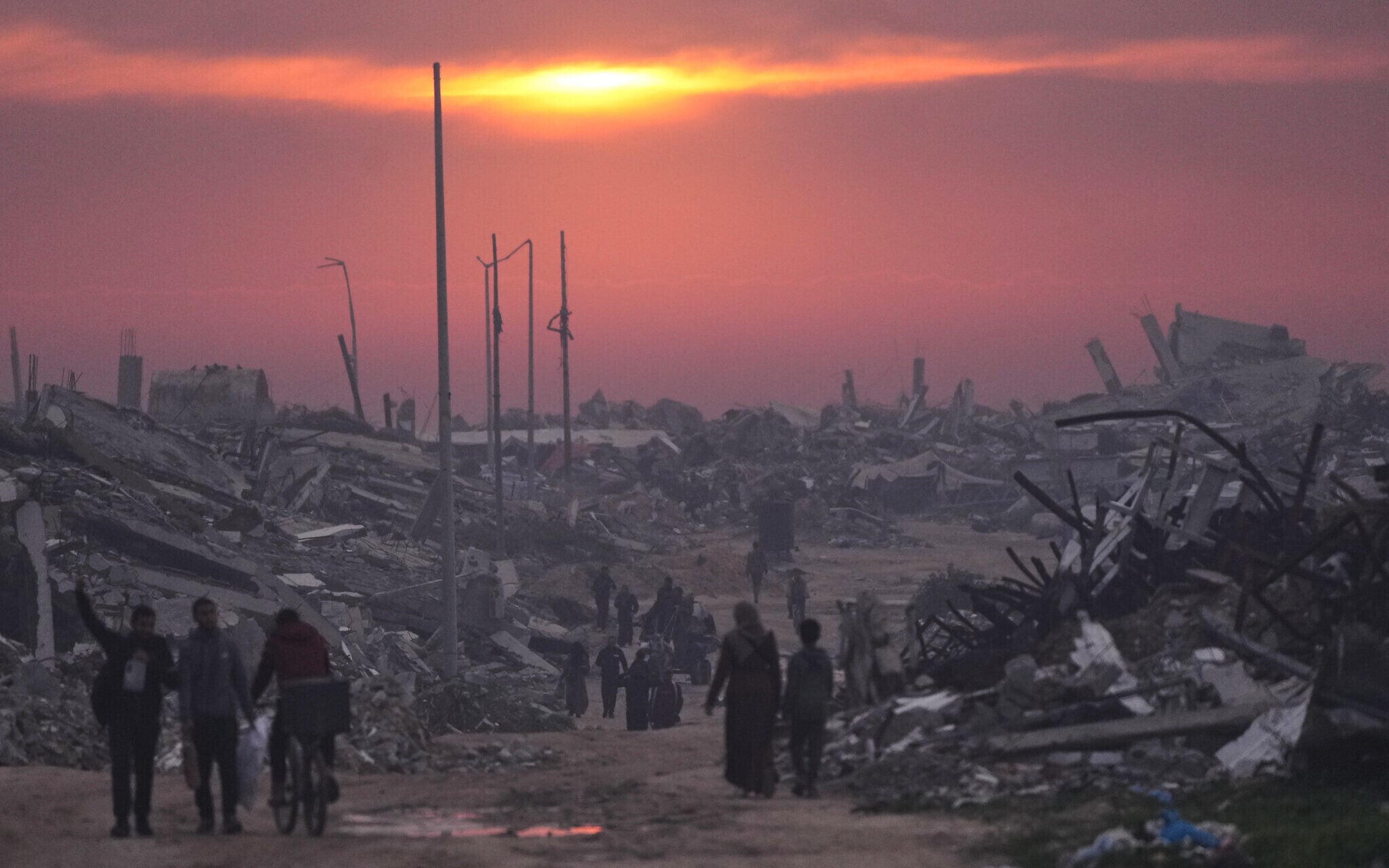
One woman requires medical treatment unavailable in Gaza, while the others say they need to work in order to support family members who remain in the Strip. Some hope that earning an income will eventually allow them to emigrate abroad.
It was unclear from the report if they were connected in any way.
Attorney Osnat Cohen-Lifshitz, head of Gisha’s legal department, described the state’s conduct as a violation of basic rights.
“Every citizen has the right to return to their country,” she told Haaretz.
A broader pattern
According to the report, before October 2023, at least 450 Israelis were classified as part of “divided families,” though it is unclear how many were in Gaza when the war began. Between November 2023 and August 2025, 152 Israeli citizens were extracted from Gaza in eight coordinated operations carried out by Gisha and the NGO HaMoked, working with Israeli authorities.
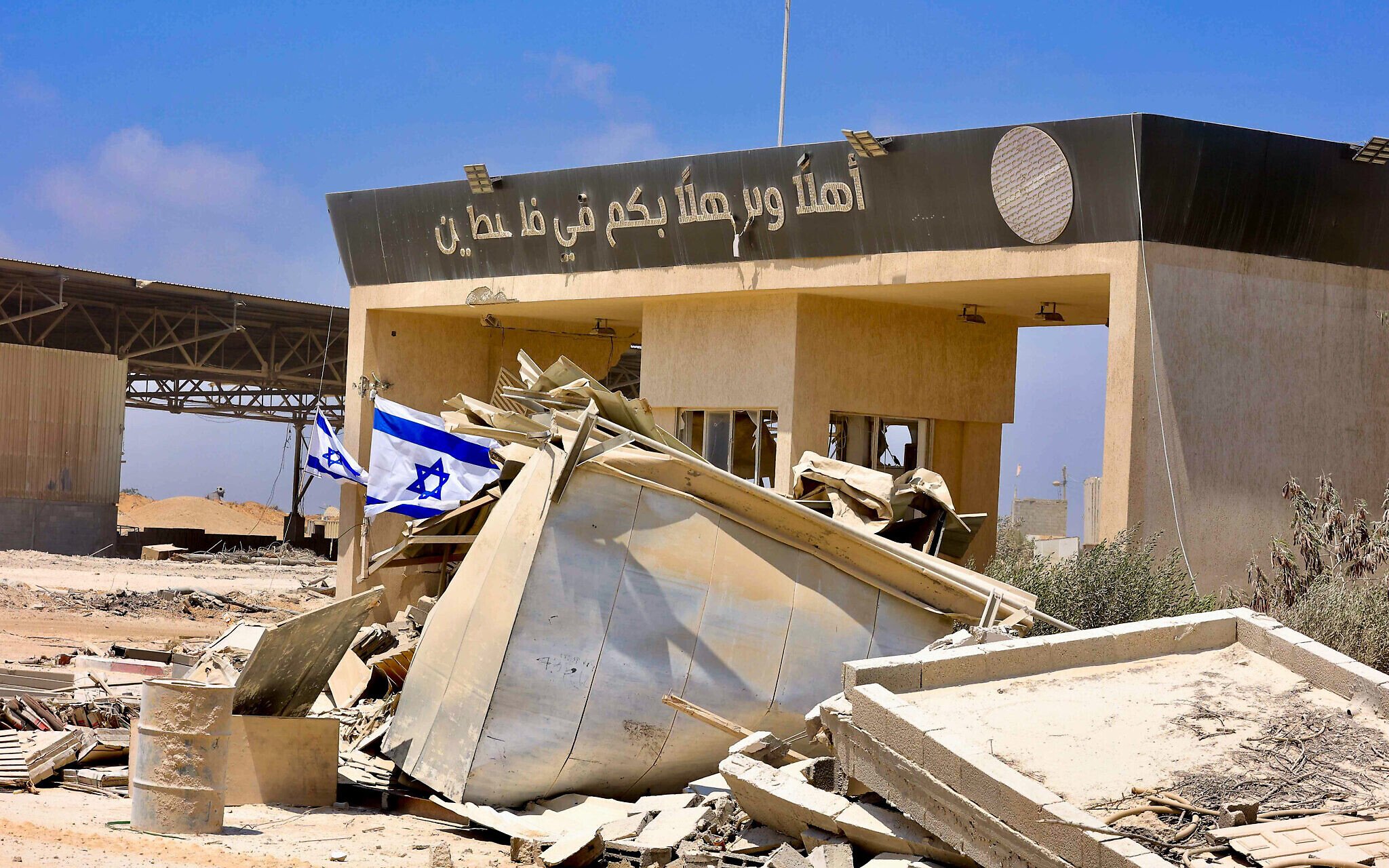
Initially, exits were carried out via the Rafah and Taba crossings along the Egyptian border. After those routes were closed in May 2024, following the IDF’s takeover of the Gaza side of Rafah, several evacuations were instead coordinated directly into Israel through the Kerem Shalom Crossing, which has since become a central route for humanitarian evacuations and limited civilian movement.
The organizations have said that each operation required overcoming significant bureaucratic hurdles.
Unlike several countries that allowed Palestinian relatives of their citizens to enter during the war, such as Canada and Australia, Israel has continued to bar Palestinians living in Gaza from accompanying their Israeli mothers or wives returning home — a policy that has reportedly led many women to delay their departure from the Strip.









The Times of Israel Community.