

Israelis upset by Iran ceasefire, pessimistic about war’s outcome, poll shows
In days after start of truce, most picked either despair, anger, or confusion as a dominant emotion, and didn’t believe claims that Iran is now very weak after bombing campaign
 Add ToI as a Preferred Source on Google
Most Israelis reacted to the announcement of a US-Iran ceasefire last week with dismay, and were broadly pessimistic about the state of the conflict, according to a poll conducted in the first days of the truce, and prior to a separate one with Lebanon.
According to the survey conducted by Dr. Nimrod Nir, of the Agam Institute and the Hebrew University of Jerusalem on April 9-10 – two to three days after the Iran ceasefire was announced – only 10% of Israelis said they saw the war up until that point as a significant success. A further 28% viewed it as a partial success, while 30% viewed it as neither a success nor a failure, and 32% viewed it as a failure.
A majority (63%) of respondents said the war had gone worse or much worse than they expected. Only 13% said it had gone slightly better or much better, while 24% said it had gone as expected.
Three-quarters of respondents estimated a high or very high likelihood that the threat would return, and 16% placed the likelihood as medium. Only 9% said it was low or very low.
A third (34%) of respondents said they would not have supported the war in hindsight, compared to 37% who said they would have, and 29% who said they weren’t sure.
Still, a plurality (42%) said that the campaign will strengthen Israel’s security in the long term, while 24% said it would have no impact, and 34% said the long-term impact would be negative.
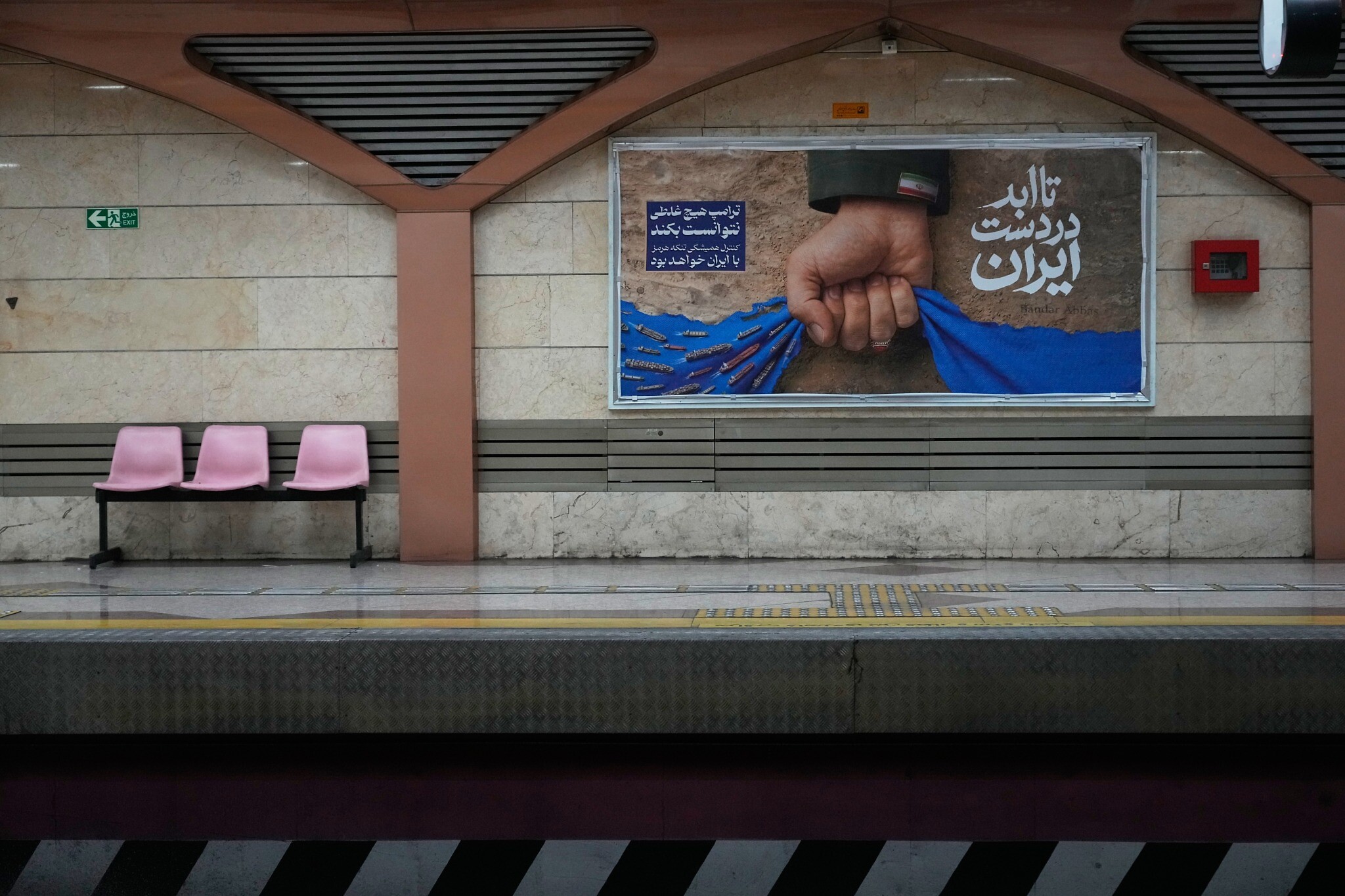
Asked what their dominant emotion was at the start of the Iran truce, a plurality (37%) of respondents said despair. A further 18% said confusion, 16% said anger, and 8% said fear. Only 14% said hope, and just 4% said pride.
Two-thirds (65%) of respondents said they opposed the ceasefire, while just 15% said they supported it, and the remaining fifth were not sure. And though the US touted the truce as a submission by Iran, 70% of Israeli respondents said the truce reflected an American concession to the Islamic Republic.
Despite Israelis’ dissatisfaction with the US’s decision to enter the truce, however, only a minority (40%) said Israel ought to continue attacks in spite of it. Roughly the same number (41%) said Israel ought to respect the truce, and the remainder (19%) were not sure.
The ceasefire was billed as the prelude to negotiations between the US and Iran, but 80% of respondents assessed a US-Iran agreement to be unlikely or impossible, and about the same share said a deal would be bad for Israel’s security if one were reached.
Indeed, the talks that weekend ended without an agreement, and were followed up by a US blockade of Iranian ports.
The ceasefire declared by Trump after six weeks of war came with Israel’s core declared goals of the war largely unfulfilled, including ensuring that Iran does not attain nuclear weapons, destroying its missile program, and creating the conditions for the Iranian public to overthrow the regime.
At start of Iran truce, opposition to another in Lebanon
In addition to their disappointment with respect to Iran, respondents were pessimistic about the campaign against the Iran-backed Hezbollah terror group in Lebanon.
A clear majority (61%) said the US-Iran truce should not apply to that conflict, while just 23% said it should apply to Lebanon, and the remaining 16% said they weren’t sure.
The poll was conducted a week before Israel, at Washington’s behest, entered a 10-day ceasefire with the terror group, amid peace negotiations with the Lebanese government.
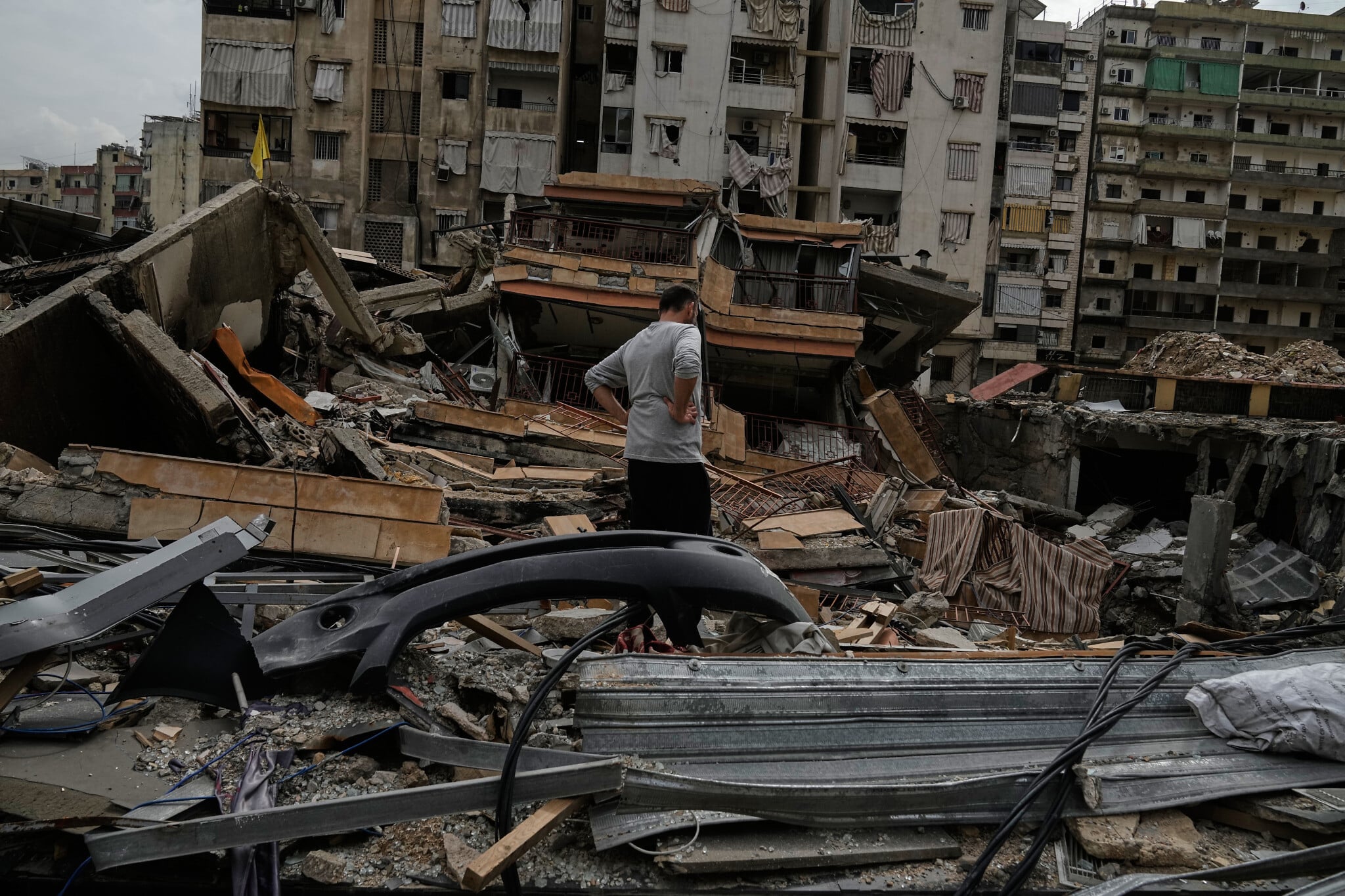
According to the Agam poll, Israelis were unconvinced by the government’s claims about the severity of Israel’s blows to Iran, and cynical about the official messaging about the war.
Asked whether they believed claims that Iran is “very weak,” a plurality (44%) of Israelis said they didn’t believe the claims at all, and a further 26% said they tended not to believe them. Another 18% said they weren’t sure. Just 10% of respondents said they tended to believe the claims, and only 2% said they strongly believed them.
Only 4% of respondents said the public received reliable information, and a quarter of respondents said the public partially receives reliable information. By contrast, 36% said the public does not really receive reliable information, and 35% said it doesn’t receive reliable information at all.
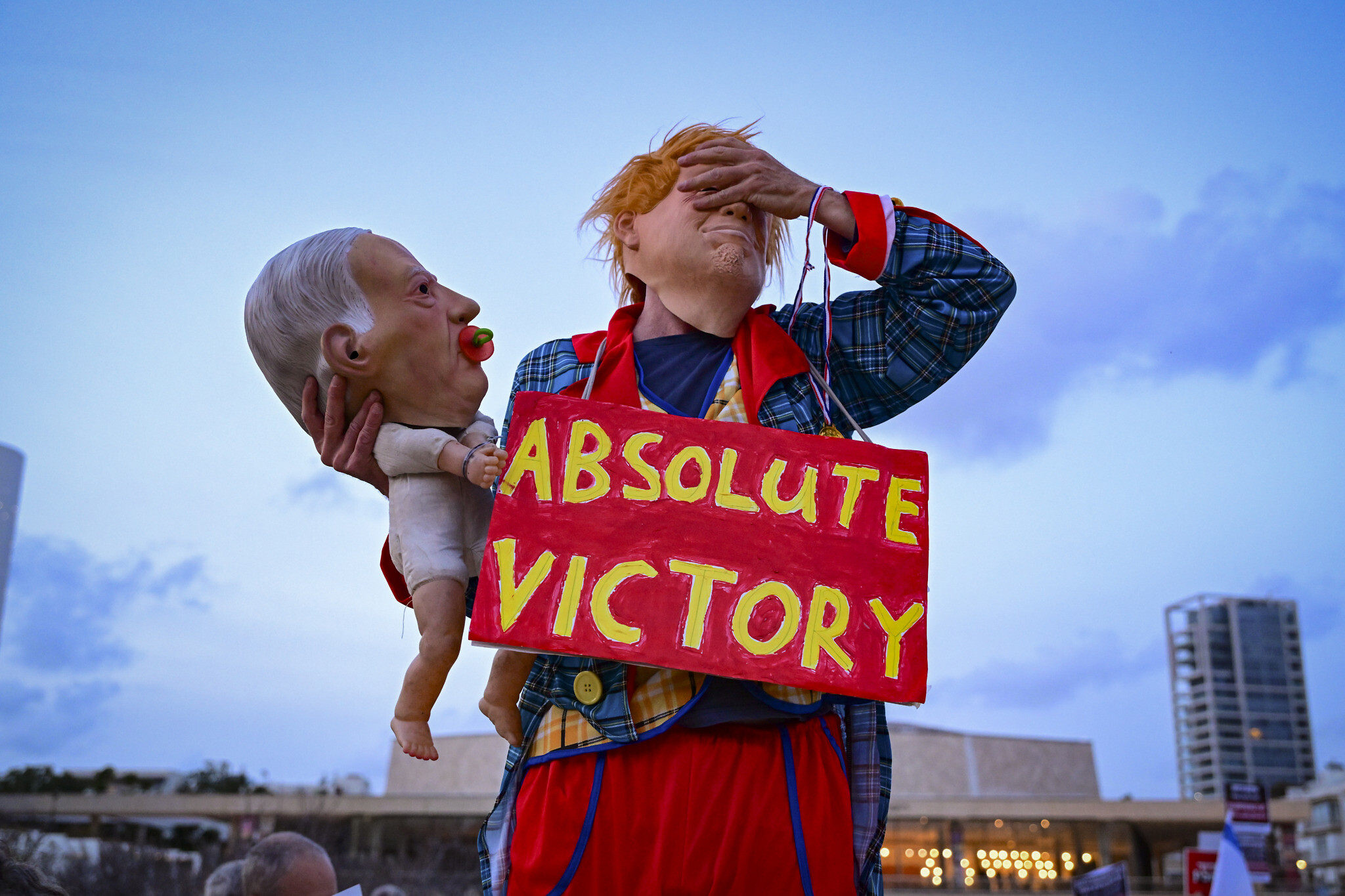
The poll found that Prime Minister Benjamin Netanyahu’s standing electorally declined since the start of the campaign, with just 34% of respondents saying he was their preferred choice for prime minister, compared to 40% at the start of the war.
Naftali Bennett and Gadi Eisenkot’s numbers improved slightly, but there was no clear winner as a result of Netanyahu’s decline, with most of the change apparently benefiting the unspecified “other” option. Opposition Leader Yair Lapid’s standing, meanwhile, went down by a tenth of a percentage point.
The survey was conducted among 1,312 Israelis (1,084 Jews, 228 Arabs), with a margin of error of 3.2%.
Newer polls, released on Thursday, found that Netanyahu’s right-wing bloc would fall far short of a majority if elections were held today, but most of them also found that the Zionist opposition would not manage a majority either.






The Times of Israel Community.