

Jerusalem planning to charge drivers who enter city once light rail lines completed
Congestion fee announced by mayor not expected to take effect for at least 7 years, while the capital’s expanded public transportation network is built out
 Add ToI as a Preferred Source on Google
Zev Stub is the Times of Israel's Diaspora Affairs correspondent.
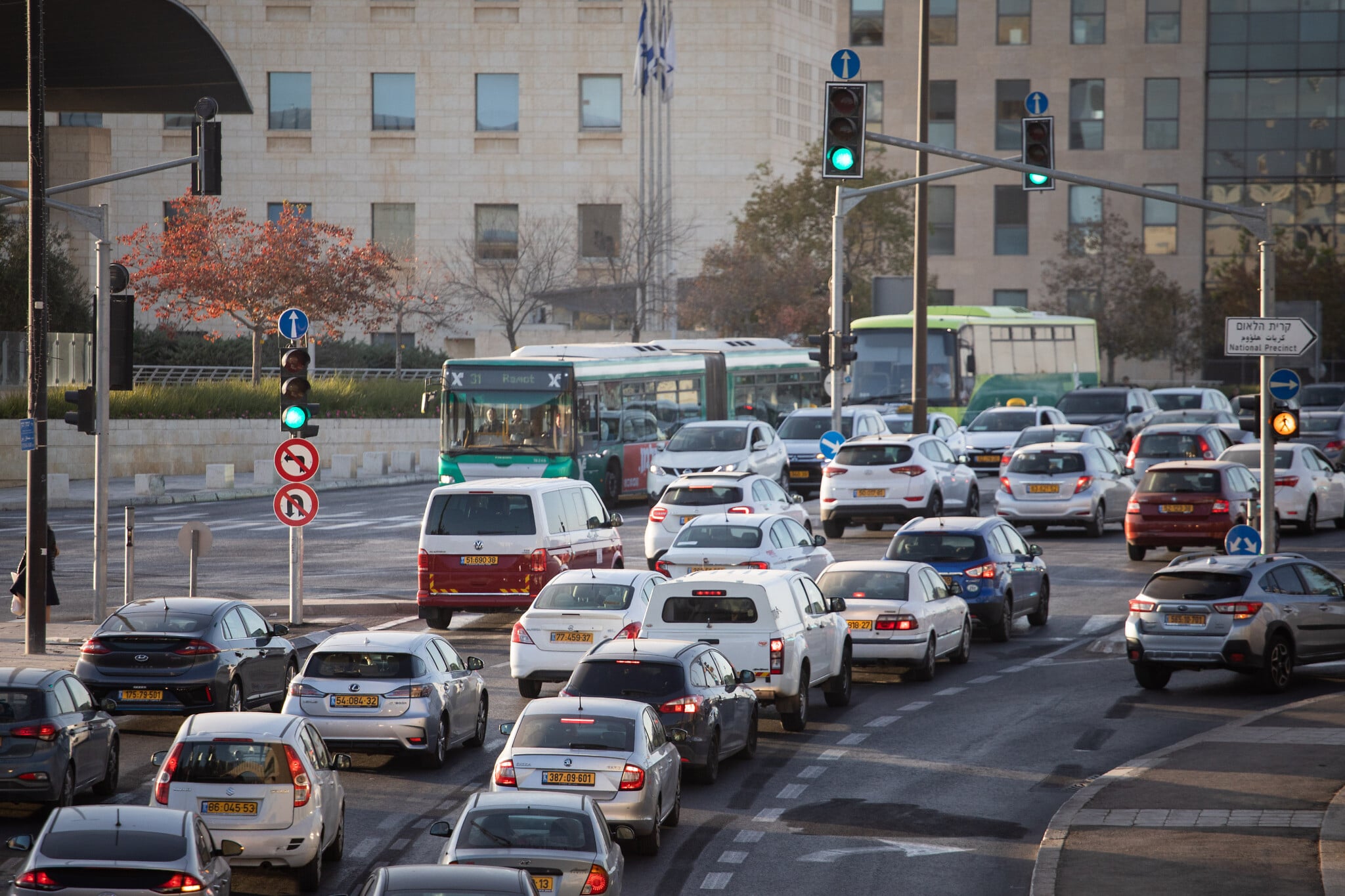
Jerusalem plans to implement a congestion charge for cars driving into the capital once its expanded light rail network is operational, Mayor Moshe Lion on Tuesday told participants at a conference on transportation.
Once the three planned light rail lines are operational, and new stations for the fast train connecting to the center of the country are built, Jerusalem will begin clamping down on drivers entering the city, Lion said.
Giant park-and-ride lots will be built at entrances to the city, where drivers can park their vehicles and then board public transportation, while those who insist on driving into Jerusalem will have to pay a fee.
“The transportation situation in Jerusalem is not easy at the moment, but Tel Aviv is worse,” Lion said. “Within a few years, I promise a real revolution, and Jerusalem will be the first city to get rid of traffic jams.”
The plan will only be begin to be implemented when city planners are confident that the public transportation infrastructure is operating at an optimal level, a spokesperson for the municipality clarified. In addition to city dwellers, residents of Jerusalem suburbs will likely be exempt from the charge, the spokesperson noted.
The proposed congestion charge is at least seven years away from going into effect, and likely longer. Two of the city’s three light rail lines, the Green and Blue Lines, are still under construction. The Green Line, which stretches from Mount Scopus in the north of the city to the Gilo neighborhood in the south, is expected to begin operation early next year.
However, construction of the Blue Line, which will connect the Ramot neighborhood to Gilo, began this year, and is only expected to be completed in 2030. Several years of work on the Emek Refaim portion of the line began in July.
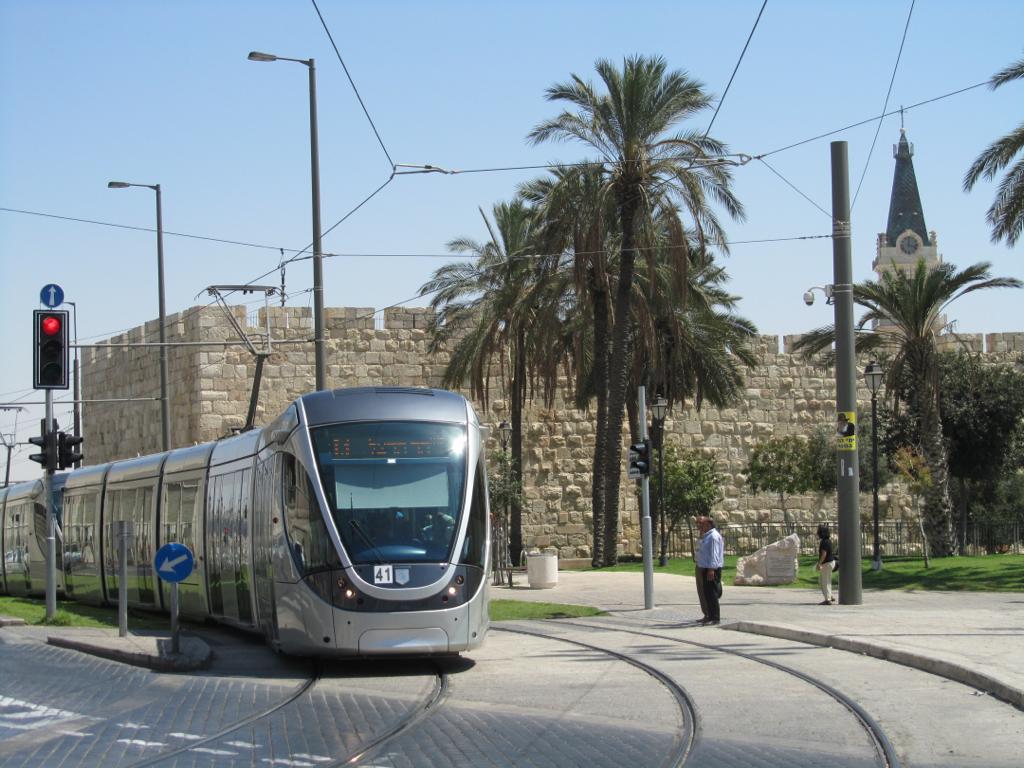
Construction work currently being performed on the Red Line, which opened in 2011, is expected to be completed by September. Nine stations on the Red Line in the center of the city have been closed for several months as workers prepare to connect it with the Green Line.
The Red Line is considered a huge success, transporting some 200,000 people every day, a Jerusalem spokesperson noted. The other light rail lines are expected to be a similar boon to the city.
A separate infrastructure project will add two new train stations in the capital for the high-speed rail line that currently connects Jerusalem to Tel Aviv and Ben Gurion Airport. Stations will be added in the City Center and near the First Station complex in the German Colony. Currently, there is only one Israel Railways stop in Jerusalem, the Yitzhak Navon station at the western entrance to the city.
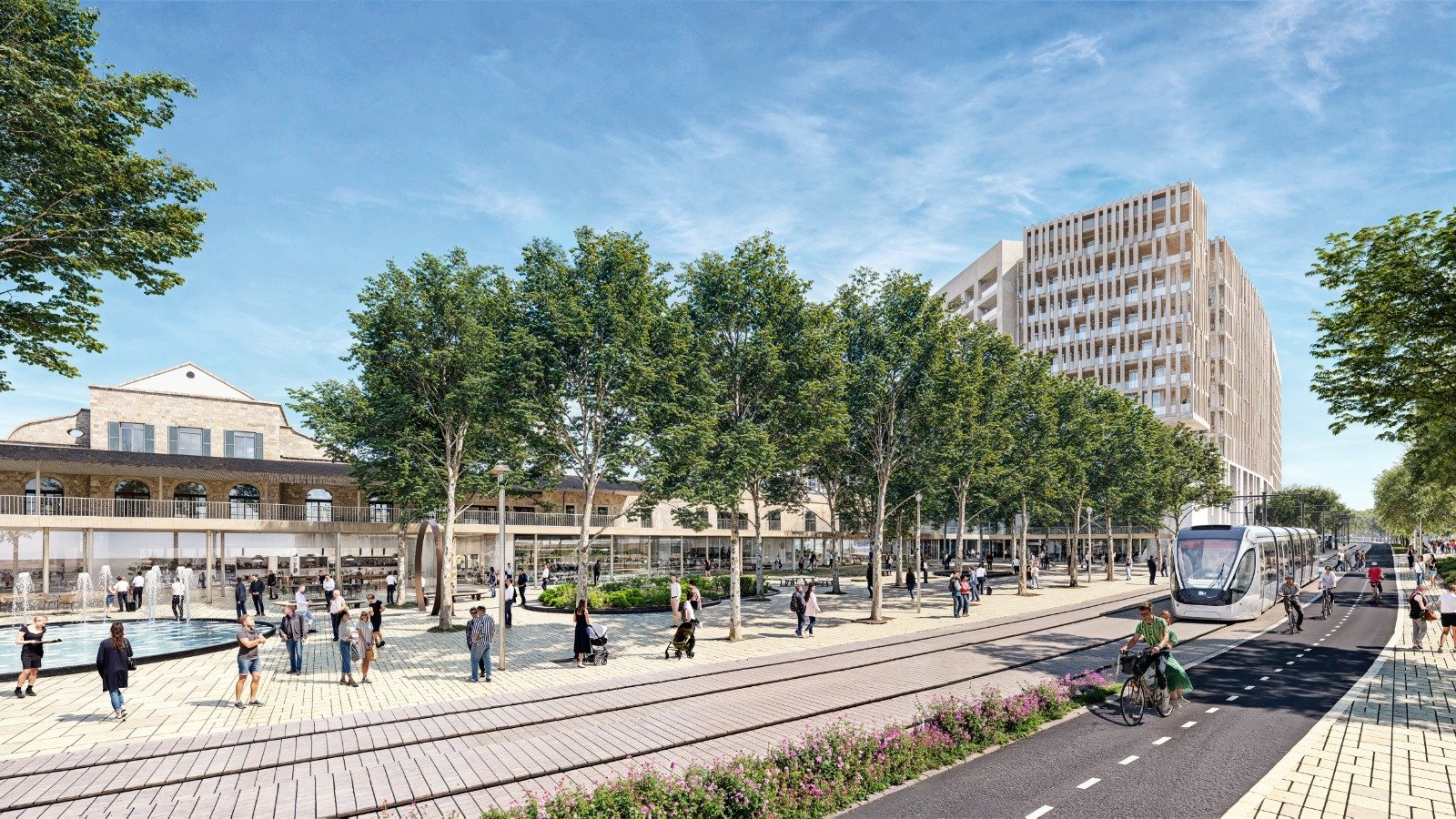
That project, which will extend the railway track by 5.5 kilometers (3.4 miles) at a depth of some 60 meters underground, is not expected to open until 2032.
All project timeframes, of course, are subject to possible delays.
Driving forward
Jerusalem’s city planners are ambitiously working to modernize the city, with aggressive construction plans that include revamped transportation options.
“Most Jerusalemites don’t really understand what the city is planning in terms of transportation,” a Transportation Ministry representative told The Times of Israel during the transportation conference.
In addition to the above-mentioned train and light rail options, the city is building new roads, adding more bus lines, and working to connect more than 80 kilometers of bike paths around the city, a city spokesperson said.
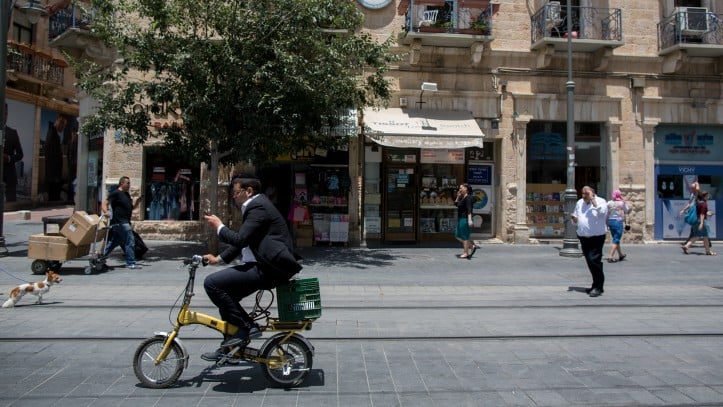
“More people in the city are traveling by bikes and scooters, and people understand the health and environmental benefits,” the spokesperson said. “This continues to grow stronger.”
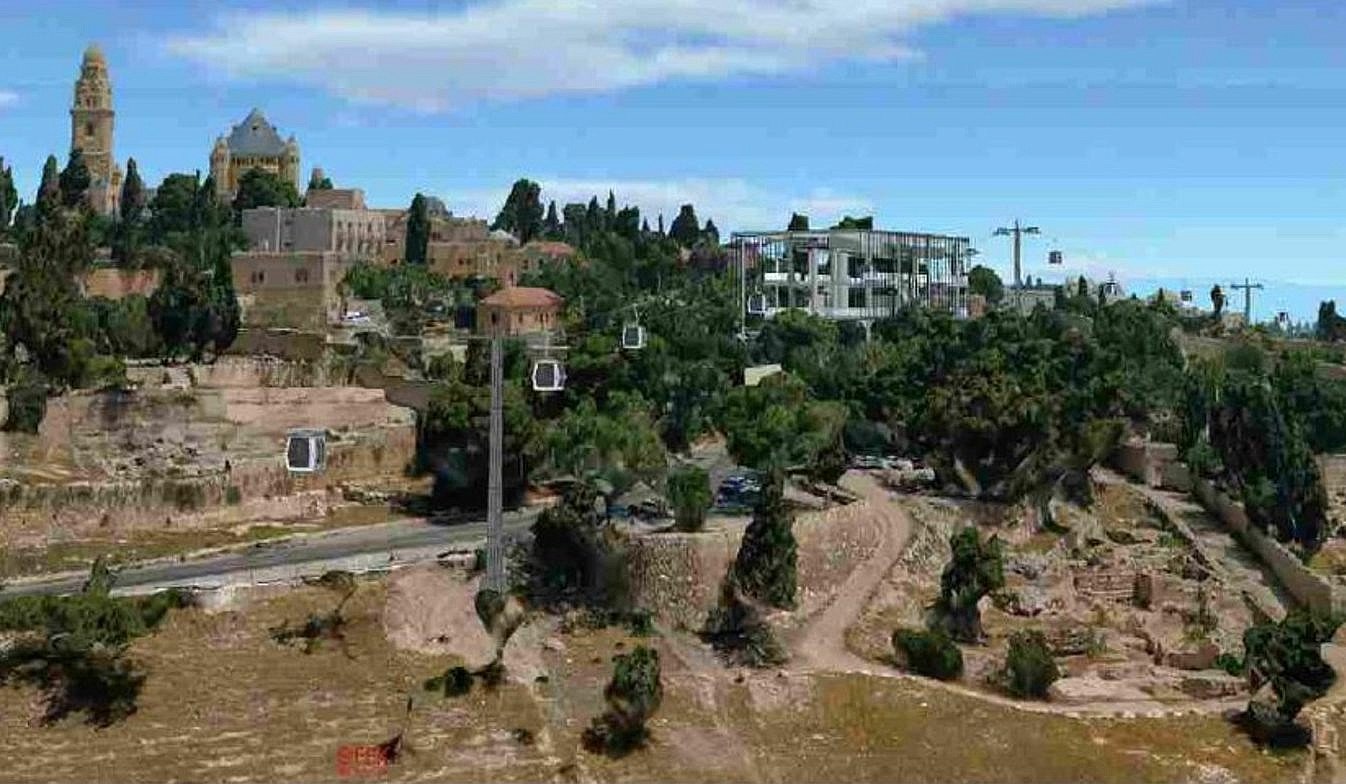
Plans are also underway to build a cable car from the First Station complex to the Old City, taking riders over the Ben Hinnom Valley and Mount Zion. Authorities hope the 1.4-kilometer (nearly a mile) cable car will ferry up to 3,000 people per hour in up to 72 10-person cabins.
That controversial project has been opposed by numerous parties for over a decade, but it remains a priority for the city and national government.
Another municipal strategy for reducing the number of vehicles on the road is promoting shared car services, whose members can rent cars for an hourly price.
“The municipality was a pioneer in promoting the field of shared mobility from the early days, and we have a strong partnership with the city,” said City Car vice president Elyasaf Segre, whose company has 400 rental cars located in neighborhoods all around the city. “Studies have shown that every shared car available reduces private car ownership in a city by 8-12 cars. Our vision is that within 10 years, everyone in the city will be a member.”
Jerusalem is also seeing a major building boom, with construction and urban renewal projects dotting the city. Nearly 500 new skyscrapers of 18 stories or more are planned for construction in Jerusalem in the coming years, adding about 60,000 new housing units to the city, according to municipal documents.








The Times of Israel Community.