

Khamenei set Iran’s direction for decades. Now the public he suppressed has hope
The 86-year-old supreme leader placed the IRGC at the center of power, and built up a terror network. With so many top aides dead, it is hard to determine who will take his place

 Add ToI as a Preferred Source on Google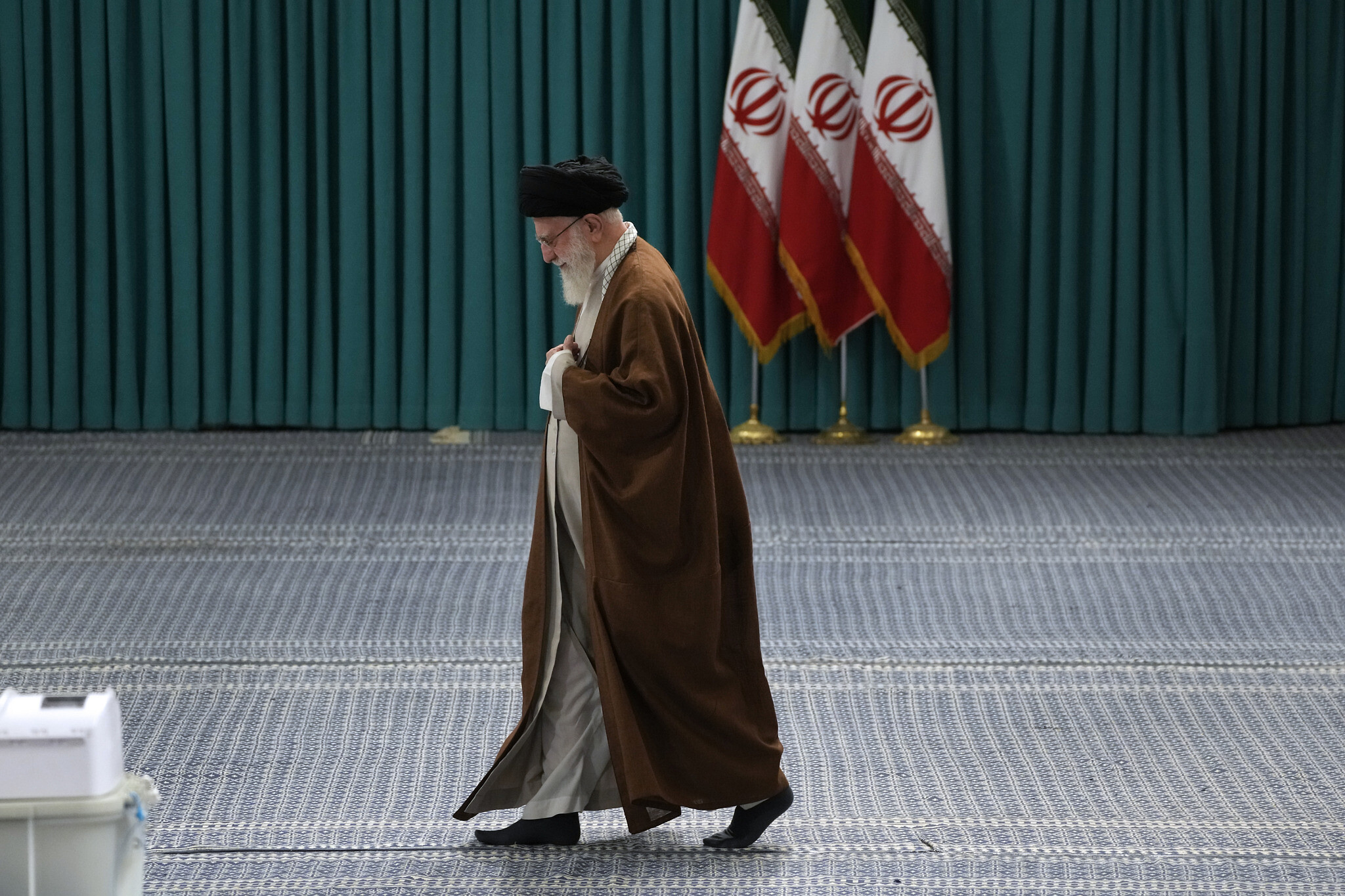
On Saturday night, the first evening of the second American-Israeli military campaign against Iran in less than a year, an Israeli official made a dramatic announcement to reporters — that the Israeli Air Force had assassinated Ayatollah Ali Khamenei, the 86-year-old supreme leader of the Islamic Republic.
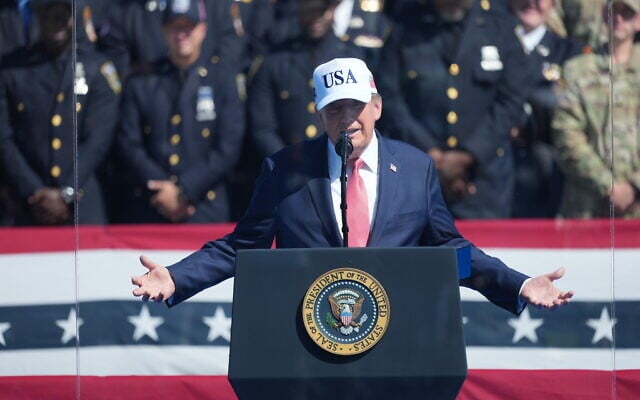
US President Donald Trump asserted as much shortly afterward, writing on Truth Social that “Khamenei, one of the most evil people in History, is dead.”
And hours later, Iran’s state media confirmed what had increasingly been clear — that the ayatollah had indeed been slain.
Khamenei’s loss is a colossal blow for a regime that was already under intense domestic pressure from its population, and is now being overwhelmed by a carefully planned campaign by two of the world’s best air forces.
“Even if he had died in natural circumstances, it would be a major shake-up for the regime,” said Raz Zimmt, Iran expert at the Institute for National Security Studies.
Under Iran’s system of government, Khamenei had supreme command of the armed forces and the power to declare war and appoint or dismiss senior figures, including military commanders and judges.
“Until his final day, he was the one who made the final decision,” said Zimmt. “Strategic decisions, throughout the years, needed his approval.”
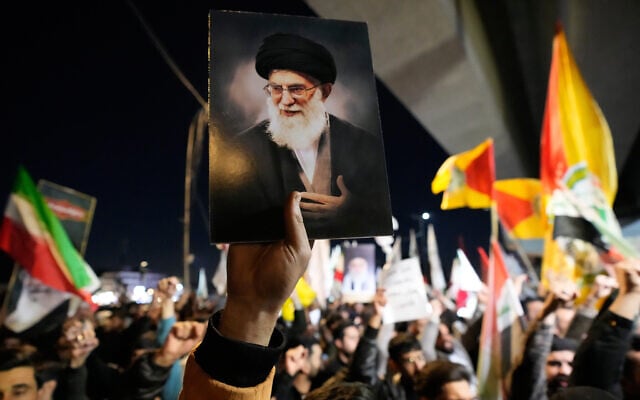
His role as the central decision-maker became even more pronounced after Iran’s top security chiefs were killed by Israel in June 2025. The loss of Islamic Revolutionary Guard Corps (IRGC) commanders last year took out a key locus of experience and ideological zeal that Khamenei relied on for both internal security and regional strategy.
Khamenei’s role in the country’s key decisions was on full display in recent weeks, as he gave the green light for talks with the US and set Iran’s position in those failed negotiations.
He long embodied the Islamic Republic’s adversarial and defiant posture towards its enemies, chiefly the United States and Israel.
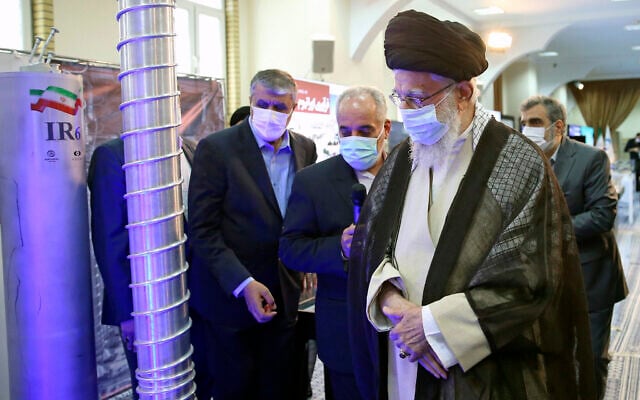
In power since 1989, Khamenei guided the steady advancement of Iran’s nuclear program, arguing that uranium enrichment is Iran’s sovereign right.
He also expanded Iran’s regional influence in Lebanon, Syria, Iraq and Yemen, arming powerful armed proxies that have been beaten back by Israel since the October 7, 2023, attack by Hamas, another terror group backed by Iran.
His successor will likely continue to see the US, Israel and the West as Iran’s ideological and military enemies. But without a clearly defined succession plan, there are sure to be struggles within the regime.
“It’s not clear who’s left, and that is a critical question,” said Zimmt.
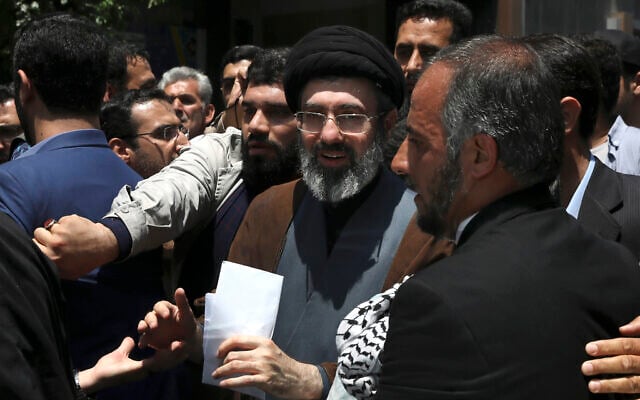
Khamenei’s son Mojtaba, a mid-ranking cleric, is regularly seen as a potential successor. He has built close ties to the IRGC and has worked with a range of political and security factions in the regime.
Other top lieutenants include the head of Khamenei’s office, Mohammad Golpayegani, as well as former foreign ministers Ali Akbar Velayati and Kamal Kharazi, and powerful ex-parliament speaker Ali Larijani.
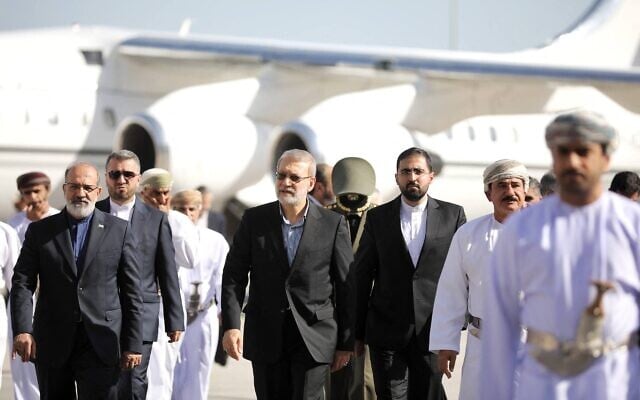
“The supreme leader avoided naming a successor,” said Jonathan Ruhe, fellow at the Jewish Institute for National Security of America, “but that may be moot anyway, if Israel’s opening strikes killed his son Mojtaba, Ali Larijani, and a short list of others who were believed to be unofficially in the running.” (Larijani was not killed and, as of Sunday, Israel has not suggested that Mojtaba was either.)
Some observers believe the most likely successor would be from the IRGC.
“His partner in power over the past two and a half decades has been actually the security forces, not the clergy,” said Behnam Ben Taleblu, senior fellow at the Foundation for Defense of Democracies.
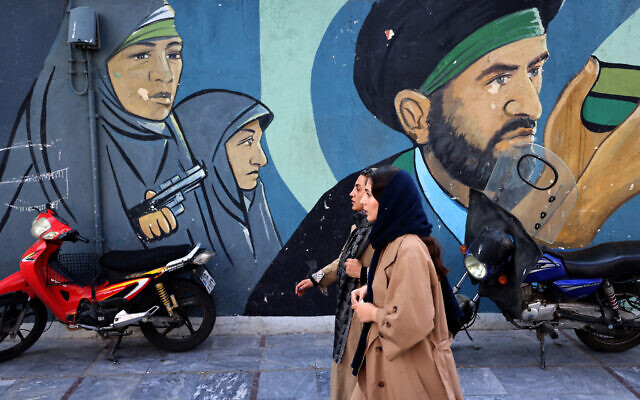
While the regular army chain of command runs through the Iranian defense ministry under the elected president, the IRGC answered personally to Khamenei, securing the best military equipment for their land, air and sea branches, and giving their commanders a major state role.
IRGC commander Mohammad Pakpour was killed by Israeli strikes on Saturday, according to the IDF.
The question now, said Ben Taleblu, is “what faction of the Revolutionary Guards is actually the most competent and most coherent and most organized.”
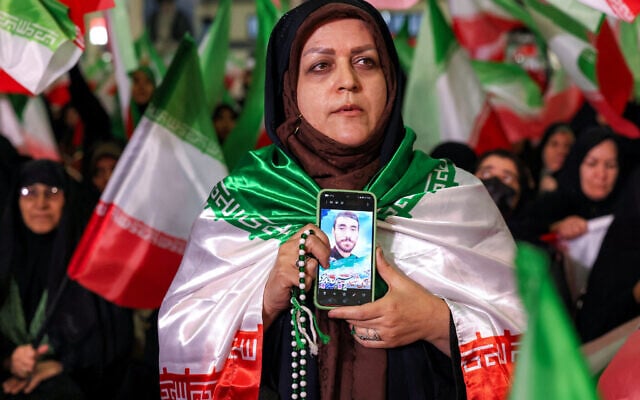
No matter who assumes power, they will be faced with tens of millions of citizens who want the regime gone.
These masses may well be emboldened by Khamenei’s killing.
“Being able to take out the supreme leader and other top regime officials builds on the psychological effects of Israel’s covert and decapitation strikes last June,” said Ruhe. “Those attacks showed everyone, in Iran and abroad, just how feeble and hollow the regime ultimately was.”
Khamenei brutally put down unrest, deploying the IRGC and its affiliated Basij militia to quell national protests in 1999, 2009, 2022 and in January of this year.
“The killing of Khamenei, the longest-serving, contemporary autocrat in the Middle East,” said Ben Taleblu, “makes it a lot more likely that once the bombing stops or slows, the street will again rise.”
Reuters contributed to this report.






The Times of Israel Community.