

Knesset passes law doubling funds for organizations working with disabled soldiers
Legislation mandates an annual budget of at least NIS 10 million ($3 million) for groups working for the benefit of disabled vets and victims of hostilities
 Add ToI as a Preferred Source on Google
Sam Sokol is a former political correspondent at The Times of Israel. He was previously a reporter for the Jerusalem Post, Jewish Telegraphic Agency and Haaretz. He is the author of "Putin’s Hybrid War and the Jews"
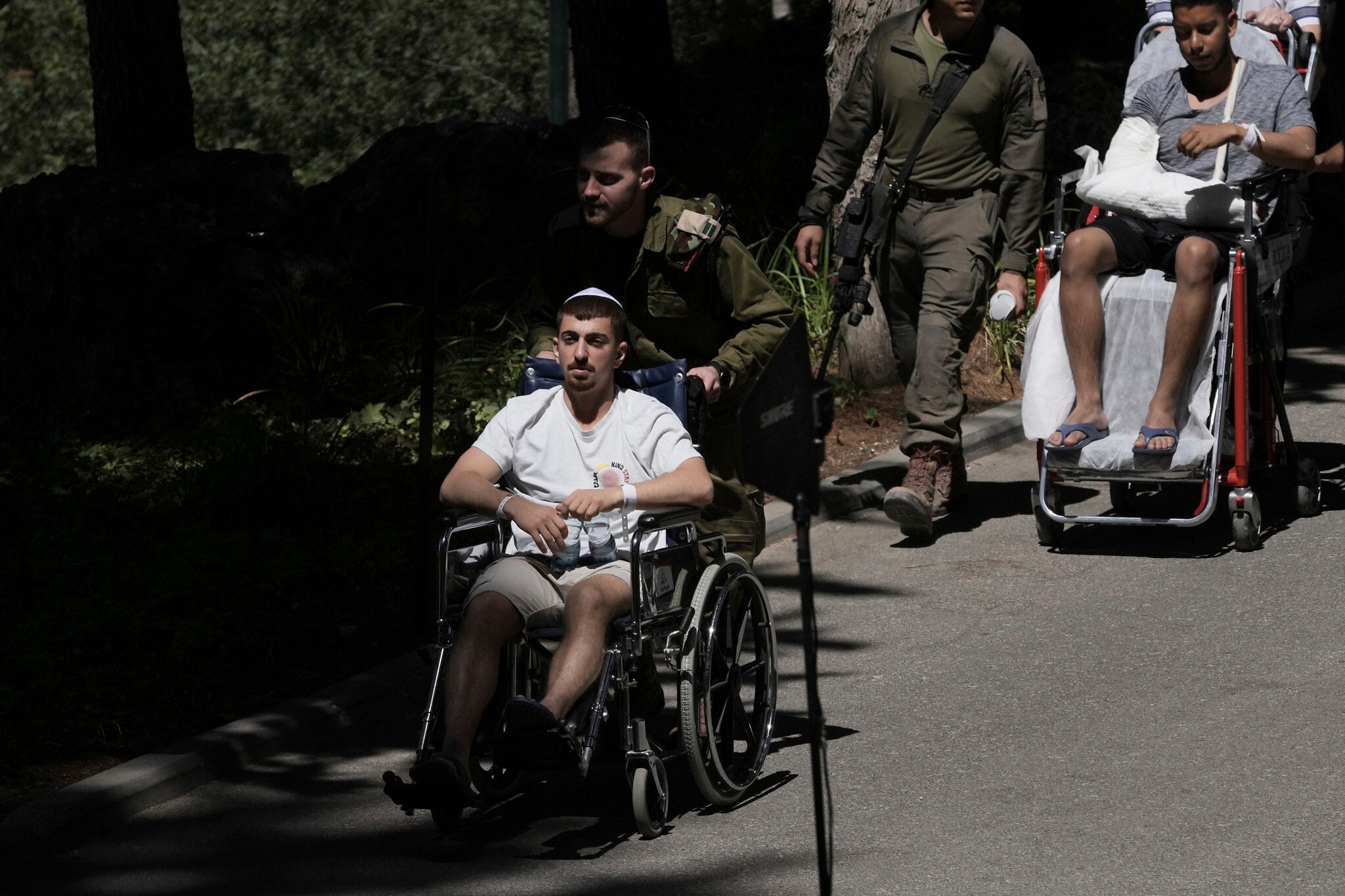
A law doubling the state budget for organizations working for the benefit of disabled Israel Defense Forces soldiers and victims of hostilities passed its third and final reading 14-0 in the Knesset plenum on Tuesday.
The legislation, sponsored by coalition whip Ofir Katz (Likud), requires the state to allocate at least NIS 150 million ($45 million) a year to groups that organize sporting and rehabilitative activities for the benefit of disabled IDF soldiers, as well as cultural and social activities.
It would also pay for activities to promote, improve and fulfill the rights of the disabled, as well as the renovation and construction of centers for disabled veterans known as Warriors Homes. In addition, the law mandates an annual budget of at least NIS 10 million ($3 million) for groups working for the benefit of victims of hostilities and the families of the fallen.
“The country still has about 78,000 disabled IDF soldiers. The rehabilitation of disabled IDF soldiers is a long process,” noted Yisrael Beytenu MK Sharon Nir, a co-sponsor of the legislation.
A growing burden of care
Providing proper care for all of those wounded, both mentally and physically, has proven a challenge over the past two years.
Following the outbreak of the war in Gaza on October 7, 2023, the Defense Ministry’s Rehabilitation Division told lawmakers that Israel lacked the capacity to treat all of the injured and traumatized.
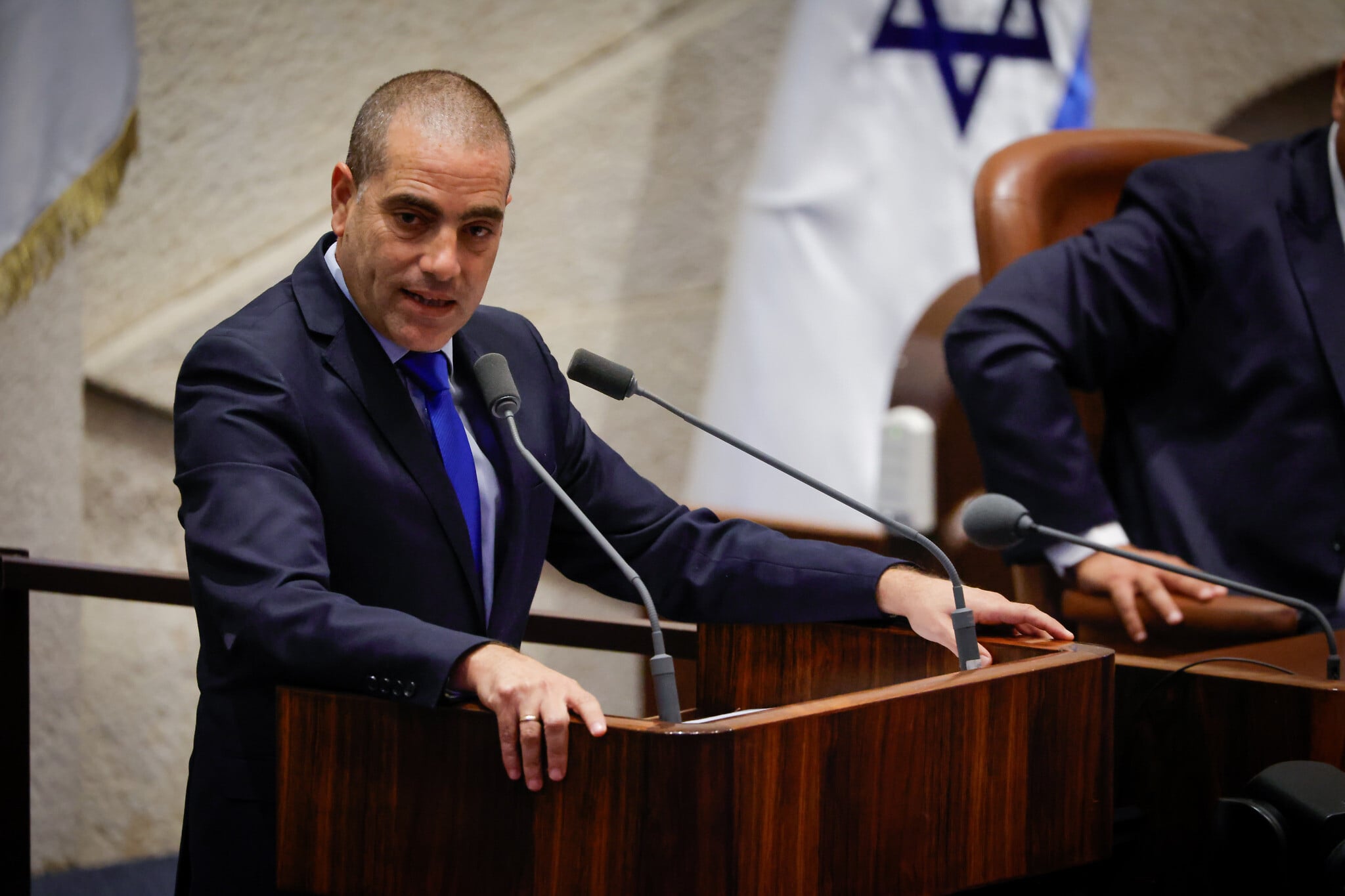
“If we don’t get additional resources and staff, we won’t be able to take care of everyone,” a ministry representative told the Knesset Labor and Welfare Committee in December 2023.
In August 2024, the Defense Ministry Rehabilitation Department announced it had received 10,056 soldiers since the beginning of the war, 35 percent of whom were suffering from post-traumatic stress disorder or other disorders caused by trauma.
By April 2025, that number had risen to 16,500 injured soldiers, with nearly half of them being treated for PTSD. In comparison, the department was treating 62,000 wounded soldiers before October 7, only 25% of whom suffered from psychological injuries.
The Rehabilitation Department offers a range of services, including a 24/7 call center, access to personal psychological care specialists, and a dedicated app called “The PTSD Guide,” which provides a variety of mental health resources.
A shortage of resources
However, Idan Kaliman, chairman of the IDF Disabled Veterans Organization, stressed at the time that there is only so much the Rehabilitation Department and partner organizations can do without proper funding and resources.
“As long as the Rehabilitation Department continues to be understaffed,” preventable suicides as a result of military-related PTSD will continue to occur, he said.
The number of suspected suicides among Israeli soldiers has risen sharply since the Hamas-led assault on October 7, according to the data published by the IDF.

Last month, the army updated its figures, saying that it had treated some 20,000 wounded soldiers since the beginning of the war, more than half of whom are suffering from mental health conditions.
According to the Defense Ministry, some 56% of those treated by the rehab centers amid the war are suffering from post-traumatic stress disorder and other mental health conditions.
The rehab department’s budget stands at NIS 8.3 billion ($2.5 billion), NIS 4.1 billion of which is dedicated to treating those with mental health conditions, the ministry said.
Officials at the rehab department say they have identified that “in the coming years, alongside the national challenges of the increase in the number of wounded, the continuation of the war, the treatment of those dealing with mental health conditions, the concern about suicide, and the shortage of therapists, there are challenges that require immediate response.”
The challenges include “a shortage of staff, with a ratio of 1:750 patients per rehabilitation worker; the need to simplify bureaucracy; and new and unique needs required for the newly wounded,” it said.
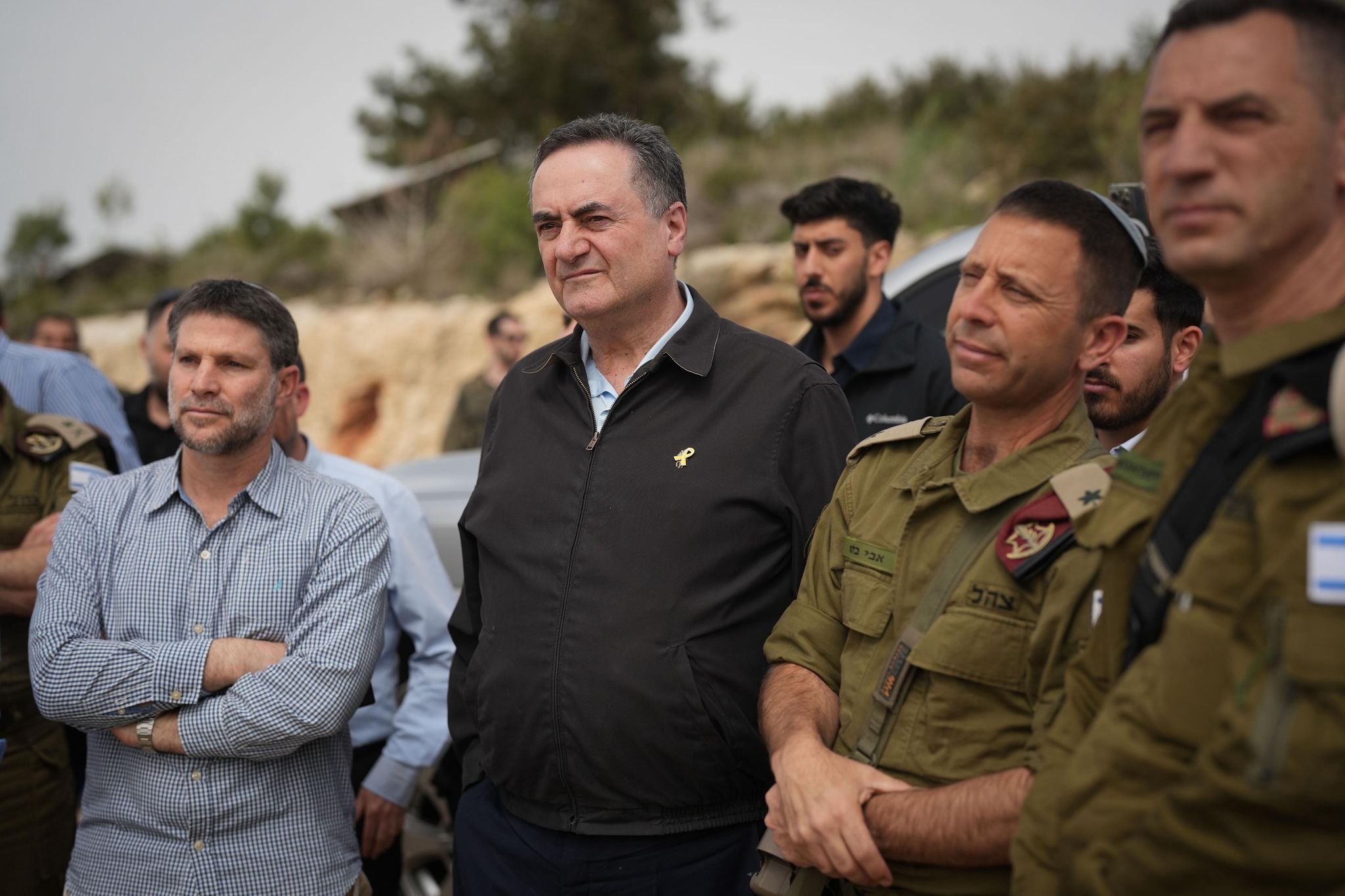
In light of the challenges, Defense Minister Israel Katz and Finance Minister Betzalel Smotrich recently announced the establishment of a public committee headed by Prof. Shlomo Mor-Yosef, chairman of Leumit Health Services, to formulate recommendations on how to expand the treatment and rehabilitation of wounded IDF soldiers.
A cry for help
These challenges have led some reservists to feel abandoned by their country.
During a meeting of the Knesset Labor and Welfare Committee last month, combat veterans poured bags of medications onto the table, loudly warning that there will be more suicides during the High Holiday season if things do not change.
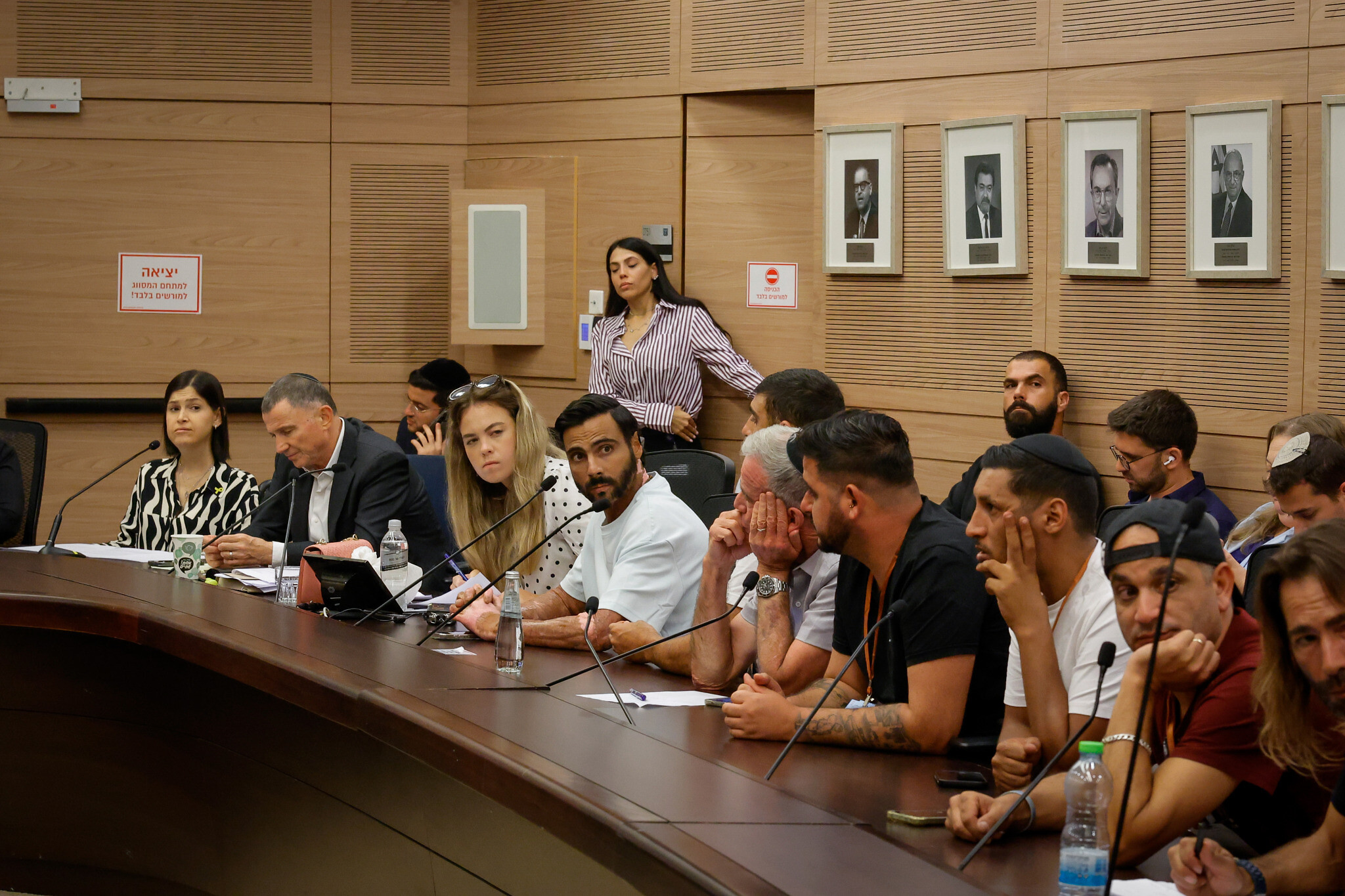
Addressing a parallel hearing on the matter in the Knesset Foreign Affairs and Defense Committee, Itzik Saidyan, an IDF veteran who self-immolated outside a Defense Ministry office for injured soldiers four years ago, accused the government of failing to deal with the issue adequately.
“There have been discussions for more than 15 years now about care for combat trauma victims. Another discussion, and another. When will you understand that you must cancel all your other debates and focus solely on this?” he asked, demanding that lawmakers “put an end to this.”
Stav Levaton and Emanuel Fabian contributed to this report.




The Times of Israel Community.