

In cry for help, combat vets toss piles of pills at Knesset meeting on suicide
Veterans complain government has not done enough to tackle rising suicide rates among those with post-traumatic stress. Defense Ministry acknowledges ‘significant gaps’
 Add ToI as a Preferred Source on Google
Sam Sokol is a former political correspondent at The Times of Israel. He was previously a reporter for the Jerusalem Post, Jewish Telegraphic Agency and Haaretz. He is the author of "Putin’s Hybrid War and the Jews"
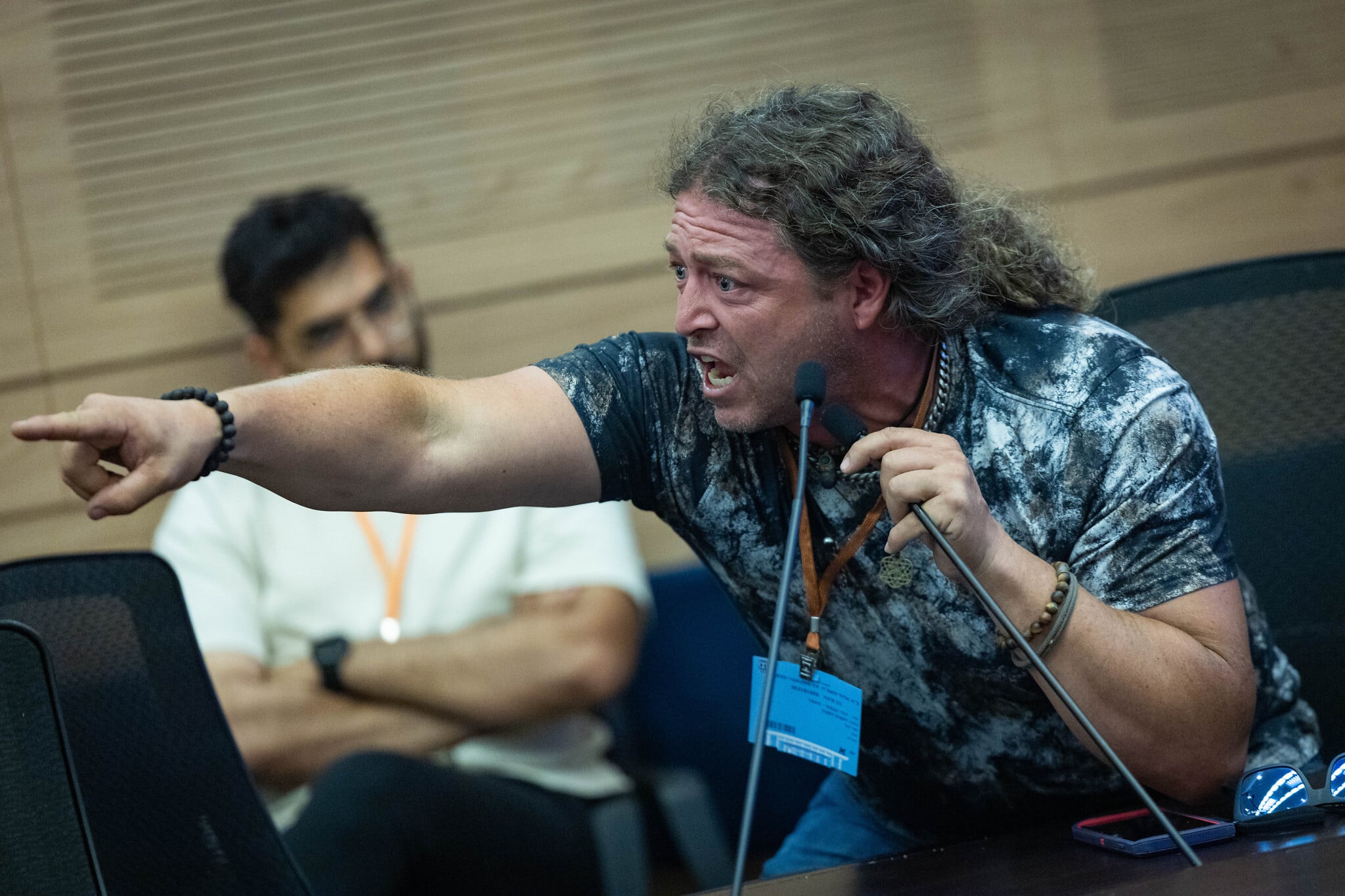
A Knesset hearing on preventing suicide among soldiers and veterans turned chaotic on Monday morning, as combat veterans poured bags of medications onto the table, loudly warning that there will be more suicides during the upcoming holiday season if things do not change.
“We’ve been crying out for years, the holidays will be a trigger for more cases,” one veteran yelled. Others tossed boxes and bags of pills around the Knesset Labor and Welfare Committee meeting, underlining the deep levels of distress that many are dealing with, and complaining that those who have experienced trauma have not been provided with adequate treatment.
“Five years ago, I warned you about these suicides. You did nothing. You did nothing,” the veteran said, referring to a rise in veterans and soldiers taking their own lives since the start of the fighting in Gaza.
Committee chairwoman Michal Woldiger (Religious Zionism) responded with exasperation that the veterans can keep throwing pills if they want, but “we want to help you. I can’t run a discussion like this.”
At the beginning of the hearing, Woldiger said the increase in suicides was not unique to military veterans.
“The recent war has exacerbated the need, and, unfortunately, we are seeing a sharp increase in the number of calls for help, in the sense of distress and in the number of suicides, both in civilian society and among those serving in the IDF. In previous discussions, we have already warned of gaps in the areas of detection, prevention, and treatment, but things have not been sufficiently advanced and improved,” she said.
הלומי הקרב זרקו תרופות בועדת העבודה והרווחה העוסקת במניעת אובדנות – "הכל זה אובדנות, מה אנחנו מחבלים!?" pic.twitter.com/MSsnXmSpyM
— ערוץ כנסת (@KnessetT) September 15, 2025
Sharp increase in suicides
While suicide rates among compulsory service members have remained stable, there has been a significant increase among reservists — a population that has expanded dramatically since Hamas’s October 7, 2023, onslaught.
In January, the IDF announced that it had observed an increase in the number of suspected suicides in the military during the war, stating that 28 soldiers were believed to have died by suicide since the terror group attacked Israel — with another 10 suspected suicides having taken place that year prior to the attack.
The suicide numbers represent a sharp increase from previous years. In 2022, the IDF recorded 14 suspected suicides, and in 2021 the number was 11.
In response, the IDF has increased its number of mental health officers, opened 24/7 support hotlines, and expanded combat stress units and PTSD care, including within active combat zones.
In addition, the head of the IDF’s Personnel Directorate, Maj. Gen. Dado Bar Kalifa, ordered the establishment of a panel of experts to “examine the response provided to discharged soldiers and reservists who are not on active duty and who ended their lives following their military service.”
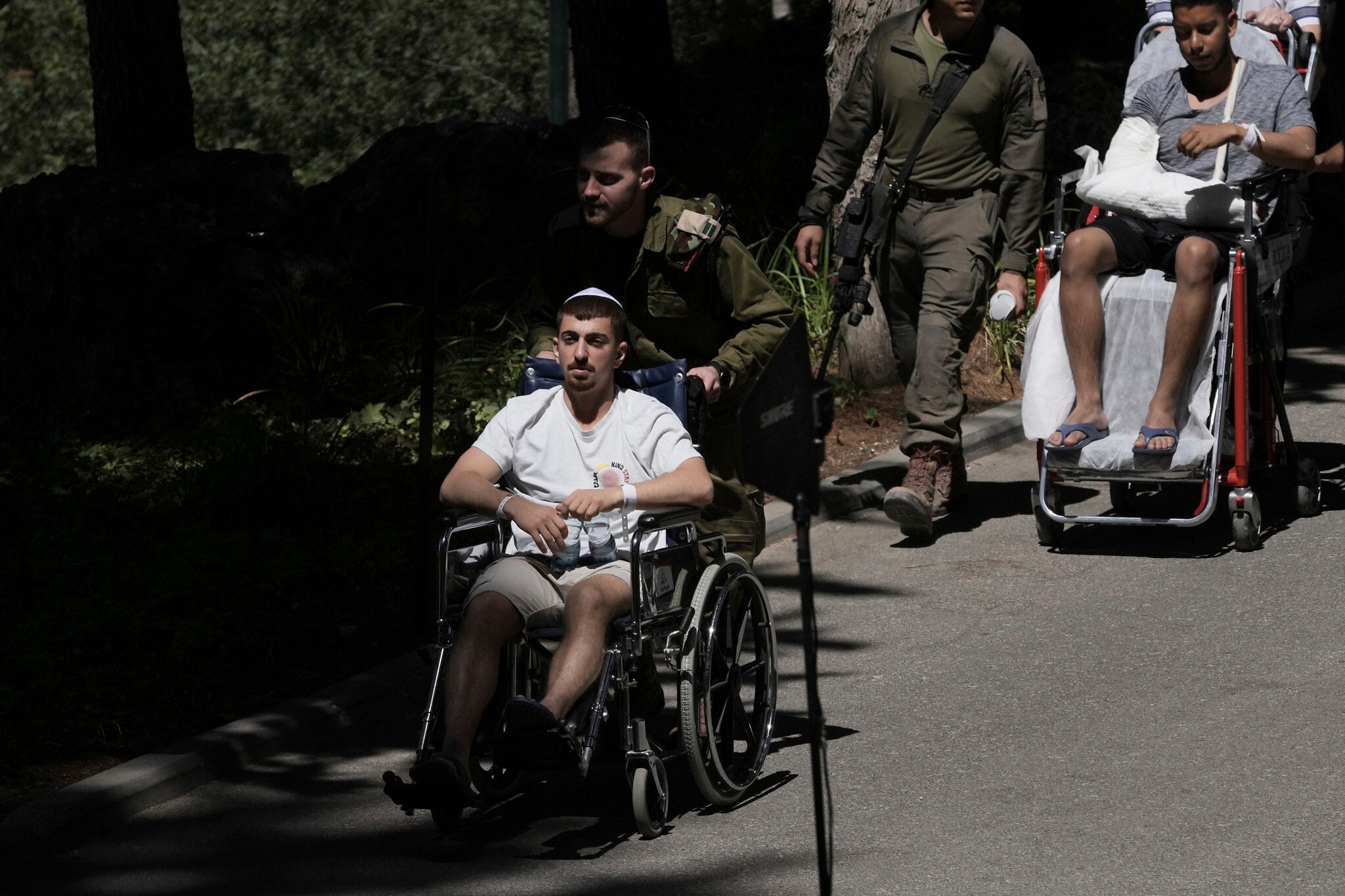
The number of suicides continued to rise over the course of 2025, with Brig. Gen. Amir Vadmani, chief of staff of the IDF’s Personnel Directorate, telling lawmakers last month that, as of early August, 37 suicides had been recorded since the beginning of 2024 — 16 of them this year.
Most recent suicides among Israeli soldiers were driven by psychological trauma from the ongoing war, including prolonged deployments in combat zones, witnessing harrowing scenes and the loss of friends, according to the findings of internal military investigations published last month.
In response to the findings, the IDF said that it was drawing systemic conclusions and stepping up its mental health measures. The military is reportedly expanding training for commanders to help them detect signs of distress in their troops, while also significantly increasing the number of mental health officers by 200 for active-duty soldiers and 600 for reservists, on top of the roughly 1,000 already serving since the start of the war.
‘Put an end to this!’
Addressing another hearing on the matter in the Knesset Foreign Affairs and Defense Committee on Monday afternoon, Itzik Saidyan, an IDF veteran who self-immolated outside a Defense Ministry office for injured soldiers four years ago, slammed the government for failing to deal with the issue adequately.
“There have been discussions for more than 15 years now about care for combat trauma victims. Another discussion, and another. When will you understand that you must cancel all your other debates and focus solely on this?” he asked, demanding that lawmakers “put an end to this.”
In response, chairman Boaz Bismuth (Likud) asked Saidyan to serve as an adviser on the issue.
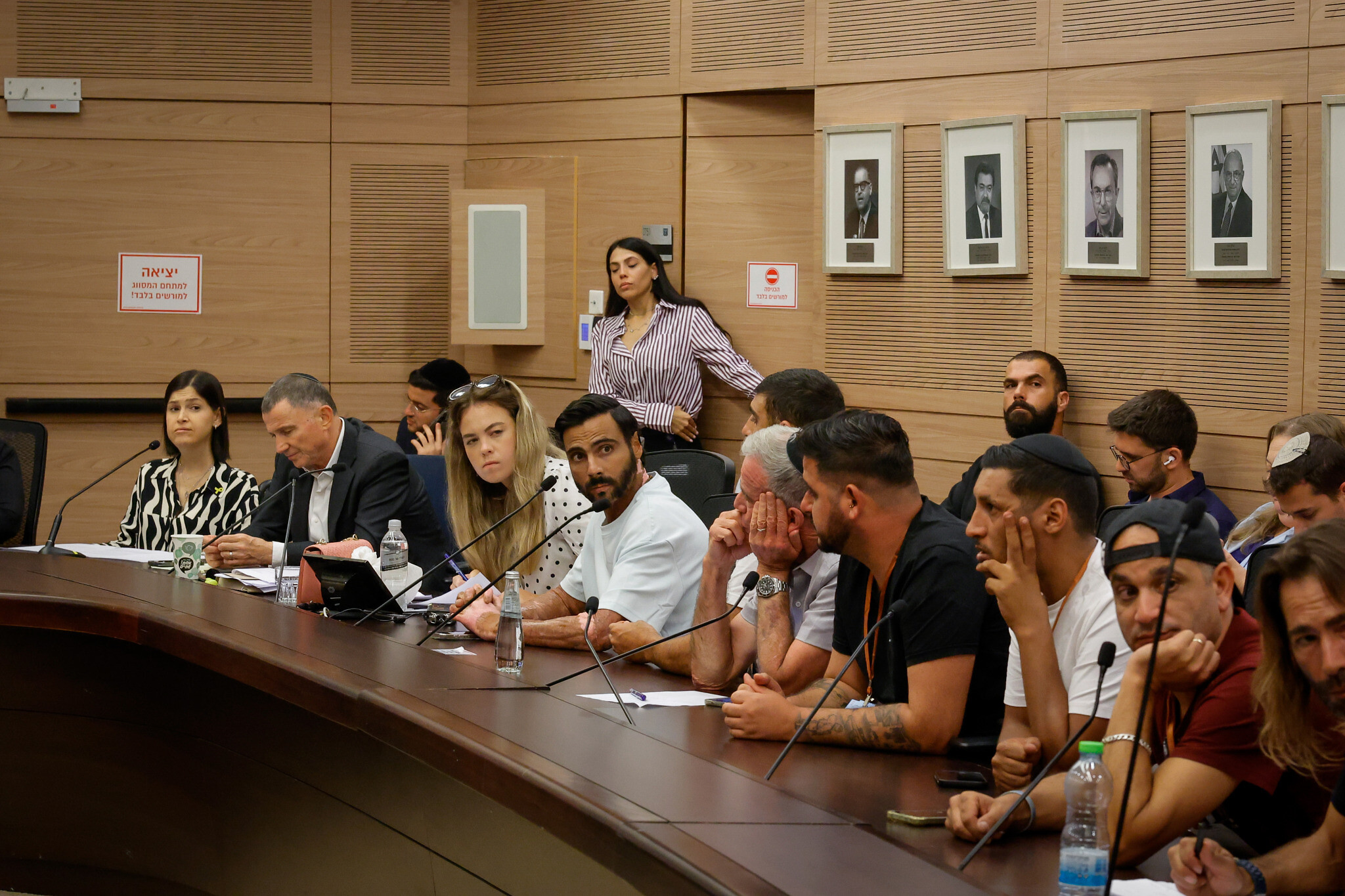
Other trauma victims demanded a series of steps including a 24/7 emergency response system, increased access to social workers, and training families how to relate to relatives dealing with trauma.
According to Limor Luria, the head of the Defense Ministry’s Rehabilitation Division, her department has dealt with 20,000 soldiers wounded in the war over the past two years, out of whom 56% are dealing with mental health issues.
“We expect tens of thousands more to be added,” she said, explaining that while the ministry had “significantly expanded its services,” there are “significant gaps such as a shortage of therapists, especially in the periphery.”
Emanuel Fabian and Stav Levaton contributed to this report.




The Times of Israel Community.