

Lapid threatens to boycott Modi’s Knesset visit if High Court president not invited
Opposition Leader’s ultimatum comes after several high-profile snubs of justice Isaac Amit; Ohana calls warning ‘illegitimate,’ accuses Lapid of harming India-Israel ties
 Add ToI as a Preferred Source on Google
Sam Sokol is a former political correspondent at The Times of Israel. He was previously a reporter for the Jerusalem Post, Jewish Telegraphic Agency and Haaretz. He is the author of "Putin’s Hybrid War and the Jews"
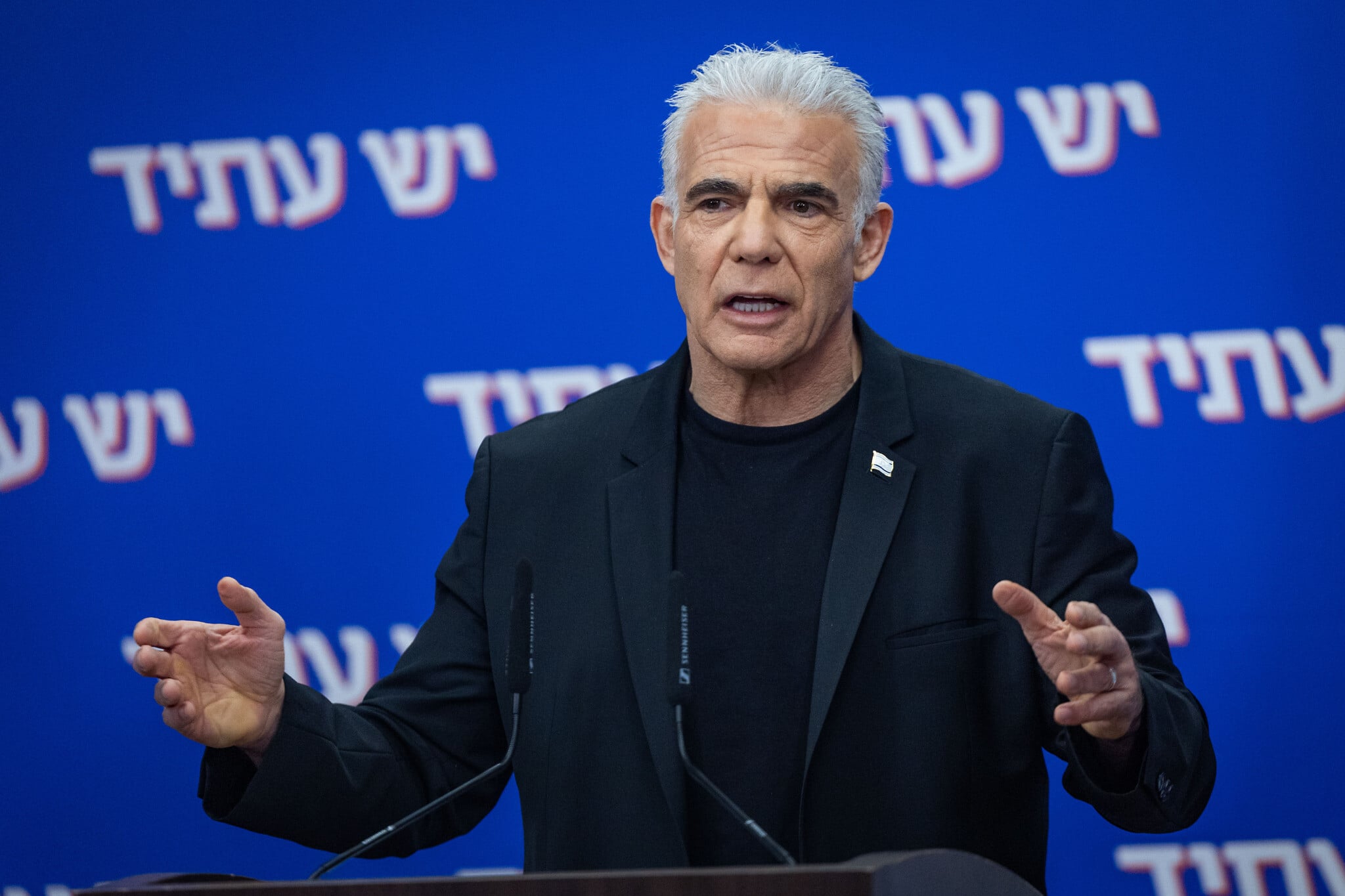
Opposition Leader Yair Lapid on Wednesday threatened to boycott next week’s visit to the Knesset by Indian Prime Minister Narendra Modi unless Supreme Court President Isaac Amit is invited to the special session, following several recent high-profile snubs of the country’s top judge by Prime Minister Benjamin Netanyahu’s coalition.
“If the coalition boycotts the president of the High Court during the special session with the prime minister of India, we will not be able to attend the debate,” Lapid told lawmakers in the Knesset, arguing that another public boycott of Amit by the coalition would cause “enormous embarrassment” to the legislature.
“We do not want India to be embarrassed by us, with the prime minister of a nation of a billion people standing here in front of a half-empty Knesset. The Indian Embassy is in a panic over this,” Lapid claimed.
Following Amit’s election as court president in January 2025, Justice Minister Yariv Levin refused to recognize his authority and has subsequently refused to meet with him or address him as head of the court, nor publish his appointment as chief justice in the state gazette, as required by law.
Some members of the government have followed his lead, and Diaspora Affairs Minister Amichai Chikli and Communications Minister Shlomo Karhi have both publicly called on the government not to abide by specific court orders and decisions on several occasions.
As a result of this boycott, Amit has been excluded from multiple Knesset events to which he would have traditionally been invited, including speeches by US President Donald Trump and several other world leaders.
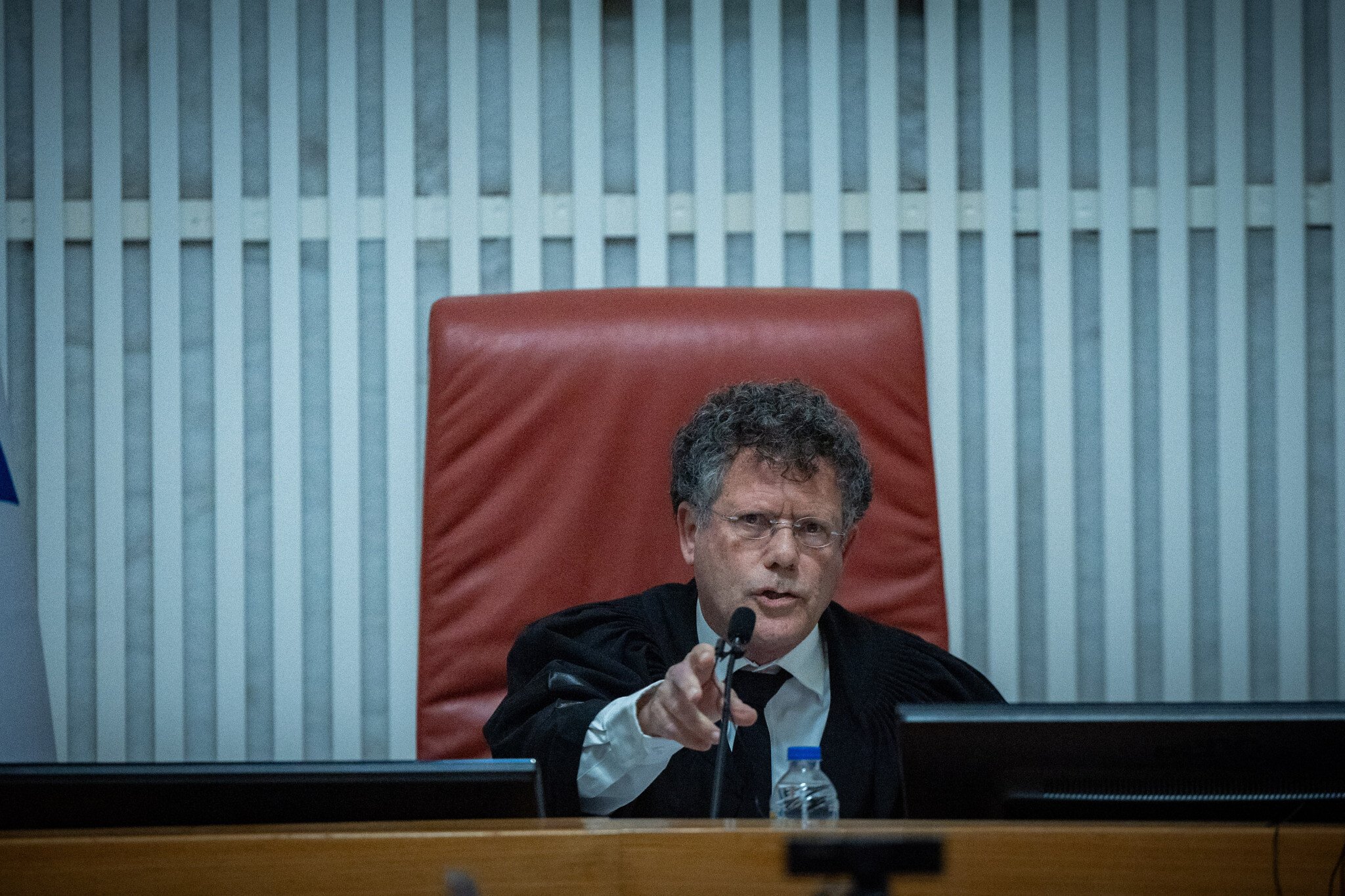
Last October, during the opening of the Knesset’s 2025 winter legislative session, Speaker Amir Ohana acknowledged Amit merely as a justice, rather than as the chief justice, prompting President Isaac Herzog to protest the slight.
The opposition boycotted a Knesset session two weeks ago meant to celebrate the Knesset’s 77th birthday due to Amit’s exclusion. Lapid was the only member of the opposition to address the plenum, using his speech to attack Netanyahu over his treatment of the court president.
Responding to Lapid’s ultimatum on Wednesday, Ohana accused the opposition leader of harming Israeli-Indian relations in order to score domestic political points.
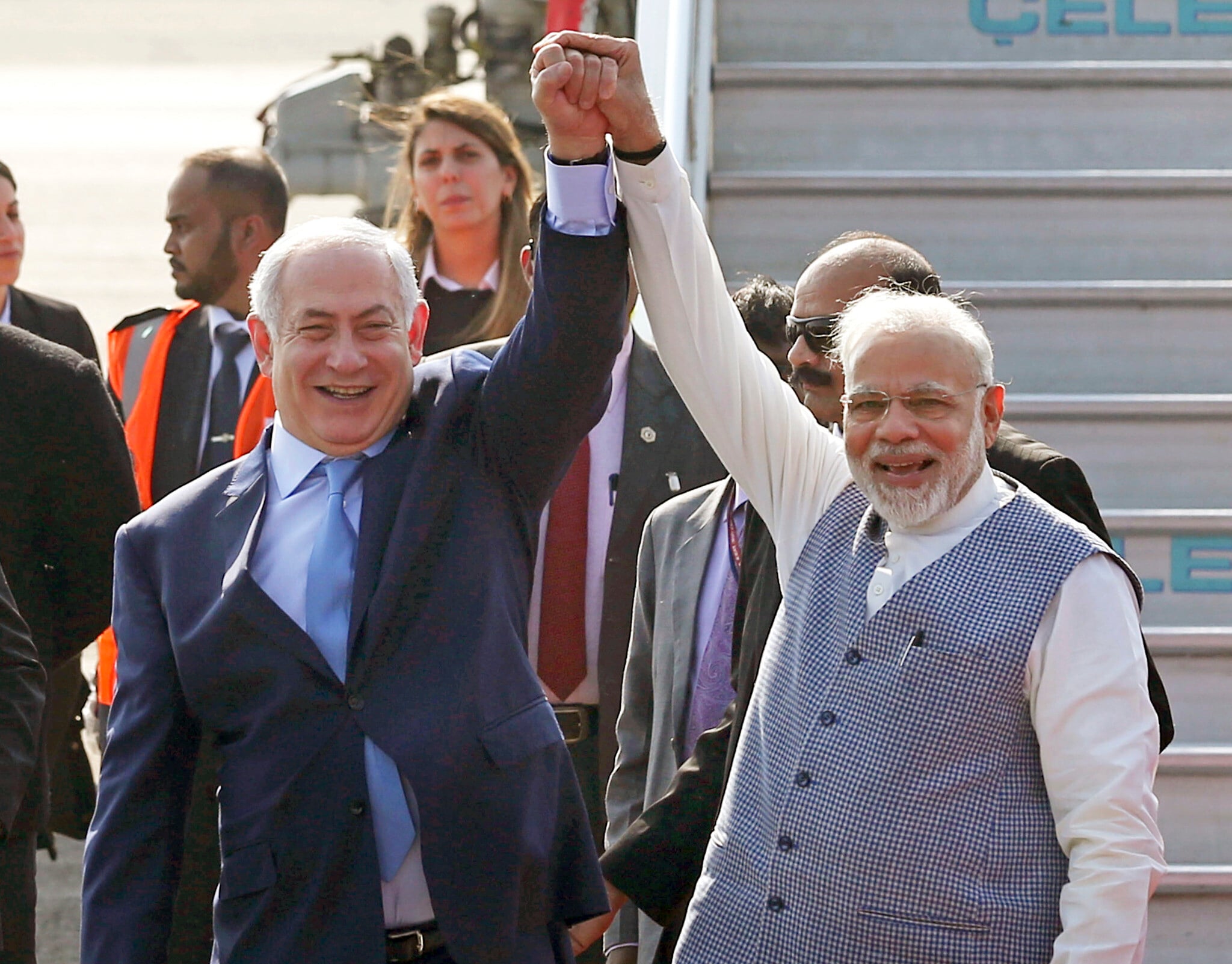
“If the leader of the opposition, MK Yair Lapid, wants to harm the foreign relations of the State of Israel with an important friend of ours who is also one of the most important powers in the world, that is his choice. An unfortunate, wrong choice, and I hope he will reverse it,” tweeted Ohana, calling such threats “illegitimate weapons in an internal political struggle.”
Ohana called on Lapid to explain to the Indian government why he did not choose to boycott appearances by Argentinian President Javier Milei and US President Trump, “even though Justice Amit was not invited” to their speeches.
Hitting back, Lapid issued a public appeal to Netanyahu, agreeing that boycotting a foreign leader was indeed “an illegitimate weapon in an internal political struggle” but arguing that the fault lay with the Knesset speaker.
To prevent harm to ties between Jerusalem and New Delhi, Netanyahu “must immediately instruct Knesset Speaker Amir Ohana to also invite Supreme Court President Yitzhak Amit to the ceremonial meeting with Indian Prime Minister Narendra Modi,” Lapid stated.
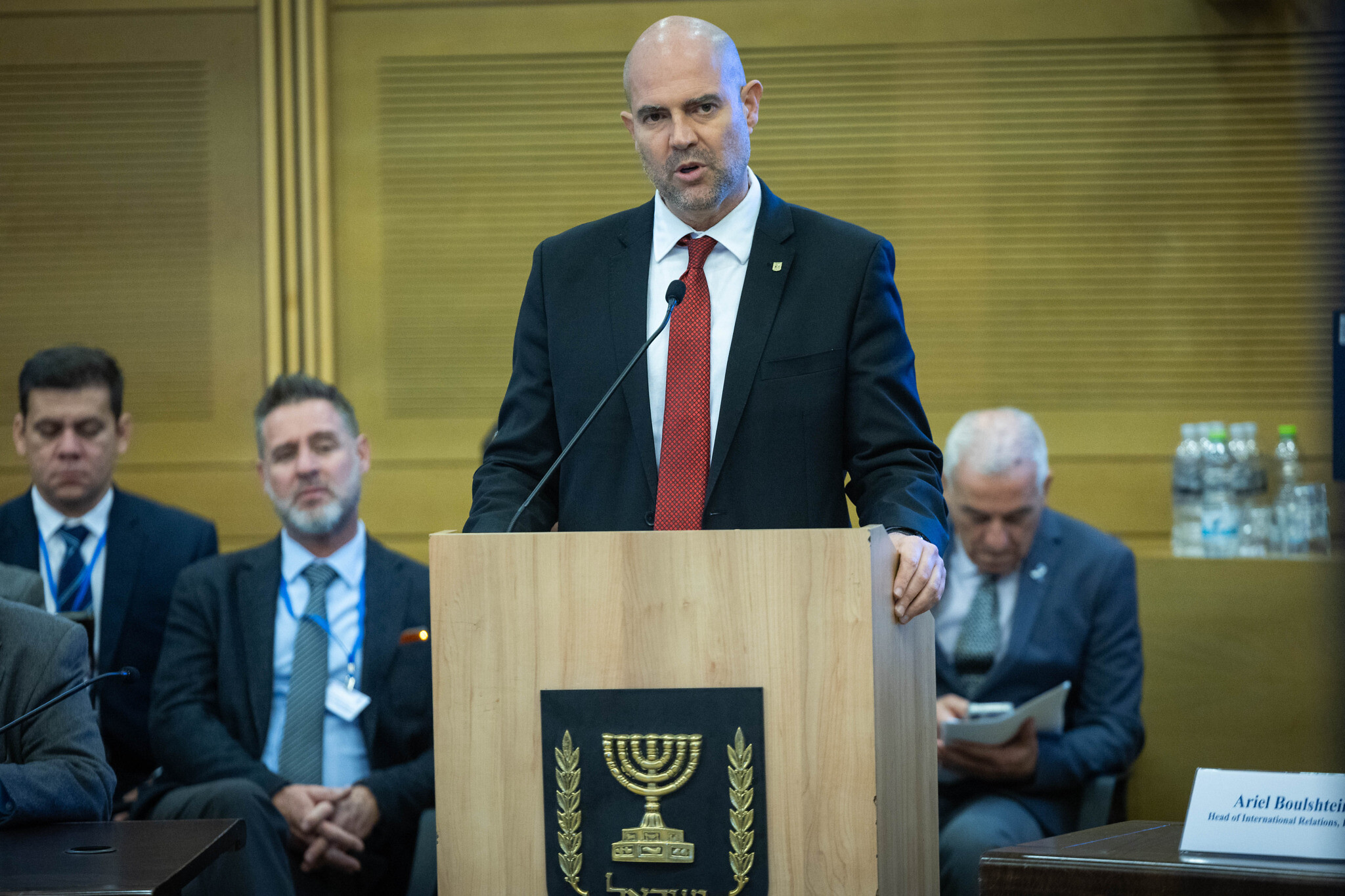
“Ohana’s boycott of Justice Amit is also a boycott of the opposition, and will not allow us to attend the meeting,” he said, insisting that he had “no desire” to harm the standing of the country, Knesset and prime minister but he was being “push[ed] into a corner.”
While Levin and other critics have cited allegations that Amit had presided over several cases in which he had conflicts of interest, their response to his election is largely seen as frustration on their part after they failed to change the system to ensure the appointment of a conservative judge.
Despite the boycotts against him, last month Amit told national broadcaster Kan that he was “always extending a hand, with everything concerning the efficient functioning of the legal system,” but has “not seen a hand offered in return.”






The Times of Israel Community.