

 From the Liveblog of
Saturday, March 7, 2026
From the Liveblog of
Saturday, March 7, 2026
Air Force recently struck Iran’s 2 ‘most central’ ballistic missile production sites, IDF reveals
 Add ToI as a Preferred Source on Google
Emanuel (Mannie) Fabian is The Times of Israel's military correspondent
The Israeli Air Force recently struck Iran’s two “most central” ballistic missile production sites, the military reveals.
In a press statement, IDF Spokesman Brig. Gen. Effie Defrin says that in recent days, the military has “moved to the next stage of the operation; we have expanded strikes on the regime’s main production sites.”
The IDF says that strikes on Thursday hit infrastructure at the Parchin military complex, south of Tehran.
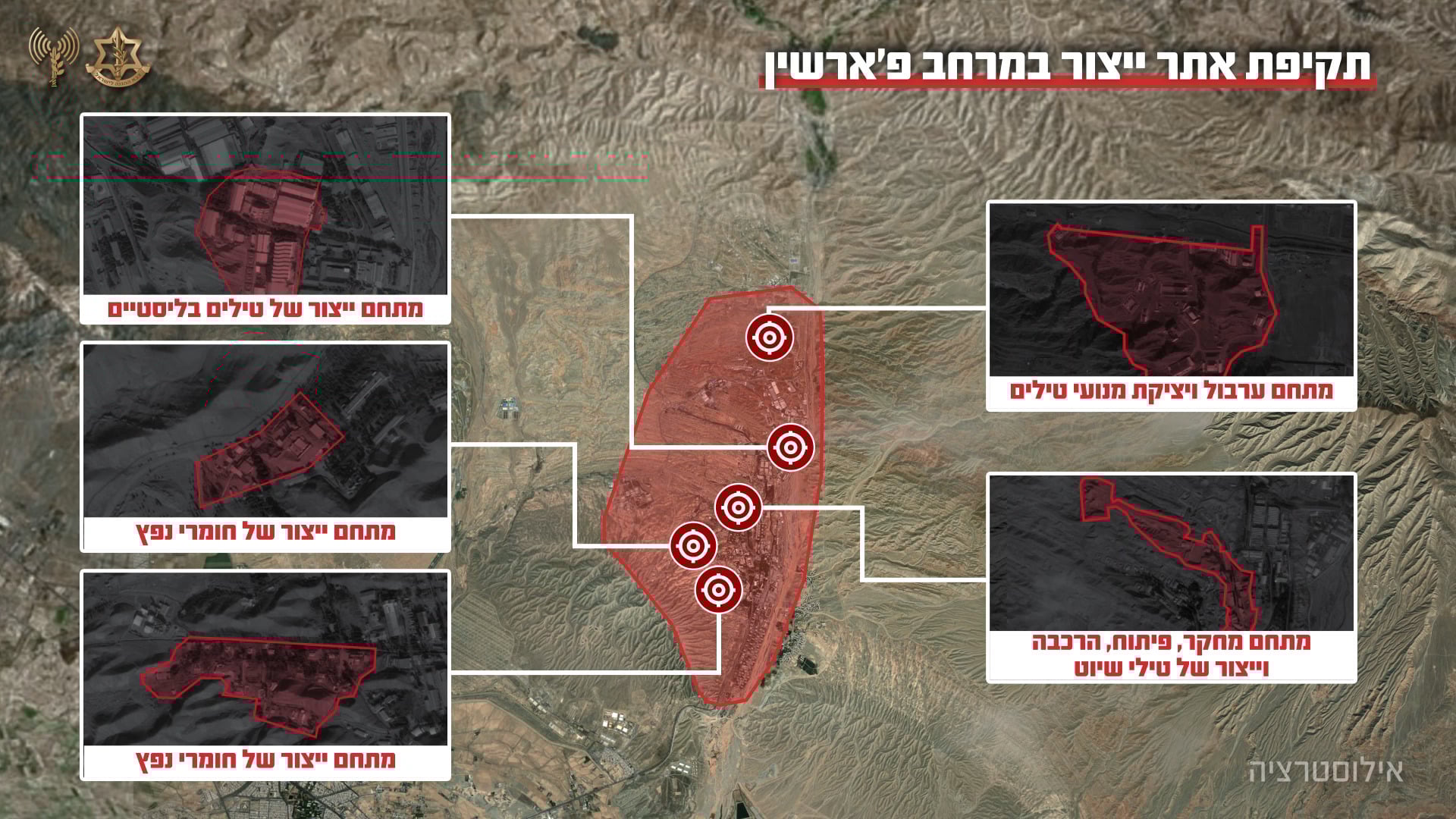
According to the military, the targets at Parchin included “factories for the production of explosives for ballistic missile warheads; complexes for the production of unique raw materials for missile engines; a facility for mixing and casting missile engines; and a complex used for research, development, assembly, and production of advanced cruise missiles.”
In another strike overnight in the Shahrud area, some 2,000 kilometers from Israel, the IDF says it hit an IRGC ballistic missile production site.
“This is the facility where most of the missiles fired at Israel were manufactured,” Defrin says.
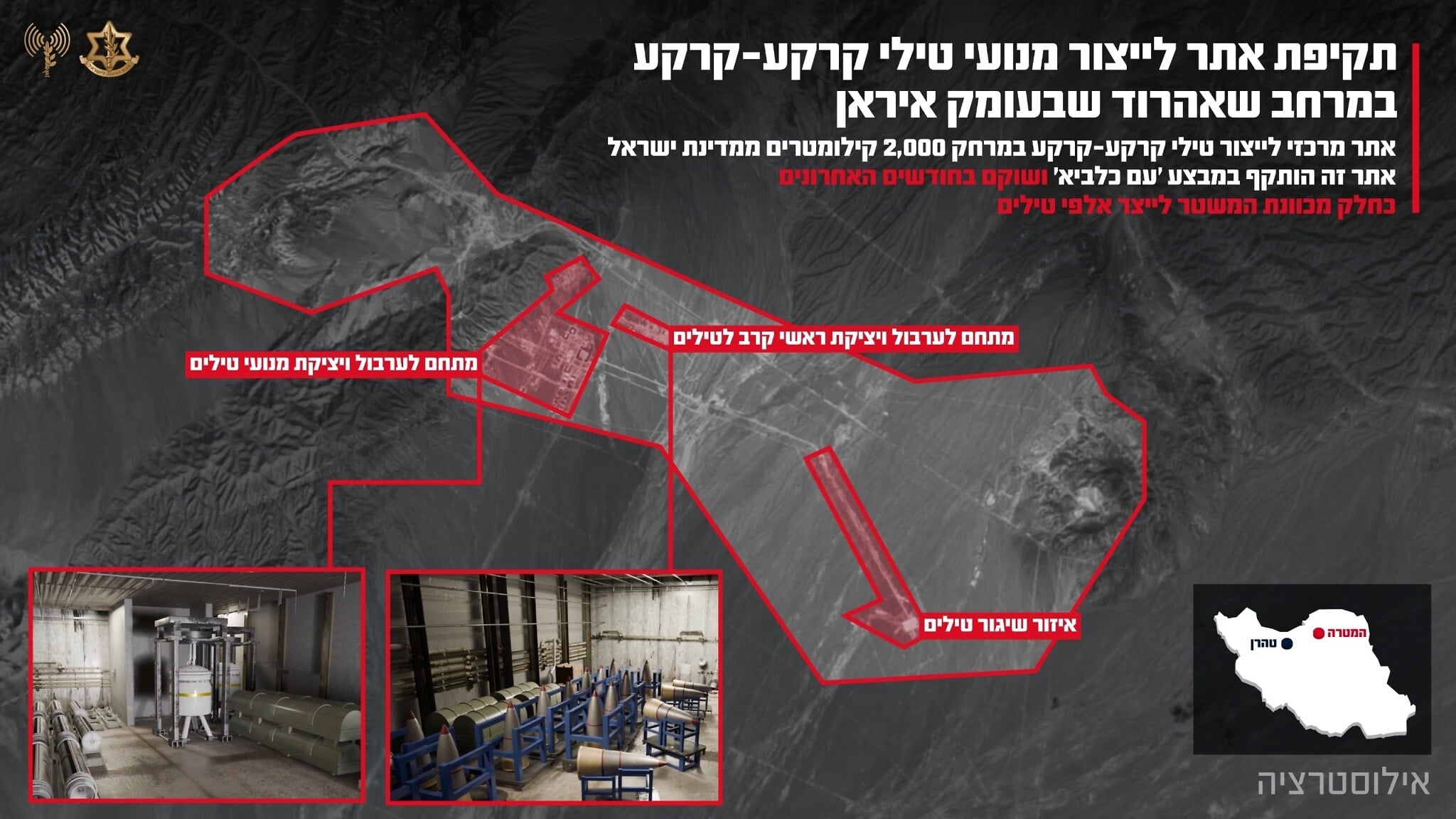
According to the military, hundreds of Israeli Air Force fighter jets struck the two sites.
In the months before the war, the military says Iran had been investing significant efforts to restore its missile production capabilities, manufacturing dozens of projectiles per month. The IDF says the production rate was on an “upward trend” and was expected to reach hundreds of ballistic missiles per month.
The IDF assesses that the recent strikes on the missile sites in Parchin and Shahrud caused significant damage to Iran’s missile production capabilities, setting Iran back years.
IDF intelligence officials also say that, alongside the blow caused to the production capabilities, Iran’s ability to re-arm its proxies has also been harmed, as those terror groups heavily relied on the Iranian supply of drones, anti-tank missiles, and naval weapons.








The Times of Israel Community.