

 From
From Iran using barter system with China to bypass sanctions, sources tell Reuters
 Add ToI as a Preferred Source on Google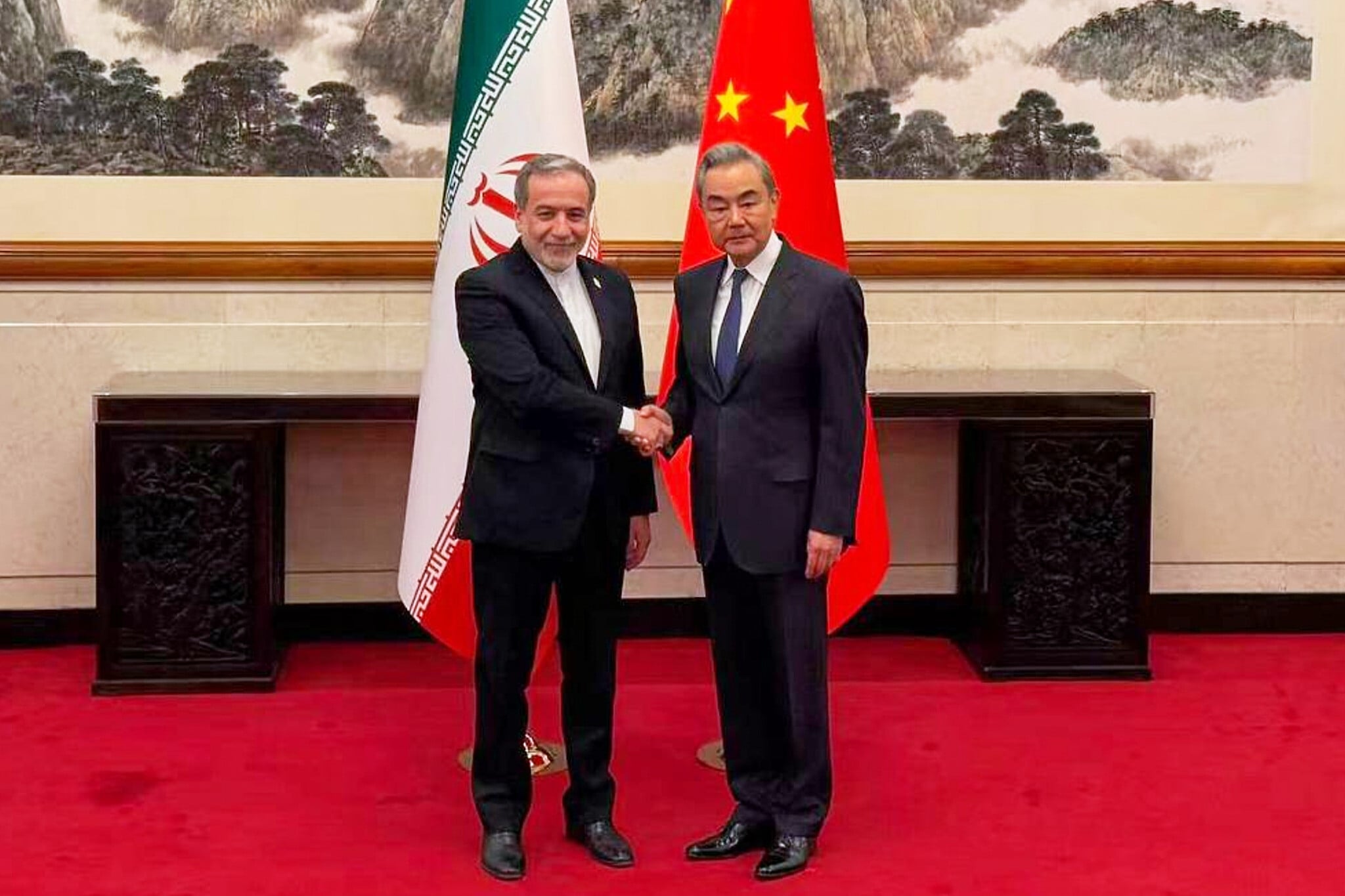
Iran has used a barter-like arrangement to bypass sanctions on its oil sales and buy billions of dollars’ worth of goods from China, including military gear, two senior Iranian sources and three other people familiar with the matter tell Reuters.
The secretive trade mechanism, in which Iranian oil is exchanged for credits for Chinese imports, has provided a financial lifeline for Tehran in recent years as the United States stepped up economic and military pressure over its nuclear program, according to the sources, who speak on condition of anonymity.
It has also helped China, the world’s biggest crude importer, retain access to discounted Iranian oil while shielding banks and companies that export to the Islamic Republic from international scrutiny or penalties, they say.
The US has imposed sanctions on some smaller Chinese entities that buy or facilitate shipments of Iranian oil but has stopped short of the most punishing measures that could have repercussions on the global economy.
Reuters could not determine the impact on the barter-like arrangement of the US naval blockade imposed on Iran as part of the six-month war. No Iranian crude cargoes have successfully transited the Strait of Hormuz to China since the blockade was reinstated on July 14, the news agency reported last week.
China and Iran have repeatedly denounced what they regard as illegal unilateral Western sanctions and have vowed to protect their interests. The countries are longstanding economic and political partners but have said little publicly about how they keep trade flowing despite international restrictions.
Iran has used the arrangement to buy medicines, vehicles and communication equipment from China, all the sources say. The manufacturers do not deal directly with Iran, and there is no indication they are in breach of sanctions.
The mechanism was also used at least once in the past year in connection with contracts to supply Iran with air defense equipment worth millions of dollars, the sources say.






The Times of Israel Community.