

Malignant non-disclosure: PM’s belated cancer revelation subverts public’s right to know
Vague details released by Netanyahu and doctors regarding prostate tumor raise more questions than answers, including possibility he was being treated for malignant tumor during Iran war

 Add ToI as a Preferred Source on Google
Jeremy Sharon is The Times of Israel’s legal affairs and settlements reporter
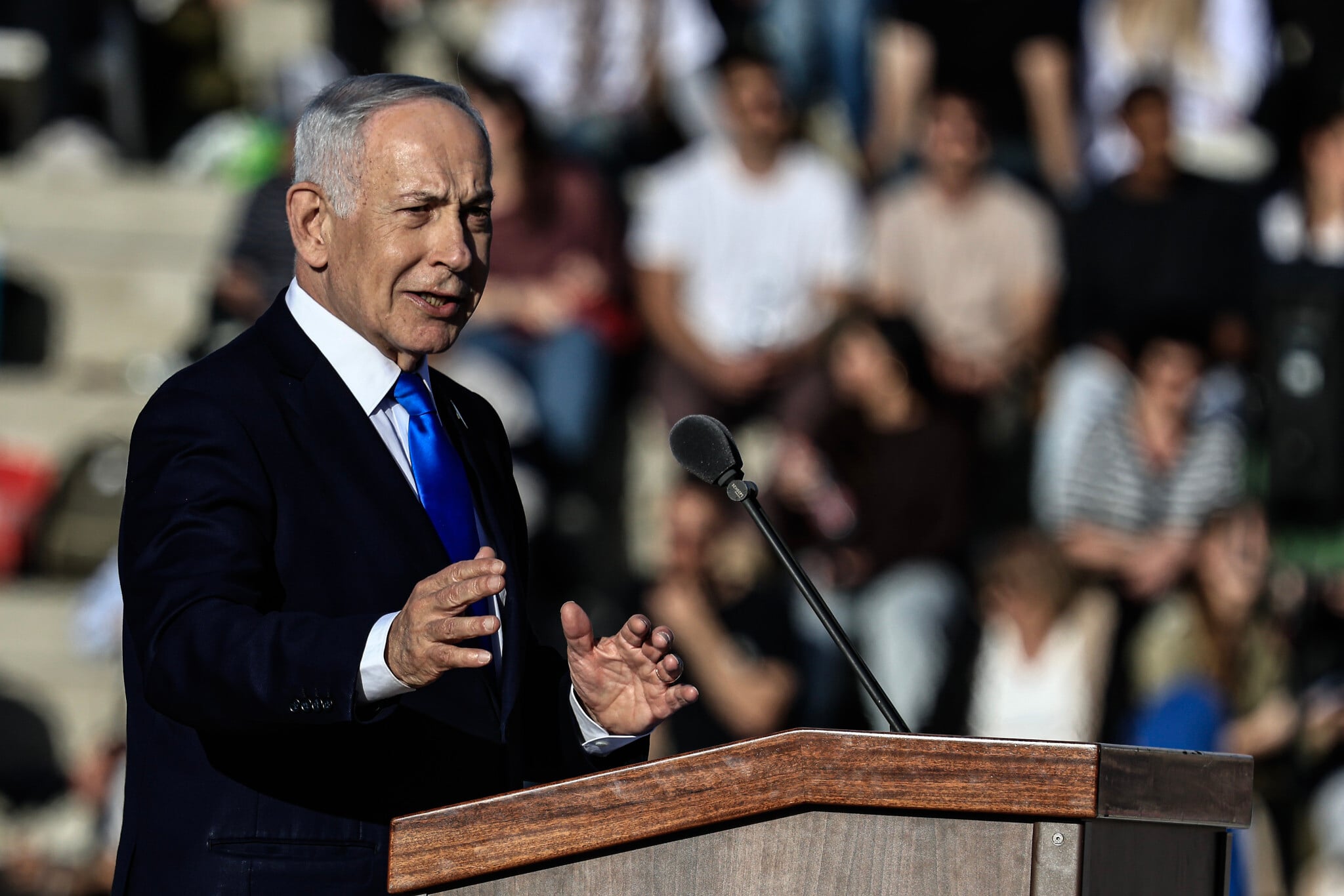
Prime Minister Benjamin Netanyahu has, for many years, closely guarded the details of his personal health.
Amid that long record of reticence to divulge his medical situation, Netanyahu’s revelation last week that he was recently diagnosed with, and treated for, prostate cancer came as a disturbing surprise.
Israel’s longtime leader, aged 76, belatedly disclosed that he had suffered from and been treated for a malignant tumor during a period of intense security instability, and possibly even during the war with Iran itself.
Along with the concerns for the physical health of the prime minister came questions about the manner in which he informed the public of his illness, regarding the apparently severe delay in informing the public that he was suffering from a serious disease while running the country, and even over the veracity of the actual details that were released.
Questions have been raised in particular about when exactly Netanyahu was first diagnosed, and when and for how long he underwent the radiation treatment he received for his tumor.
And the vague, detail-free answers that have been provided on those issues raise further questions about the prime minister’s own comment that he wanted to delay the release of the details about his illness due to the war with Iran, and whether that assertion matches up with the likely dates when he received his cancer treatment.
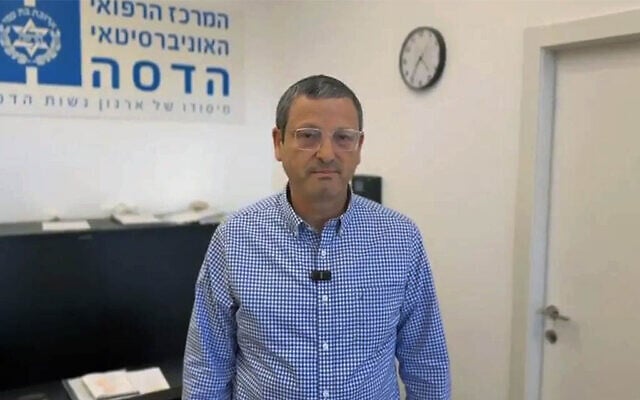
More fundamentally, concerns have been raised about how the prime minister seemingly concealed that he was suffering from cancer for around half a year, and about his ability to keep such details from the public.
Selected readings
Last Friday, April 24, Netanyahu disclosed on social media that he had recently been diagnosed with a malignant tumor in his prostate and that he had been successfully treated for it.
He did not, however, give any dates as to when he was diagnosed, when he began treatment, or when treatment ended, sufficing to say simply that he had had targeted treatment and to claim that it had been successful.
היום התפרסם הדו״ח הרפואי השנתי שלי.
ביקשתי לעכב את פרסומו בחודשיים כדי שהוא לא יפורסם בשיא המלחמה על מנת שלא לאפשר למשטר הטרור באיראן להפיץ עוד תעמולת כזב נגד ישראל.
אני מבקש לשתף אתכם בשלושה דברים:
1 – ברוך השם, אני בריא.
2 – אני בכושר גופני מצויין.
3 – הייתה לי בעיה…
— Benjamin Netanyahu – בנימין נתניהו (@netanyahu) April 24, 2026
His post was accompanied by the release of an annual health report along with an additional document on his cancer diagnosis and treatment, both of which were dated April 20 this year.
Bizarrely, neither document bore a hospital logo or any indication that they were formal medical statements.
The annual health report consisted of five vague bullet points covering half a page, and did not even specify what year it covered. It is labelled as “Annual health report for the prime minister 2026″ on the page to which it was uploaded on the government’s official website, but presumably is supposed to cover 2025.
The document on Netanyahu’s cancer diagnosis and treatment comprises seven sentences but without any dates for the timeline of the discovery and treatment of the disease.
This second document provided scant details of Netanyahu’s cancer. It noted that he underwent an operation for an enlarged prostate on December 29, 2024, as was already known, and that at an unspecified date afterwards and as part of “standard” follow-up routine, an MRI test was conducted, which, together with other tests, showed that Netanyahu had a tumor in his prostate.
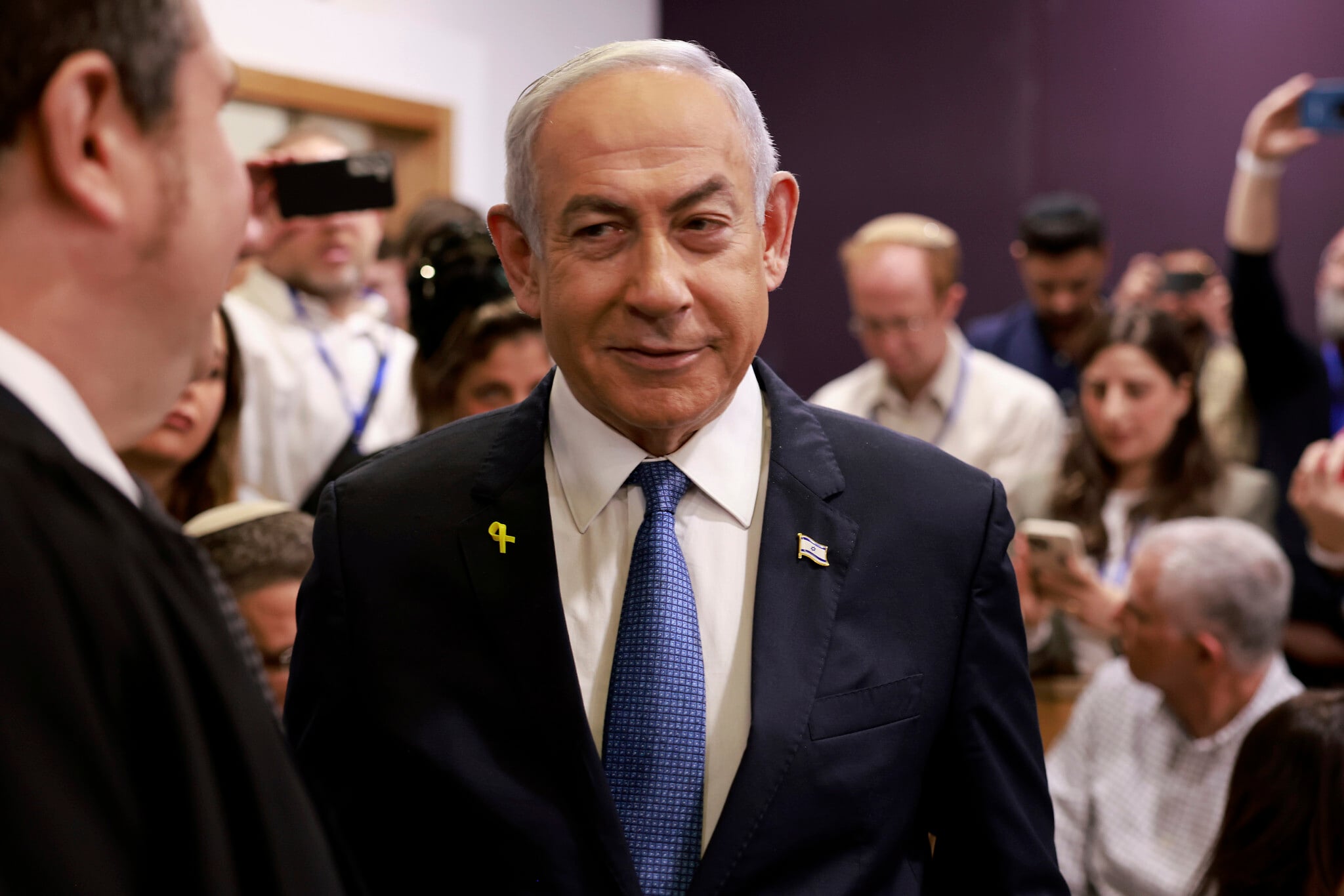
Along with the two documents, one of the physicians who treated his cancer, Prof. Aron Popovtzer, released a video, also on April 24, with additional details, stating that the tumor had been an “adenocarcinoma of the prostate” measuring 0.9cm.
He stated that the cancer had been caught in its early stages, specified that Netanyahu underwent radiation therapy for the tumor, and that the treatment started “about two and a half months ago.”
Popovtzer, head of the Sharett Institute of Oncology at Hadassah Hospital in Jerusalem, also said that Netanyahu was now cancer-free, stating that imaging and blood tests done two and a half months after the treatment showed that “the disease has disappeared.”
פרופ׳ אהרון פופובצר, מנהל מכון שרת לאונקולוגיה במרכז הרפואי הדסה, בהסבר על מצבו הרפואי של ראש הממשלה >> pic.twitter.com/8LTe3cl7j8
— המרכז הרפואי האוניברסיטאי הדסה (@Hadassah_MC) April 24, 2026
An accurate medical history?
Taking Popovtzer’s April 24 statement that treatment began two and a half months earlier, it would appear that the prime minister’s radiotherapy started around February 10.
This would have been around the time that Netanyahu flew to the US for a fateful meeting with US President Donald Trump, where the two reportedly discussed the opening of a joint military campaign against Israel, with Netanyahu and his team reportedly presenting detailed arguments in favor of resorting to force with the potential to bring down the Iranian regime.
The conflict with Iran began on February 28.

The radiotherapy treatment in a case like his, an expert told The Times of Israel in detail below, would typically have lasted from one to two weeks at least, to almost six weeks at most. This would mean, in turn, that Netanyahu was being treated for cancer shortly before the start of the war or even well into the war.
Netanyahu stated in his social media post that he had delayed disclosing the details of his disease because he did not want the issue to be used by Iran for propaganda purposes at the “height of the war.”
Neither the Prime Minister’s Office nor Hadassah Ein Karem Hospital responded to requests from The Times of Israel for comment as to when Netanyahu was diagnosed with cancer (according to a report by Kan News, he was originally diagnosed in October 2025), when he began radiotherapy treatment, how many treatments he had, and when the treatment ended.
Neither did they answer questions as to why the medical statements were not published as formal hospital documents.
A spokesperson for Hadassah said in response to a list of questions on the issue merely that “Hadassah Medical Center has always reported only the truth over the years,” adding that publication of details about the prime minister’s medical records is “under the responsibility of the Prime Minister’s Office.”
(A Haaretz reporter who made multiple calls to Hadassah — focusing in large part on a Channel 12 report that claimed the hospital had lied by denying, some 10 days before Netanyahu divulged his illness and treatment, that the prime minister had been undergoing medical treatment there — explained in a Hebrew article on Thursday how he was repeatedly brushed aside. Popovtzer, pressed, told the reporter, “I’ve done three medical specialties. I’ve written 5,000 articles. I’m famous all over the world. I’m not going to ruin my career over something like that,” and encouraged him to speak to the hospital’s director, who was unhelpful.)
The opacity surrounding the timeline and treatment of the prime minister’s illness has led to serious questions, such as whether Netanyahu was running the war against Iran while undergoing treatment for his cancer, and whether he suffered from side effects that affected his ability to do his job.
The likely treatment and timeline
Without the full details of the history of his illness, it is impossible to answer such questions accurately.
But a leading medical expert in the field, who spoke with The Times of Israel on condition of anonymity, provided details that help understand the possible nature and timeline of Netanyahu’s treatment.

According to the expert, there are two main options for radiation therapy for a prostate tumor in Israel.
The first is a lower radiation dose over the course of either 20 or 28 treatments, administered daily (except weekends), over four weeks or five and a half weeks, respectively.
The second option is to have a higher dose of radiation administered every other day, three times a week, in up to seven separate treatments. Those who choose this option very often have to have a procedure before beginning treatment to protect the rectum from the radiotherapy, a procedure which is mostly done with full anesthesia.
If Netanyahu chose the shorter course of radiotherapy, it is possible that it was completed shortly before the start of the Iran war. If he chose the longer course, he would likely have been receiving treatment during the war itself.
If he chose the higher dose radiotherapy course, he would likely have needed the pre-treatment procedure under full anesthesia. But when a prime minister has a general anesthetic, he must inform the cabinet and appoint an acting prime minister for the period in which he is incapacitated, something which is made public. That did not happen this year.
The side effects of radiotherapy treatment vary by patient, although “weakness and fatigue” are common, the expert said. He added that it was still possible to work under those circumstances, although work performance might vary.
Other side effects during the course of treatment can include an increased frequency and urgency to urinate during the day and night, although some patients experience the opposite symptoms and have difficulty urinating.
Benign omission or democratic malignancy?
The lack of detail about the timeline of the disease has left a chasm in the public’s information about the health of the country’s prime minister.

Dr. Tehilla Shwartz Altshuler, a senior fellow at the Israel Democracy Institute, pointed out that Netanyahu has for many years hidden details regarding his health.
The most serious such incident was in mid-July 2023, when Netanyahu had a pacemaker fitted after suffering a transient heart block. But the information made public was partial, delayed, and suffered from several inaccuracies and inconsistencies, including whether or not Netanyahu had hit his head when he fainted a week earlier.
Later that same month, a lipreader interpreted Netanyahu telling then-defense minister Yoav Gallant in the Knesset plenum about the gravity of the heart issues he had been suffering from. At one point, he ostensibly recalled to Gallant how he started feeling pain on the night of July 22, after which he was rushed to the hospital for a second time. “It begins operating on its own,” Netanyahu was interpreted to say, apparently referencing the heart monitor that went off that night. “There’s nothing you can do. If you don’t get to the hospital within minutes, you die.”
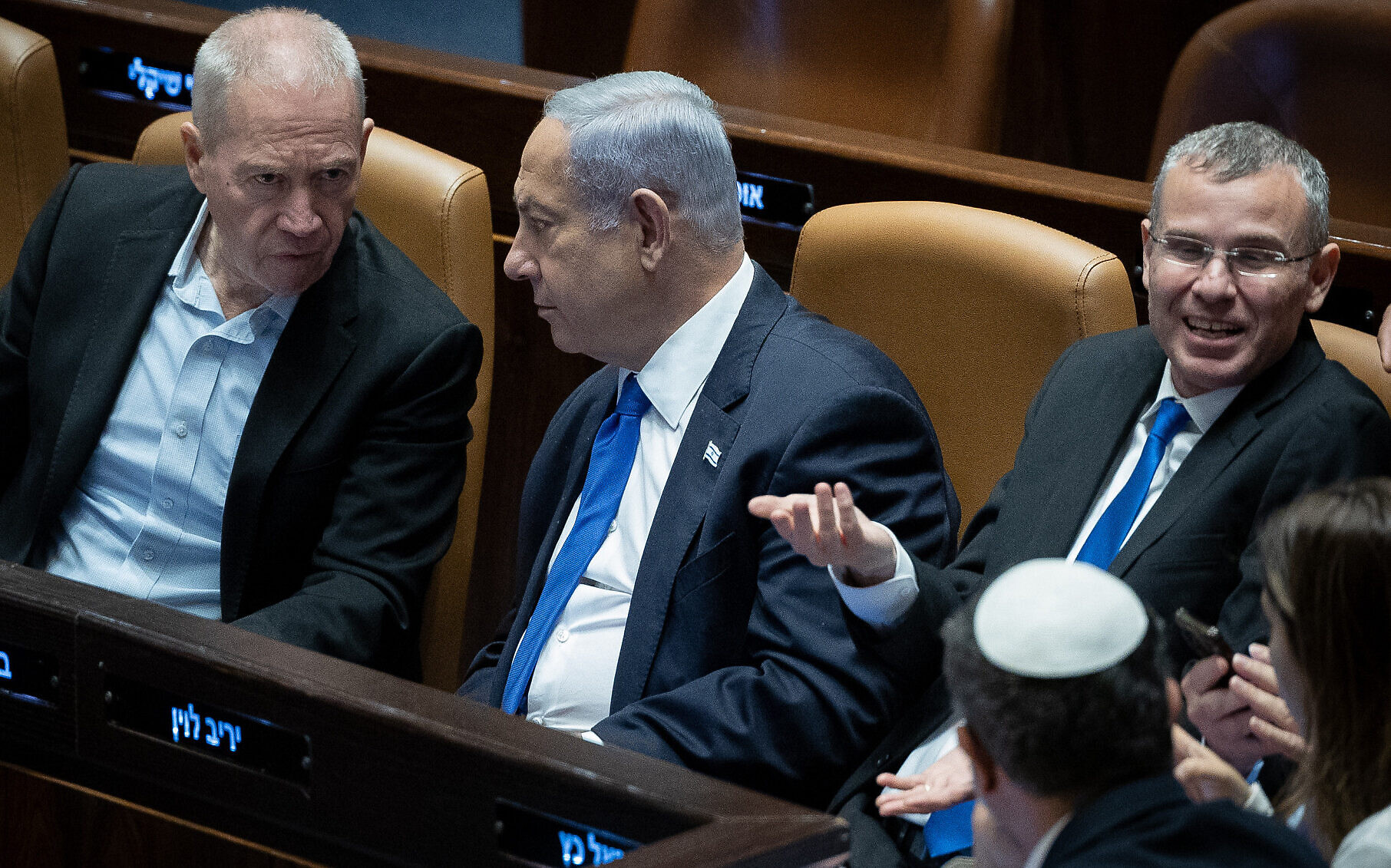
Until last week’s brief and vague document, the last time Netanyahu published an annual health report was in December 2023. Before that, the last such document he published was for 2016, according to the Movement for Freedom of Information.
A cabinet resolution passed in 2007 requires that the prime minister issue an annual health report, which must be written by the head of the premier’s medical team.
Despite failing to issue annual health reports for so long, Netanyahu has not been compelled to publish them thus far.
The cabinet resolution also stipulates that the scope of the report is determined by the head of the prime minister’s medical team in consultation with the Prime Minister’s Office.
Shwartz Altshuler pointed out, therefore, that Netanyahu, like every prime minister, has control over what is disclosed by his annual report, and is essentially at liberty to keep the details as limited as possible.
She said, however, that Netanyahu’s newly released, extremely brief annual report and statement on his cancer treatment took the discretion of the PMO over the scope of medical reports “to the extreme, so as not to release accurate and trustworthy information on his medical situation.”
Shwartz Altshuler also accused Netanyahu of politicizing his health by refusing to properly disclose his medical condition as part of his ongoing effort to remain in power.
“This is all political, and it’s designed to let the public think he’ll never die, that no one can replace him. This is not democratic,” she charged.
Shwartz Altshuler further insisted that in a democratic country, the public has a right to know the medical condition of its leader. “This [Netanyahu’s] document is not fitting and is not ethical,” she continued.
“In democracies, we need to know these things. Especially ahead of elections, we need to know the prime minister’s medical situation, to know how he will function.”









The Times of Israel Community.