

Nation-state law backers see Palestinian flags as banner for own argument
Right-wing lawmakers seize upon display at Tel Aviv protest as best proof for the law’s need; even Ehud Barak calls it a huge mistake
 Add ToI as a Preferred Source on Google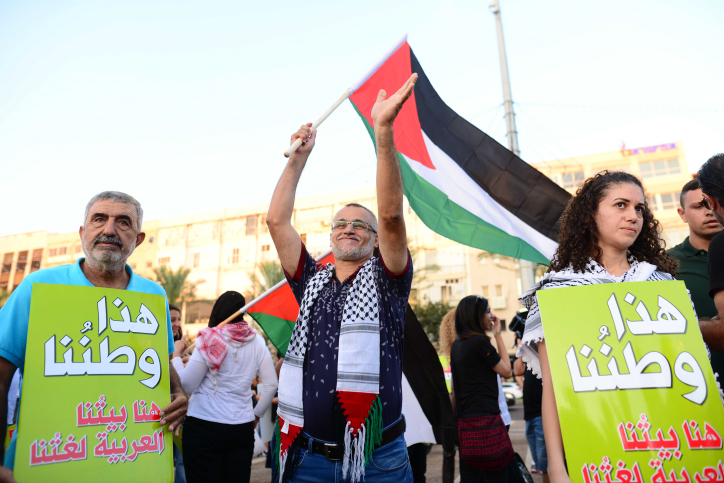
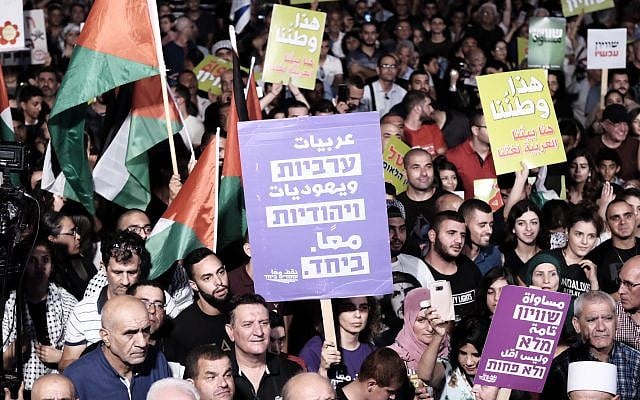
For backers of the nation-state law, the lofting of Palestinians flags above Tel Aviv’s Rabin Square to protest the legislation provided a clear representation of why they say the country’s Jewish character needs to be protected in the rule books.
The flags were only a small part of the Saturday night rally, which drew 30,000 protesters from the country’s Arab population and others, but they were instantly seized upon by right-wing politicians and others.
There is “no better testament to the need for the nation-state law,” Prime Minister Benjamin Netanyahu wrote on Twitter alongside a short clip of the flags being waved. “We will continue waving the Israeli flag and singing Hatikva with great pride.”
“All those waving Palestinian flags in the heart of Tel Aviv are bolstering recognition of the victory of the nation-state law, and our commitment to not subtract even a single comma from it,” wrote Likud lawmaker Tzachi Hanegbi.
The words were echoed by others, including Likud minister Ofir Akunis, who said pictures of the flags were “unmistakable proof that Israel needs the nation-state law.”
Uri Ariel, another right-wing lawmaker from the Jewish Home party, called for those waving the flags to go to Ramallah or Damascus instead.
Organizers of the protest had urged participants not to wave Palestinian flags as to not deter Jewish Israelis from attending the protest march in solidarity. But despite the request, dozens of activists from the Arab Knesset party Balad — one of the three factions in the Knesset’s 13-MK Joint (Arab) List party — were seen waving Palestinian flags at the demonstration, as were marchers in the streets en route to the rally. Balad had harshly criticized the request not to carry the Palestinian flag.
At times, some participants at the rally also chanted in support of Palestine and against Israel, including cries of, “With blood and fire, we will redeem Palestine,” and “Million of martyrs are marching to Jerusalem.”

Former MK Mohammad Barakeh, a longtime leader of the left-wing Hadash party who currently heads the Arab Higher Monitoring Committee, told a Times of Israel reporter at the event that the committee had “asked the public not to bring [Palestinian] flags, but I can’t control what people do.”
On stage, Barakeh was quoted as saying it is the “flag of the oppressed Palestinian people, the flag they are trying to eradicate from history via the nation-state law.”
The nation-state law, passed by the Knesset July 19, for the first time enshrines Israel as “the national home of the Jewish people,” and says “the right to exercise national self-determination in the State of Israel is unique to the Jewish people.” It also defines Arabic as a language bearing a “special” status, effectively downgrading it from its de facto status as Israel’s second official language.
Arab citizens make up some 20 percent of Israel’s population, enjoy full citizenship rights but face discrimination in some areas of society like jobs and housing. They share the ethnicity and culture of the Palestinians in the West Bank and Gaza Strip and often identify with Palestinian nationalism, rather than Israeli.
The waving of the flags cut to the heart of an issue surrounding the identity of the community. While Palestinians flags are not forbidden, they are often seen as taboo. The waving of Palestinian flags at yearly Nakba Day commemorations, including in Tel Aviv, have become commonplace, but have also at times been seized upon by those on the right wing who charge that elements within the community represent a fifth column.

Reflecting Israeli unease with displays of Palestinian nationalism among Israeli Arabs, Labor Party chairman Avi Gabbay, head of the Zionist Union, said that while he backed efforts to amend the nation-state law, he would not attend the protest.
Former prime minister Ehud Barak, a strident critic of the law, said on Twitter that “organizers had made a big mistake” in allowing the Palestinian flags.
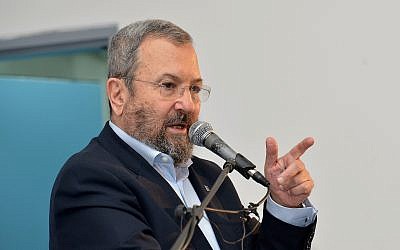
“This is a free service for those behind the law that’s assassinating the value of equality written into the Declaration of Independence,” he wrote.
But Tamar Zandberg, head of the left-wing Meretz party, chided those who avoided the protest for fear of Palestinian nationalist symbols.
“What are you afraid of? There will be a flag or sign you don’t agree with? So fucking what,” she wrote on Facebook. “For that it’s worth fragmenting the protest?”






The Times of Israel Community.