

Netanyahu denies report he refused to ink deal with Syria on sidelines of UN in September
PM’s office dismisses ‘fake news’ claim that new security arrangement was ready for signing during General Assembly after months-long US mediation efforts
 Add ToI as a Preferred Source on Google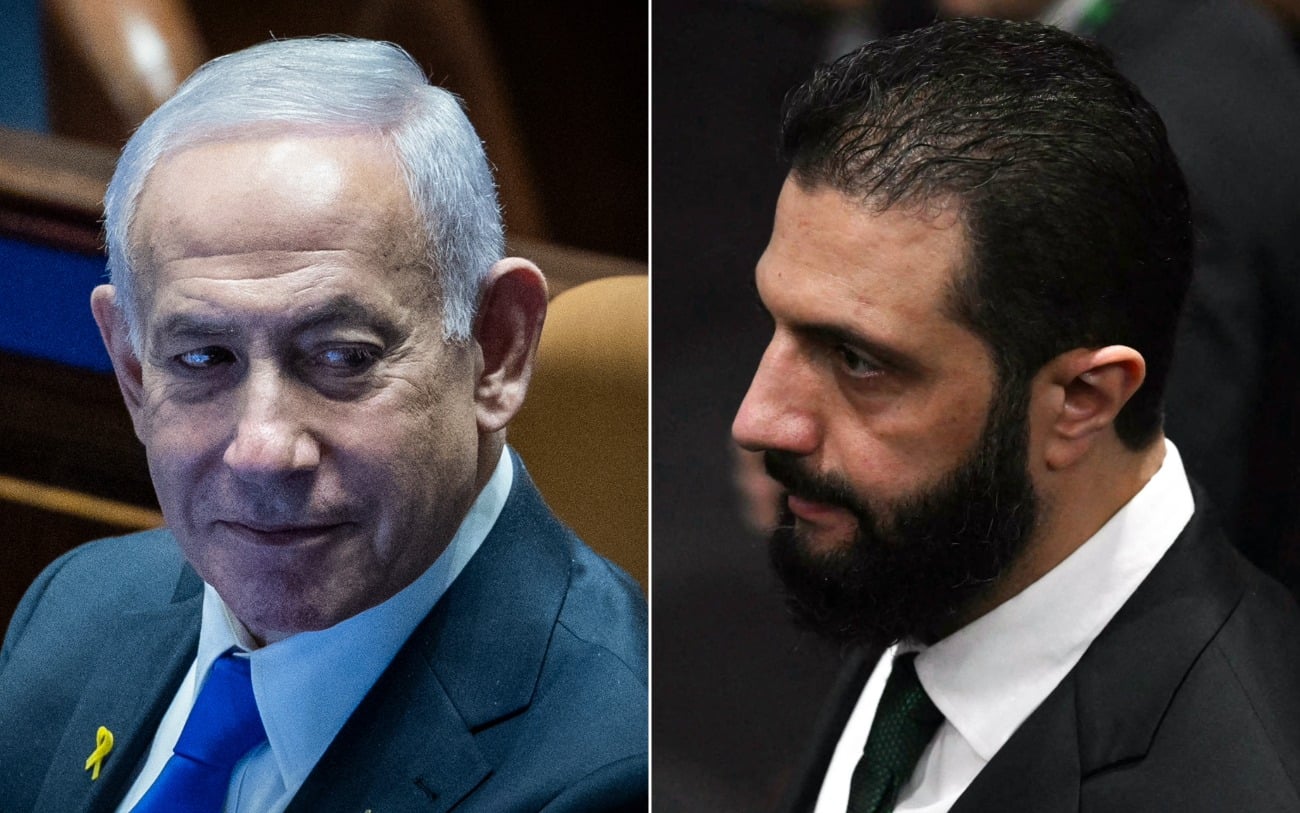
Prime Minister Benjamin Netanyahu refused to sign a security agreement reached between Israel and Syria in September on the sidelines of the UN General Assembly, according to an Arab news report.
Jerusalem and Damascus reached a written deal with the help of mediation by the United States in September, and a signing was planned while both Netanyahu and Syrian President Ahmed al-Sharaa were in New York City, unnamed informed sources told the London-based Asharq Al-Awsat newspaper on Tuesday.
But the Israeli premier backed out, the report added.
The Prime Minister’s Office dismissed the report in a statement hours after it was published as “complete fake news.”
“There were contacts and meetings under US auspices, but matters were never brought to the point of agreements or understandings with Syria,” it said.
The IDF has been deployed to nine posts inside southern Syria for nearly a year, since former president Bashar al-Assad’s regime was brought down, mostly within a UN-patrolled buffer zone on the border between the countries. Two posts are on the Syrian side of Mount Hermon.
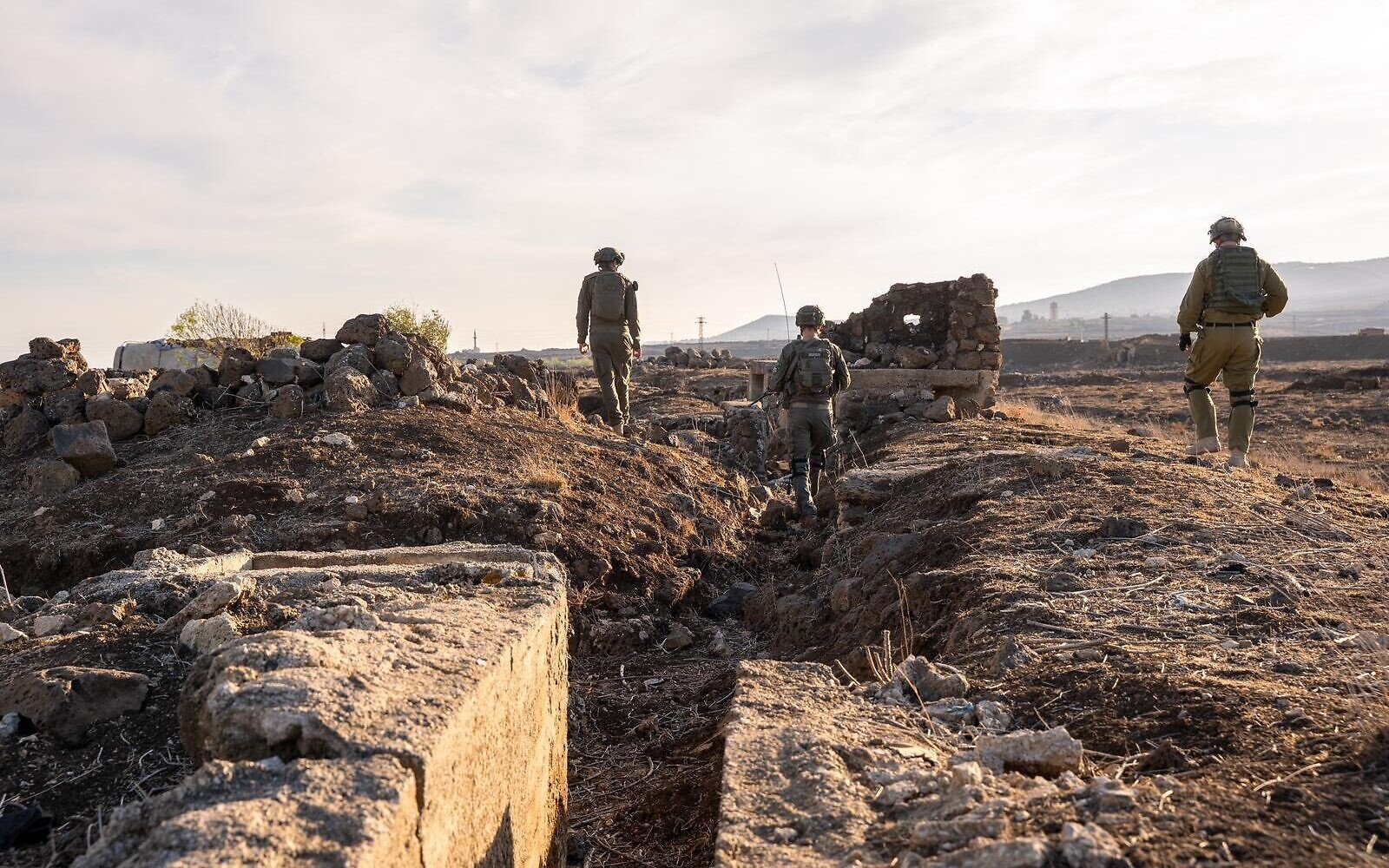
Israel said it seized the areas in southern Syria last December due to fears they would fall into the wrong hands after the regime fell, and said it would hold on to them until a new security deal was signed.
Troops, meanwhile, have been operating in areas up to around 15 kilometers (nine miles) inside Syria, aiming to capture weapons that Israel says could pose a threat to the country if they fall into the hands of “hostile forces.”
While there was optimism in September that a deal could be signed, Reuters reported at the time of the assembly that contacts between Israel and Syria regarding the deal had reached a dead end due to Israel’s demand to open a “humanitarian corridor” into the Sweida province in southern Syria – where sectarian violence has killed hundreds of people from the Druze community, which Israel has vowed to protect.
Sources told Reuters that Israel requested early on in the talks to open a passage for delivering aid to Sweida, but Syria rejected the request, claiming it would harm its sovereignty. According to the sources, Israel repeated the demand later in the negotiations, leading progress on the agreement to stall.
Reports last month suggested Israel’s terms have since changed and it is now demanding full diplomatic relations, which Syria has said is not currently on the cards, further complicating the process.
The pact being negotiated for months ahead of the General Assembly was intended to create a demilitarized zone that would include Sweida.
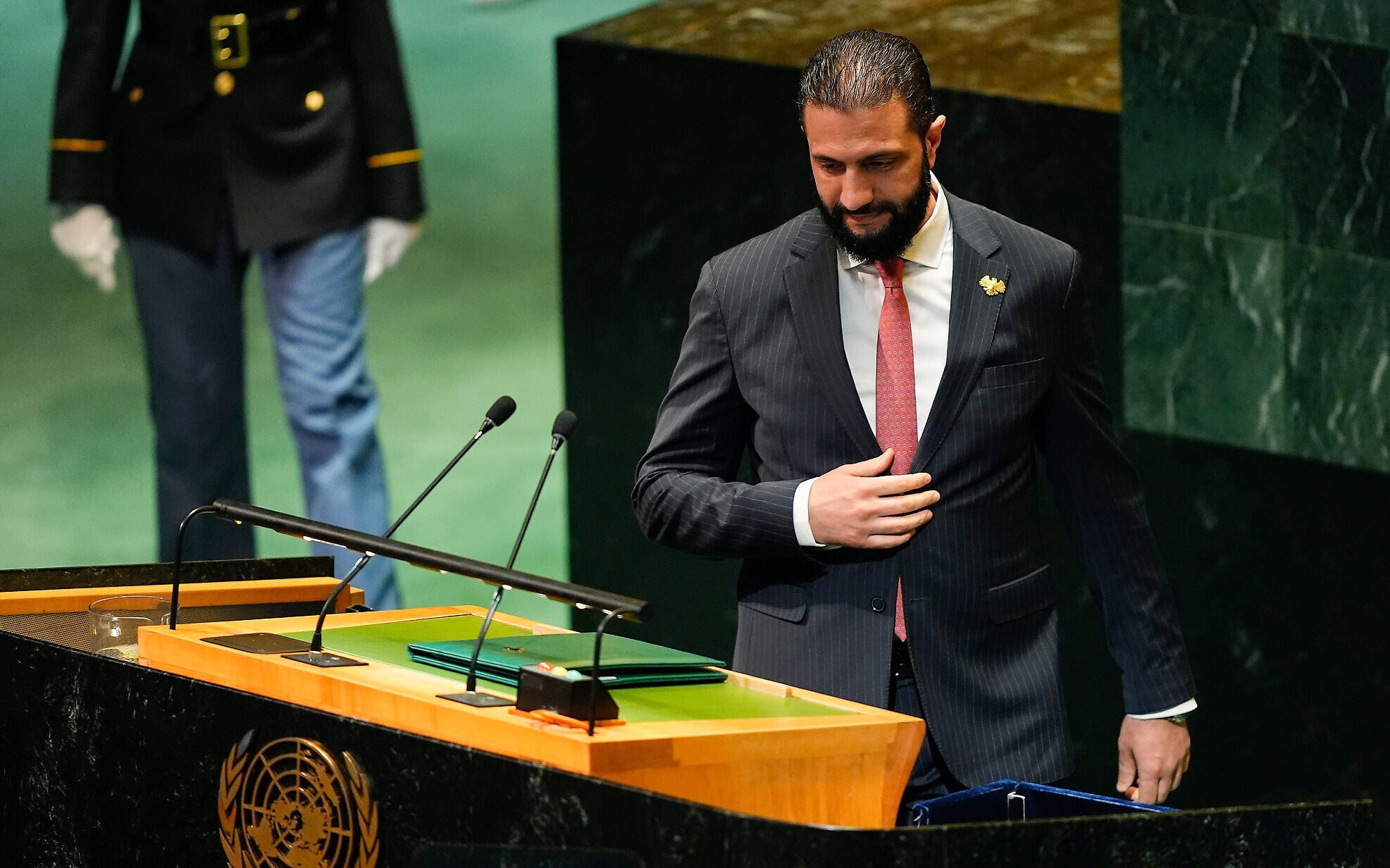
Trump last week warned Israel against destabilizing Syria and its new leadership, days after IDF soldiers battled gunmen in the country’s south, and said he is “very satisfied” with the country’s performance under Sharaa.
In perhaps his sharpest comments since gaining power, Sharaa on Saturday accused Israel of “exporting crises” to other countries around the region in order to distract from its “horrifying massacres” in Gaza.
He said he has sent “positive messages” to Israel since overthrowing Assad, “but in return, Israel has met us with extreme violence.”






The Times of Israel Community.