

Syria’s Sharaa slams Israel for ‘exporting’ conflict to region to hide Gaza ‘massacres’
President who ousted Assad says Israel ‘in a fight against ghosts’ as he decries IDF operations in Syria, acknowledges ‘atrocities’ committed against minority groups in Sweida
 Add ToI as a Preferred Source on Google
Jacob Magid is The Times of Israel's US bureau chief
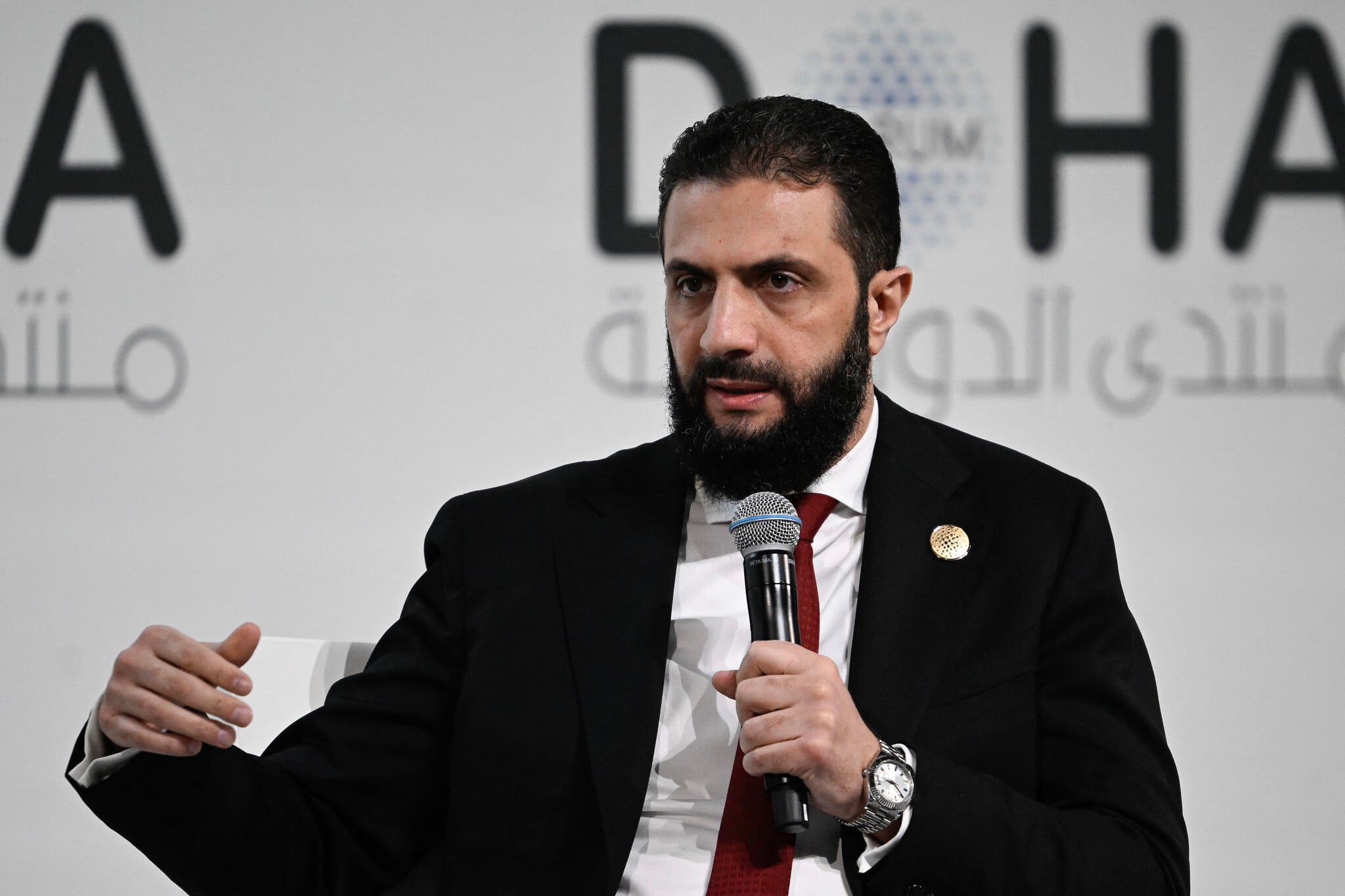
DOHA, Qatar — Syrian President Ahmed al-Sharaa on Saturday accused Israel of “exporting crises” to other countries around the region in order to distract from its “horrifying massacres” in Gaza.
Sharaa’s comments, which were perhaps his sharpest against Israel since becoming Syria’s leader a year ago, were made during the annual Doha Forum hosted in the Qatari capital and followed several other regional leaders who also spoke about the war in Gaza.
“Israel… tries to run away from the horrifying massacres committed in Gaza, and it does so by attempting to export crises,” Sharaa said during an onstage interview.
“Israel has become a country that is in a fight against ghosts,” he claimed, saying that Israel uses the guise of security concerns and the need to prevent another October 7 massacre to justify every action it takes, even though no such correlation exists.
“Since we arrived in Damascus, we sent positive messages regarding regional peace and stability… and that we are not interested in being a country that exports conflict, including to Israel,” Sharaa continued, referring to his jihadist group’s toppling of the Assad regime last year.
“But in return, Israel has met us with extreme violence,” Sharaa said, highlighting the deadly Israeli raid on terrorists in the southern Syrian town of Beit Jinn last month.
“Syria has suffered massive violations of our airspace, and we’ve been victim of over 1000 airstrikes and over 400 incursions,” he said.
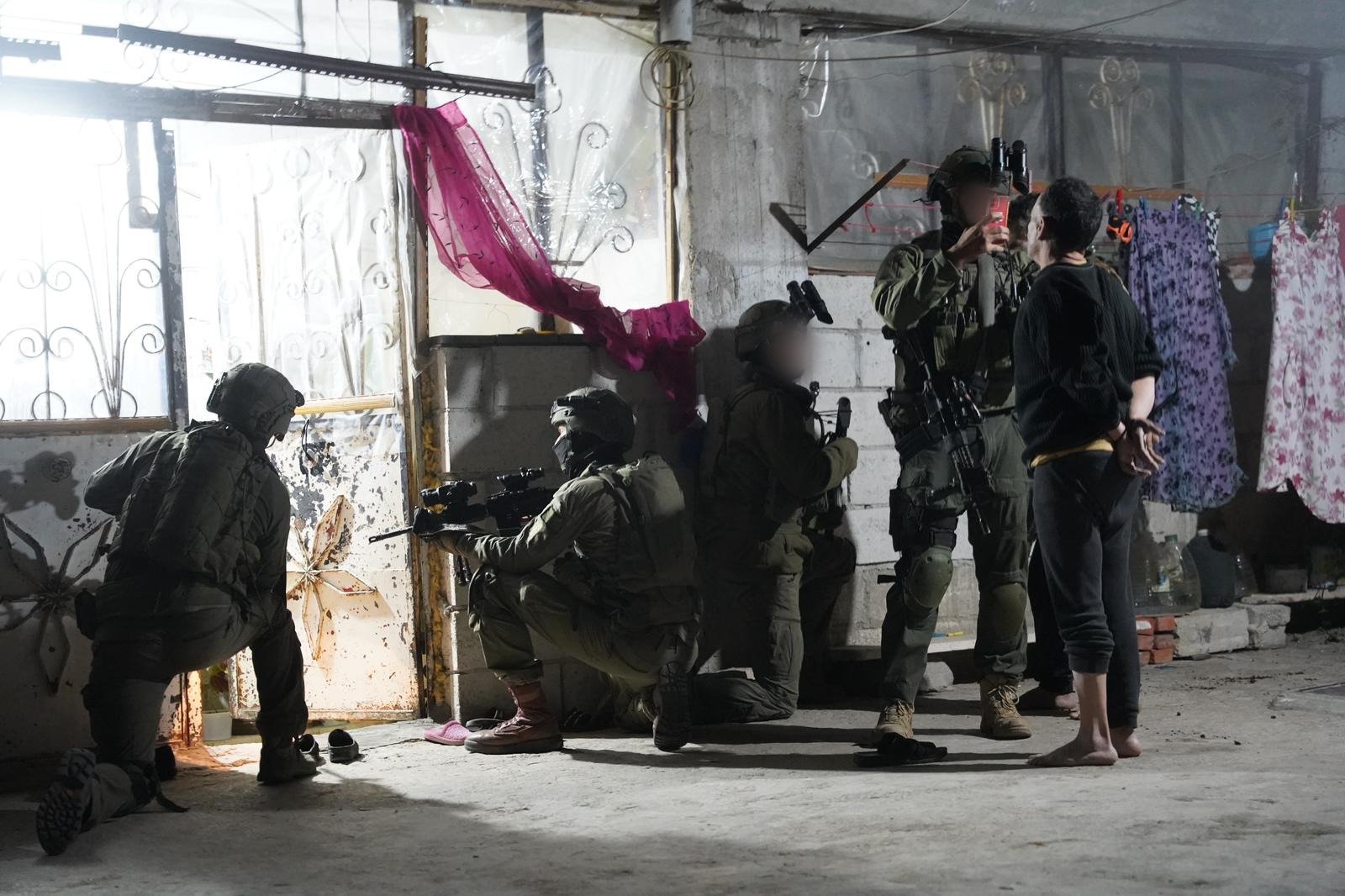
Sharaa reiterated his call for Israel to withdraw from the Golan territories in southern Syria that it has occupied since December, after Assad fled, with Jerusalem wary of the new Syrian leader’s past as an al-Qaeda commander and citing fears the area would fall into the wrong hands.
He expressed his support for the 1974 disengagement agreement with Israel, adding that tampering with it “and seeking other agreements such as a demilitarized zone… could lead us to a dangerous place.”
Israel’s actions in the country recently drew stern comments from US President Donald Trump, who warned earlier in the week against destabilizing Syria and its new leadership, days after IDF soldiers battled gunmen in the country’s south.
“It is very important that Israel maintain a strong and true dialogue with Syria, and that nothing takes place that will interfere with Syria’s evolution into a prosperous State,” Trump said, adding that he is “very satisfied” with the country’s performance under Sharaa.
Turning to issues within his own country, Sharaa acknowledged “atrocities” that have been committed against minorities in the Sweida region but insisted that Syria is a country governed by the rule of law, which will hold those responsible accountable.
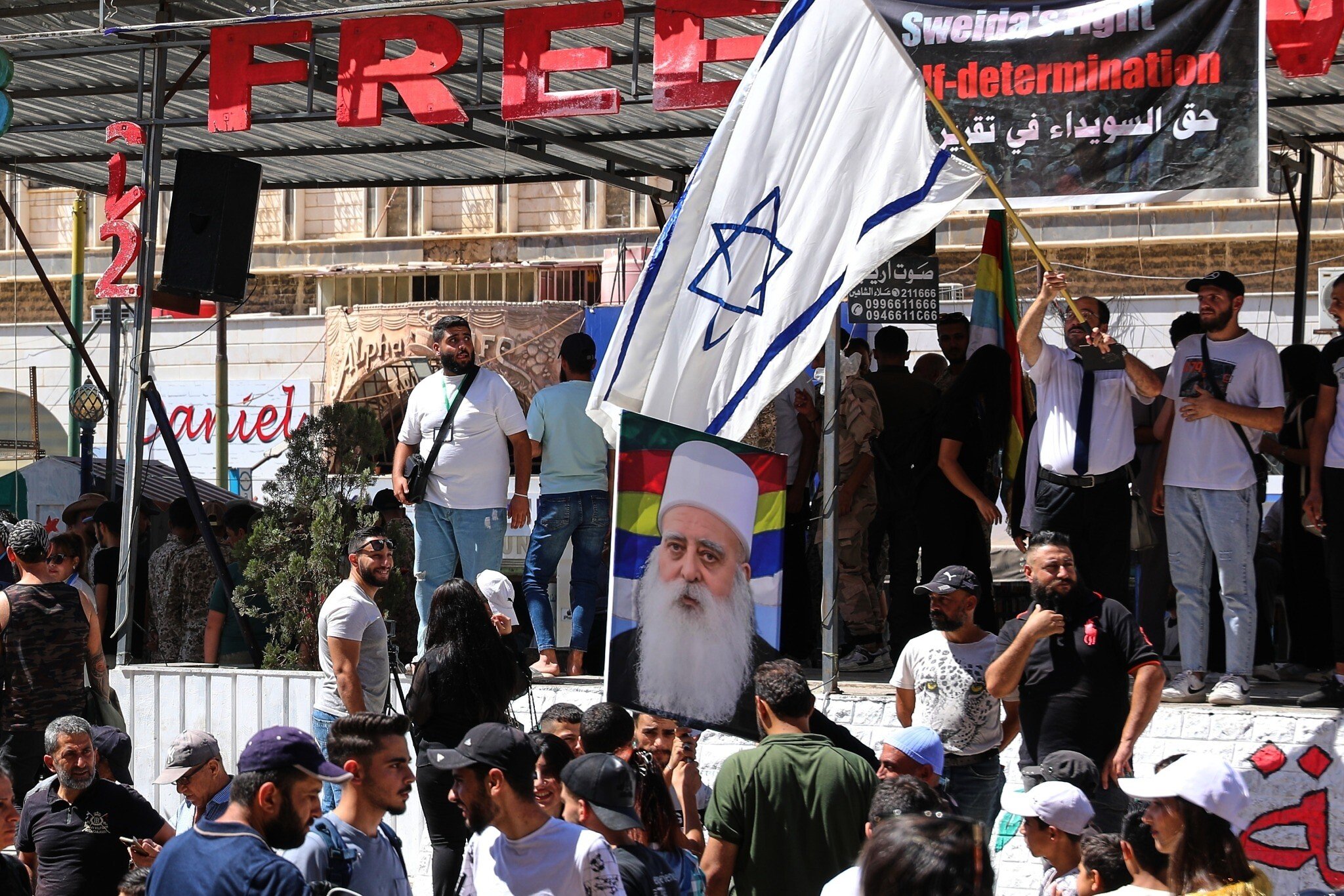
Some of Israel’s military intervention in Syria has been with the declared aim of protecting members of the Druze minority, notably during the violence in Sweida this summer that pitted Sunni Muslim Bedouin fighters and government forces against Druze fighters.
Along with the violence in Sweida, which a war monitor reported left over 2,000 dead, including hundreds of Druze civilians, some government forces or their allies have been implicated in other outbreaks of sectarian violence, including the Alawite community massacres in March that are estimated to have killed more than 1,700 people.
Agencies and Times of Israel staff contributed to this report.






The Times of Israel Community.