

New Israeli research shows coral reefs shape the ebb and flow of local microbial life
Like in humans, microbe levels can indicate health of ecosystem, say scientists from Hebrew University of Jerusalem, Haifa University, and Interuniversity Institute for Marine Sciences in Eilat
 Add ToI as a Preferred Source on Google
Reporter at The Times of Israel
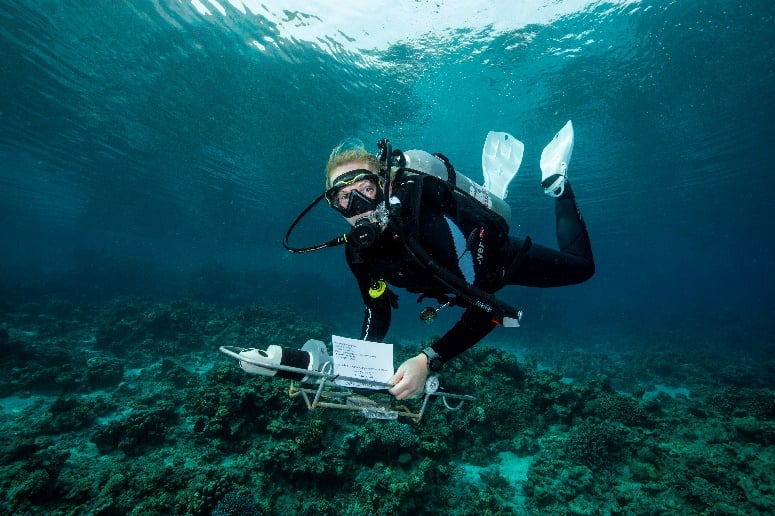
A new peer-reviewed study led by Israeli researchers has found that coral reefs help control the daily lives of microbes, tiny bacteria, and microscopic algae that live in the water around them.
The researchers believe that as climate change continues to threaten coral reefs worldwide, gaining knowledge of these daily microbial cycles could become an important tool for monitoring reef health.
“We found very interesting, unique diversity, and also very noteworthy daily patterns that probably are key to the well-being and function of these coral ecosystems,” said Dr. Miguel J. Frada, a microbiologist with the Department of Ecology, Evolution, and Behavior at the Hebrew University of Jerusalem and the Interuniversity Institute for Marine Sciences in Eilat, speaking with The Times of Israel from his Eilat office.
“It opens the door to better understanding the physiology and ecology of coral reefs,” Frada said.
“The microbes are very reactive to variations in the conditions, and they most likely influence the health of corals and other animals living on reefs,” said Frada.
Shifts in their daily patterns might provide early warning signs of stress caused by pollution, warming oceans, or coral bleaching.
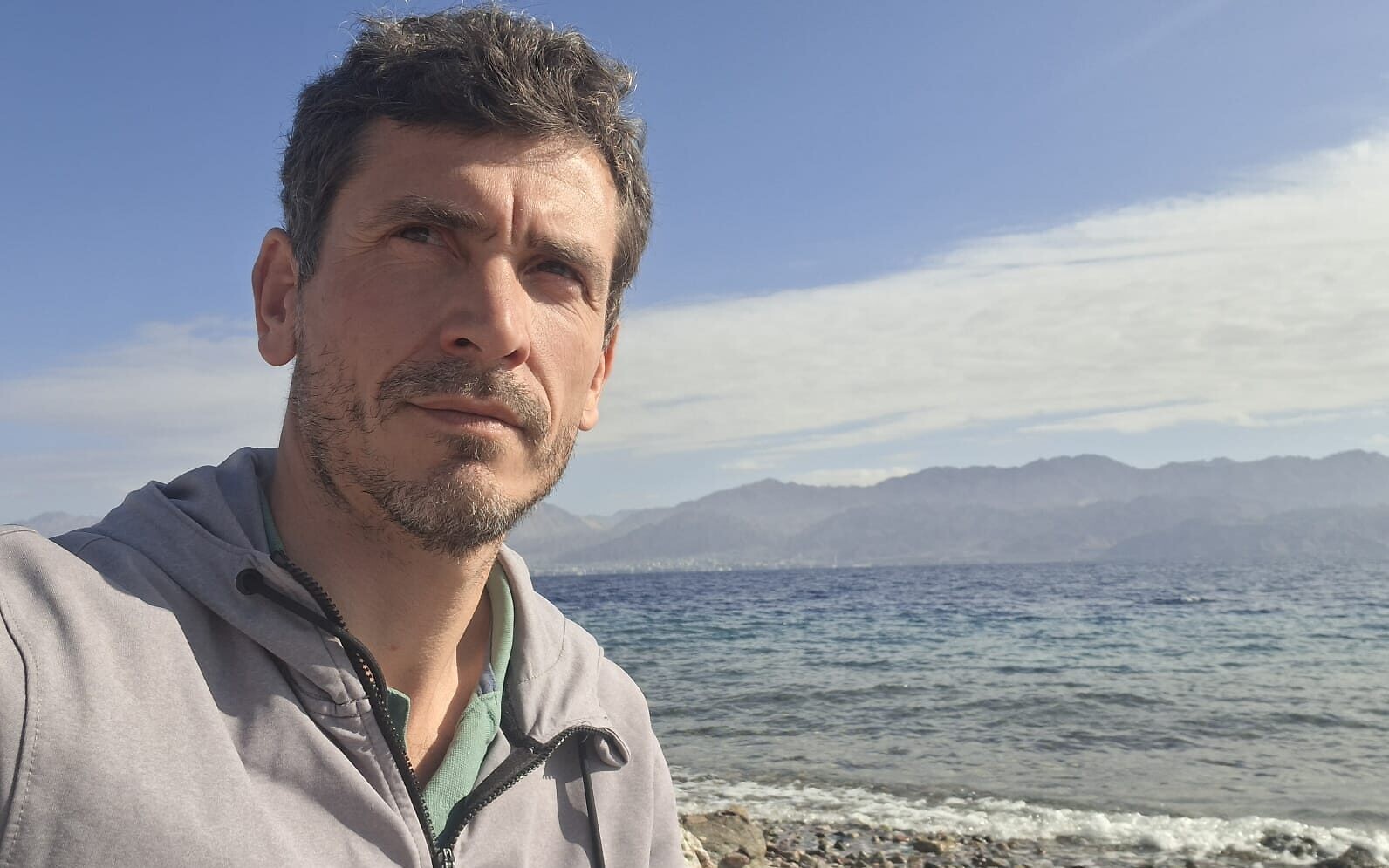
Dr. Herdís G. R. Steinsdóttir, a postdoctoral researcher working under Frada’s guidance, together with Dr. Derya Akkaynak, also from the Interuniversity Institute and the University of Haifa, collaborated in the study, which was recently published in the scientific journal Science Advances.
Coral reefs, hotspots of diversity
Coral reefs are found typically in warm waters around the globe, said Frada, who is originally from Portugal and has lived in Eilat since 2015.
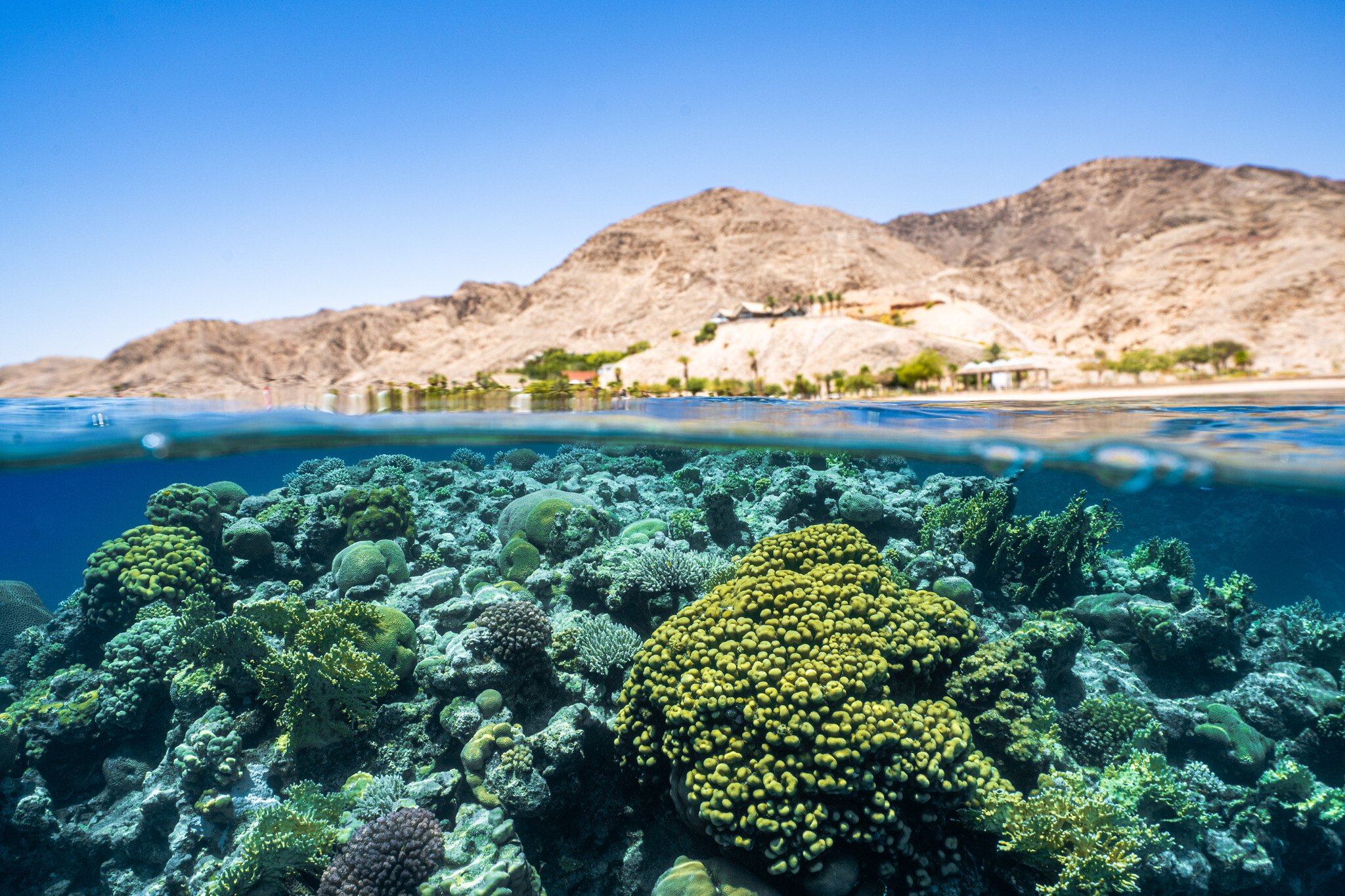
“Coral reefs are these hotspots of diversity,” Frada explained. “You can find them in the Caribbean, you can find them in East Asia and Australia, and in Eilat.”
Frada said that his office is just 10 meters (33 feet) away from the coral reef in the northern Gulf of Aqaba in the Red Sea.
“It just makes sense to study the beautiful coral reefs here,” he said.
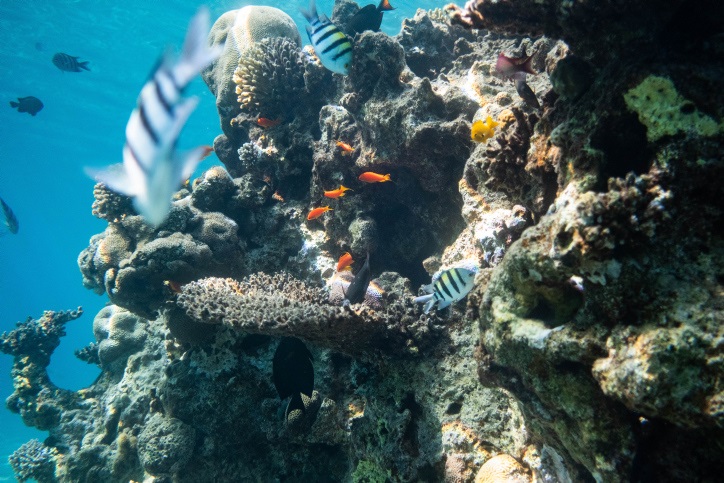
What scientists know about corals, “or most of what we knew about corals,” Frada said, “comes from studies of corals themselves and the large organisms like fish or sponges or microorganisms living within corals like tiny algae that feed coral growth.
“Much less is known about microorganisms living around and interacting with corals,” he said.
Understanding microbial communities
Microbes play a key role in how energy and nutrients move through the ocean, the researchers said. They form the base of the food web and influence everything from water quality to the health of larger organisms. If coral reefs help control microbial communities on a daily schedule, then changes to reefs could quickly affect the entire surrounding ecosystem.
By revealing the hidden daily life of microbes around coral reefs, the research adds a new layer to our understanding of one of the ocean’s most complex and important ecosystems.
Frada said that the reason to study microbes in coral reefs is the same as the reason scientists study microorganisms inside humans.
“We know now that microorganisms are very important in our health, in the way our physiology operates, and they can even influence our behavior,” Frada said. “What my study did was look at this microbial diversity on corals. And now, we understand why it is very important.”
Studying the DNA of microbes
Unlike other studies, the scientists decided to look not only at bacteria but also at the diversity of other life that can only be seen with a microscope, such as eukaryotes, single-celled organisms whose cells have a nucleus.
The researchers collected water around corals every six hours for three consecutive days in the summer and in the winter.
“This is a relatively high frequency of analysis,” Frada said.
Using genetic sequencing, the researchers read the DNA of the microbes, examining what kinds of organisms are present and how many of each there are.
They also employed flow cytometry, a method that counts and sorts tiny cells by sending them one by one through a laser, to help them measure the number and types of microbes in the water, and imaging technologies, including special microscopes and cameras that let them actually see microbes and track how they change over time.
It was also important to measure chemicals in the water, such as nutrients and gases, to understand how microbes affect and respond to their environment.
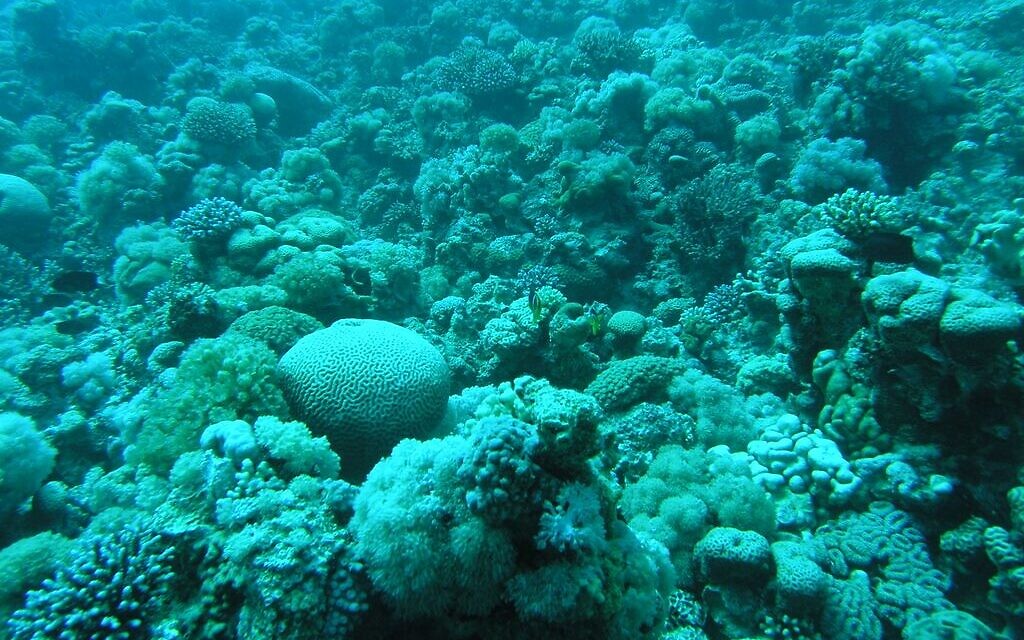
These tools enabled the researchers to examine how microbial life around coral reefs changes hour by hour in great detail.
Reef waters consistently contained far fewer bacteria and microalgae than nearby open waters, the researchers said. This suggests that reef organisms are actively removing microbes from the water, either by feeding on them or through other natural processes.
Nighttime munchies
In contrast, the number of microscopic predators that eat bacteria, known as heterotrophic protists, rose sharply at night, sometimes increasing by as much as 80 percent.
These nighttime increases suggest that microbial predation plays a major role in shaping the unseen populations around reefs. As darkness falls, predators become more active, feeding on bacteria and changing the balance of microbial life in the water.
“We found that the reef is not just passively surrounded by microbes,” said Frada. “It actively structures microbial life in real time, creating daily patterns that repeat across seasons and influence how energy and nutrients move through the ecosystem.”
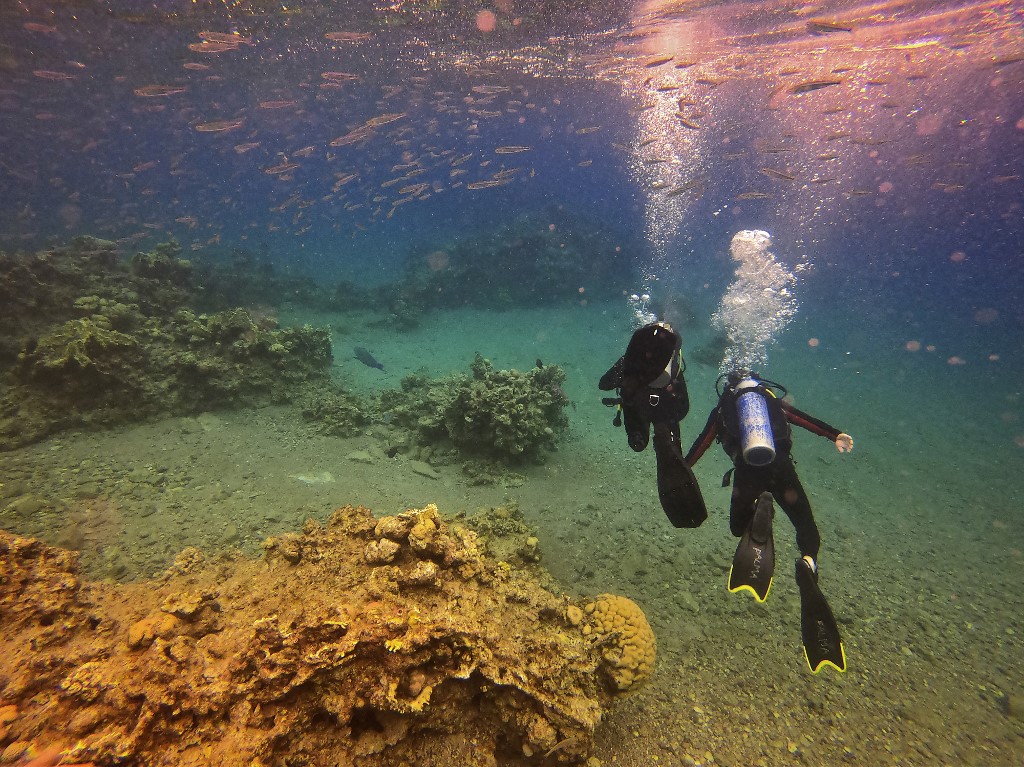
Frada said another striking finding involved a group of microscopic algae called Symbiodiniaceae. These organisms are best known for living inside corals, where they provide energy through photosynthesis and help build coral reefs. Genetic traces of Symbiodiniaceae were found in the surrounding reef water, and their presence consistently peaked around midday.
The increase in the middle of the day suggests that these microbes may be released from corals or become more active during daylight hours, possibly in response to sunlight and coral metabolism. Light plays a key role in photosynthesis, and corals and their symbiotic algae are closely tied to daily light cycles.
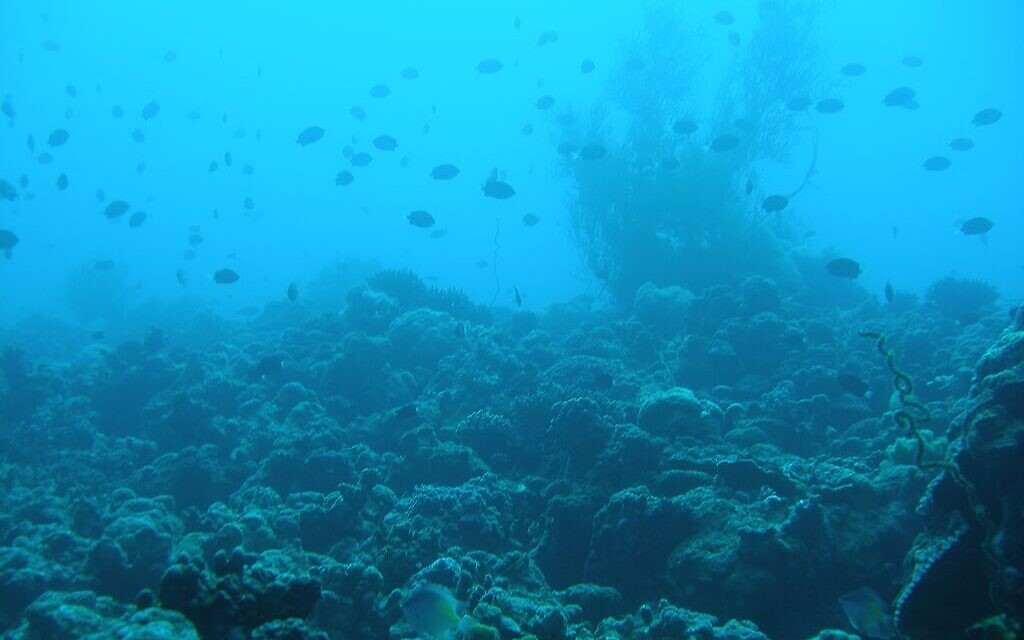
“These daily microbial rhythms were as strong as, and sometimes stronger than, seasonal differences,” said Steinsdóttir. “This shows that time of day is a critical factor when studying reef-associated microbial communities.”
This means that scientists cannot fully understand reef ecosystems by sampling once a day. What happens in the morning may be very different from what happens at night.
“The microbes probably interact with a coral, and can serve as food for the coral, but it can also help the coral to recycle byproducts of its own metabolism,” Frada said. “These sugars will now be consumed by microorganisms that will basically recycle them and use them in different ways.”









The Times of Israel Community.