

NYC mayoral frontrunner Cuomo calls vote a ‘litmus test’ on far-left foes of Israel
Former governor makes combating antisemitism a focus of campaign in visits to synagogues, frames next month’s primary as a choice between the party’s centrists and leftists
 Add ToI as a Preferred Source on Google
Luke Tress is The Times of Israel's New York correspondent.
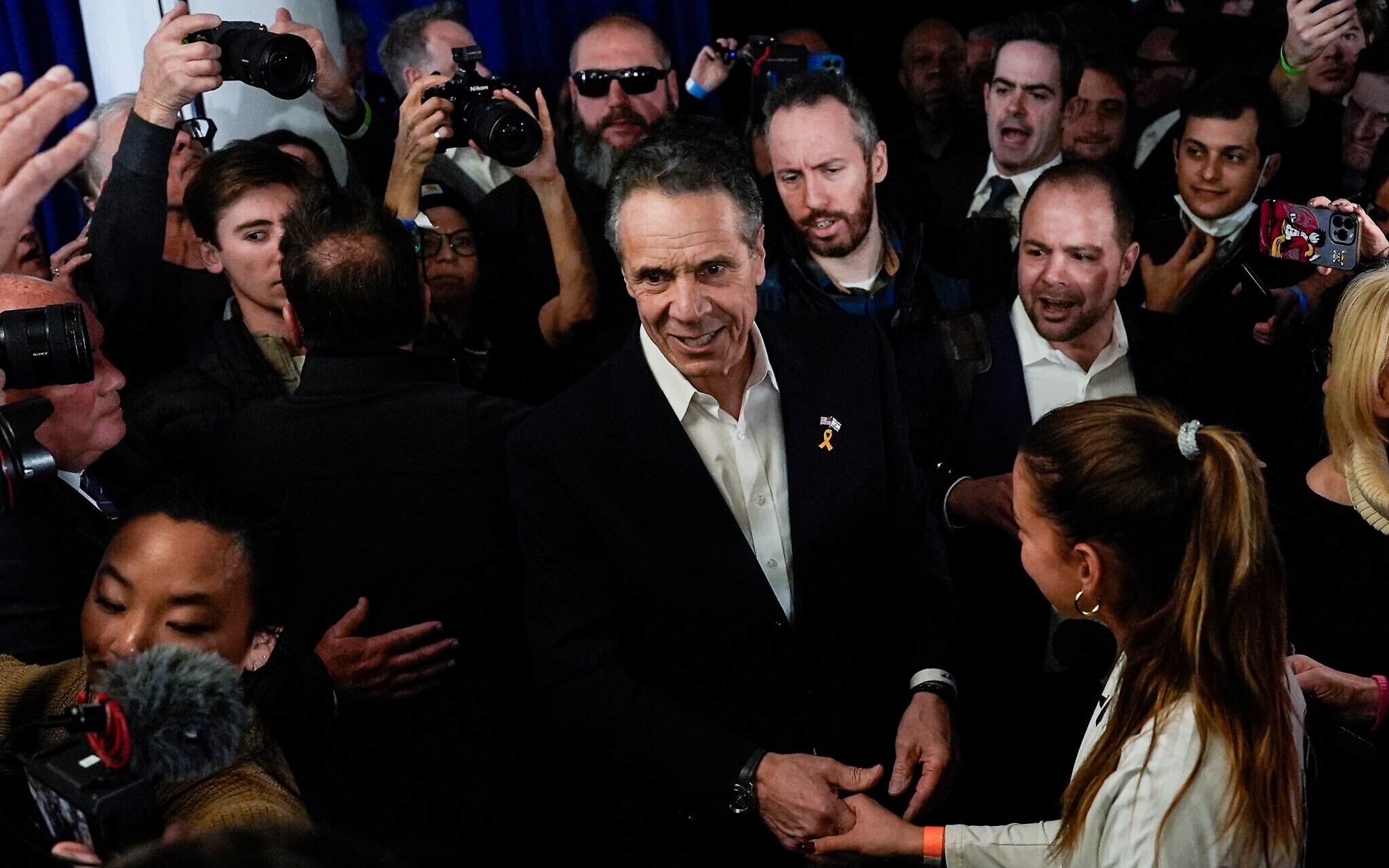
NEW YORK — Former New York State governor Andrew Cuomo took to the stage of Congregation Kehilath Jeshurun in Manhattan on Saturday, making his campaign pitch to the Jewish community from beneath the synagogue’s towering marble facade and vibrant stained glass window.
Cuomo, wearing a black kippah and a yellow ribbon in support of Israeli hostages in Gaza, greeted the crowd with “Shabbat shalom,” then apologized.
“I’m sorry for the pain and anguish you felt on October 7 and every day since. I’m sorry for any antisemitism you have experienced,” he said. “I’m sorry for my mistaken assumption that widespread antisemitism could never happen again in a modern, sophisticated, educated society and certainly not in New York City.”
The speech, one of several appearances Cuomo has made at New York City synagogues in recent weeks, came as Cuomo vies for Jewish votes ahead of the city’s mayoral primary on June 24. Polls show Cuomo is leading a crowded field in the primary, which will likely decide the winner of November’s general election in the mostly Democratic city.
Jewish issues have played a significant role in the campaign given the way news about Israel and Gaza has dominated headlines and activist spaces over the past year-plus, and due to the host of issues at play for Jews, such as hate crimes, street protests and yeshivas.
Cuomo has made combating antisemitism and support for the Jewish community a focus of his campaign, an effort he said was motivated by his longtime connections to the community, and the politics of the moment.
“The Jewish community is important to me first on a personal level,” Cuomo told The Times of Israel in a Wednesday interview. “They are literally members of my family, they’re an important part of New York and they are under stress right now with the scourge of antisemitism.”
Cuomo framed the vote as a choice between the mainstream Democratic Party and the far-left Democratic Socialists of America (DSA). Cuomo’s leading challenger, State Assemblymember Zohran Mamdani, is a DSA member who has alarmed Jews with his harsh rhetoric against Israel, such as his criticism of Israel the day after the October 2023 Hamas invasion. The New York branch of the DSA backed a widely criticized anti-Israel rally in Times Square the same day, and boycotting Israel is one of the party’s central planks.
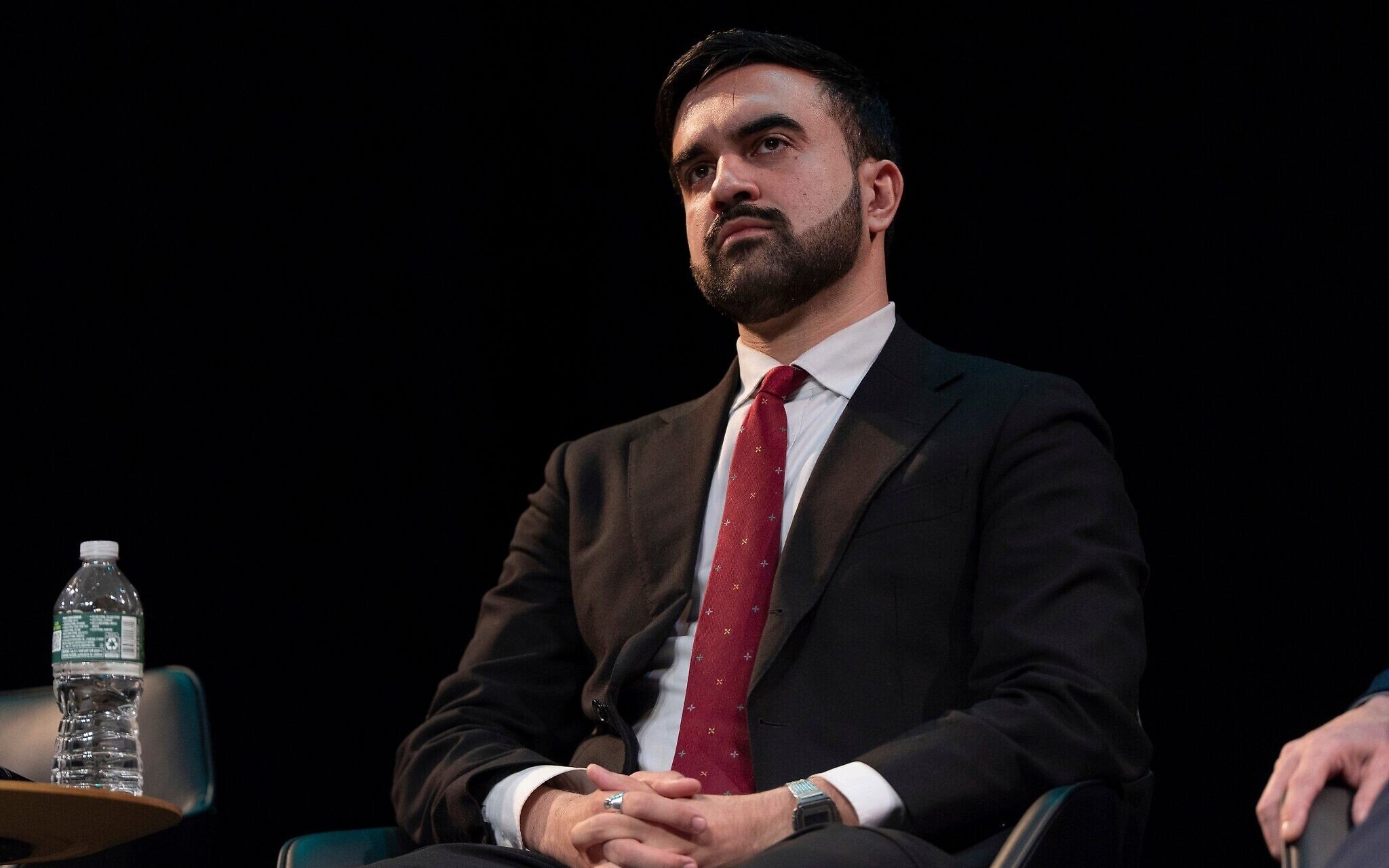
New York’s Democratic party leadership, including Mayor Eric Adams and Governor Kathy Hochul, have remained staunchly supportive of Israel and the Jewish community. Adams, who shares a centrist base with Cuomo and has long ties to Jewish communities, is running as an independent for his reelection campaign.
“You have a schism in the Democratic party right now and this election is in many ways a litmus test of that,” Cuomo said.
“I don’t consider them Democrats, I consider them socialists,” Cuomo said of the DSA. “They support BDS, they pledge never to visit Israel. That’s not what I believe is the fundamental relationship between Israel and the Democratic party. As a Democrat, I think it’s synonymous that you support Israel.”
“My position is 100% supportive of Israel and it’s a more right issue now because you do have two camps within the Democratic party,” he said.
Last year’s primary for New York’s 16th Congressional District covering Westchester County and a sliver of the Bronx was similarly seen as a referendum between the two Democratic party camps. That race pitted centrist pro-Israel George Latimer against Jamaal Bowman, a progressive critic of Israel who repeatedly attacked the pro-Israel lobby during his campaign. Latimer won the vote in a stinging defeat for the progressive anti-Israel camp.
Some of the same players are involved in the city’s mayoral race. Bowman criticized Cuomo during an endorsement of Mamdani this week, and a campaign that rallied Jewish constituents for the Westchester race led to a drive focused on the mayoral primary. In both races, organizers told Jewish voters, “Antisemitism is on the ballot.”
Jews are targeted in hate crimes more than all other groups combined in New York City, accounting for 62% of all bias incidents reported to police in the first quarter of 2025, according to the mayor’s office. Jews make up around 10% of the city population.
“I’m just astonished and saddened and sickened by where we are, not just what is happening with these incidents, but the lack of outrage by elected officials,” Cuomo said. “I would’ve never imagined this was possible and I want to fight it with everything I can.”
In addition to speaking at synagogues, Cuomo has met with Jewish community leaders and outlined his plans for combating antisemitism. Those plans include codifying the International Holocaust Remembrance Alliance’s working definition of antisemitism, which covers some forms of Israel criticism, into the city’s Human Rights Law; proposing a city masking law to combat antisemitic crimes; and introducing school curriculum on antisemitism and New York’s Jewish history.
Codifying the IHRA definition will allow for enforcement against anti-Jewish discrimination, Cuomo said.
Since the start of the Gaza war, hundreds of anti-Israel protests that feature eliminationist rhetoric toward Israel, support for terrorism, property destruction and antisemitism have unnerved Jewish New Yorkers.
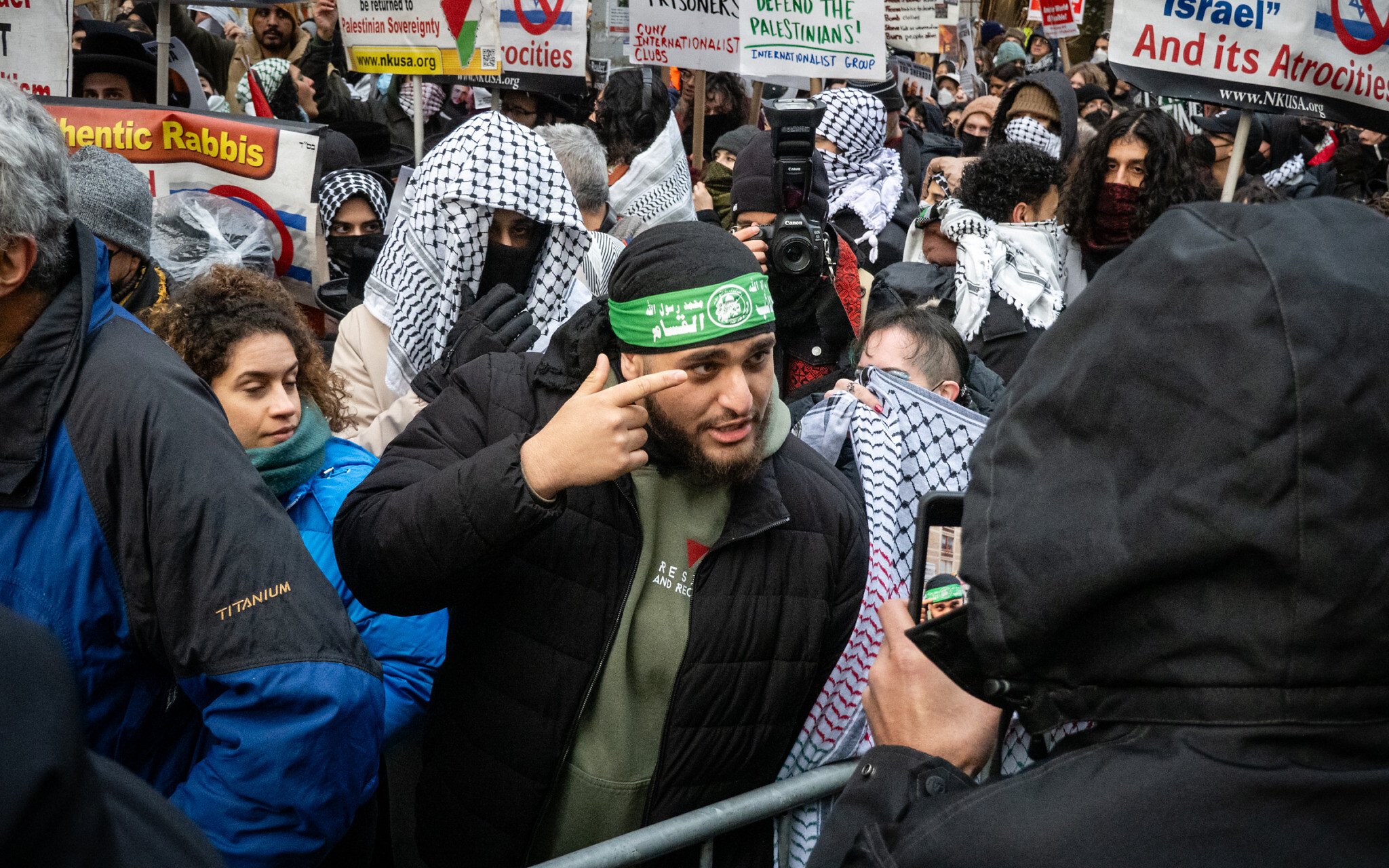
“You can be pro-Palestinian and you have a right to your opinion and you have a right to demonstrate, but you have no right to destroy public property or private property, or harass or disparage another individual based on race or religion and that’s a legal violation. I will enforce the law,” he said.
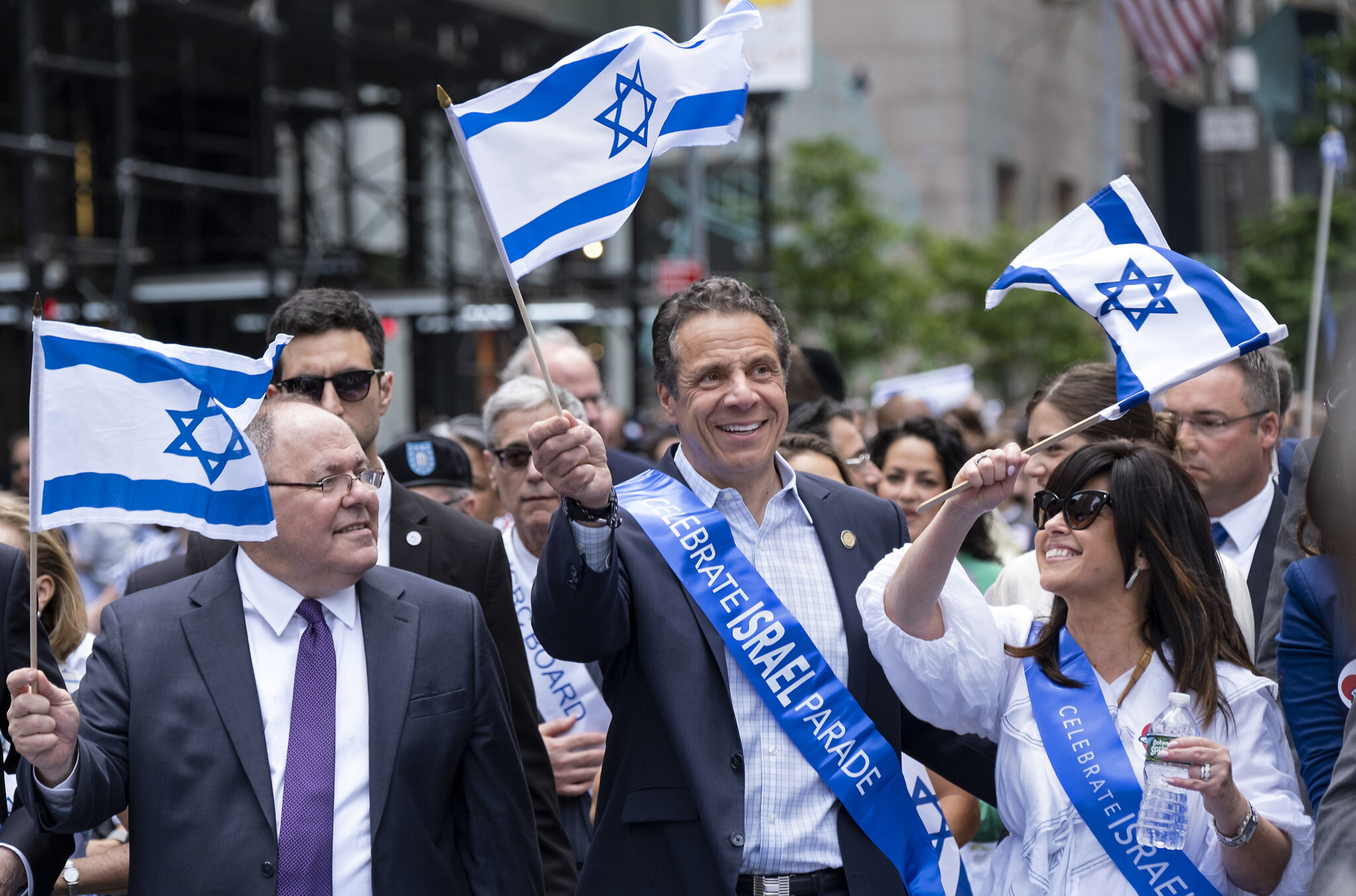
Cuomo has a long record of supporting Israel and the Jewish community as governor to lean on in his campaign, such as passing an anti-BDS bill in 2016, his many visits to Israel, support for business ties between Israel and New York, and legislation aimed at combating antisemitism, including a 2020 bill named for the victim of an antisemitic murder in Monsey, New York. Cuomo was governor from 2011 to 2021, when he resigned amid sexual harassment allegations.
The city is home to an array of Jewish communities, from secular leftists to conservative Orthodox, and political leanings on Israel, antisemitism and other domestic issues vary between different Jewish communities. Cuomo drew the ire of many in the Orthodox and Hasidic communities for his role imposing restrictions on gatherings during the COVID pandemic while he was governor.
Cuomo said he has been having conversations with the Hasidic and Orthodox communities about that controversy. This week, he met with Agudath Israel of America, an ultra-Orthodox umbrella group that sued him over the restrictions in 2020.
Cuomo said that he had been advised to keep restrictions in place due to a virus mutation.
“In retrospect, you can argue that the virus didn’t mutate and we could’ve lifted restrictions sooner,” he told The Times of Israel. “I did err on the side of caution because the alternative was apocalyptic. We discussed that issue and I think we resolved that.”
Orthodox communities tend to be more conservative, but many members in New York are registered Democrats who can vote in the upcoming primary.
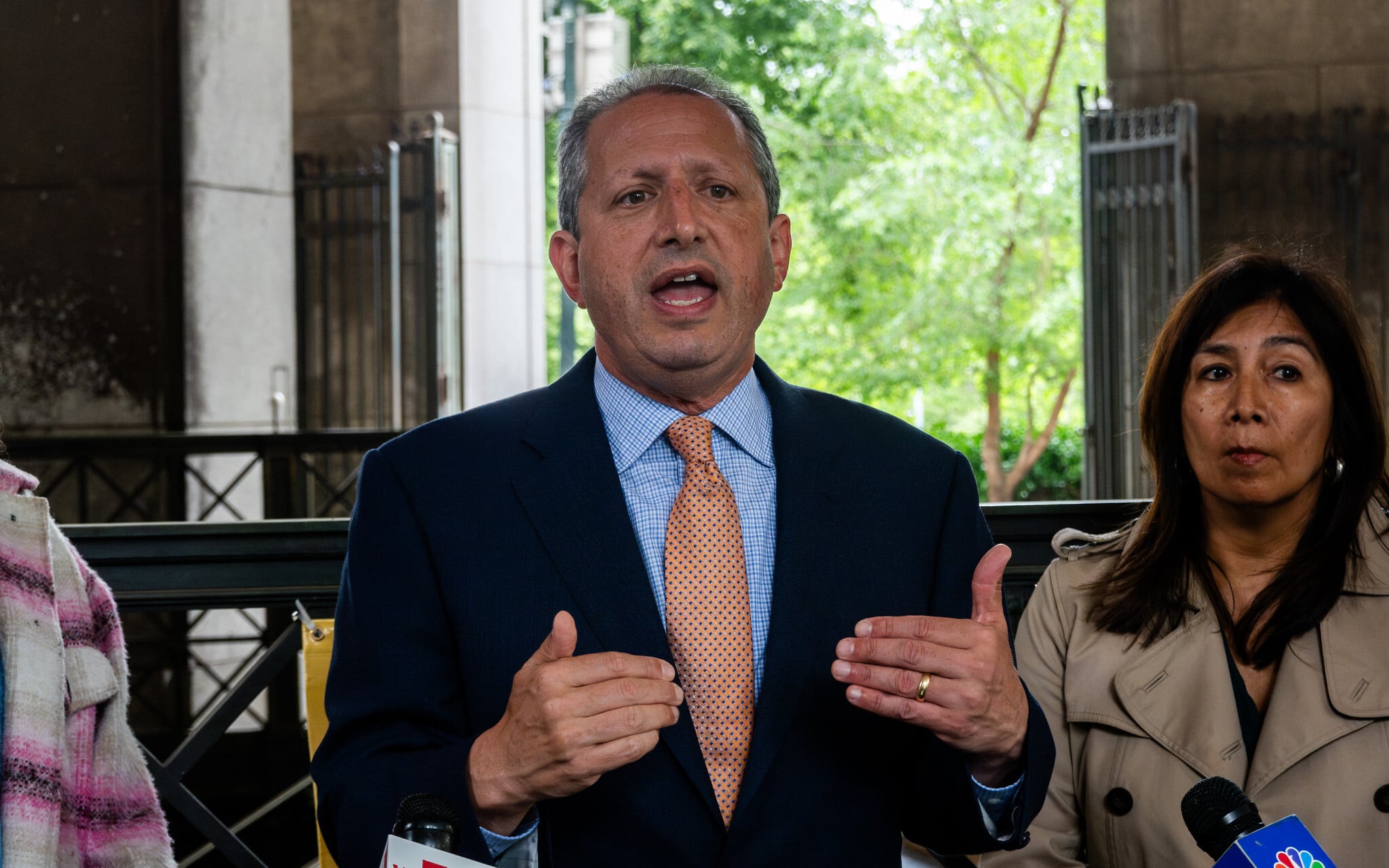
Cuomo has taken fire for his campaign from critics such New York City Comptroller Brad Lander, the city’s highest-ranking Jewish elected official and another primary candidate. Lander defines himself as a progressive Zionist and places around third in polls. New York City uses a ranked-choice voting system that complicates predictions about the election outcome.
After Cuomo criticized Lander in a speech at the West Side Institutional Synagogue last month, Lander cursed Cuomo in Yiddish and attacked his record on Jewish issues. Weeks later, Lander responded in a speech at the same location, saying that Cuomo was weaponizing antisemitism for political points, and that using antisemitism as a political wedge was dangerous for Jews.
“He stood up in this synagogue and called all his opponents – including the highest-ranking Jewish official in New York City – antisemitic, with absolutely zero basis. Why? Not to help us. To help himself,” Lander said.
Despite some tensions, Cuomo’s message has found an audience with many Jewish New Yorkers.
At the speech on Saturday, congregants filled the pews, stood along the walls, and applauded throughout as Cuomo spoke out against BDS and equated anti-Zionism with antisemitism.
After Cuomo left the stage, a crowd clustered around him. A mother introduced him to her children, an adolescent boy asked him for advice about getting into politics and an elderly man said, “You’re our best hope.”






The Times of Israel Community.