

OpenAI’s Altman: World ‘urgently’ needs AI regulation, similar to nuclear safeguards
Warning of AI-made pathogens and technological centralization, man behind ChatGPT urges creation of IAEA-style watchdog ‘for international coordination of AI’
 Add ToI as a Preferred Source on Google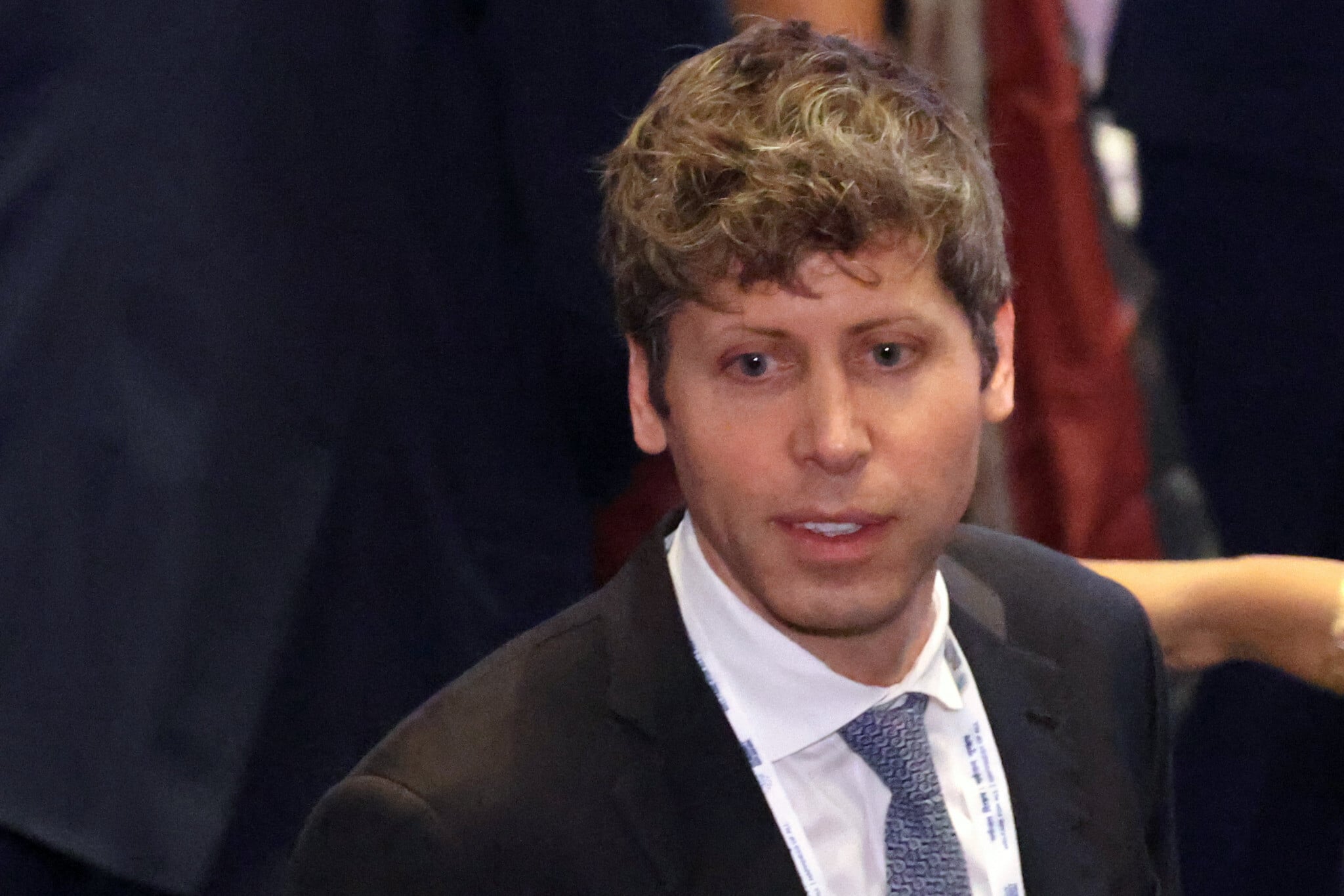
NEW DELHI — Sam Altman, head of ChatGPT maker OpenAI, told a global artificial intelligence conference on Thursday that the world “urgently” needs to regulate the fast-evolving technology.
An organization could be set up to coordinate these efforts, similar to the International Atomic Energy Agency (IAEA), he said.
Altman is one of a host of top tech CEOs in New Delhi for the AI Impact Summit, the fourth annual global meeting on how to handle advanced computing power.
“For an obvious example, there’ll be extremely capable biomodels available open-source that could help people create new pathogens,” he said on stage.
“We need a society-wide approach about how we’re going to defend against this,” he said.
Frenzied demand for generative AI has turbocharged profits for many companies while fueling anxiety about the risks to individuals and the planet.
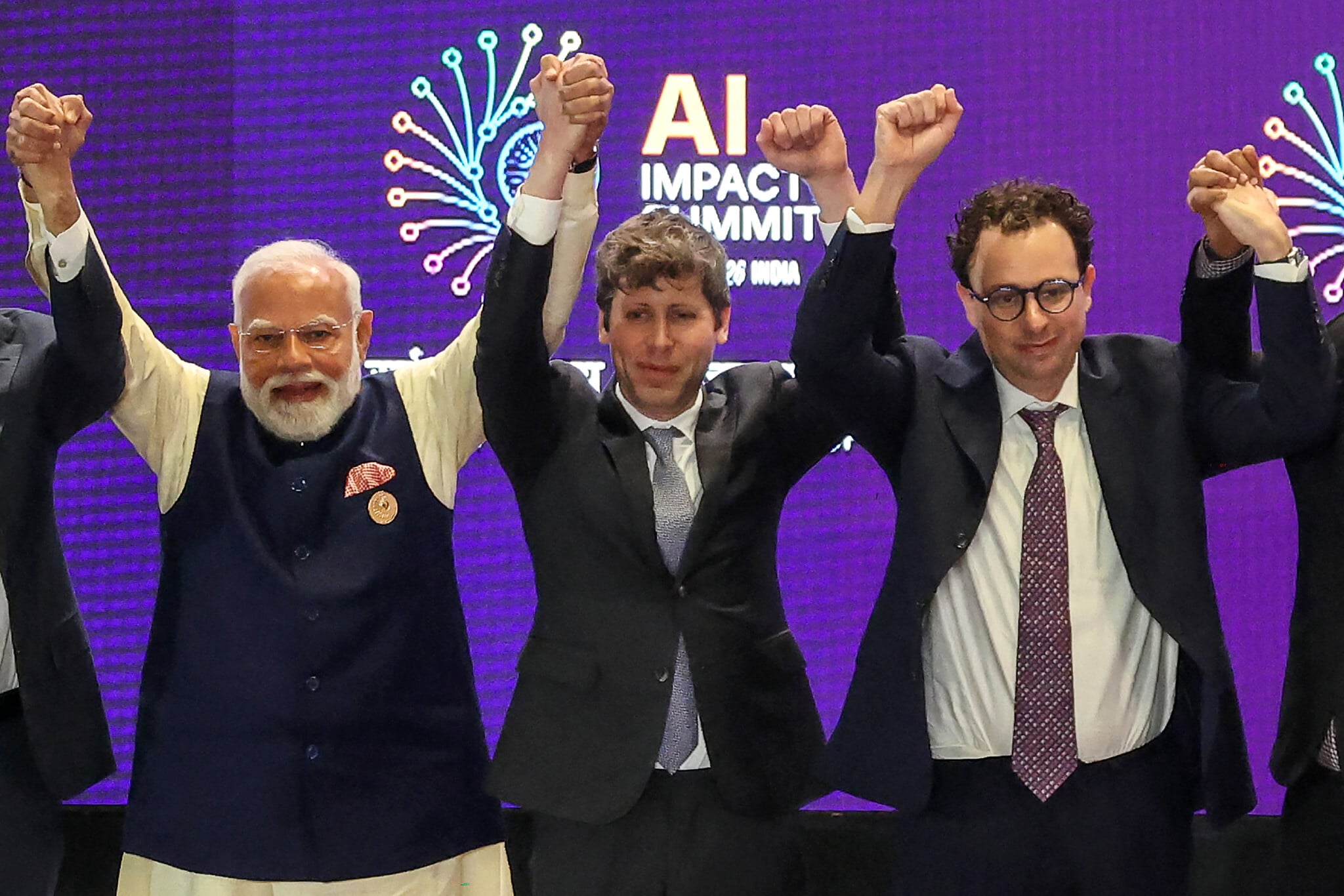
“Democratization of AI is the best way to ensure humanity flourishes,” Altman said, adding that “centralization of this technology in one company or country could lead to ruin.”
“This is not to suggest that we won’t need any regulation or safeguards,” he said. “We obviously do, urgently, like we have for other powerful technologies.”
Many researchers and campaigners say stronger action is needed to combat emerging issues, ranging from job disruption to sexualized deepfakes and AI-enabled online scams.
“We expect the world may need something like the IAEA for international coordination of AI,” with the ability to “rapidly respond to changing circumstances,” Altman said.
“The next few years will test global society as this technology continues to improve at a rapid pace. We can choose to either empower people or concentrate power,” he added.
“Technology always disrupts jobs,” Altman said, adding: “We always find new and better things to do.”
Generative AI chatbot ChatGPT has 100 million weekly users in India, more than a third of whom are students, he said.

Earlier on Thursday, OpenAI announced with Indian IT giant Tata Consultancy Services (TCS) a plan to build data center infrastructure in the South Asian country.
It is the largest yet and the first in a developing country, with India taking the opportunity to push its ambitions to catch up with the United States and China in the AI race.
“We must democratize AI. It must become a medium for inclusion and empowerment,” Prime Minister Narendra Modi told the gathering on Thursday.
“We are entering an era where humans and intelligence systems co-create, co-work and co-evolve,” he said. “We must resolve that AI is used for the global common good.”
Modi’s comments were echoed by UN Secretary-General Antonio Guterres, who called on tech tycoons to support a $3 billion global fund to ensure open access to AI.
“AI must belong to everyone,” Guterres said. “The future of AI cannot be decided by a handful of countries — or left to the whims of a few billionaires.”










The Times of Israel Community.