

Operation ‘Gideon’s Chariots’ comes to a close, with promised goals unfulfilled
Israel failed to attain objectives of ‘conquering Gaza,’ moving Palestinian population south, preventing Hamas from taking control of aid, and most importantly, releasing hostages

 Add ToI as a Preferred Source on Google
Emanuel (Mannie) Fabian is The Times of Israel's military correspondent
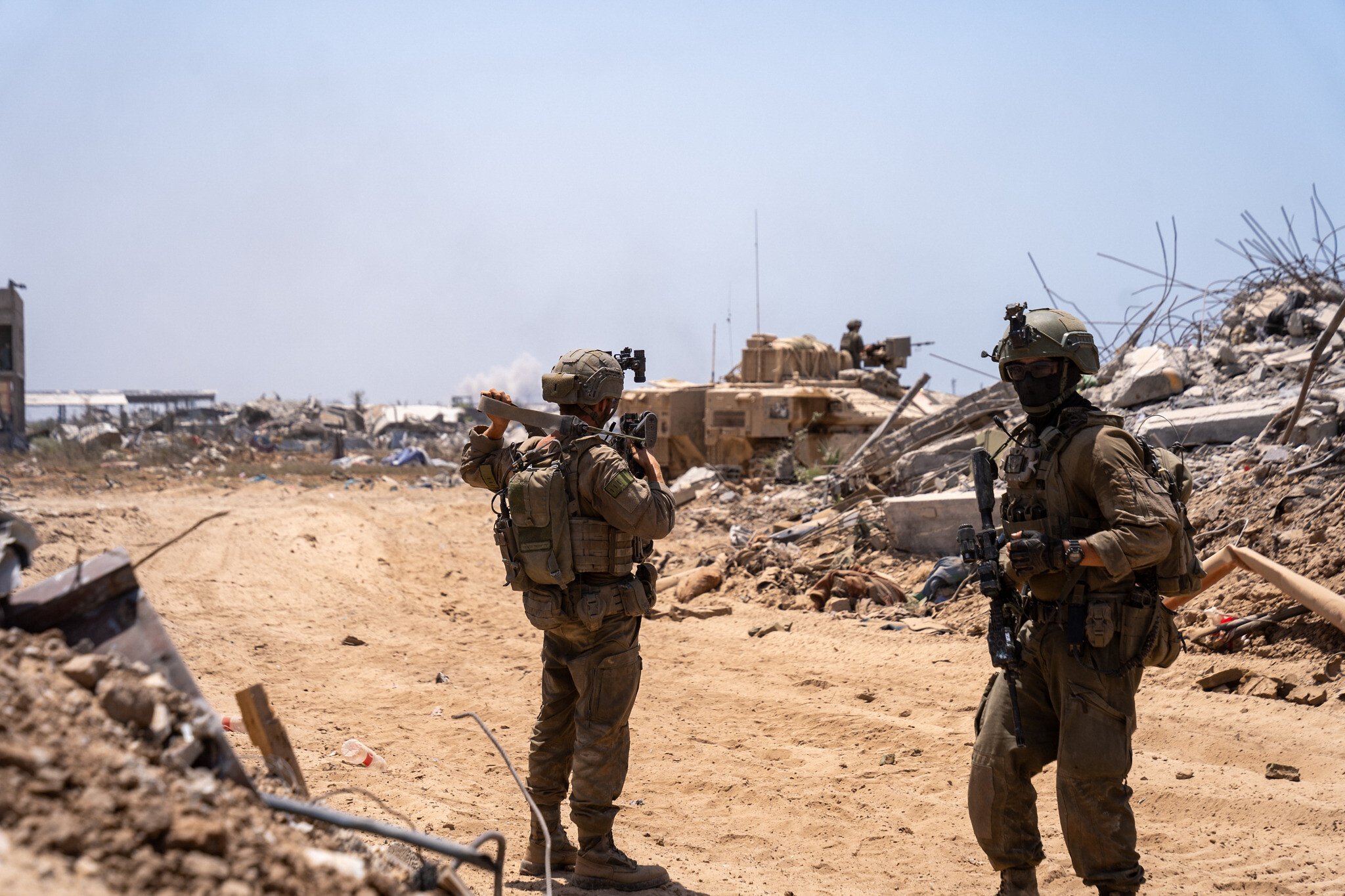
The Israel Defense Forces has been drawing down forces in the Gaza Strip in recent days, as the major offensive it launched against Hamas three months ago, dubbed “Gideon’s Chariots,” appears to have ended.
When the IDF began the offensive in May, Defense Minister Israel Katz and other Israeli officials said that the operation provided for “conquering Gaza” and retaining the territory; moving the Palestinian civilian population toward the south of the Strip; assaulting Hamas; and preventing the terror group from taking control of humanitarian aid supplies.
The main objectives of Gideon’s Chariots, they said, were “the defeat of Hamas in Gaza and the release of all the hostages.”
None of these goals and objectives have been achieved. Meanwhile, the IDF on Thursday said it was withdrawing the 98th Division — an elite formation of paratroopers and commando units — along with two reserve brigades from Gaza.
While political leaders initially said the offensive would see the IDF “conquer” the Strip, it was later clarified that the military would take control of around 75% of the territory, which is where things currently stand.
The IDF did not plan to advance further in Gaza, as Hamas has threatened to execute hostages if troops are seen approaching areas where they are held.
Still, some Israeli political leaders envisioned the army taking control of the entire Strip, and are still considering this.
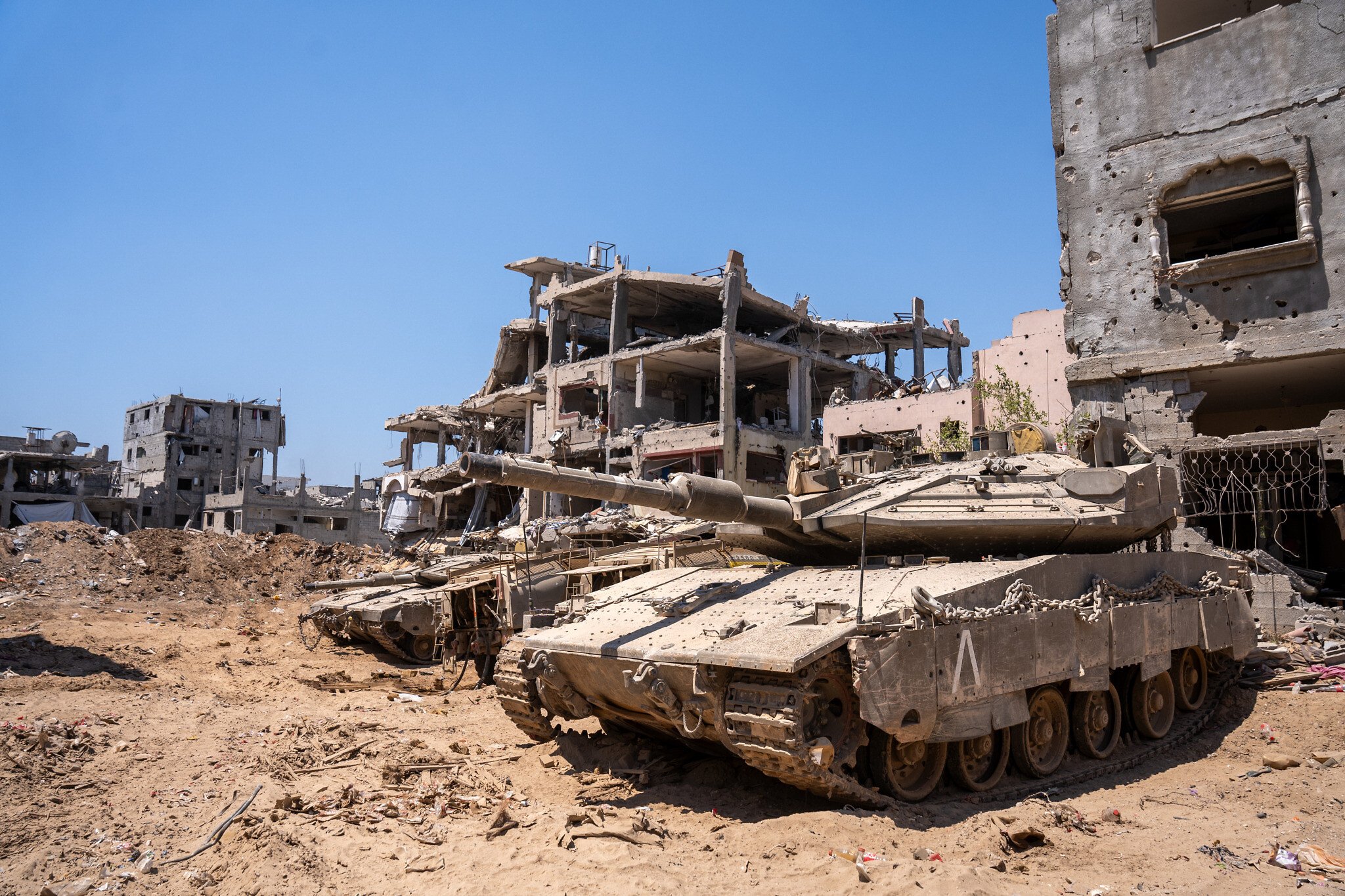
The IDF has focused its operations in areas where it was able to determine that no hostages were being held. However, for over a month, those operations have mostly consisted of razing buildings, Hamas tunnels, and other infrastructure used by the terror group, with little direct fighting taking place.
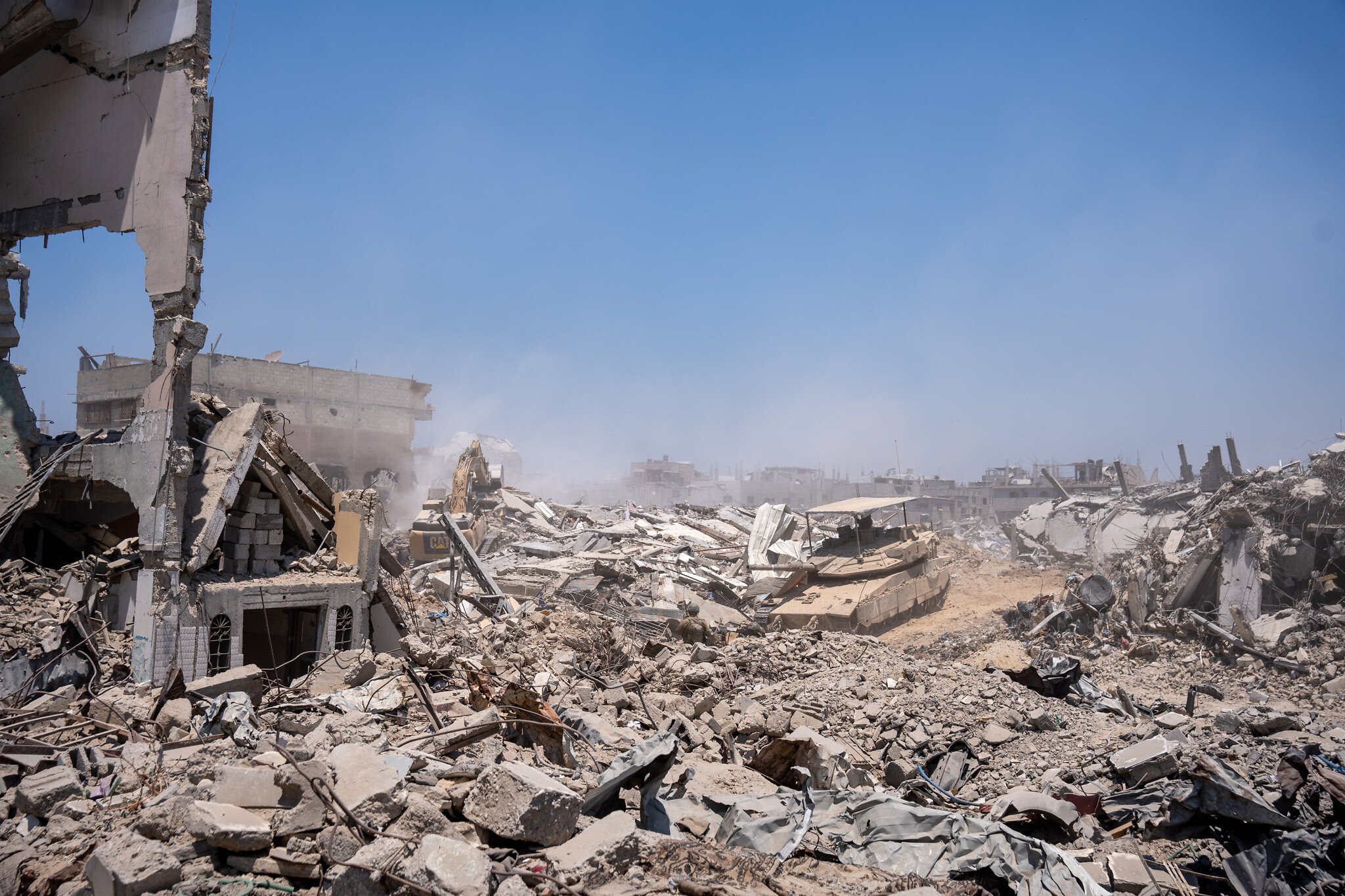
Meanwhile, the Palestinian population has largely not been moved to the south of Gaza, with over a million civilians still residing in Gaza City in the north and some 350,000 in central Gaza’s Deir al-Balah. Over 600,000 are in the Mawasi area on the coast of southern Gaza.
Hamas, while heavily weakened after 22 months of fighting, is still a capable force in some areas of Gaza.
In northern Gaza’s Beit Hanoun, the IDF completely destroyed Hamas’s forces there, with the apparent last three gunmen in the area surrendering to troops over the weekend.
But in Khan Younis in the south, recent footage showed a squad of at least 12 well-armed Hamas gunmen trying to set an ambush for IDF troops, indicating a high level of competency among the terror group’s forces in the southern Gaza city.
In all, 48 IDF soldiers have been killed in Gaza since the start of Gideon’s Chariots, mostly by explosive devices planted by Hamas in buildings and tunnels or detonated against armored vehicles.
One of the main goals of Gideon’s Chariots was to prevent Hamas from taking over humanitarian aid entering the Strip. To achieve this, Israel and the United States backed a controversial plan that saw an organization of murky origin, the Gaza Humanitarian Foundation, distribute aid directly to Palestinians at four sites — three in south Gaza and one in the center of the Strip.
The aid distribution sites were meant to replace the traditional method of sending aid into Gaza on trucks, which Israel said were being routinely taken over by Hamas, helping it maintain its grip on power.
However, the GHF aid distribution method appears to have been a colossal failure, with reports of daily deadly shootings by IDF soldiers near aid sites alongside ballooning claims of widespread starvation in the Strip.
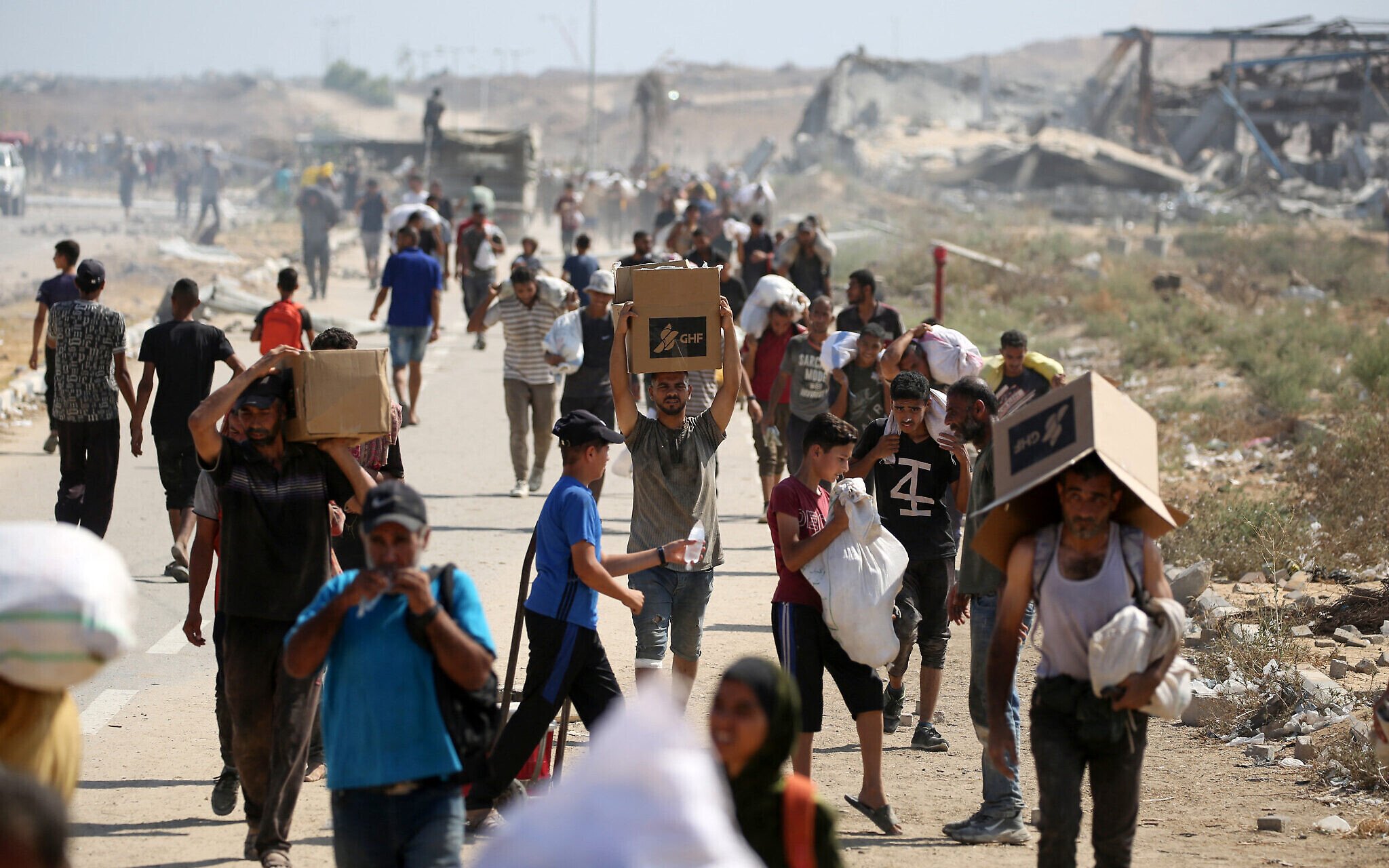
Moreover, distribution at GHF sites has been so chaotic after a 78-day Israeli aid blockade that initial plans to register those picking up boxes of assistance were cast aside; so there is no way of knowing whether Hamas operatives are among those benefiting from the new system.
Under international pressure to prevent widespread famine, Israel dramatically shifted its policy to allow more aid to come for distribution by the UN, in addition to facilitating airdrops for the first time in roughly a year. Israel admits that aid delivered this way may end up in Hamas’s hands.
Lastly, the main objective of the operation, securing the release of the 50 hostages — including 20 believed to be alive — remains unmet.
Despite the Israeli military pressure in seizing most of Gaza, the hostage-ceasefire talks with Hamas have stalled. Last month, the US and Israel withdrew their negotiators from Qatar.
IDF Chief of Staff Lt. Gen. Eyal Zamir has told Israeli political leaders since late June that Operation Gideon’s Chariots had “reached the lines” that were defined before the offensive began.
During a meeting this week, Zamir reportedly pleaded with cabinet ministers to present a strategy for how they want the army to proceed in light of the standstill in hostage talks.
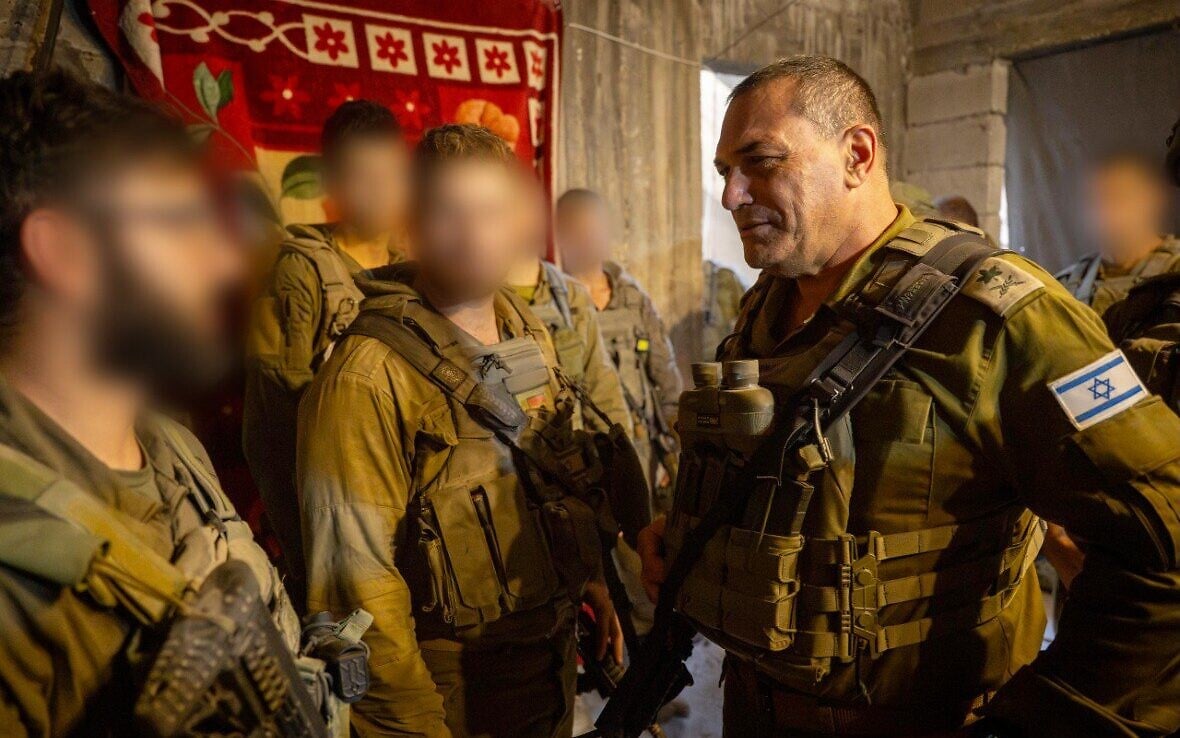
Army Radio on Monday quoted Zamir as saying in recent “closed discussions” that “it is possible to be flexible, and efforts must be made to reach a deal.”
The report said Zamir warned that a prolonged stay in Gaza endangers IDF troops and plays into Hamas’s hands, alongside the issue of increased “erosion” in the standing army and reserves after nearly two years of fighting.
Two alternatives were set to be presented to the political leadership, according to the report: conquering the entire Strip, which the IDF has said it opposes, with the army assessing it could take years to clear all Hamas infrastructure; or continuing to encircle Hamas-held areas and engaging in a war of attrition against the terror group’s guerrilla forces.
Both options would likely put the hostages at risk.
As Israel’s political leadership takes its time to decide which option to choose, the IDF is wrapping up the Gideon’s Chariots offensive with very little to show for it.








The Times of Israel Community.