

Photographer rediscovers there’s no place like home
Forty years later, Meryl Meisler finally publishes her quirky photos of Jewish suburban life in NY during the 1970s
 Add ToI as a Preferred Source on Google
Renee Ghert-Zand is the health reporter and a feature writer for The Times of Israel.
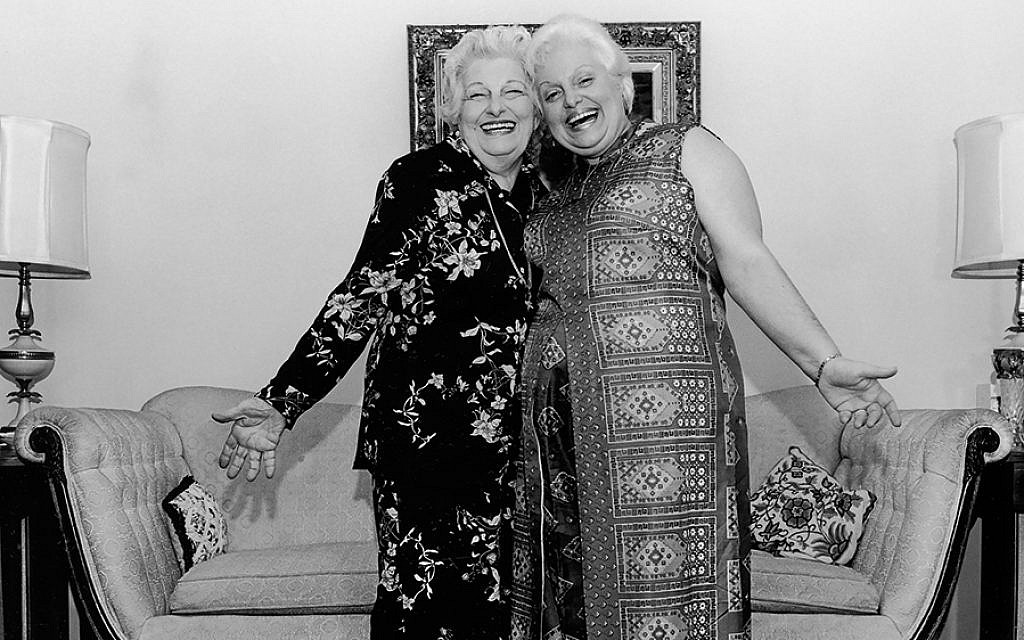
![King Shalom’s Rubies [L to R: Helen, Ronda and Stephanie] The Mystery Club Seaford, NY, June 1975 (Detail) © Meryl Meisler Photography](https://static-cdn.toi-media.com/www/uploads/2015/12/09_75_06_roth_couch_seaford_16x9-1024x640.jpg "King Shalom’s Rubies [L to R: Helen, Ronda and Stephanie] The Mystery Club Seaford, NY, June 1975 (Detail) © Meryl Meisler Photography")
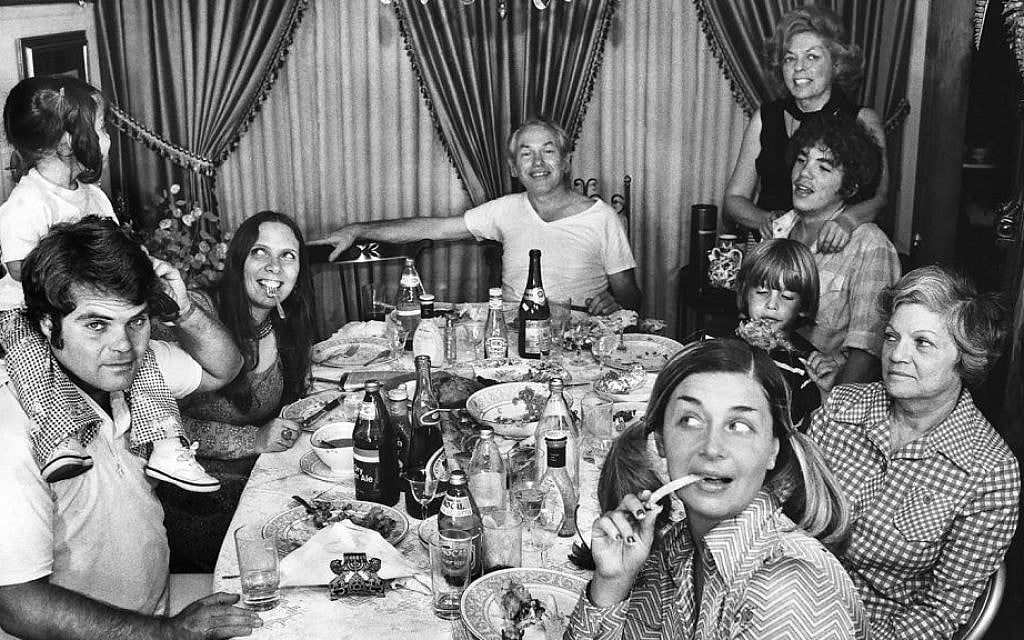
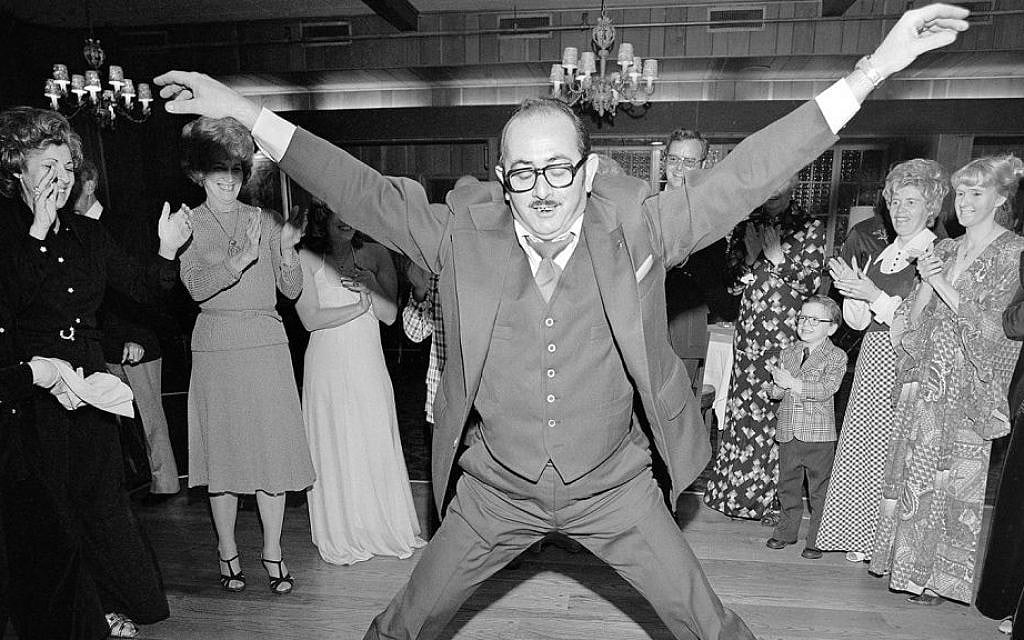
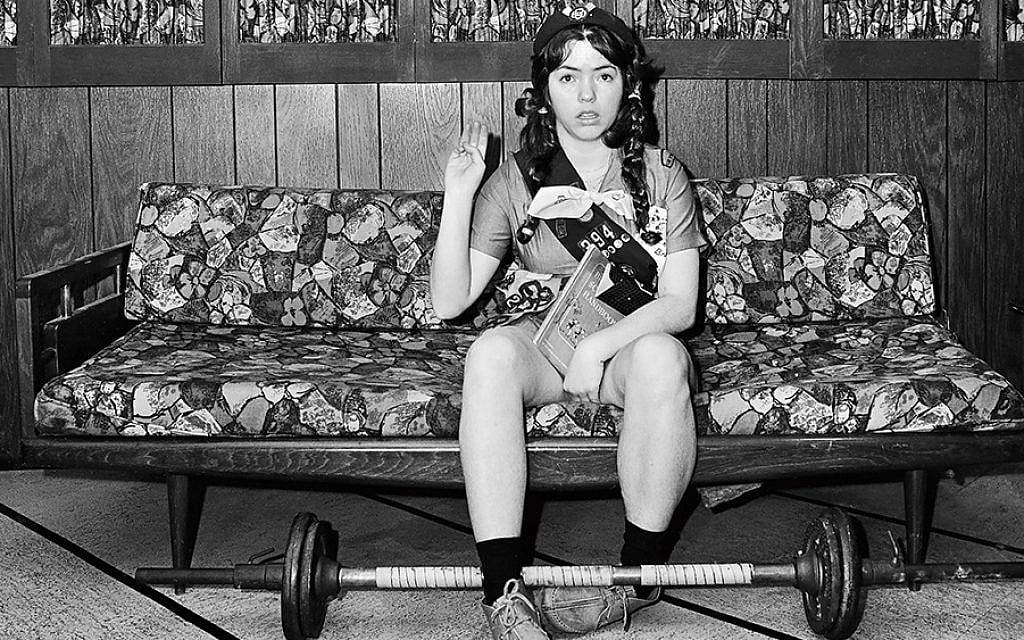
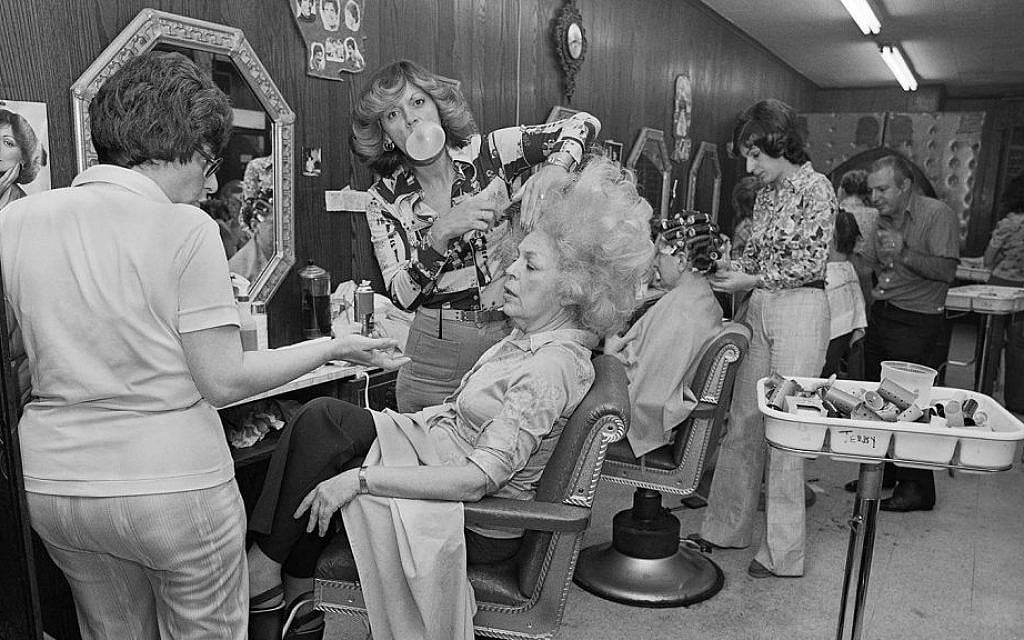
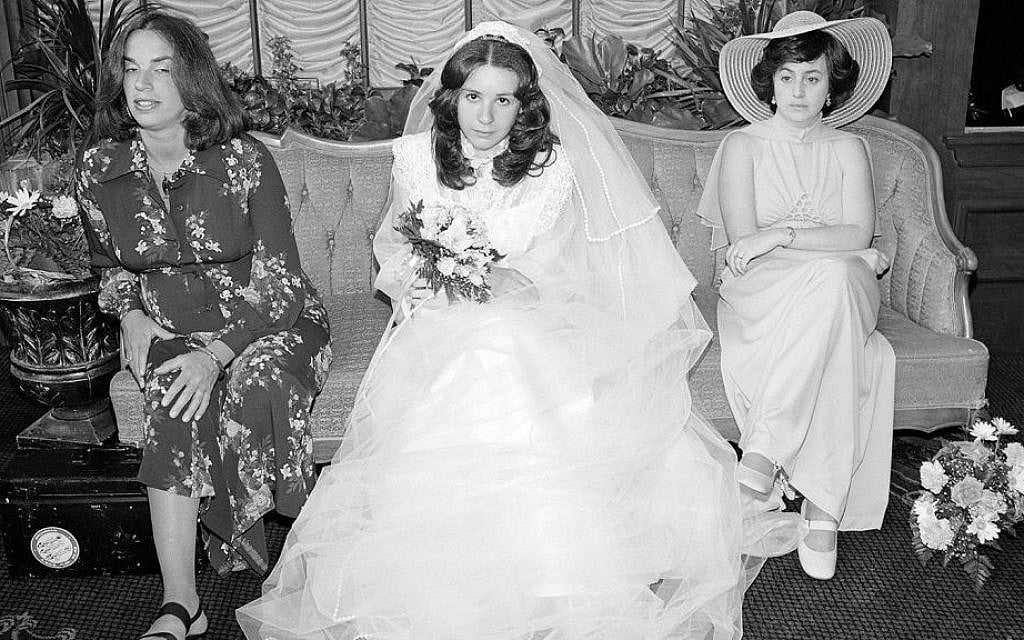
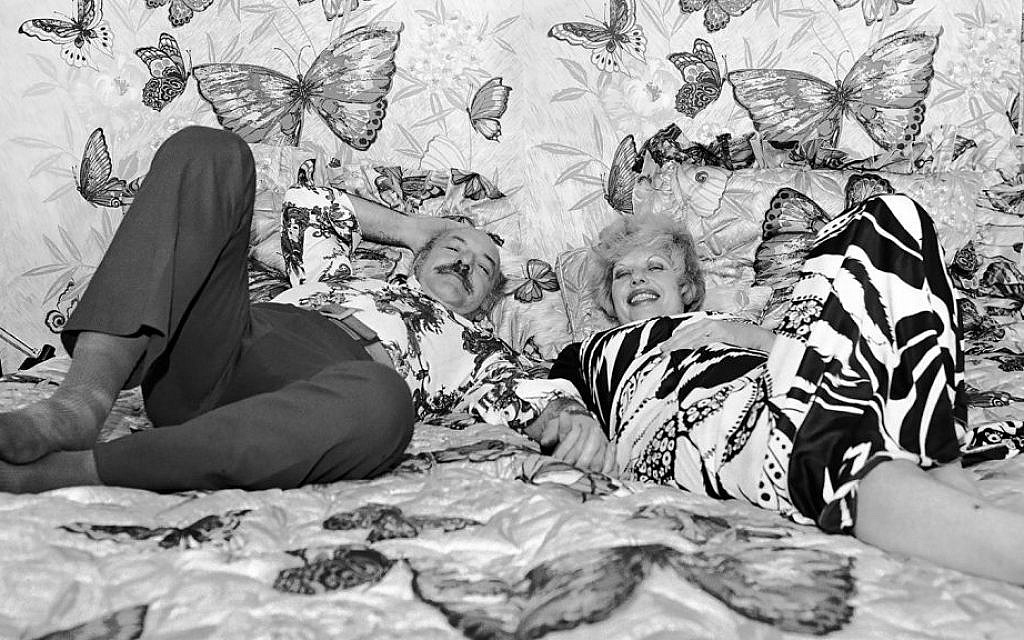
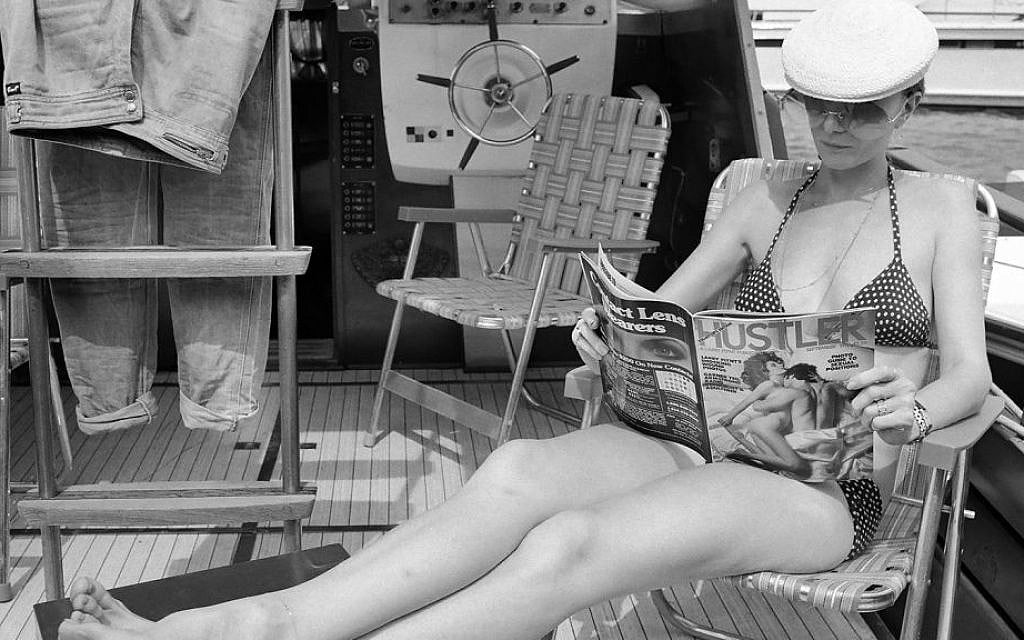
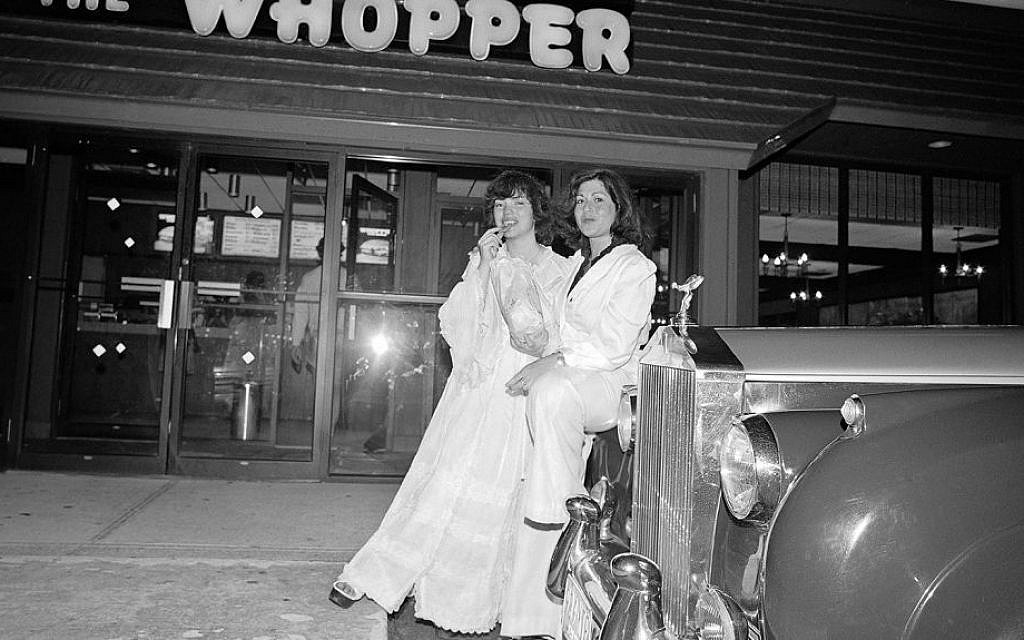
It’s easy to crack a broad smile as you flip through the pages of photographer Meryl Meisler’s new book, “Purgatory & Paradise: SASSY ‘70s Suburbia & The City.” It’s filled with pictures — all black and white — that Meisler took of her family, neighbors and friends in Long Island, New York four decades ago. They are juxtaposed with others she shot while covering the flashy disco scene, as well as the grittier aspects of what is generally considered to be anything but New York City’s finest decade.
The photos are masterful and poignant, and amazingly, Meisler had never shown them to the public until she published this book.
Her portraits of friends and family in Massapequa and environs particularly lift the viewer’s spirits. You get the distinct feeling that whatever else might have been going on in the world beyond suburbia, the people in Meisler’s life liked to have fun.
A New York City public school art teacher, Meisler, 64, retired in 2010 after 31 years on the job. Always with a camera at hand, she photographed daily life at her school in Bushwick in Brooklyn, producing work that has been exhibited in New York and beyond.
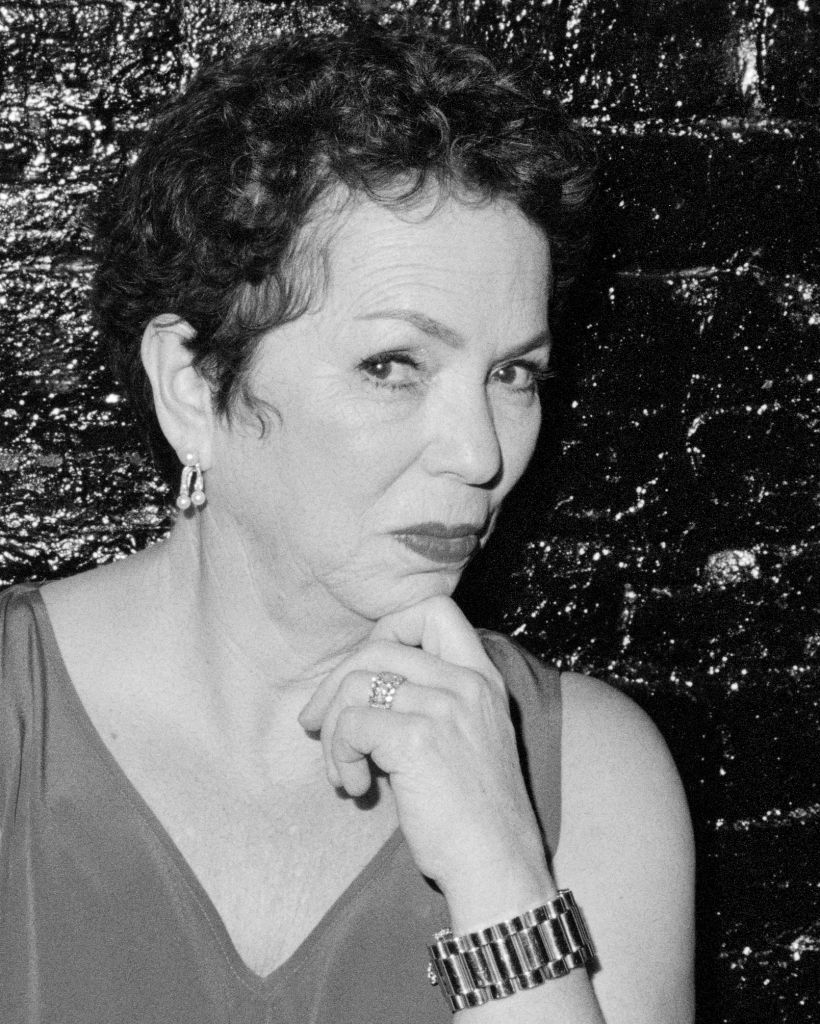
Last year, she published her first book of photography, which contained a collection of early 1980’s photos she took in her first years of teaching in Bushwick, which at the time had not yet begun to recover from the widespread riots that took place there on the night of the infamous July 13, 1977 blackout. The inner city neighborhood was burned out and derelict, but the optimistic Meisler pointed her lens at the beauty she saw amidst the ruins.
That first book, “A Tale of Two Cities: Disco Era Bushwick” contained those photos, and they, too, were juxtaposed with photos Meisler took in New York’s notorious discos. (A friend managed to get the young photographer into Studio 54, and from that point on she — motivated solely by her own curiosity and without any professional commissions — kept going back to it and other clubs to document the decadent night life.)
Meisler did not start taking photos in any serious way until she was in her early twenties, when she took a photography course at university. As a class assignment, she photographed her family while on a visit home to Massapequa. She continued to document her suburbia-dwelling Jewish family and friends, and it was that body of work that landed her a grant to document Jewish New York for the American Jewish Congress, as well as to research her family’s roots.
“I didn’t understand how strong the photographs were at the time,” Meisler told The Times of Israel in a phone interview from the home in Woodstock, NY she shares with her wife Patricia Jean O’Brien (they also have a home in Manhattan).
In retrospect, Meisler appreciates how her young eye honed in on things worthy of fascination in and near her childhood home, especially the “Mystery Club” — a group of 11 couples, including her parents, who met on a Saturday night once every two months for an adventure unknown to all of them but the couple who planned it.
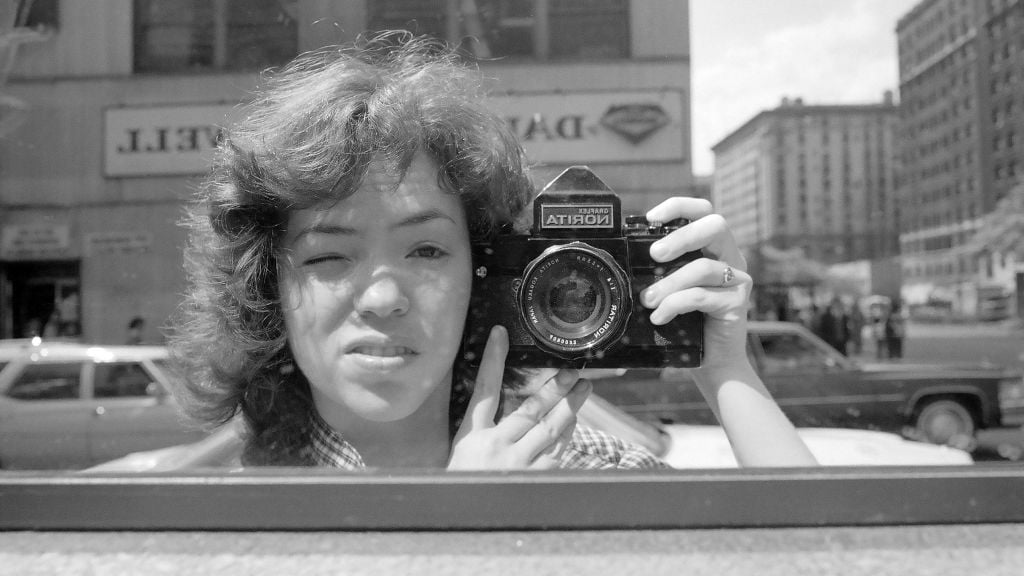
“This is your life, and you think it’s ordinary, but it’s really very special,” she said.
Meisler shot black and white film with a medium-format Norita Graflex, which produced a 2.25 by 2.25 inch square negative. She developed her photographs in a darkroom she set up in a bathroom in her cousin’s New York apartment.
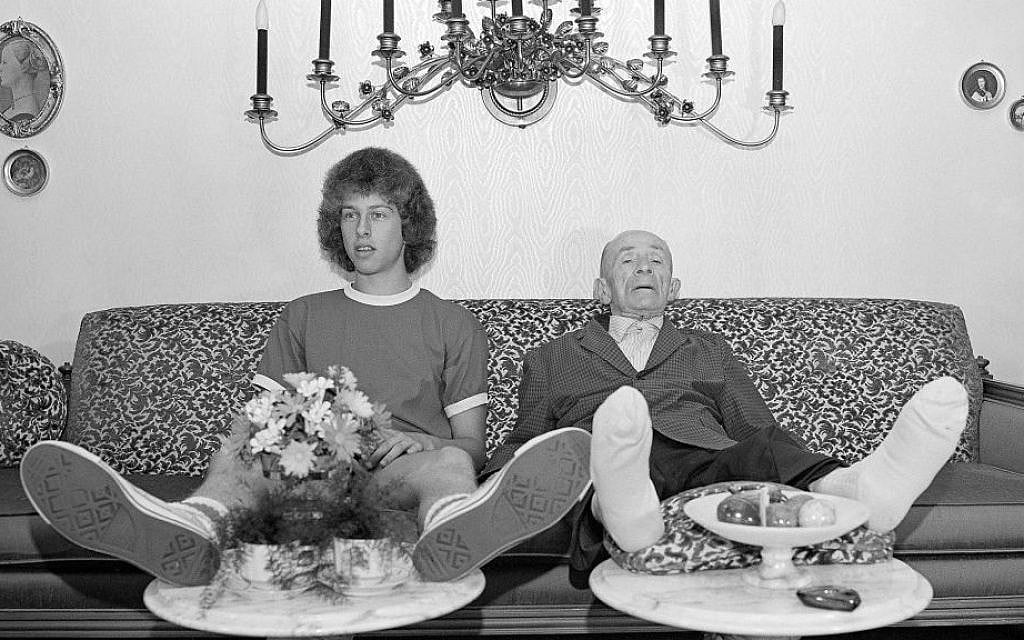
It is not by chance that her semi-staged family photos are reminiscent of the work of Diane Arbus, the Jewish American photographer famous for documenting marginalized people, such as dwarves, nudists, circus performers and carnival freaks, including the “Jewish Giant” Eddie Carmel, whom she photographed towering over his parents in their Bronx living room.
“I saw a Diane Arbus show at MoMA when I was home on vacation from college, and it spoke to me. I understood that square, black and white image. It hit my brain and my heart,” Meisler recalled.
She didn’t know it at the time, but the Arbus-inspired photographs she took were a striking visual record of a certain place and time rich with eye-popping décor and quotidian drama generated by a cooperative cast of characters. These were the Jews of “Matzah Pizza,” as the locals affectionately called their town.
Many of Meisler’s family photos are warm, humorous and familiar, yet at the same time they are slightly bizarre. The subjects seem larger than life, even though they are caught going about their regular business, be it dancing at a wedding, eating a Rosh Hashanah dinner, relaxing on the couch, or having their hair done.
Ultimately, they are portrayals of life as the photographer’s younger self saw it, the result of her casting her whimsy-seeking eye on those she loved.









The Times of Israel Community.