

Podcast about a French railway’s role in the Holocaust tracks with US Jews post-Oct. 7
Newly-released ‘Covering Their Tracks’ is about a battle for justice. But for Jewish Americans suffering unprecedented antisemitism, it’s a much-needed tale of resilience and pride
 Add ToI as a Preferred Source on Google
Reporter at The Times of Israel

NEW YORK — Leo Bretholz jumped to save his life. It was November 6, 1942, and the 21-year-old was crammed into a French cattle car bound for Auschwitz-Birkenau. Knowing that certain death awaited, he and his friend Manfred Silberwasser decided to hurtle themselves through a window and off the moving train. Of the more than 1,000 Jews in that particular transport, only four, including Silberwasser and Bretholz, survived the Holocaust.
That breathtaking moment is captured in “Covering Their Tracks,” a newly released podcast that not only recounts Bretholz’s lifesaving leap, but also his decades-long fight to hold SNCF, the French national rail company, accountable for its wartime actions as the company chased multi-billion dollar contracts in the United States after the war. It’s a story of survival and responsibility, of complicity and justice. And, in the wake of surging global antisemitism, it’s a story of resilience.
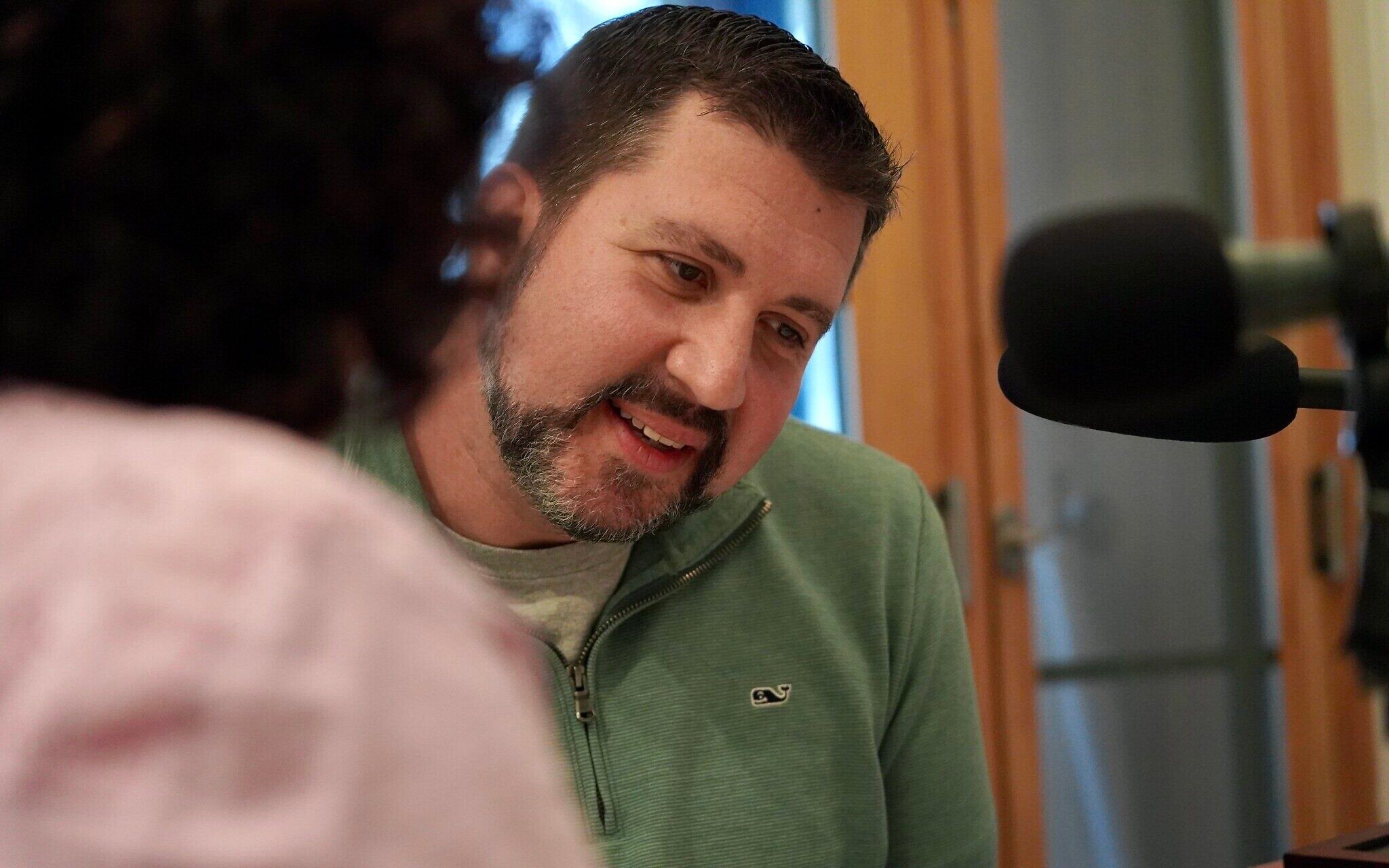
“We obviously had no idea when we started that this podcast would be released during a time of such incredible upheaval and challenge for Jews around the world,” said Matthew Slutsky, who hosted and reported the podcast.
Following the October 7 massacre that saw thousands of Hamas-led terrorists butcher 1,200 people in southern Israel and abduct 253 more to the Gaza Strip, antisemitism has skyrocketed around the world, including in the United States. Already on the rise, it has been compounded by Israel’s ongoing military campaign to rescue the hostages and remove Hamas from power in the Strip, as anti-Israel activists target Jewish individuals and institutions of all types, especially university campuses.
“The circumstances are very different today, but this hatred of Jews and the underlying feeling that things are not okay persists, and we wanted to make sure to connect those dots,” Slutsky said.
During World War II, SNCF trains transported nearly 76,000 Jews to concentration camps, charging the Germans per head by the kilometer — sometimes with interest. Even after Paris was liberated, SNCF pursued payment on outstanding bills.
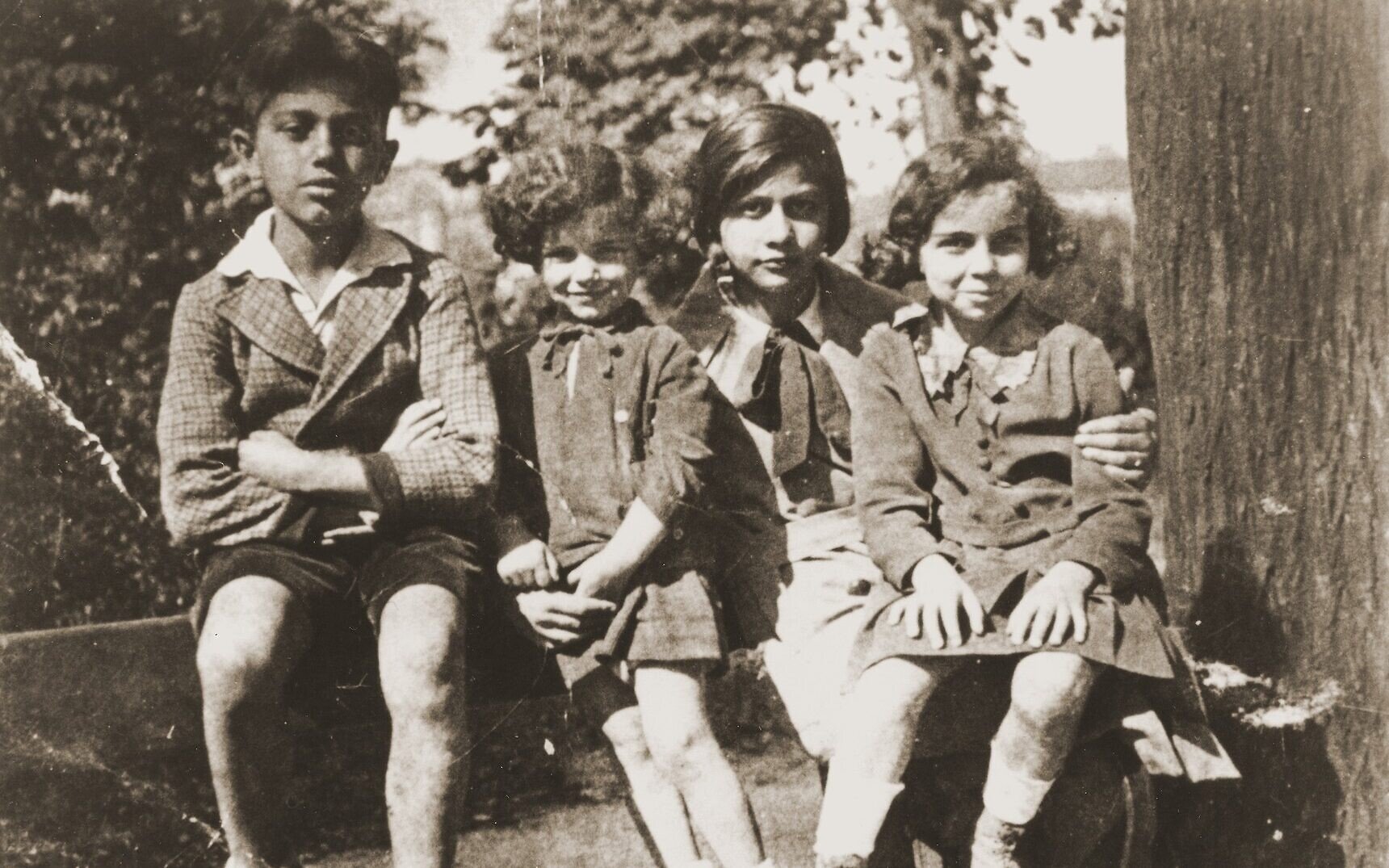
One of the most startling facts Slutsky discovered was SNCF’s internal communications during the country’s beet season.
“They were debating whether it was more profitable to move beets or people,” he said.
Slutsky learned of the story through his friend, Raphael Prober. As lead pro bono attorney at Akin, a Washington, DC-based law firm, Prober was working with Bretholz and other survivors to block SNCF from getting lucrative American contracts.
“He called me and told me about the case. A lightbulb went off, I knew I needed to do something on it,” Slutsky said.
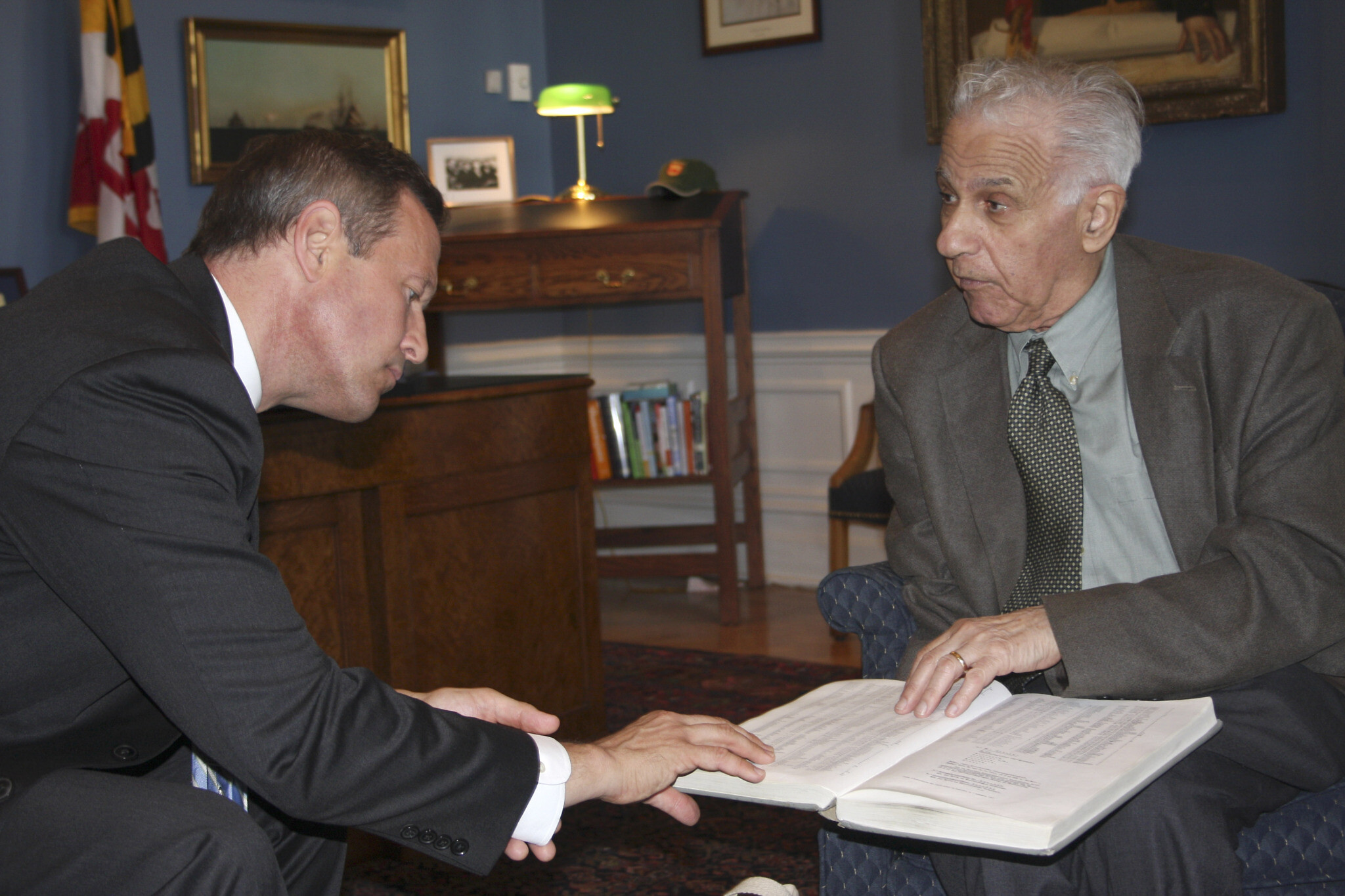
The case originated when Bretholz, who moved to Maryland in 1947, learned that Keolis, an American subsidiary of SNCF, was trying to land a $6 billion contract to build a light rail system in the state. Appalled, he spearheaded a campaign to get the rail company to not only admit to their collaboration with the Nazis and apologize for it, but also to compensate the survivors.
Joining him in his effort was Rosette Goldstein. Born in Paris in 1938, Goldstein was hidden by a Christian French farming family during the war. Her mother survived; her father, who was put on a French train and sent to Auschwitz, did not. Like Bretholz, Goldstein wanted SNCF to admit what they did.
“[SNCF] knew exactly what was going on. They closed the doors to the trains. They refused to stop and let people give them water because it would upset their timetable. Leo and I wanted justice and we wanted an apology,” she said.
SNCF never denied that it transported Jews to their deaths, but maintained it had no choice. However, there is no evidence that any SNCF worker faced a greater penalty than the withholding of a Christmas bonus for refusing to take part in the transports, according to the podcast.

“Throughout the decades-long battle with SNCF for accountability, I was shocked time and again at the company’s refusal to take responsibility and that they approached this matter as some run-of-the-mill lobbying or PR campaign,” Prober said.
Presented by Tablet Media with production support from Blue Chalk Media, “Covering Their Tracks” is a twisty tale that takes listeners from a French cattle car to the treaty room of the US State Department, from congressional hearing rooms to kitchen tables where survivors share their stories.
“The themes of perseverance in Leo’s story really resonated. It’s a through line in the entire Jewish experience, and he models it with such grace,” said Courtney Hazlett, showrunner for Tablet Podcast Studios.
At its core, the podcast is a Holocaust story, Prober said.
“It is also a heroes’ journey across seven decades, a story of light over darkness and hope over despair, a story of loss but also of tremendous love and the ties that bind us, of accountability and the importance of ultimately taking responsibility and saying you are sorry,” he said.
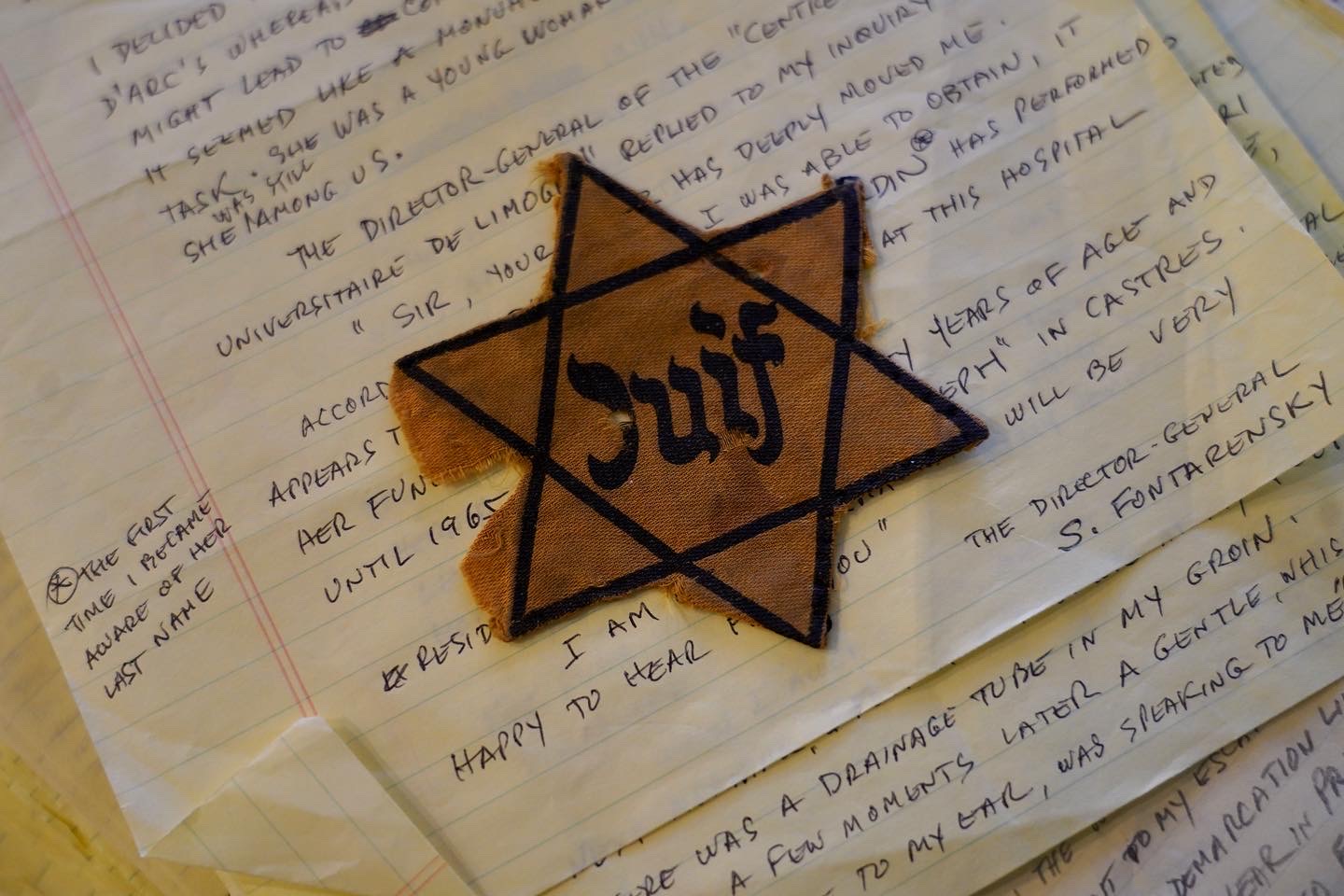
Bretholz died in 2014 at age 93, days before he would have testified in front of the Maryland House of Delegates Ways and Means Committee in support of a bill to require rail companies seeking state contracts to make restitution to Holocaust survivors.
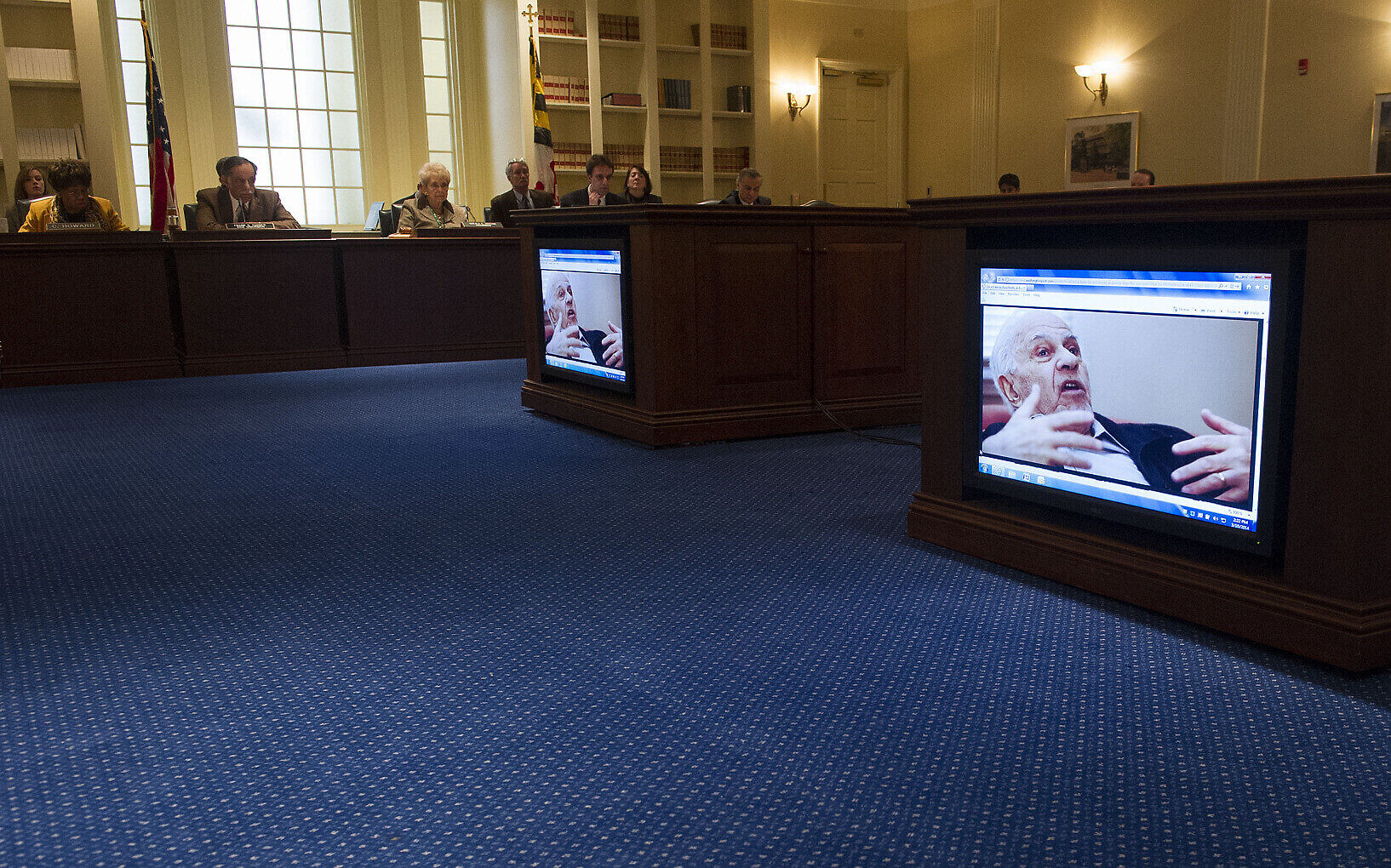
Justice ultimately prevailed; in 2016 the US State Department began paying out the first French reparations to Holocaust survivors living in the US who were taken to Nazi extermination camps aboard French trains.
“I thought I understood what this story was about when I started. There was so much I didn’t know, and the more I researched the more it was like peeling away layers of an onion,” Slutsky said.










The Times of Israel Community.