

Romania, on edge over Russia, to buy Israeli anti-aircraft system for $2.3 billion
NATO member state signs 7-year framework agreement with Iron Dome maker Rafael for six short-range air defense systems
 Add ToI as a Preferred Source on Google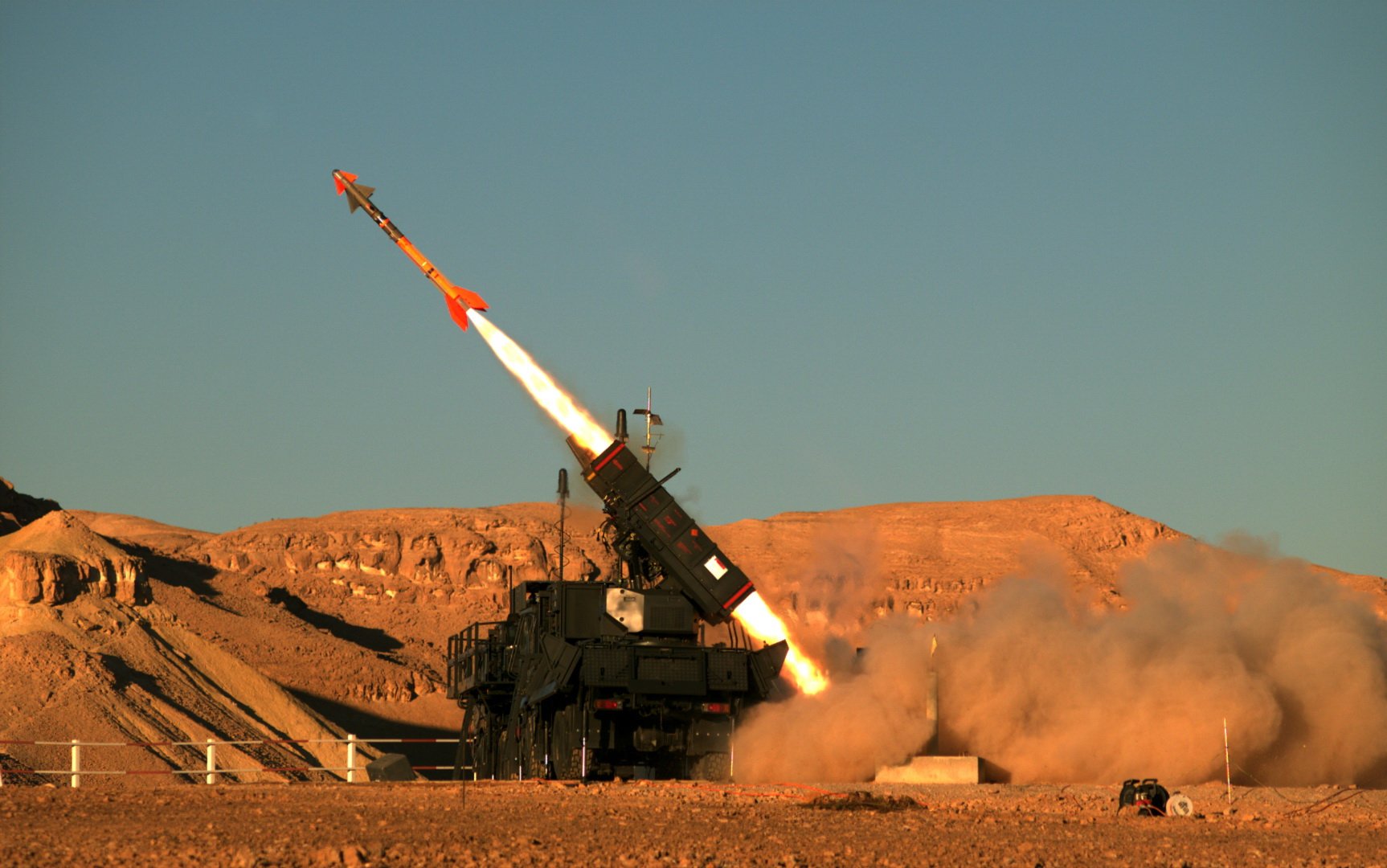
Romania has signed a framework agreement to buy Israeli-made short-range and very-short-range anti-aircraft systems for more than 2 billion euros ($2.3 billion), the Romanian defense ministry said on Monday.
Under pressure from US President Donald Trump, Romania and other European countries have been looking to increase their defense spending since Russia’s full-scale invasion of neighboring Ukraine in 2022.
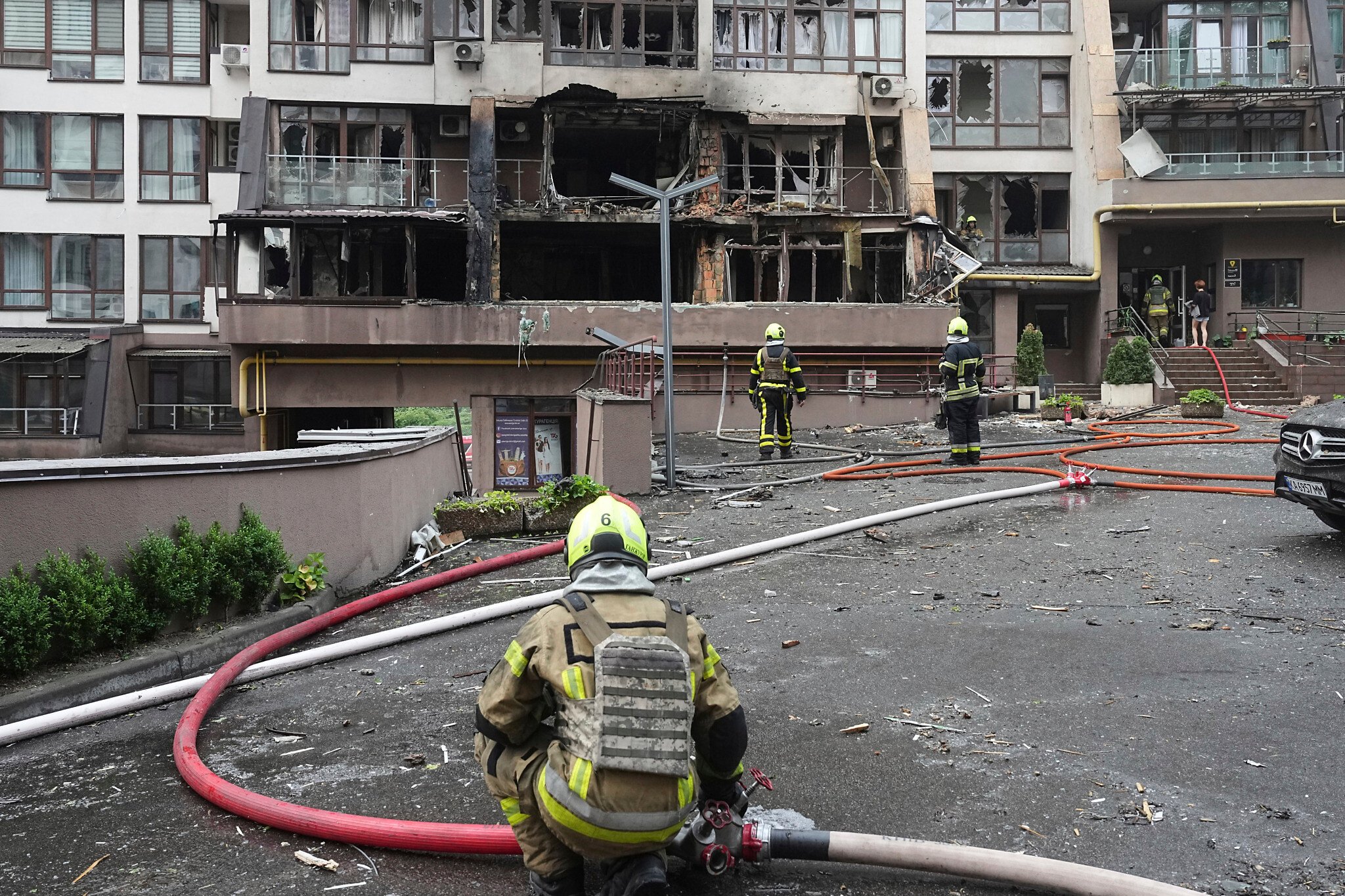
The European Union and NATO member state, which shares a 650-kilometer (400-mile) border with Ukraine, has had Russian drone fragments fall in its territory repeatedly over the past two years, as Moscow attacks Ukrainian port infrastructure.
The framework agreement with the Israeli company Rafael Advanced Defense Systems — the maker, with US backing, of the Iron Dome defense system — provides for the signing of three further contracts, through which six integrated anti-aircraft systems will be acquired.
The contracts will also cover training, ammunition, and logistical support.
The framework agreement will run for seven years, with the first two Vshorad systems to be delivered within three years of the signing of the first of the three further contracts, the ministry said.
Defense Ministry figures released in June showed that Israeli arms sales reached a new record in 2024, for the fourth consecutive year, totaling nearly $14.8 billion, amounting to double the value of exports of five years ago.
Europe was the largest purchaser of Israeli defense goods, buying 54 percent of the total exports in 2024, and ministry officials attributed the increase in demand from European countries to Russia’s ongoing invasion of Ukraine.
At the same time, ministry officials said they were increasingly concerned by some governments, especially in Western Europe, who have canceled weapon deals with Israel or otherwise sanctioned Israeli defense firms over the war.




The Times of Israel Community.