

Russia rebukes US, Israel for focusing on Iran at Security Council meeting
Envoys say meeting was meant to discuss Israeli-Palestinian conflict, after Haley and Danon use platform to slam Iran for terror activity
 Add ToI as a Preferred Source on Google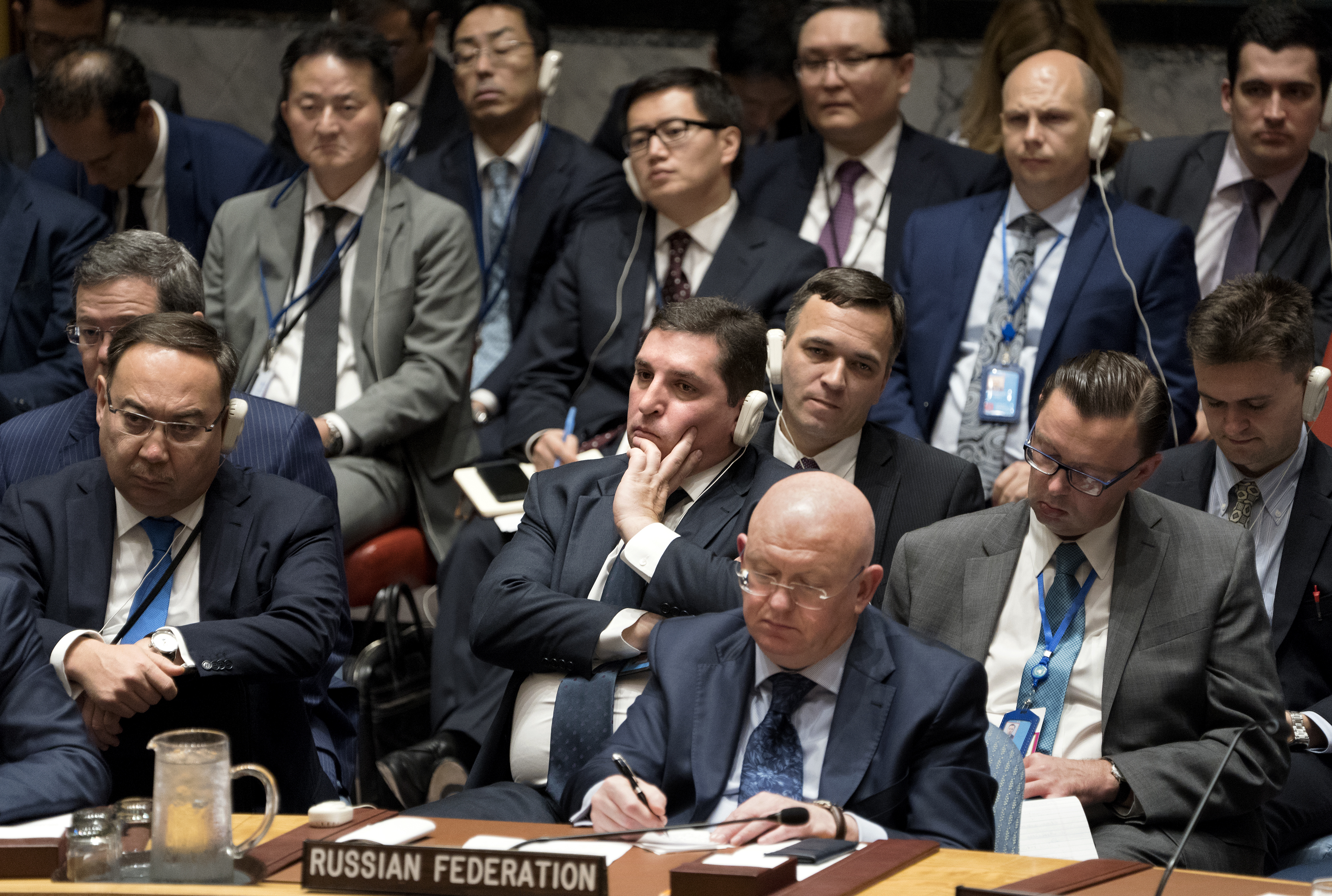
The Russian ambassador to the United Nations took the US and Israel to task on Wednesday for focusing on Iran during a UN Security Council meeting whose agenda called for a discussion of the Mideast “including the Palestinian question.”
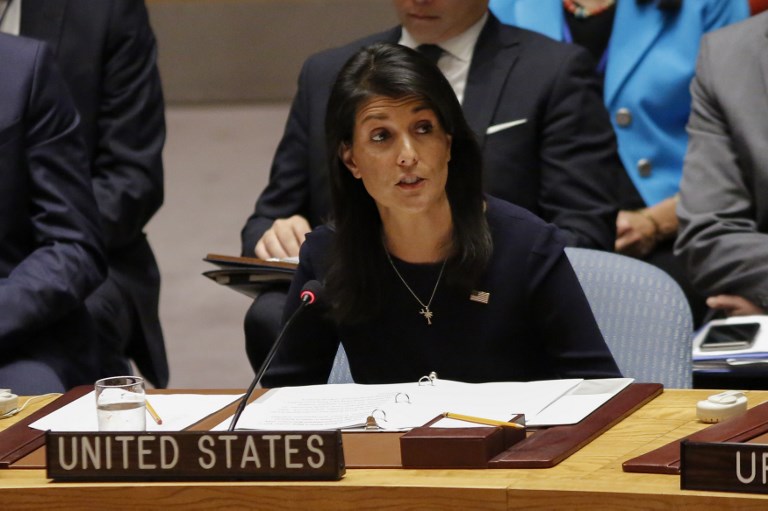
US ambassador Nikki Haley and Israeli envoy Danny Danon both targeted Iran during the meeting, with Haley accusing Iran of “aggressive, destabilizing and unlawful behavior” and urging the Security Council to adopt the Trump administration’s comprehensive approach to the country instead of looking solely at its compliance with the nuclear deal.
Danon had highlighted Iranian support for terror around the world.
“Russia is openly concerned by the fact the Israeli and US delegations didn’t even utter the word ‘Palestine’. This is alarming and saddening because we don’t see any progress whatsoever in the field of Israeli-Palestinian settlement and, more than that, we don’t hear even references to it — something that doesn’t inspire optimism by any means,” Vassily Nebenzia said, according to the Kremlin’s Tass news agency.
Nebenzia said that threats in the Middle East “should not obscure the priority for us to resolve the Palestinian issue because it is fundamental if we want to normalize the situation in the region long-term.”
The agenda item at the meeting was titled The situation in the Middle East, including the Palestinian question,” and most other delegates focused on the Israeli-Palestinian conflict, with many of them expressing hopes for the recently struck reconciliation between the rival Palestinian Fatah and Hamas movements.
The meeting began with a briefing from UN official Miroslav Jenca, who welcomed the recent Palestinian unity deal, and again criticized Israel for building new settlements in the West Bank.
Swedish ambassador Olof Skoog said the meeting should have focused on the peace process and not the Iran nuclear deal.
“The nuclear agreement is underpinned by UN Security Council resolutions. It’s clear where we stand,” Skoog said, according to reports. “The EU is determined to preserve the JCPOA as a key pillar of the international nonproliferation architecture.”
“Settlements dangerously threaten the viability of the two-state solution and destroy hopes for peace,” he added.
Iran’s ambassador also hit back, accusing Haley of providing “the wrong address when it comes to the root causes of insecurity in the Middle East.”
At the “core” of the all conflicts in the Middle East is Israel’s “occupation of Palestinian land,” said Ambassador Gholamali Khoshroo.
The council met for its monthly debate on the region just days after US President Donald Trump refused to certify the Iran nuclear deal, leaving its fate to the US Congress.
Haley cited a long list of Iranian violations, including threatening freedom of navigation in the Gulf, cyberattacks, imprisonment of journalists and other foreigners, and abuses of its people by persecuting some religions and imprisoning gays and lesbians.
She called Iran’s “most threatening act its repeated ballistic missile launches including the launch this summer of an ICBM enabling missile.”
The nuclear deal, signed in 2015 between Iran and world powers, saw crippling sanctions lifted in return for Iran agreeing to restrictions aimed at preventing it from developing nuclear weapons.
Trump has been a staunch critic of the deal and has called for it to be amended or canceled.
Nebenzia warned that “attempts to dismantle the architecture of the agreement on the Iranian nuclear program will lead to a negative reaction in the Middle East and beyond.”
Times of Israel staff contributed to this report.




The Times of Israel Community.