

Sanctioned, Iran says it won’t resume nuclear talks with Europeans ‘at this stage’
Britain, France and Germany reimposed sanctions, lifted by 2015 nuclear deal, on September 28, triggering the return of UN sanctions under the deal’s so-called snapback mechanism
 Add ToI as a Preferred Source on Google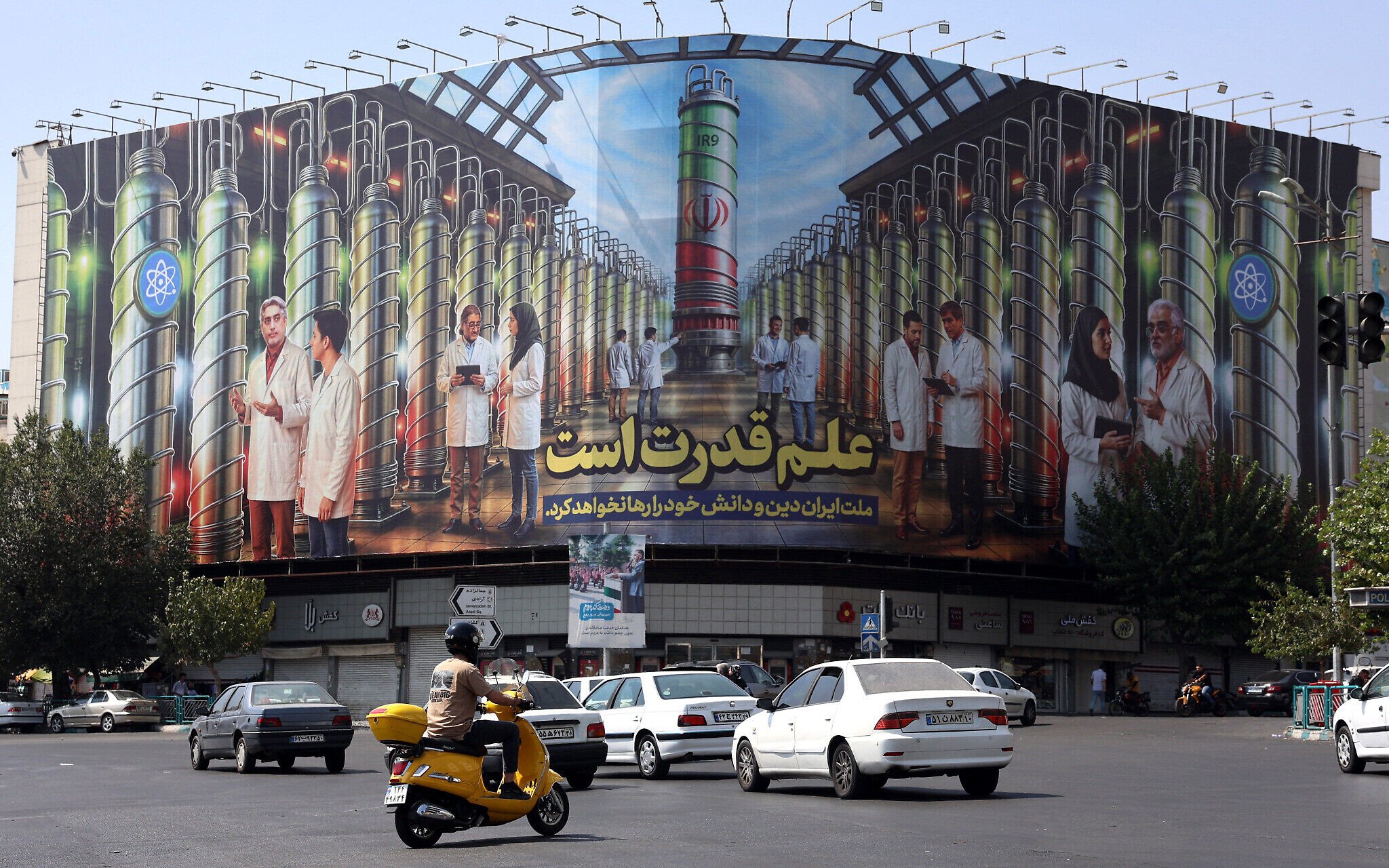
Iran does not plan to immediately resume nuclear talks with European nations after they reimposed sanctions, its foreign ministry said on Monday.
Britain, France and Germany, signatories to Iran’s 2015 nuclear deal, reimposed sanctions on September 28, triggering in turn the return of UN sanctions under the so-called snapback mechanism.
“We have no plans for negotiations at this stage,” ministry spokesman Esmaeil Baghaei said, adding that Iran was examining the “consequences and implications” of the restart of sanctions initiated by the countries known as the E3.
“Of course, diplomacy — in the sense of maintaining contacts and consultations — will continue,” Baghaei said.
“Whenever we feel that diplomacy can be effective, we will certainly make decisions based on the country’s interests and priorities,” he added.
Iran has long contended that it is not seeking nuclear weapons, but it has been enriching uranium to levels that have no peaceful application, barring UN nuclear inspectors, and regularly threatening to destroy Israel.
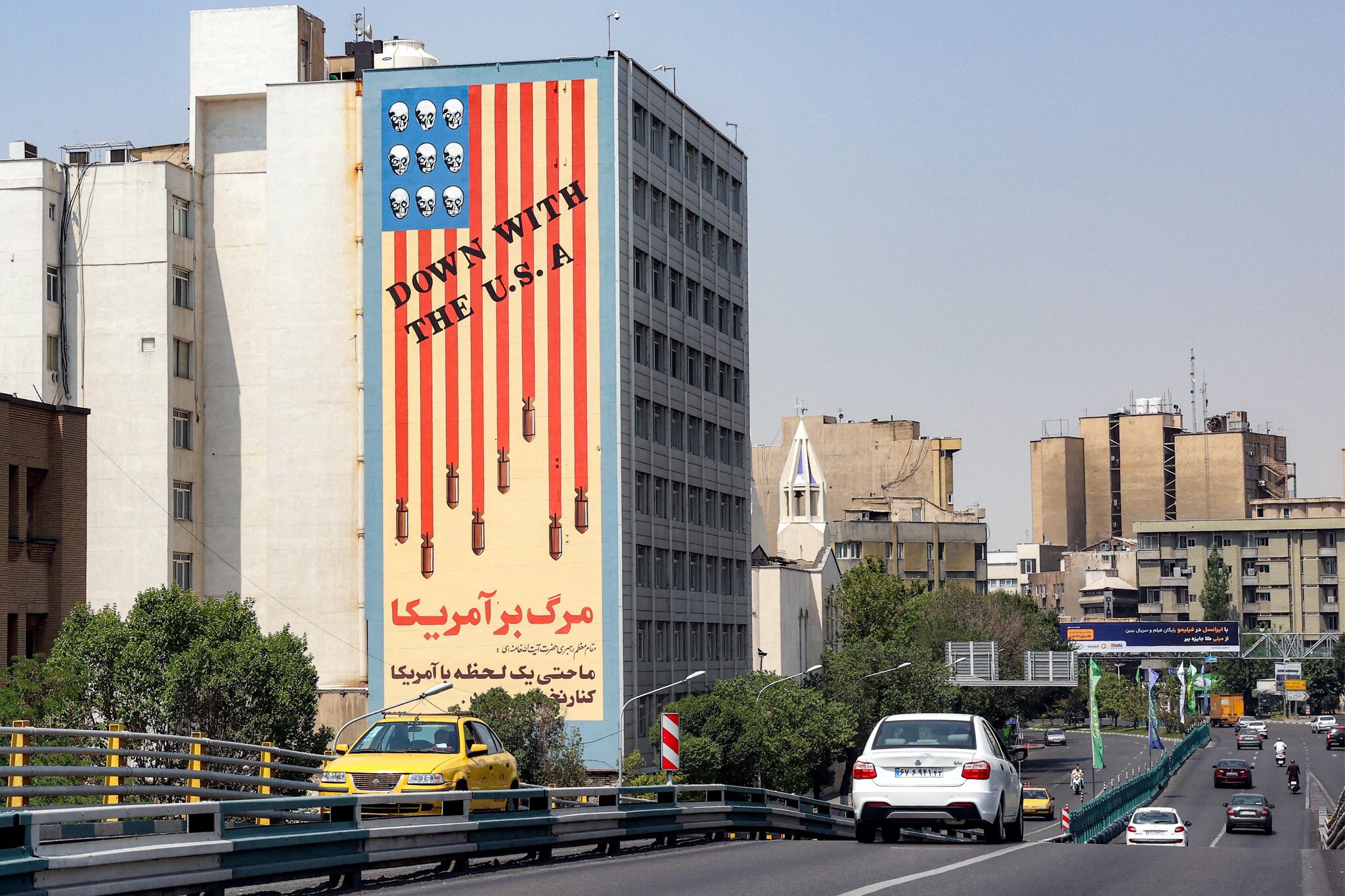
In 2015, the United States, with the three European countries, Russia, and China concluded an agreement with Iran providing for the regulation of Iranian nuclear activities in exchange for the lifting of sanctions.
US President Donald Trump decided during his first term in 2018 to withdraw from the deal and reinstate sanctions. In retaliation, Iran has gradually withdrawn from some commitments, particularly on uranium enrichment.
In June, Israeli and American airstrikes severely damaged Iran’s nuclear program, though the extent to which Tehran’s path to a nuclear bomb was set back is not entirely clear.
Iran has repeatedly warned that a return of sanctions would lead to a suspension of cooperation with the IAEA, the UN’s nuclear watchdog.
On Sunday, Iran’s Foreign Minister Abbas Araghchi warned that cooperation with the IAEA “is no longer relevant” with the reintroduction of UN sanctions, though it was not clear whether Iran intends to completely break with the agency.






The Times of Israel Community.