

Schools set to partially reopen Sunday, subject to IDF guidelines
Lower-risk areas to alternate between in-person and remote learning, with 30 to 50 percent of the students attending classes in person at a time, if there’s shelter nearby
 Add ToI as a Preferred Source on Google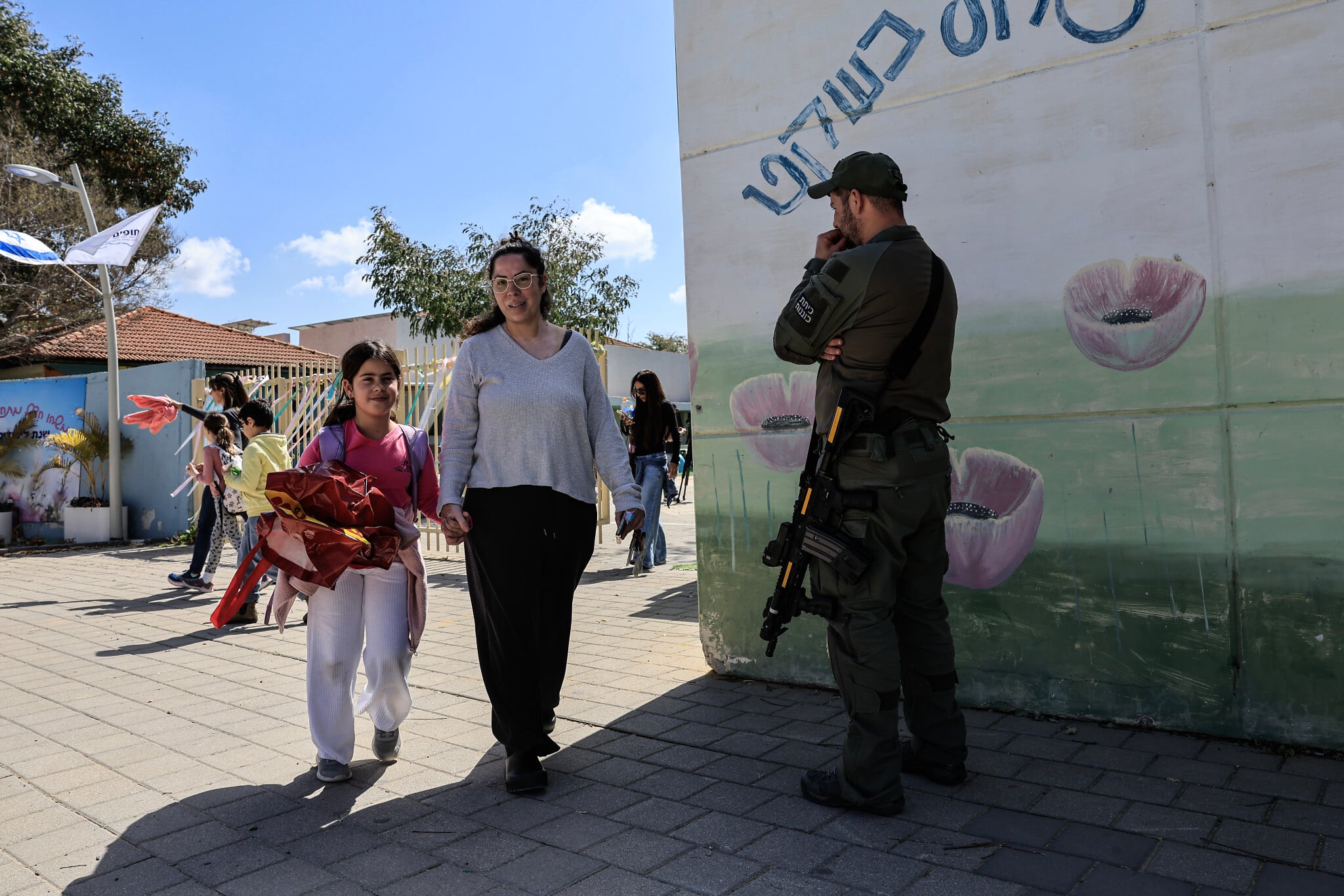
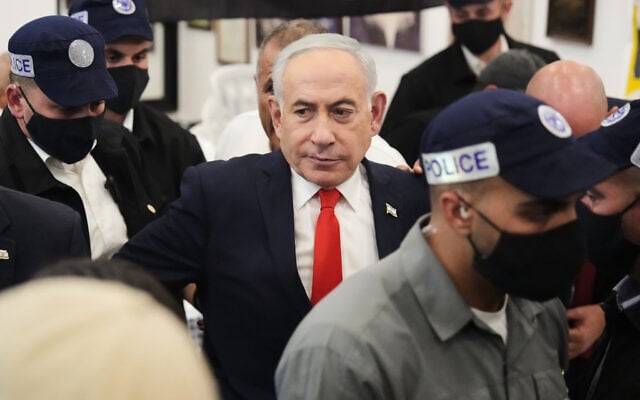
Prime Minister Benjamin Netanyahu has approved an Education Ministry plan to partially reopen schools across the country starting Sunday, pursuant to an IDF Home Front Command assessment later this week, according to a ministry statement late Monday.
The move comes in the shadow of the war with Iran, which has left almost all the country’s 2.5 million children stuck at home for the past five weeks, since the outbreak of hostilities, with some limited remote studies.
It also represents a rejection of Finance Minister Bezalel Smotrich’s push to designate the wartime period as vacation time for teachers and have them work during the usual summer break instead.
Following a meeting with Education Minister Yoav Kisch, Defense Minister Israel Katz and Smotrich, Netanyahu approved an outline according to which there will be a rotating system, alternating between in-person and remote learning, with some 30 to 50 percent of the students attending classes in person at any one time, the ministry said. In most of the country, which is considered to be at a relatively high risk of being targeted with missile or rocket attacks, classes will only take place inside bomb shelters, according to the ministry’s outline.
In lower-risk areas of the country, including the Gaza border communities, the Lower Galilee, the Arava and the West Bank, studies will be allowed to take place in proximity to a shelter.
The statement did not include more specific details. The ministry said that a complete outline will be issued following the update to safety guidelines issued by the Home Front Command after the end of the Passover holiday on Wednesday night.
Kisch, in a statement, lauded Netanyahu for “recognizing the supreme importance of preserving educational continuity for the children of Israel,” adding: “Hundreds of thousands of students have been at home for an extended period of time already, and their return to an educational structure… is a national mission of the highest order.”
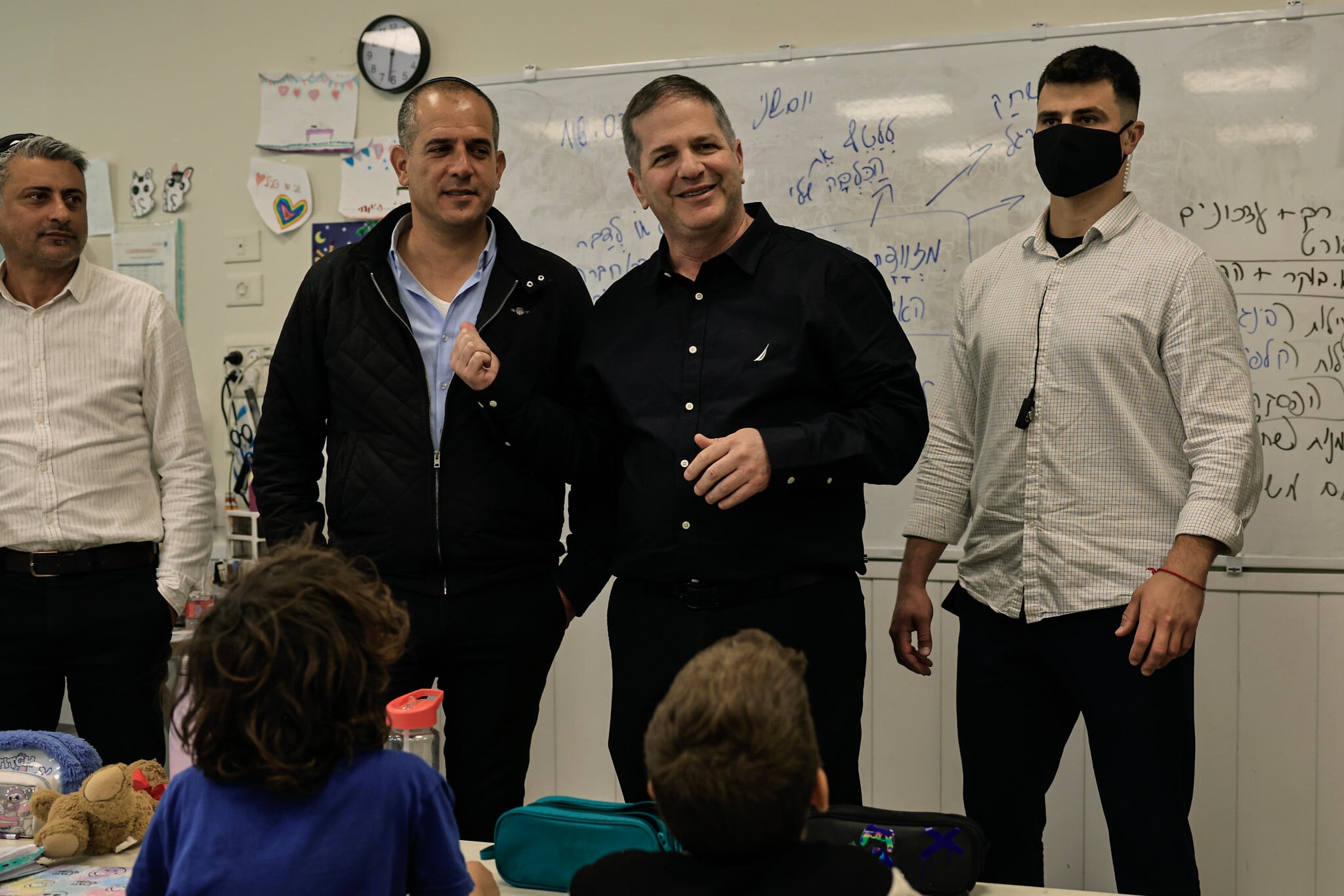
Under the current guidelines, areas of the country are designated as yellow (lower risk) or orange. In yellow areas, educational activities can be held in person, provided that a shelter can be reached within the time available to reach a protected space, and gatherings of up to 50 people outdoors and 100 people indoors are allowed. In orange areas, educational activities are prohibited, and gatherings of up to 50 people are allowed, provided that shelter is available.
Workplaces with access to shelters can operate in both areas.
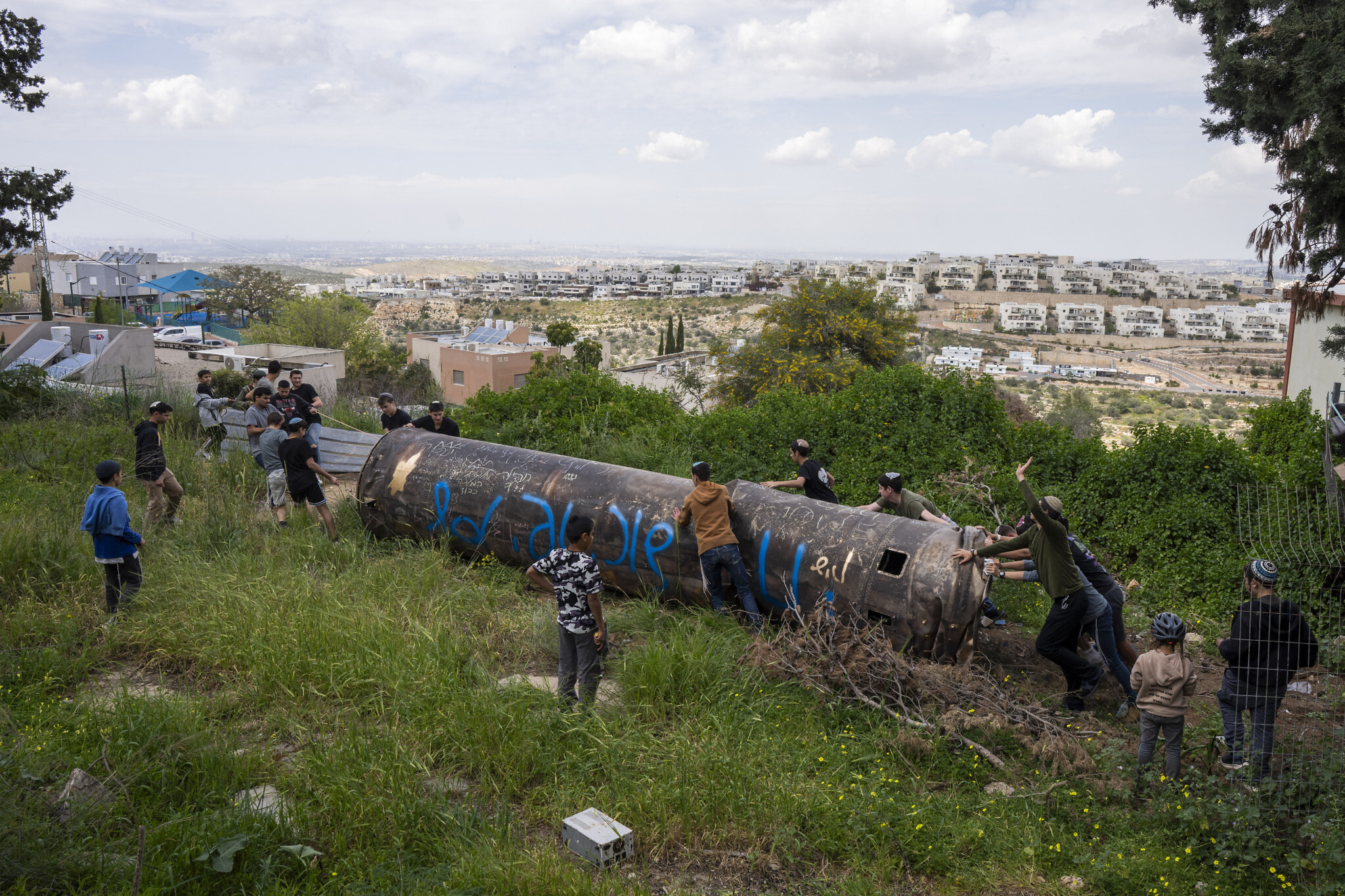
According to current data, 14% of Israeli schools have no protection and 24% have only partial protection. That means that about 466,000 students, comprising roughly one-quarter of the country’s schoolchildren, lack adequate protection, although the state comptroller has said that 36% of the Education Ministry’s data is outdated, having last been collected between 2018 and 2021.
The National Parents’ Council welcomed the news of a return to schools, with chairman Oren Ozen saying: “As we see it, the return of children to an educational framework, as much as is safely doable, is a correct and necessary step. The education system is a key anchor for children and parents alike, and returning to it allows for stability, routine, and emotional support in a complicated period.”
“At the same time, it’s important to preserve flexibility and to understand that there are families that are still nervous, and so to find solutions that are appropriate for them as well,” the council noted.
The National Student and Youth Council, a representative body for high schoolers in Israel, noted that the coming period is crucial for preparing for the national matriculation exams that come at the end of high school. While thanking Netanyahu and Kisch for not interfering with summer vacation, they called for an exam schedule that is “up-to-date and tailored” to students’ needs in wartime.








The Times of Israel Community.