

Senior committee re-approves Gofman’s appointment as next Mossad chief
3 members support general taking up role, but panel chair opposes; Netanyahu says Gofman was subjected to ‘unjust ordeal’, urges High Court to reject any petitions against him
 Add ToI as a Preferred Source on Google
Jeremy Sharon is The Times of Israel’s legal affairs and settlements reporter
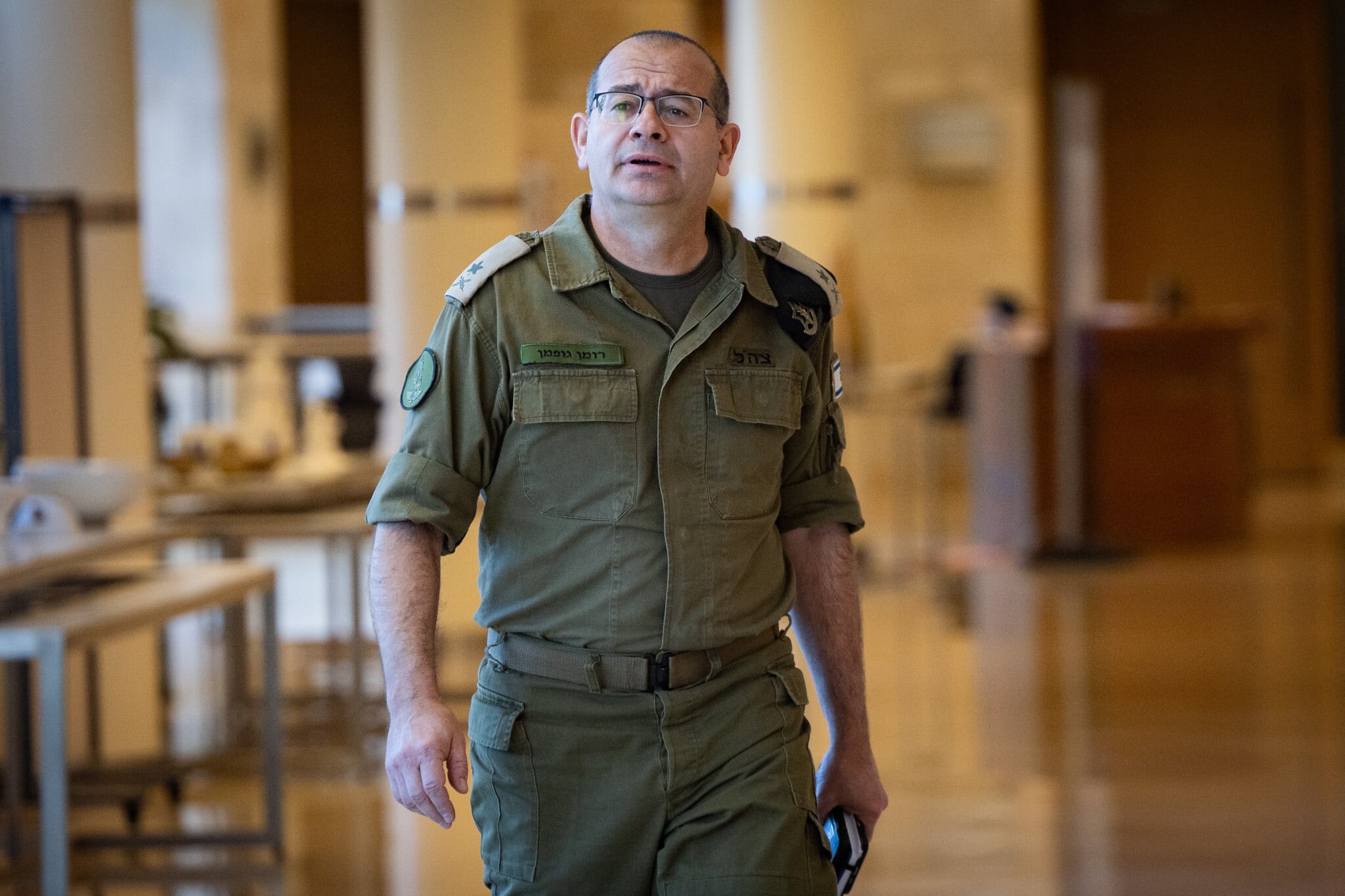
The Senior Appointments Advisory Committee on Tuesday re-approved the appointment of Maj. Gen. Roman Gofman as the next head of the Mossad, after it interviewed two key figures at the heart of a controversial affair Gofman was involved in during his service as commander of the IDF’s 210th Division in 2022.
Three of the committee members were of the opinion that Gofman’s appointment should go ahead, while committee chair, retired Supreme Court president Asher Grunis, dissented for a second time, saying that the incident in question needed further clarification.
The renewed deliberations by the advisory committee were held at the request of the High Court of Justice following a hearing on petitions against Gofman’s appointment, which argued that he had lied about the affair, which constituted a violation of the ethical code of conduct for senior officials.
The court had recommended, specifically, that the committee review an affidavit submitted by a military intelligence officer identified only by the initial “Gimmel,” who had knowledge of the affair, and to interview Gimmel himself.
The court also recommended that the committee hear from Ori Elmakayes, a petitioner against Gofman’s appointment and the individual at the center of the allegations against the general.
The committee interviewed both of them on May 21, as well as Gofman, before reaching its decision to uphold his appointment. The three members who backed Gofman’s appointment said in a statement that accusations against him were “baseless.”

In 2022, the IDF’s 210th Division, commanded by Gofman, authorized Elmakayes to publish intelligence information on his Telegram channel in an online influence operation.
Elmakayes, who was 17 at the time and therefore a minor, was subsequently arrested and indicted for espionage when the Shin Bet became aware of the information he was publishing, without being aware that he was working with the IDF.
Elmakayes was only exonerated 18 months later, during which time Gofman did not inform the Shin Bet or the prosecution services that Elmakayes had been cooperating with the IDF.
The committee split on the same lines when it first approved Gofman’s appointment in April, with Grunis stating in his minority opinion that Gofman’s role in the Elmakayes affair amounted to a “very severe ethics flaw” and that his appointment as Mossad chief was therefore “inappropriate.”
Elmakayes, responding to the decision in a post to X on Tuesday , wrote that he told the committee that he had met with an officer from the 210th Division who apologized for having “abandoned” him, and that the officer admitted he had shown Gofman Elmakayes’ Telegram channel, and that he told Gofman Elmakayes had been arrested just days after he was taken into custody.
“Gofman knew the whole time about the operation and about my Telegram channel, approved it, and nevertheless chose to lie in the investigation conducted by Brig. Gen. Gimmel in May 2022—an investigation that paved the way for my wrongful arrest,” Elmakayes wrote.
“The committee majority continues to systematically ignore the facts and documents that were submitted, which testify to the existence of classified material that was sent to me from the division, and Gofman’s knowledge of my identity. They neither quote them nor address them, in order to avoid the truth and to enable an appointment which is a danger to state security,” he added.
However, in their written opinion, the three committee members of the majority wrote, “The main accusation that Gofman was the initiator of the transfer of all classified materials to Elmakayes from various units in the IDF is baseless. Gofman was unable to prevent Elmakayes’s arrest, and the accusation that Gofman allegedly abandoned him is also baseless.”
The committee majority stated that the affidavit that Gimmel submitted along with his testimony to the committee “reinforced” the position that Gofman had not known Elmakayes’ identity, as he had said at the time when questioned by Gimmel over the affair.
They also asserted that Elmakayes himself did not provide “a shred of evidence” that Gofman was aware of his identity when he addressed the committee.
Grunis himself said in his dissenting opinion that Elmakayes had not told the committee anything relevant when he addressed the panel.
Grunis stated in his tersely written opinion that what had been relevant was the content of WhatsApp messages between Elmakayes and his contact office in the 210th Division, but not regarding whether Gofman lied in the investigation but rather whether the division under Gofman’s command had transmitted classified information to Elmakayes.
Grunis said that the WhatsApp messages should be examined by a military official in conjunction with the committee to make this determination.
The committee chair added that he did not want to comment publicly on the majority’s opinion, sufficing to say however that their opinion contained “inaccuracies.”
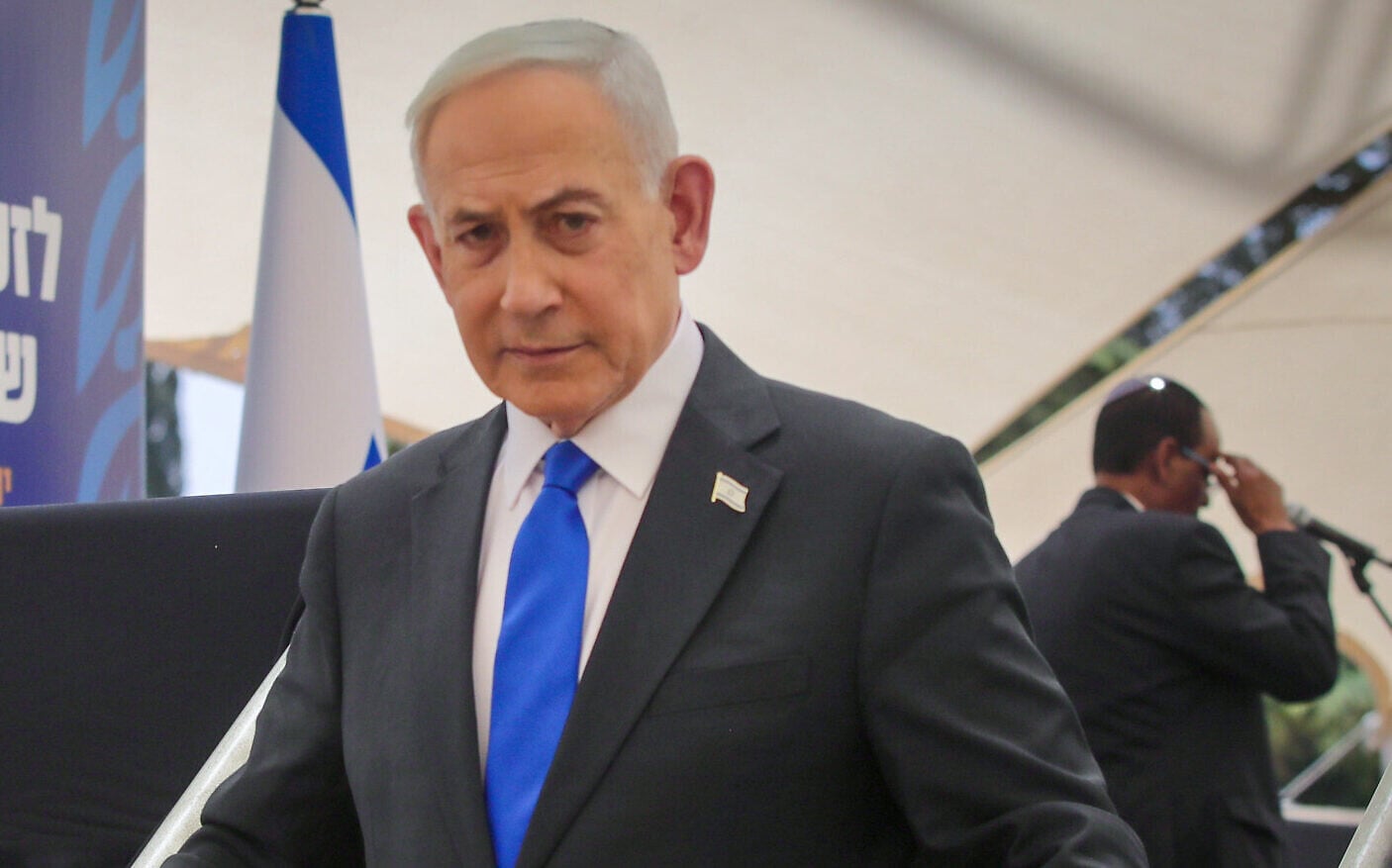
Prime Minister Benjamin Netanyahu also reiterated his backing for Gofman, who currently serves as the prime minister’s military secretary.
“The Prime Minister categorically rejects the minority opinion that the issue should be further examined, and says that General Gofman was subjected to an unjust ordeal, while the entire affair ultimately produced nothing at all,” the Prime Minister’s Office (PMO) said in response to the committee’s decision.
The PMO added that Netanyahu called on the High Court to now reject the petitions against Gofman’s decision and enable him to take up his position without delay.
It would appear unlikely for the court to intervene further on the matter, since the committee has fulfilled the court’s request to gain a fuller picture of the affair and upheld its original decision to approve the appointment.
Gofman was tapped as the next head of Mossad by Netanyahu in April, but several petitions were filed against him, including one by Elmakayes.
The outgoing Mossad chief, David Barnea, reportedly also opposed Gofman’s appointment, with Channel 12 saying earlier this month that he sent a letter to the attorney general expressing opposition.
The network also reported that Barnea testified against Gofman’s appointment to the Senior Appointments Advisory Committee.
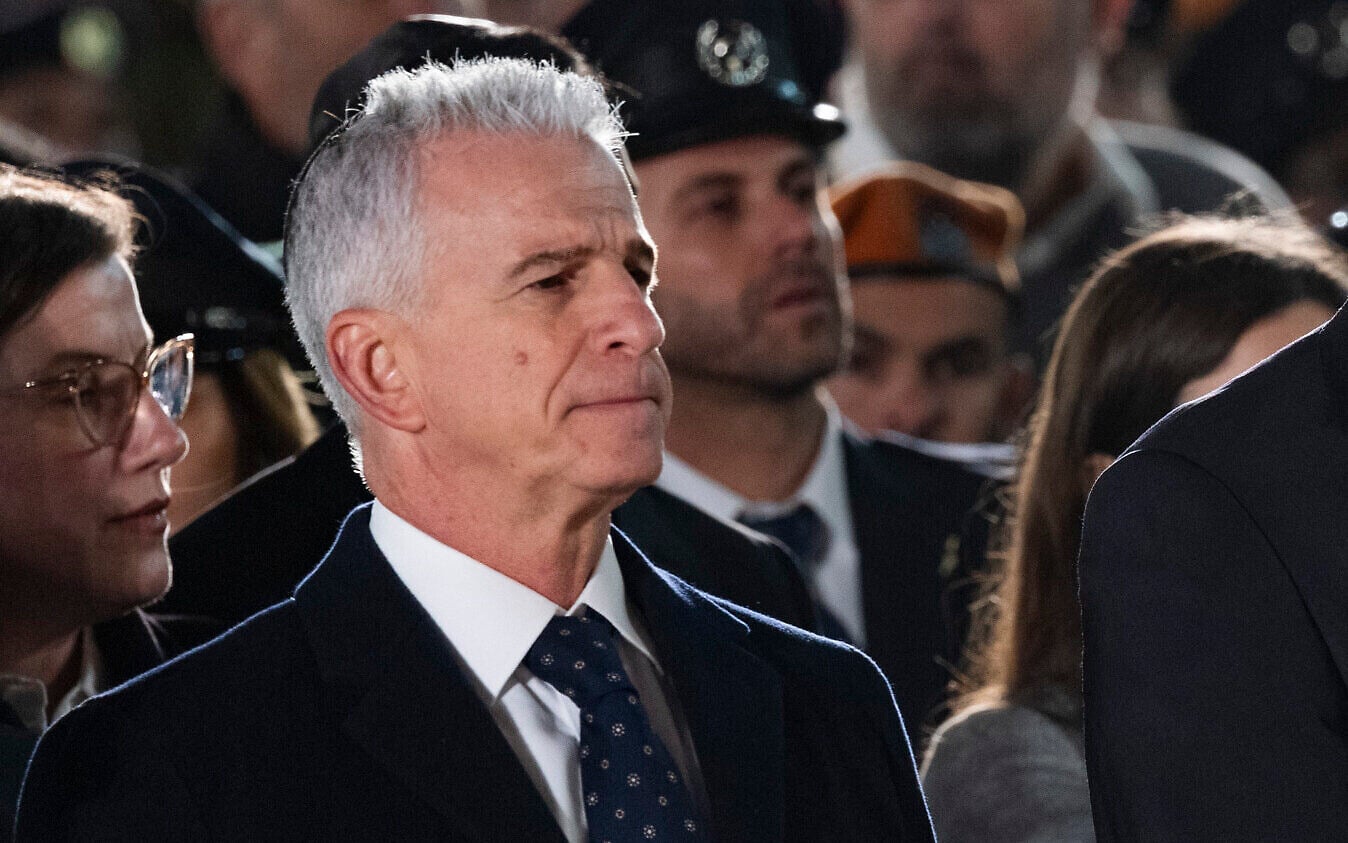
During his recent interview with the committee last Thursday, Gofman complained about Barnea’s letter, telling the panel members they “can just imagine what the heads of other agencies around the world think,” according to unsourced reports from Hebrew media
Gofman was investigated by the IDF over the influence operation in May 2022 and given a disciplinary note in his record over the incident.
The petitions against Gofman’s appointment as Mossad head charge that the advisory committee failed to properly address Gofman’s role in this incident, particularly whether he lied to the IDF’s investigation team about whether or not he knew Elmakayes had been used by the division for the operation.
Elmakayes alleges that Gofman’s failure to inform law enforcement agencies that he published the information with the permission of the IDF makes him unfit to head Mossad.







The Times of Israel Community.