

Should Adelson pay for the US embassy in Jerusalem?
Four advocates of mission’s relocation say having a private person fund the move is a terrible idea

 Add ToI as a Preferred Source on Google
WASHINGTON (JTA) — Sheldon Adelson’s offer to help pay for the new US Embassy in Jerusalem is getting a thumbs down from a range of observers who support the embassy’s relocation.
The Associated Press had the exclusive on Friday morning, and JTA confirmed it with sources who have been apprised of the State Department’s deliberations. State’s lawyers are poring over the law books to determine how to pull off America’s first privately funded embassy.
Why the Trump administration would want this — well, no one’s saying, but cost-cutting seems likely. The move to temporary digs, due this May, is eventually going to cost taxpayers about $60 million. A new embassy, built from scratch, will be much pricier. The newly opened US Embassy in London cost $1 billion.
Presumably, a Jerusalem embassy will come in under $1 billion (although who can guess). Adelson, worth an estimated $40 billion, can afford it.
Adelson’s spokesman declined to comment.
JTA asked various people who have been intimately involved in advocating for the embassy move — in some cases, for decades — what they thought of the plan to privatize the embassy. The four who talked thought it was a terrible idea.
The triumph of Trump’s recognition of Jerusalem, they tended to agree, is that it came about honestly because recognizing an ally’s capital is the right thing to do. Trump himself said Friday in a speech to conservative activists that he came under intense pressure from the international community not to make the move. The optics of a rich donor paying the US government for the embassy, they said, makes the move look less like a principled policy than a personal favor.
“Citizens volunteering their resources and energies to ease the government’s burdens is laudable,” said Jason Isaacson, the American Jewish Committee’s director of government and international affairs. “But an American Embassy represents — and must be seen indisputably as representing — the United States of America, rather than any generous individual or segment of American society. The American Embassy in Jerusalem — as with all American embassies around the world — should serve, and belong to, every American equally.”
Morton Klein, the president of the Zionist Organization of America, who is close to Adelson, referred to AP’s reporting that Adelson might seek other funders, including among pro-Israel Christians.
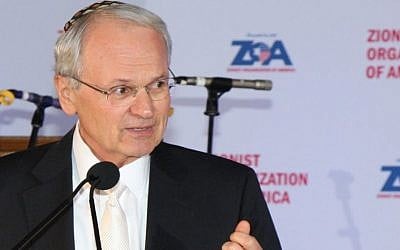
“This is a United States government project and policy, I don’t think it should be ‘the evangelicals, the Jews made this happen.’ It should be crystal clear the US government made this happen,” he said. “I don’t think it’s a good idea for any private citizen to pay for the US Embassy to be moved.”
Dan Shapiro, the Obama administration’s ambassador to Israel who has since leaving the position advocated for a move, said he did not believe that State Department lawyers would sign off on the arrangement. Once Adelson started funneling hundreds of millions of dollars into the US government’s coffers, there would be immediate conflict of interest questions, including, what is the casino magnate and pro-Israel philanthropist getting in return?
“When individuals or corporations are giving something, there’s an expectation they may be getting something in return,” Shapiro said. “That concern about quid pro quo is naturally pregnant in such a proposal.”

Also against the idea was William Brown, the ambassador to Israel under presidents George H. W. Bush and Bill Clinton. He wrote memos to both presidents recommending moving the embassy to Jerusalem. “I’ve worked in embassies that could use some money,” said Brown. “But not this way.”
If Adelson really wants to feel useful, there are some limited options, said Shapiro. “Embassy 4th of July parties can receive both cash (usually a few thousand dollars) and in-kind contributions from US companies operating overseas. They are then listed as sponsors, which is a form of promoting US businesses.”
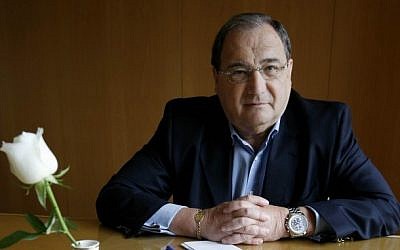
Abraham Foxman, the emeritus national director of the Anti-Defamation League – who also thought private funding for embassies was a terrible idea — had a different proposal.
“It would be nice if the Adelsons could pay for the art in the embassy,” he said. “There’s never a budget for art.”
The State Department runs an “Art in Embassies” program that solicits private money to help create “vital cross-cultural dialogue and mutual understanding through the visual arts and dynamic artist exchanges.”






The Times of Israel Community.