

State asks court to delay deadline for bill on ultra-Orthodox draft
Government notes it is ‘an unusual request,’ but argues that the issue, which has threatened the coalition, is ‘sensitive’
 Add ToI as a Preferred Source on Google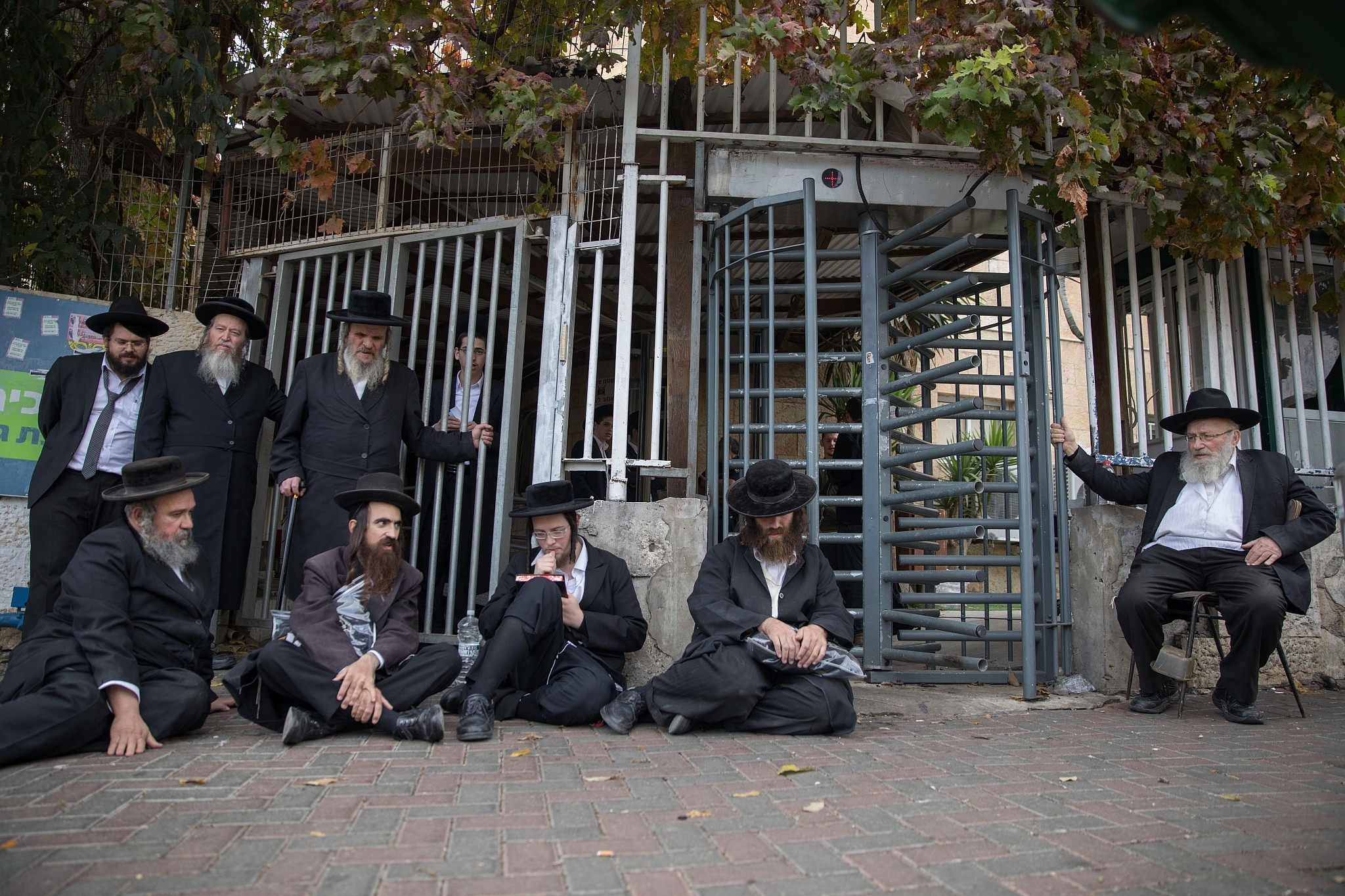
The state asked the High Court of Justice on Sunday to grant a seven-month extension on a deadline it had set for passing legislation regulating military service for members of Israel’s ultra-Orthodox community.
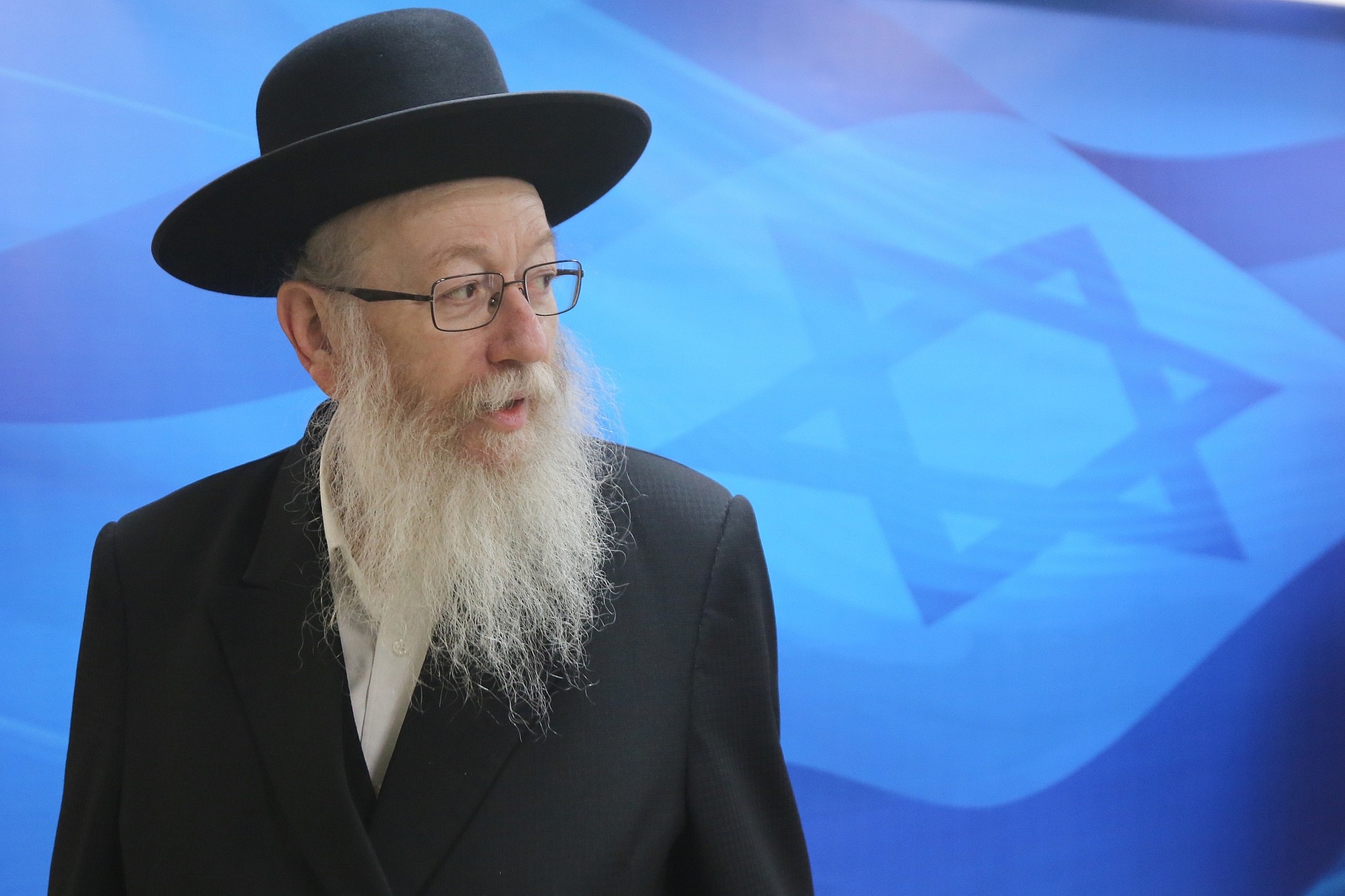
The request came after Yaakov Litzman, deputy health minister and head of the United Torah Judaism party, said last week that he would resign from Prime Minister Benjamin Netanyahu’s government, unless the court extends its deadline to legislate the bill. His ultra-Orthodox party cited the need for dramatic changes to the current version of the bill, which has been wending its way through the Knesset.
In its application, the state noted that “this is an unusual request, submitted as a last resort against the backdrop of a sensitive issue.”
Last September, the High Court ruled that a 2015 version of Israel’s draft law granting most yeshiva students draft exemptions was unconstitutional, and gave lawmakers a year to institute new guidelines for ultra-Orthodox enlistment.
But the Knesset will conclude its spring session on July 19, and will not reconvene for the fall session until mid-October.
Without the amended legislation in place, current deferral regulations will expire with the deadline and thousands of yeshiva students could find themselves unable to renew their deferments, making them eligible to be drafted by the IDF.
The contentious current version of the legislation, backed by the Defense Ministry, sets minimum yearly targets for ultra-Orthodox conscription that, if not met, would result in financial sanctions on the yeshivas, or rabbinical seminaries, where they study.
It passed its first reading in the Knesset at the beginning of the month, the first of three readings it must pass before becoming law.
Defense Minister Avigdor Liberman has said he will not support any changes to the current proposal.
Litzman did not explicitly say his party would also leave the coalition if he resigned, suggesting he does not want to topple the government and force elections over the issue.
The issue of ultra-Orthodox enlistment has long been a controversial one in Israel, revolving around a decades-old debate as to whether young ultra-Orthodox men studying in yeshivas should be called up for compulsory military service, like the rest of Israel’s Jewish population.






The Times of Israel Community.